REVIEW · HISTORICAL TOURS
Jaipur Heritage and Old Market Shopping Tour
Book on Viator →Operated by Unique Jaipur Tour · Bookable on Viator
Markets and crafts in Jaipur, nicely organized. This is a 5-hour old-town loop that mixes Chandpole Bazaar shopping lanes with short craft demo stops, so you get ideas (and souvenirs) without burning your whole day. You’ll see key heritage stops around the Pink City area and then spend real time in the bazaars where the city’s makers actually work.
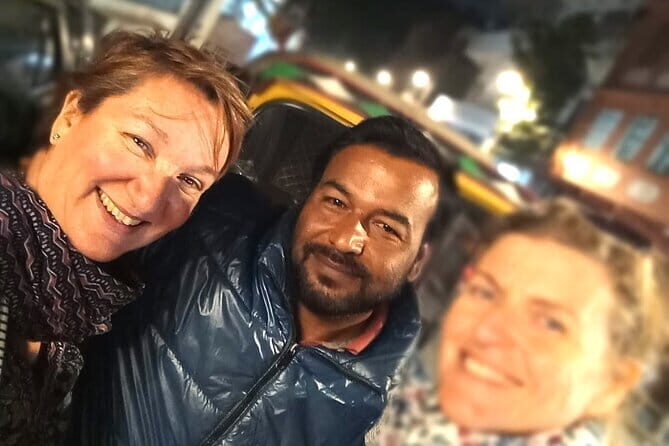
I especially love how this tour gives you structure in the Old City. You’re not wandering blind through twisting lanes—you’re guided from one market specialty to the next, and the vibe stays friendly and safe. I also like that the guide can adapt your route to your preferences; in past tours, local expert Mr Rauf Khan has been praised for helping people feel comfortable and for steering you toward the right shops instead of only the most obvious tourist counters. One thing to consider: if your main goal is buying spices or tea, this experience is more focused on handicrafts, jewelry, textiles, and pottery, so you may need an extra stop tailored to food items.
In This Review
- Key highlights if you like markets, crafts, and quick sightseeing
- Price and what you actually get for $16
- How the day flows: from hotel pickup to Old City lanes
- Chandpole Bazaar: where Rajasthani goods are easy to spot
- Khazane Walon ka Rasta: marble decor instead of the usual souvenirs
- Maniharo Ka Rasta: bangles and silver ornaments up close
- Isarlat (Tower): a victory memorial with city views
- Tripolia Bazar and royal tomb architecture
- Albert Hall Museum: the famous building, and why the exterior matters
- Johri Bazaar and Hawa Mahal: shopping meets Jaipur’s most recognizable façade
- Jaipur Blue Pottery Art Centre: your short demo with real craft detail
- Satguru’s the Textile World: block printing and carpet-making with women artisans
- What to buy (and what not to rush) in these bazaars
- Who this Jaipur tour suits best
- Should you book this Jaipur Heritage and Old Market Shopping Tour?
- FAQ
- How long is the Jaipur Heritage and Old Market Shopping Tour?
- What does the tour cost?
- Do I get hotel pickup and drop-off?
- Is the tour private?
- Are bottled water and a driver included?
- What craft activities or demos are included?
- Are monument entry fees included?
- Is food included?
- Is free cancellation available?
Key highlights if you like markets, crafts, and quick sightseeing

- Chandpole Bazaar to Johri Bazaar: a practical route through multiple specialty lanes
- Marble decor at Khazane Walon ka Rasta: not just jewelry and textiles
- Quick craft demos (10–15 minutes): block printing, blue pottery, and jewelry making
- Isarlat (Tower) stop: a victory memorial with city views for photos
- Hawa Mahal photo moment: 953 small windows and great street-level energy
- Hotel pickup + private transport: helps you cover more ground without stress
Price and what you actually get for $16
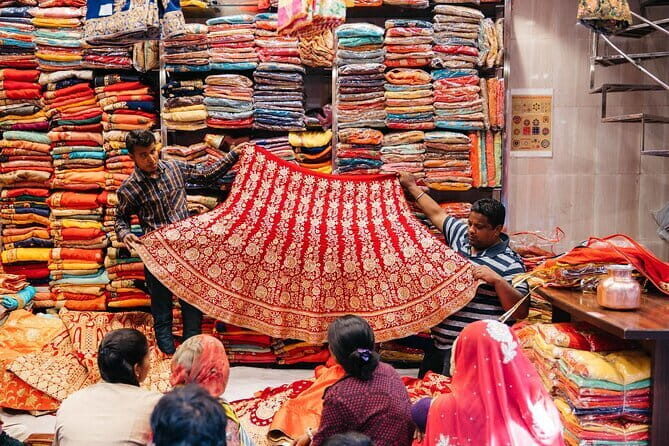
Sixteen dollars for roughly five hours can sound almost too cheap—until you look at what’s included: hotel pickup and drop-off, a private vehicle with a local driver, and time in real markets plus short artisan demo sessions. Also, bottled water is part of the deal, which is a small thing that matters in Jaipur heat.
The big value here is the balance. You get a guided day that covers heritage landmarks and also gives you shop time where the products make sense: textiles, jewelry, brass and pottery, marble decor, and blue pottery. If you’ve ever spent a day in a big city market without knowing where to go, you’ll appreciate why this route is helpful. The price is low enough that you can still budget for purchases without feeling like you already blew your day.
You can also read our reviews of more historical tours in Jaipur

How the day flows: from hotel pickup to Old City lanes
Expect a smooth start. You’ll be picked up from your hotel, then travel by car between stops—smart in Jaipur, where traffic and walking distances can quickly turn into an accidental marathon. Once you’re in the market zone, the pace shifts to short blocks of walking and browsing, usually around 30 minutes per stop.
A practical detail: monuments are viewed from the outside for several of the sights on this route. That doesn’t make it less meaningful. In a short, market-heavy day, the outside viewing keeps things moving and lets you spend your time where you’ll feel the city most—inside the bazaars and at the craft workshops.
Chandpole Bazaar: where Rajasthani goods are easy to spot
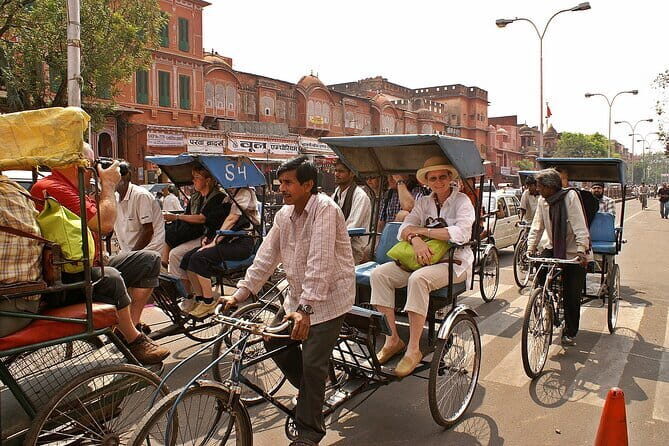
Your first major market stop is Chandpole Bazaar, known for its loud, colorful mix of traditional Rajasthani goods. This is the place to see the big categories quickly: textiles, jewelry, brassware, and pottery. The market layout makes it easy to compare styles and materials while you’re still fresh and not tired from the whole day.
I like Chandpole as a starting point because it teaches you Jaipur’s “shopping language” fast. You’ll notice how designs repeat across shops, how colors are used deliberately, and what kinds of products are commonly handmade. You also get a clear chance to decide what you’re actually interested in—jewelry, fabrics, or home decor—before you move on.
Khazane Walon ka Rasta: marble decor instead of the usual souvenirs
Next comes Khazane Walon ka Rasta, a lane historically known for intricate marble sculptures and marble décor items. If you’ve only seen marble as a distant museum material, this stop grounds it in real craft. You’ll see a range of sizes and designs, which helps if you’re trying to buy something realistic to pack.
This is one of those “slow down and look” moments. Marble goods can look similar from far away, but once you compare, you start seeing differences in carving style and detailing. It’s also a nice break from constant jewelry and fabric browsing—your eyes get variety, which makes shopping less repetitive.
Maniharo Ka Rasta: bangles and silver ornaments up close
Maniharo Ka Rasta focuses on jewelry shops, especially traditional bangles and silver ornaments. This stop is ideal if you want to understand Jaipur jewelry styles in context: what’s popular, what’s handcrafted-looking, and what catches attention in everyday wear—not just on display.
I’d treat this section like a mini education. Even if you don’t buy right away, you’ll learn what kinds of pieces people actually reach for. That makes later shopping smarter, because you’ll know what you like instead of getting pulled around by first impressions.
You can also read our reviews of more shopping tours in Jaipur






Isarlat (Tower): a victory memorial with city views
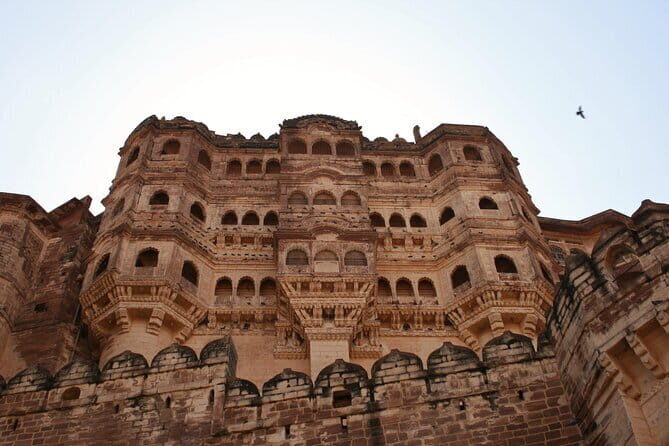
After the market lanes, you’ll pause at Isarlat (Tower), an 18th-century victory memorial built by Maharaja Jai Singh II. The main payoff here is the views—a good photography stop if you want a breather from shops and a chance to see Jaipur from a different angle.
One note: the admission for this stop is listed as not included, so plan for the possibility of a separate ticket if you want access. Even without going inside anything extra, a tower stop helps break the day into “shop blocks” and “sight blocks,” which keeps the experience from feeling like a long shopping errand.
Tripolia Bazar and royal tomb architecture
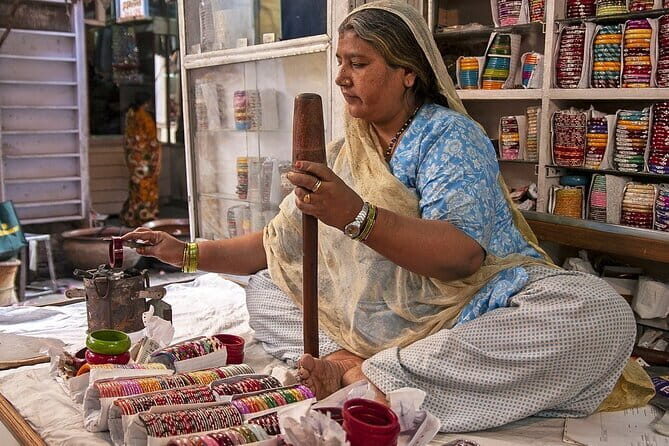
Tripolia Bazar (near the Tripolia Gate) brings you to Tripolia Mazar, known as the final resting place of royal family members. The key thing here is the architecture: intricate carving and a sense of ceremony that you don’t get in the bazaars.
This is the kind of stop that rewards slower looking. In just 30 minutes, you can catch the overall layout and then focus on one detail: carving patterns, proportions, or how the structure sits in its neighborhood. It’s a reminder that Jaipur’s craft tradition isn’t only about what you can buy—it’s also about how the city remembers its rulers.
Albert Hall Museum: the famous building, and why the exterior matters

You’ll also stop at Albert Hall Museum, built in 1876 and famous for its Indo-Saracenic architecture. It was originally designed as a concert hall and now houses collections that include art, artifacts, sculptures, textiles, and coins.
Even though this day emphasizes market time, Albert Hall is still worth the pause. The building’s façade has a strong presence, and a quick exterior viewing gives you a sense of Jaipur’s larger identity—where royal aesthetics meet British-era design influence.
Admission for this museum is not included, so if you want to go in for the full collections, you’ll need to plan separately. If you prefer a lighter schedule, you can still enjoy the stop for its architectural impact.
Johri Bazaar and Hawa Mahal: shopping meets Jaipur’s most recognizable façade
Then you return to the market rhythm at Johri Bazaar. This is known for Rajasthani handicrafts such as textiles, jewelry, pottery, spices, and leather goods. You’ll likely see standout items like bandhni (tie-dye style), block prints, and silver jewelry.
If you love fabrics, Johri Bazaar is where you’ll start seeing the bigger “pattern story.” Colors and print types feel more intentional here, and the options can be easier to compare once you’ve already visited Chandpole. It also helps that the day has been teaching you categories step by step.
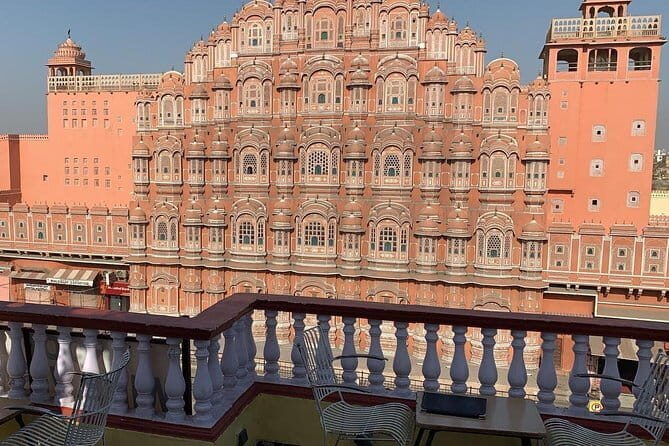
After Johri, you’ll hit Hawa Mahal, the Palace of Winds, built in 1799 by Maharaja Sawai Pratap Singh. The iconic feature is the honeycomb-like façade with 953 small windows, designed so royal women could observe street life discreetly.
This stop is pure payoff for photos and people-watching energy. It also works as a mental reset: you’re back to open-view angles, and suddenly the city feels larger than the narrow lanes.
Jaipur Blue Pottery Art Centre: your short demo with real craft detail
At the Jaipur Blue Pottery Art Centre, you get a 10–15 minute demo class focused on the craft behind that famous blue look. This is one of my favorite parts of the route because it’s not only shopping—you’re seeing how the work is done.
Blue pottery relies on patterning and repeated technique. In a short demo, you won’t become a master potter, but you will understand why finished pieces look the way they do: the rhythm of decoration, the attention to design, and the skills required to keep lines and color consistent. That knowledge usually makes buying much more satisfying, because you can recognize quality and effort rather than only judging by appearance.
Satguru’s the Textile World: block printing and carpet-making with women artisans
Next up is Satguru’s the Textile World, a textile stop where you can watch women and artisans working on carpets and rugs, plus learn the process of block printing. The way this is described matters: you’re not just passing by a shop front. You’re seeing the craft at work.
Block printing is the key moment. You’ll be able to observe how intricate patterns are made by hand on fabric. Even if you only have a short look, it helps you appreciate the labor behind textiles that otherwise look “quick” when you see them on a shelf.
This stop is also tied to a meaningful angle in the tour concept: supporting women’s craftsmanship and empowerment through traditional crafts. I like that the day doesn’t treat handmade work like a marketing prop—it gives you a closer look at how the process creates both livelihood and identity.
What to buy (and what not to rush) in these bazaars
Because this tour spends most of its time in markets, shopping is naturally part of the experience. Still, I’d approach it in a calm way so you don’t feel pressured.
Here’s a simple strategy that fits this route:
- Pick a category early (textiles, jewelry, marble decor, pottery).
- Compare in the first two markets, then decide.
- Use the craft demo stops to learn what details matter before you buy.
Also, remember the schedule is tight—around five hours total. If you try to shop like you have all day, you’ll end up buying fast instead of buying well. This tour works best if you treat shopping as part of the cultural experience, not as a separate task.
Who this Jaipur tour suits best
This is a great fit if you want:
- An easy, guided market route through Jaipur’s old lanes
- Short hands-on craft demos (10–15 minutes) without a long museum day
- A mix of heritage stops and practical shopping time
- A driver who can keep things safe and comfortable in busy areas (the name Mr Rauf Khan comes up often in past experiences)
You might want a different type of tour if:
- You want mostly museum time inside ticketed spaces
- Your shopping mission is mainly food items like spices and tea (this day is more about crafts and handmade goods)
- You prefer long, uninterrupted sightseeing blocks rather than multiple short stops
Should you book this Jaipur Heritage and Old Market Shopping Tour?
I’d book it if you’re looking for a smart “starter day” in Jaipur—heritage landmarks plus real-market shopping, with enough craft demos to make your purchases feel grounded. The $16 price makes it a low-risk way to learn what Jaipur craftsmanship actually looks like, from marble décor to blue pottery to block-printed textiles. And the fact that you get hotel pickup and a private vehicle means you won’t waste energy wrestling logistics.
If your idea of a Jaipur day is hours of major monuments inside, then this might feel too market-heavy. But if you want a day that helps you understand Jaipur while still having fun shopping, this one hits a nice sweet spot.
FAQ
How long is the Jaipur Heritage and Old Market Shopping Tour?
It runs for about 5 hours.
What does the tour cost?
The price is $16.
Do I get hotel pickup and drop-off?
Yes. Pickup and drop-off from your hotel are included.
Is the tour private?
Yes. It’s a private tour/activity, and only your group participates.
Are bottled water and a driver included?
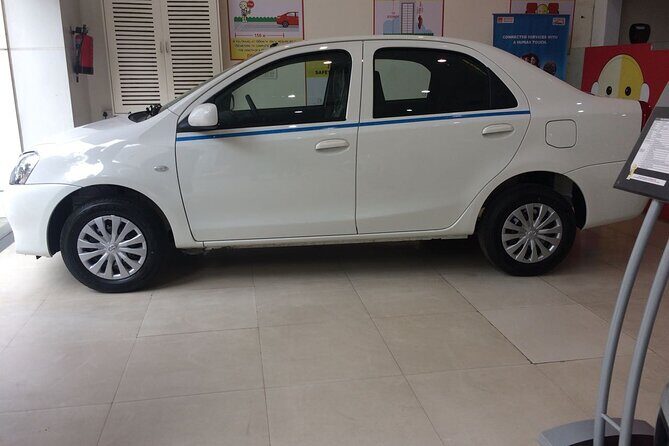
Yes. Bottled water is included, and you travel in a private vehicle with a friendly local expert driver.
What craft activities or demos are included?
You get short demo classes (about 10–15 minutes) connected to Jaipur crafts, including block printing, blue pottery, and jewelry making.
Are monument entry fees included?
Some stops are marked free, while others list admission tickets as not included, like Isarlat (Tower) and the Albert Hall Museum.
Is food included?
No. Food and drinks are not included.
Is free cancellation available?
Yes. Free cancellation is available up to 24 hours in advance for a full refund.