REVIEW · FOOD
Heritage Walk & Street Food Tasting in Jaipur
Book on GetYourGuide →Operated by Rajasthan Cultural Tours · Bookable on GetYourGuide
First time you do this, Jaipur feels personal fast. I love how this tour pairs street food tasting with a heritage walk that goes into the old lanes, plus the guide connects the dots between food, crafts, and the city’s layout. You’ll get a relaxed, small-group route led by English-speaking guides like Vivek or Raj, and that matters when you’re navigating maze-like streets. One thing to plan for: it’s a real walking tour, and it’s not set up for wheelchair users.
My favorite part is the way the guide keeps things local and transparent, letting you focus on eating and learning without awkward sales stops. Second, the food stops are built for variety—things like samosa, kachori, famous sweets, and masala chai—so even cautious eaters usually leave very full. Still, if you have a sensitive stomach or you’re very cautious with spice, tell your guide your limits early and pace yourself at the first couple of tastings.
In This Review
- Key points to know before you go
- Why Jaipur’s old lanes taste better with a guide
- Golcha Cinema meeting point to Chaura Rasta chai and street snacks
- Badi Chaupar: local tastes meet Jaipur’s geometric city design
- Tripolia Bazar and Choti Chaupar: temple, crafts, and the real Jaipur corners
- What you’ll eat: samosa, kachori, sweets, and chai (plus pacing advice)
- Price and group size: what about $21 buys you
- Logistics that matter: walking, shoes, weather, and what to bring
- Who should book this Jaipur walk (and who should skip it)
- FAQ
- Where does the Heritage Walk & Street Food Tasting tour start?
- How long is the tour?
- What’s included in the price?
- Is alcohol included?
- What food will I try?
- Is photography allowed?
- What should I bring?
- Can I cancel for a full refund?
- Is the tour wheelchair accessible?
- Should you book this Jaipur street food and heritage walk?
Key points to know before you go
- Small group of up to 10 keeps the walk easy to manage through tight lanes.
- Street food sampling includes classic Jaipur bites like samosa, kachori, sweets, and masala chai.
- Old-town routing off the main lanes helps you see daily life, not just postcard sights.
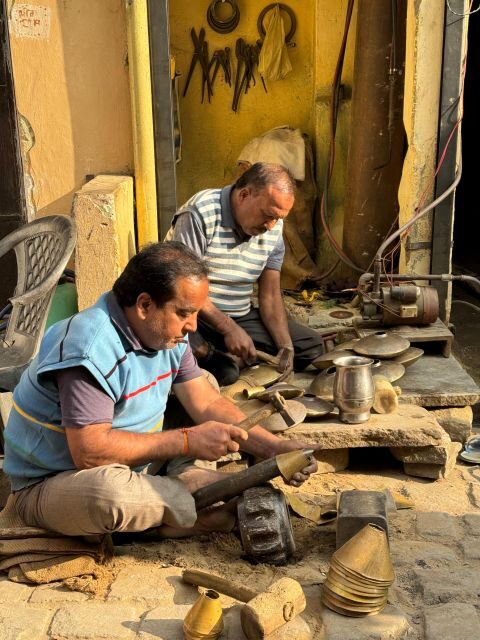
- Craft moments in the route can include bangle making (with sealing wax) and Thatheras (metal beaters).
- English live guide makes architecture, food, and temple etiquette easier to follow.
- Plenty of walking means comfortable shoes are non-negotiable.
Why Jaipur’s old lanes taste better with a guide
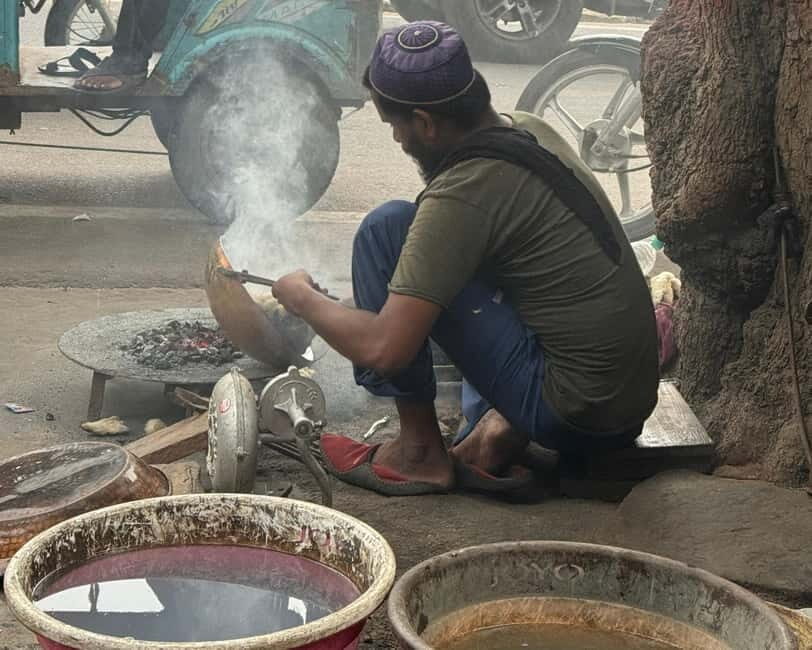
Jaipur can look straightforward on a map, then surprise you in real life—old neighborhoods twist into tight lanes and sudden turns. This tour is designed for exactly that. In a small group, you move at a human pace, and the guide helps you read the place as you walk instead of just passing through.
What I like most is the combination of heritage context and food focus. You’re not just chasing snacks; you learn why dishes are made the way they are, how markets grew around daily life, and how local crafts tie into the same neighborhoods. Guides in this program—often people like Vivek, Kumar, or Pushpendra—are known for being patient and willing to answer questions without rushing.
There’s also a practical side: you’re guided to food counters and tea stops you’d be unlikely to spot alone, and you’re in control of what you choose. That makes the experience feel safer and calmer, especially if you’re a first-timer in India and you want a local filter for what’s worth tasting.
You can also read our reviews of more walking tours in Jaipur



Golcha Cinema meeting point to Chaura Rasta chai and street snacks
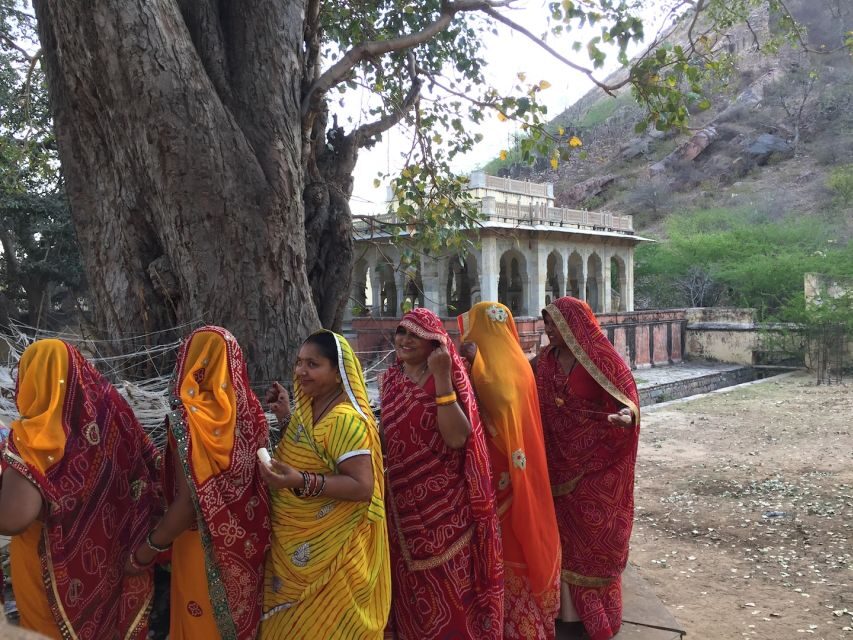
You start at the entry gate of Golcha Cinema, which is easy enough to reach with a short local ride or a taxi drop nearby. From there, the first stretch sets the tone: this is about comfortable walking and quick introductions, not museum marching.
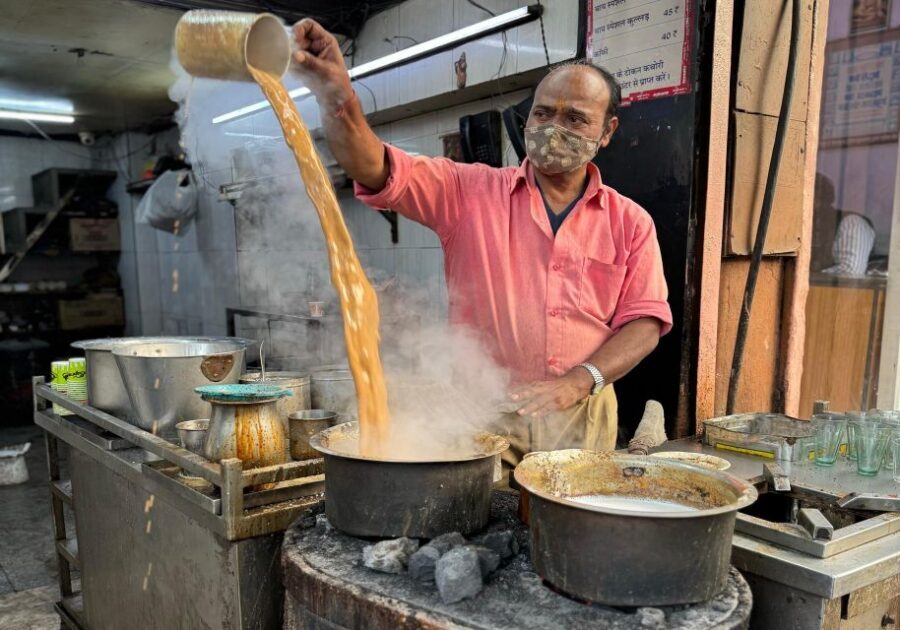
At Chaura Rasta, the tour runs for about 45 minutes and usually includes tea and early street-food sampling plus guided storytelling as you walk. This is the place to loosen up. You’ll get a feel for the market rhythm—where people line up, how vendors package snacks, and how chai fits into the flow of the bazaar day.
If you’re a picky eater or worried about spice, this first stop is your chance to set the pace. Ask the guide what’s mild and what’s more intense. I also like the “warm-up” strategy here: chai first gets you oriented, then the guided tastings build from there instead of hitting you with a full plate right away.
A small heads-up: you’ll be walking and standing around food counters. Comfortable shoes help you enjoy this part instead of counting minutes.
Badi Chaupar: local tastes meet Jaipur’s geometric city design
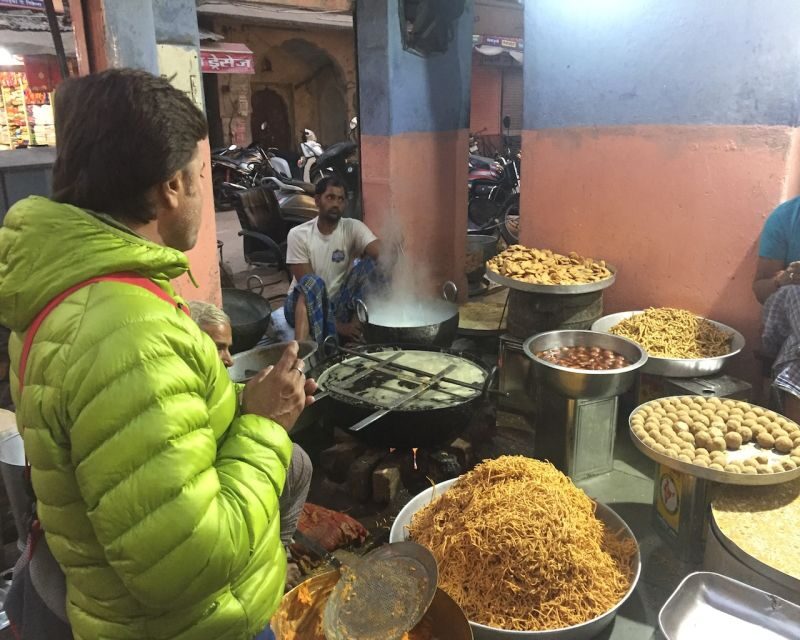
Next comes Badi Chaupar for another 45 minutes, and this is where the walk shifts from market energy to deeper city structure. You’ll do more tasting during this stretch, but you’ll also slow down for history and architecture you can actually see with your own eyes.
Jaipur has a layout that’s famously planned, not accidental. Along the route near these central points, you’ll learn how entry gates and street patterns relate to royal-era priorities and everyday movement. Even if you don’t care about architecture homework, you’ll feel the logic of the city more than you would wandering alone.
Food-wise, think of this stop as your “second gear.” If the early snacks at Chaura Rasta feel approachable, you’ll likely be ready to try more here—often including additional regional snacks and more chances to compare textures and flavors across vendors.
One practical tip: bring your appetite, but don’t go too hungry from breakfast. Reviews show lots of people eat everything on the tour, including those who were worried beforehand. Still, if you’re the kind of person who hates surprises, tell your guide your limits before you start—your choices matter.
Tripolia Bazar and Choti Chaupar: temple, crafts, and the real Jaipur corners
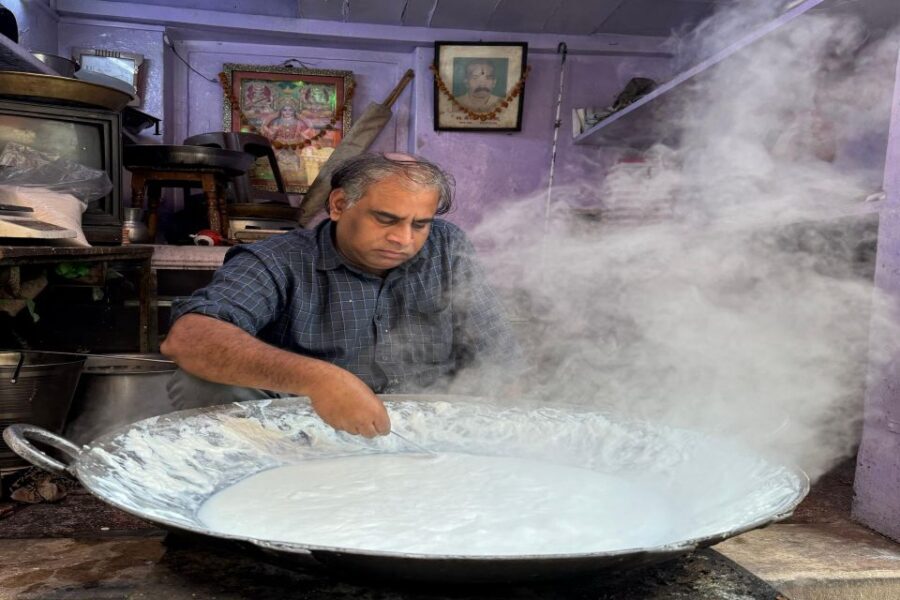
After Badi Chaupar, you move toward Tripolia Bazar (about 45 minutes). This segment is about getting further into Jaipur’s older commercial streets—where life happens in the small details. You’ll pass more guided cultural sights while keeping the food rhythm going.
Then comes Choti Chaupar for another 45 minutes, and this is where the tour often delivers its most memorable “wow, how would I find this?” moments. Along this portion, the route is set up to include experiences like:
- Watching a community of metal beaters known as Thatheras
- Visiting a Hindu temple
- Seeing a community well
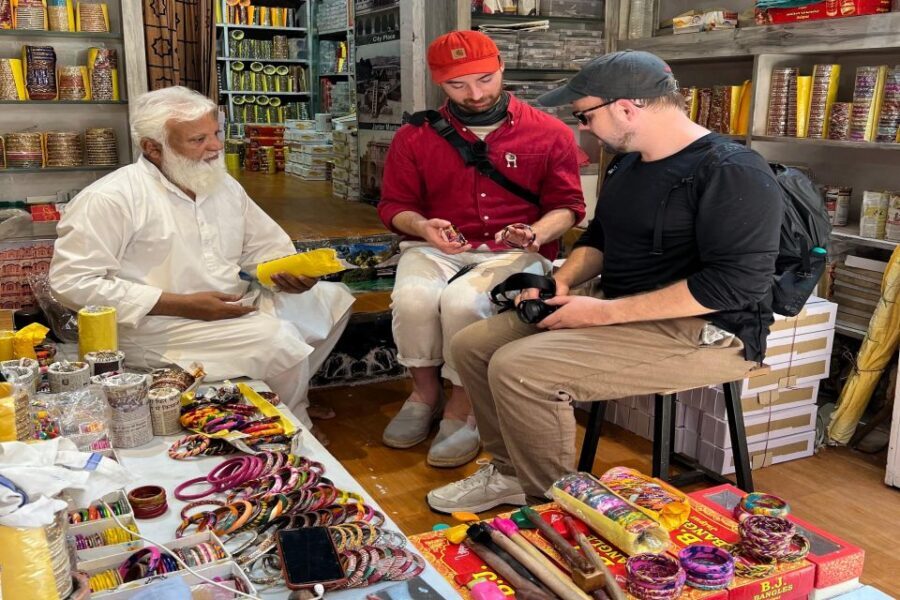
- Observing bangle making (including the sealing-wax step)
These aren’t random detours. They connect you to the city’s everyday craftsmanship and religious rhythm, and they explain why certain neighborhoods feel the way they do. Even if you’re mostly there for food, these craft and cultural pauses make the snacks feel grounded in place.
Temple etiquette matters here. If you’re taking photos, avoid flash inside temples. Also dress modestly when you enter—your guide will help you navigate what’s expected without turning it into a lecture.
What you’ll eat: samosa, kachori, sweets, and chai (plus pacing advice)
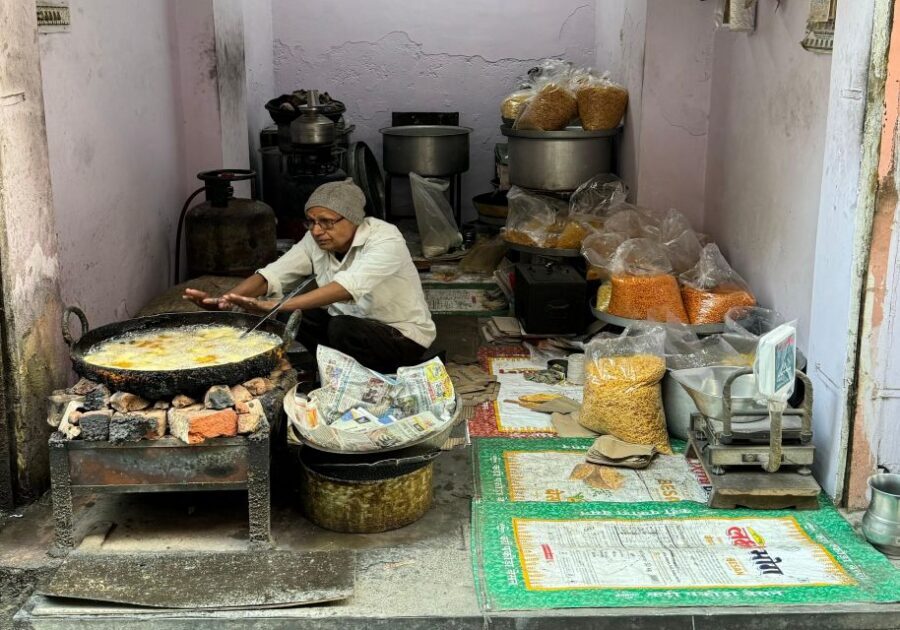
The food list for this tour is built around classics people actually eat in Jaipur. Expect tastings that typically include samosa, kachori, famous sweets, and masala chai, along with additional local snacks at different stops.
Here’s the honest value of that plan: you’re not trying to cover every famous dish in Rajasthan. You’re sampling a curated set that fits the route and time, and the guide explains what to look for and what makes each vendor’s version slightly different.
If you’re worried about spice, you’re not alone. Some visitors with low spice tolerance or sensitive digestion have still eaten everything successfully—mostly because the guide tailors choices and encourages pacing. That means you can take a smaller bite, try one item first, and adjust before committing to the next.
And sugar timing is real. One attendee noted that sweets can hit hard if you eat them too late. If you’re sensitive to sugar or you already feel full, tell your guide and consider sampling sweets earlier or taking smaller portions so the savory flavors don’t get crowded out.
Bottom line: come ready to taste. You’ll likely leave comfortably full—so plan to skip a big sit-down meal right after.
You can also read our reviews of more food & drink experiences in Jaipur






Price and group size: what about $21 buys you
At around $21 per person for roughly 3 hours, you’re paying for more than food. You’re paying for:
- A guided, English-speaking interpretation of the city
- Access to lanes, markets, temples, and craft spots you’d struggle to find alone
- Multiple food tastings plus bottled water
- A small group structure (up to 10) that keeps the experience calm
If you tried to copy this on your own, you’d spend time figuring out where to eat, which vendors to trust, and what to do inside temple spaces. Even if you’re comfortable navigating on your own, the guide’s connections and pacing usually save you frustration.
Also, this tour includes no alcohol, which can be a plus if you want to stay sharp during a walk-heavy morning or early evening. The tastings are the center stage, not drinks.
Logistics that matter: walking, shoes, weather, and what to bring
This is a walking tour, so your comfort drives the whole experience. Wear comfortable shoes and comfortable clothes, and bring your passport or ID card as requested. You’ll also want a water bottle—one is included, but it’s smart to keep sipping as you go.
Weather can change fast in Rajasthan. If it’s sunny, bring sunscreen and a hat. If it’s hotter than expected, slow down at the first tea stop and use it as a reset before continuing.
Photography is allowed, but respect the temple rule: avoid flash inside temples. And dress modestly for temple visits. Your guide will help you stay on the right side of local customs without making it stressful.
One more consideration: it’s not suitable for wheelchair users. If mobility is an issue, look for a different format or ask the operator what alternatives they can offer.
Who should book this Jaipur walk (and who should skip it)
This tour is ideal if you want Jaipur in a way that goes beyond monuments. I’d book it if you like street food, you enjoy culture explained in plain language, and you want a route that gets you into older neighborhoods rather than only the main sights.
It’s also a good first-day activity. Starting early gives you a sense of how the city moves—markets, courtyards, and crafts—so later sightseeing feels easier. Several people have even extended their time with the guide to see more of Jaipur after the walking portion ends.
You might skip it if you hate walking for three hours. You also might think twice if you’re extremely sensitive to any new foods and you don’t want to adapt your choices as you go—though you can tell your guide your limits, you’ll still be offered tastings along the route.
FAQ
Where does the Heritage Walk & Street Food Tasting tour start?
You meet at the entry gate of Golcha Cinema.
How long is the tour?
The tour lasts about 3 hours.
What’s included in the price?
Street food tastings (including samosa, kachori, famous sweets, masala chai, and more), a bottle of water, a live English guide, and the heritage walking tour.
Is alcohol included?
No, alcoholic drinks are not included.
What food will I try?
You’ll taste items such as samosa, kachori, famous sweets, masala chai, plus additional local snacks from shops and street vendors.
Is photography allowed?
Photography is allowed, but you should avoid flash photography inside temples.
What should I bring?
Bring a passport or ID card, comfortable shoes and clothes, personal medication, and a water bottle. Sunscreen and a hat are also recommended for weather.
Can I cancel for a full refund?
Yes. You can cancel up to 24 hours in advance for a full refund.
Is the tour wheelchair accessible?
No. It is not suitable for wheelchair users.
Should you book this Jaipur street food and heritage walk?
Yes, if your goal is to eat well and understand Jaipur while you walk. For about $21, you’re getting guided access to old-market streets, craft moments like Thatheras and bangle making, and a food route that’s built to keep you trying multiple flavors without turning it into a challenge.
If you’re the type who wants a quiet, seated experience with zero walking, skip it. But if you’re happy to wear good shoes, take your time at the tea stops, and let the guide steer you around temples and tight lanes, this is one of the best ways to feel Jaipur as a living city—one snack at a time.