REVIEW · CITY TOURS
Pink City Walking Tour With Us ( A Haritage Walk in Jaipur)
Book on GetYourGuide →Operated by Elephant With Jaipur | Jaipur Walking Tour · Bookable on GetYourGuide
Jaipur by foot feels personal. This 3-hour walk from Hawa Mahal to old-city lanes turns big monuments into human-scale stories about Rajput and Mughal Jaipur, led by local guide Mudassir. You’ll also get time for photo stops, market wandering, and religion-and-everyday-life context that makes the places feel real.
I love the street-level focus on local markets like the vegetable and flower areas, not just postcard sights. I also like that chai and coffee are part of the rhythm, so you’re not boiling on an empty stomach.
The main thing to consider is the heat. The route is mostly walking and outdoor, so sun protection matters.
In This Review
- Key highlights you’ll feel fast
- Hawa Mahal to City Palace: starting with the right kind of energy
- Rajput and Mughal architecture, explained in plain street language
- Govind Dev Ji Temple and the Krishna ceremony spotlight
- Sabji Mandi Janta Market: watching daily life happen
- Phool Mandi: the flower market stop that explains more than flowers
- Jantar Mantar with coffee or tea: astronomy that feels human
- Tripolia Bazar: the long bazaar walk that gives the old city texture
- Included for $12: why the value works (and where costs may pop up)
- Meeting point and timing: how to avoid the start-line stress
- What to bring (and what not to bring) for a smooth walk
- English or Spanish, plus a guide who answers questions
- Who should book this heritage walk
- Should you book Pink City Walking Tour With Us?
- FAQ
- How long is the Jaipur walking tour?
- How much does the tour cost?
- Where is the meeting point near Hawa Mahal?
- What sights are included during the walk?
- Is there a ticket line to deal with?
- What is included in the price?
- What should I bring, and what’s not allowed?
Key highlights you’ll feel fast
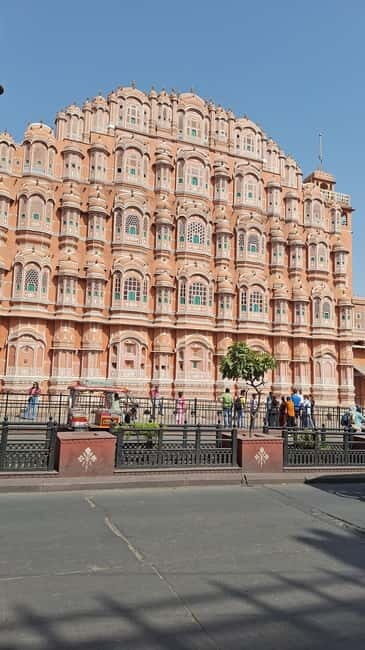
- Hawa Mahal start with an easy photo moment: you begin right where the Pink City vibe is strongest.
- City Palace and temple context: the “what you see” comes with clear architecture and culture explanations.
- Govind Dev Ji Temple stop tied to Krishna ceremony: you’ll learn the religious side, not just the stonework.
- Sabji mandi and Phool mandi markets: everyday buying habits show how Jaipur actually runs.
- Jantar Mantar break with chai or coffee: a calmer pause in between busy lanes.
- Tripolia Bazar for old-city shopping life: long enough to feel the place, not just pass through.
Hawa Mahal to City Palace: starting with the right kind of energy
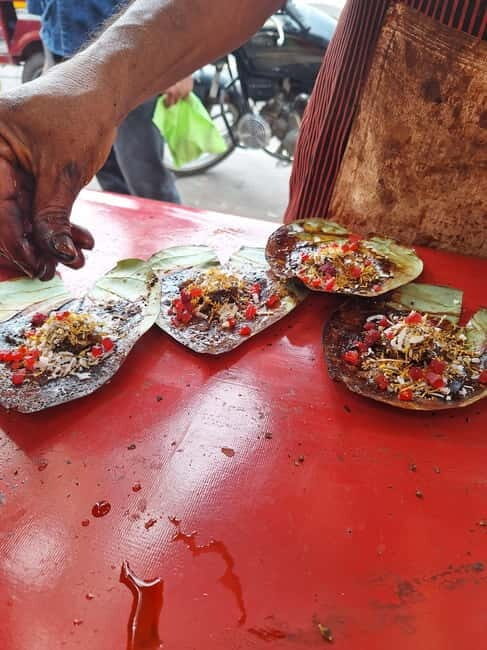
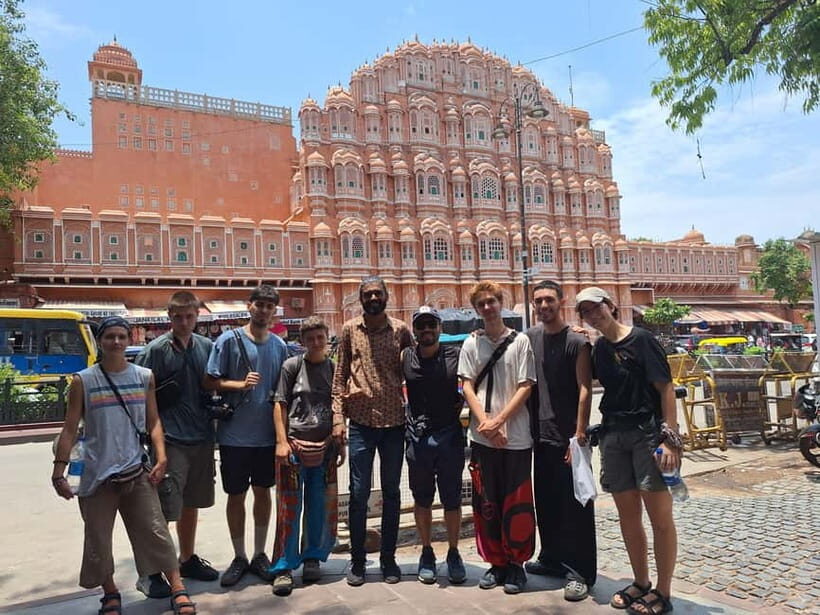
You meet in front of Hawa Mahal and you’ll spot Mudassir by looking for a tall guide with a ponytail, near the Tattoo Cafe side. It’s a simple, practical meet-up point, and it gets you into the walking mindset right away.
The first segment is built for orientation. You get a photo stop and guided talk at Hawa Mahal, which matters because it’s easy to see the façade and miss what it’s doing here. Mudassir frames it with context—where this style fits into Jaipur’s bigger architectural story—and then you’re off into the old-city streets.
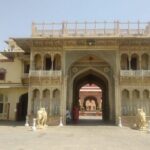
Next comes City Palace, Jaipur. You’re not just ticking a box. You’ll look at it, pause, and get stories that connect the palace to the city’s ruling cultures and the blend of Rajput and Mughal influences. It helps you notice details faster, even if you’re only seeing parts from the outside.
You can also read our reviews of more walking tours in Jaipur


Rajput and Mughal architecture, explained in plain street language
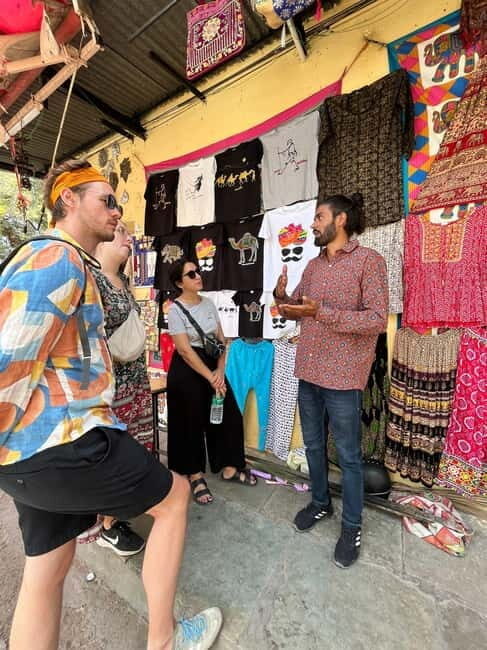
Jaipur’s architecture can feel like a puzzle when you’re on your own. On this walk, the guide keeps tying visible details to practical explanations—how royal styles, Mughal influences, and local traditions show up in the buildings and the layout.
That approach is one of the tour’s biggest strengths: you get a guided way to “read” the city. Instead of memorizing facts, you learn what to look for—materials, shapes, and the logic behind how spaces are used.
And because you’re moving on foot, the architecture explanations stick. You’re not stuck in one viewpoint. You see how the city’s layout shapes what you notice next.
Govind Dev Ji Temple and the Krishna ceremony spotlight
The walk includes a stop at Govind Dev Ji Temple, which is a strong change of pace from palaces and photo stops. A temple visit in Jaipur isn’t just about architecture—it’s about living religion.
Here’s where the tour’s Krishna ceremony element comes into play. Mudassir highlights this as one of the key moments to explore, so you’re not walking past worship as background noise. You’ll get the meaning and the cultural context that helps you understand what people are doing and why the space matters.
Practical note: temple stops can require you to dress appropriately. The tour asks for long pants and a scarf—and it’s also just respectful to keep shoulders and legs covered during your time there.
Sabji Mandi Janta Market: watching daily life happen
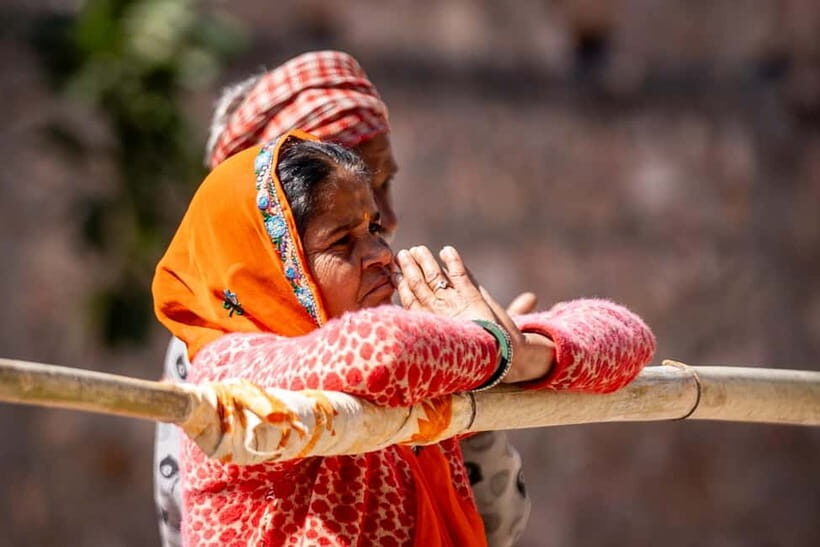
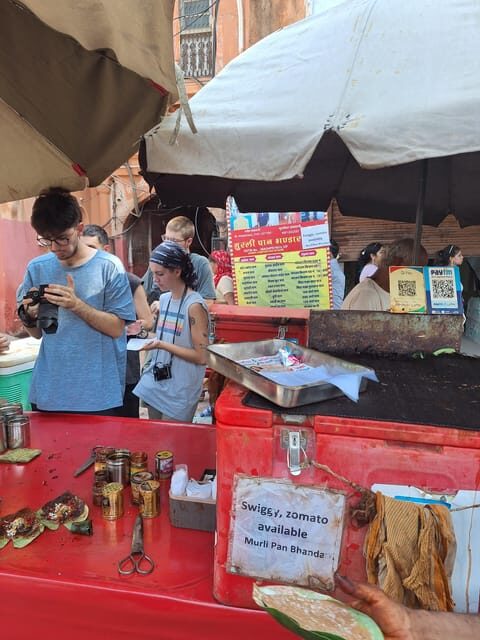
After temples, you shift into the real engine of the city: Sabji mandi janta market. This is where Jaipur stops being a set of monuments and becomes people buying, selling, and living.
The value here is that markets teach you faster than museums. You learn how local routines connect to culture—what people prioritize, how commerce works up close, and why certain areas matter beyond tourism.
This section is also a great place to ask questions, because Mudassir’s style is discussion-friendly. You can cover history, yes, but you can also talk about modern life—how traditions and religion show up in everyday decisions.
Heat and crowds can be part of the deal in market streets. If you’re sensitive to sun or crowds, take short breaks when your guide gives them, sip water, and keep your eyes on your route.
Phool Mandi: the flower market stop that explains more than flowers
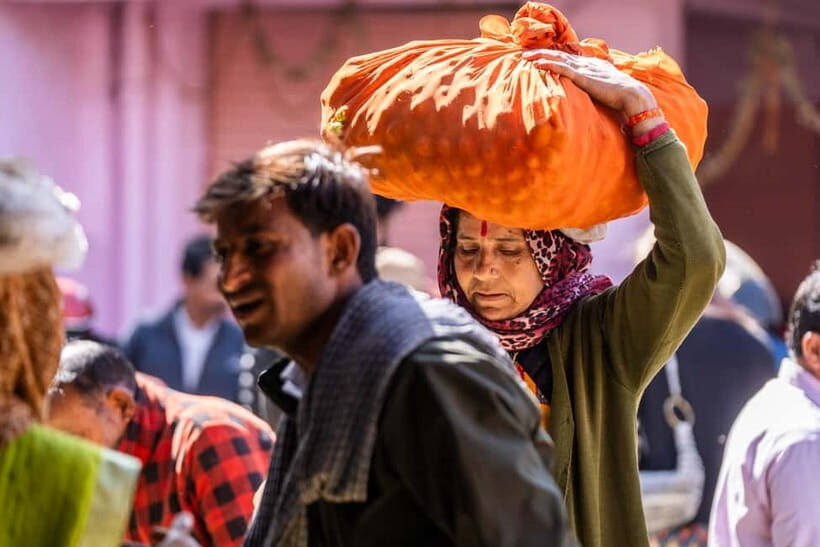
Next is Phool mandi, the flower market area. It’s short enough that it doesn’t feel like you’re stuck in one spot, but it’s long enough to absorb the point: flowers here connect to worship, celebrations, and the rhythm of the city.
A market like this often looks like “just shopping” until someone explains what it links to. Mudassir’s focus on local culture and religion helps you connect the visual details—types of offerings, how people treat the process, and what’s expected—without turning it into a lecture.
If you’re the kind of traveler who likes to understand how things work, this stop is a win. If you only want grand monuments, you might still appreciate it because it grounds the rest of the walk.
You can also read our reviews of more city tours in Jaipur
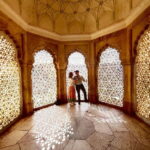




Jantar Mantar with coffee or tea: astronomy that feels human
Jantar Mantar, Jaipur is the scientific wildcard in many Jaipur itineraries. Here, it’s treated as more than a photo stop. You’ll get a guided tour and time to see it, then a pause with coffee or tea—a small thing that makes a big difference once the sun is high.
The observatory can look technical, so having a guide explain what you’re looking at makes it way more memorable. Even if you don’t remember every measurement, you’ll understand why the instruments were designed the way they were and what problem they solved.
This stop also functions as a pacing tool. Markets can be intense; palaces can be stiff. Jantar Mantar gives you a calmer moment to breathe and re-focus before the final bazaar stretch.
Tripolia Bazar: the long bazaar walk that gives the old city texture
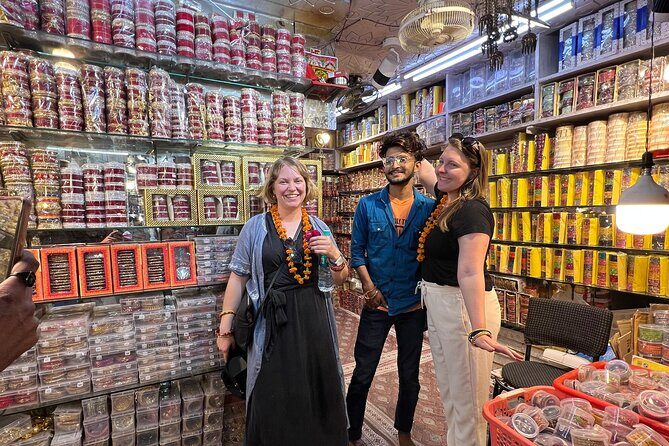
The walk finishes at Tripolia Bazar, with plenty of time to wander and absorb the feel of old-city shopping life. This is where you notice how the lanes connect—where people move, how goods flow, and how daily life fits around big monuments.
Mudassir also connects shopping culture to broader themes like weddings and community traditions. Even if you’re not shopping yourself, you’re learning how people mark important life events and why certain markets exist in the first place.
Your guide keeps it practical too. You’ll hear do’s and don’ts in Jaipur, plus recommendations for what and where to eat or drink. That matters because Jaipur has plenty of places to stop, and it’s easy to waste time hunting around when you’re hot and tired.
You wrap back at Hawa Mahal, finishing where the whole Pink City vibe started.
Included for $12: why the value works (and where costs may pop up)
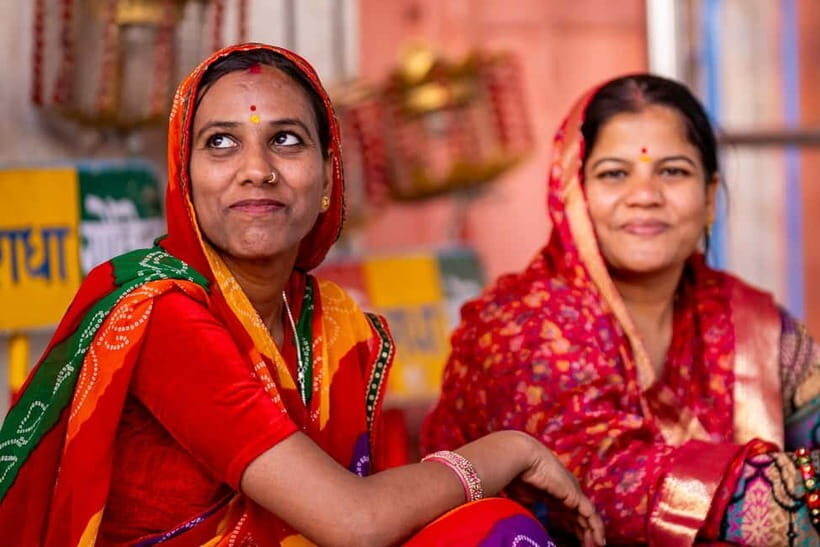
This is a $12 per person walking tour for about 3 hours, and the “value” isn’t just the price tag—it’s what’s built into the experience.
You get:
- Chai, coffee, and water
- A live guide (English and Spanish)
- Time for key outside sights in the city center
- A guide fee included in the pricing
- Time-saving help like skipping the ticket line (where applicable)
What’s not included is personal spending. And in a walking tour that passes through markets and food areas, personal spending is often the part that creeps up—snacks beyond chai, souvenirs, or a drink stop.
One extra tip from the overall vibe of the experience: the guide has a strong food-and-drink sense. Even with chai and coffee provided, I found the recommendations can lead you to a great lassi stop if you want something cool and local.
Meeting point and timing: how to avoid the start-line stress
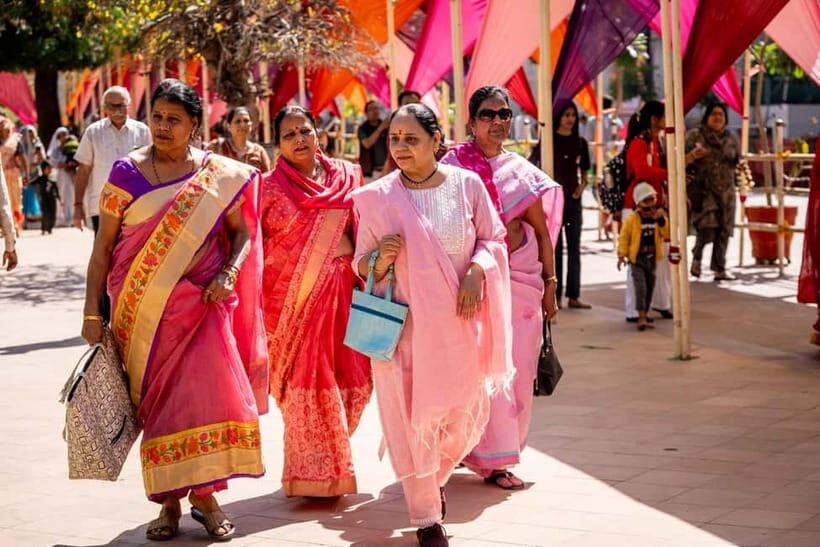
The tour is designed to start cleanly: you meet in front of Hawa Mahal, looking for the tall guide with a ponytail near the Tattoo Cafe side. If you arrive a little early, you’ll have time to spot the right person and get settled before you start walking.
Because the duration is about 3 hours, you’ll feel the clock, especially in peak heat. If you can choose your departure time, earlier is usually smarter. Even the guide’s calm style doesn’t erase the sun.
What to bring (and what not to bring) for a smooth walk
Do yourself a favor and pack like you’re going outside for a while—because you are.
Bring:
- Comfortable shoes (walking time is real)
- Sun hat
- Long pants
- Scarf (helpful for temples and general respect)
Not allowed includes:
- Pets
- Alcohol and drugs
- Bikes, scooters, speakers
- (So leave the party gear at the hotel)
English or Spanish, plus a guide who answers questions
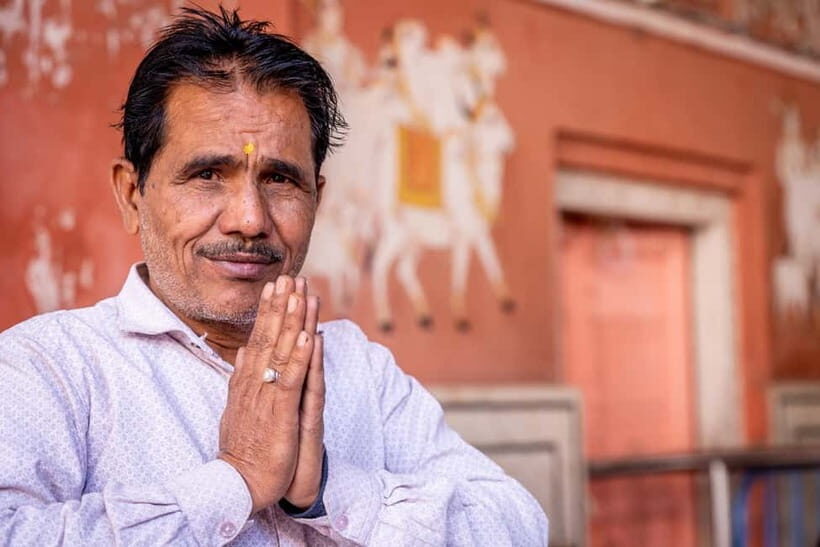
Mudassir is a local guide from Jaipur, and the tour’s style is question-friendly. You can talk history, architecture, and religion—but you can also ask practical questions about markets, marriage customs, and food culture.
In my experience, the best part is how the explanations connect. You’ll go from a monument to a temple to a marketplace and still feel like it’s one story, not random stops.
Also, the tour runs in English and Spanish, and the guide’s communication is a major reason people leave feeling like they actually understood what they saw.
Who should book this heritage walk
This tour is a good fit if you:
- Want Old Jaipur on foot without feeling lost
- Like cultural context—history, architecture, and religion—explained in everyday language
- Enjoy markets and daily life, not just palace photos
- Prefer a small, guided route with time to ask questions
It may be less ideal if you hate walking in the sun or want strictly “inside-only” sightseeing. This walk is mainly about the city center on the streets, with outdoor viewing and guided interpretation.
Should you book Pink City Walking Tour With Us?
If you’re trying to choose between a generic monument circuit and a guide-led walk that helps you understand Jaipur, I’d book this. The chai, coffee, and water support you during the walk, and the focus on markets plus architecture plus temple culture makes the 3 hours feel like more than just movement.
Book it if you want a local perspective from someone like Mudassir—someone who can connect what you see to what it means. Skip it only if your priority is quiet, minimal walking, or if you’re not comfortable with long outdoor time in hot weather.
FAQ
How long is the Jaipur walking tour?
The tour lasts 3 hours.
How much does the tour cost?
It costs $12 per person.
Where is the meeting point near Hawa Mahal?
Meet in front of Hawa Mahal. Look for a tall person with a ponytail just down side of the Tattoo Cafe.
What sights are included during the walk?
You’ll cover major stops around the city center such as Hawa Mahal, City Palace, Govind Dev Ji Temple, Sabji mandi janta market, Phool mandi, Jantar Mantar, and Tripolia Bazar.
Is there a ticket line to deal with?
The tour includes skipping the ticket line.
What is included in the price?
Included items are chai, coffee, water, the guide fee, and exploring key attractions from the outside in the city center.
What should I bring, and what’s not allowed?
Bring comfortable shoes, a sun hat, long pants, and a scarf. Pets, alcohol and drugs, bikes, scooters, and speakers are not allowed.