
REVIEW · HERITAGE WALKING TOURS
Magical Walk of Jaipur
Book on Viator →Operated by Contes Asia · Bookable on Viator
Jaipur on foot feels surprisingly easy. This small-group walking tour helps you move between major sights like Hawa Mahal and the City Palace area without getting stuck in traffic or lost in tight lanes. I like the personal guide time for asking questions on culture and daily life, and I also like that the route targets the big architectural names in about 3 hours. One catch to consider: monument entrances are not included, so what you pay at the sites will add up.
You start at 47, Choudhary house, Badi Chaupar, Jaipur at 9:00 am, and the tour ends back at the same meeting point. It runs for about 3 hours, keeps the group to a maximum of 19 people, and uses a mobile ticket, which is handy when you’re juggling heat, phones, and bags.
The best part is the orientation you get fast. Instead of just wandering, you get a guide who ties buildings to religion, social customs, and the city’s layout, so the landmarks make more sense as you walk.
In This Review
- Key Things to Know Before You Walk
- Why This Jaipur Walk Works: Major Sights Without the Traffic Headache
- Starting at Badi Chaupar at 9:00 am (and Finishing Back Where You Began)
- Hawa Mahal: Learning the Palace of the Winds From the Outside In
- City Palace: Where Royal Power Meets Everyday Craft
- Jantar Mantar: Timekeeping Made Understandable
- Beyond the Big Names: Historic Lanes and the City’s Everyday Feel
- Guide Impact: Mudassir and Hasseb Set the Tone
- Walking Comfort: What You Should Be Ready For
- Price and Value: $10 Plus Entrance Fees That You Can Control
- Practical Tips That Make the Walk Smoother
- Should You Book Magical Walk of Jaipur?
- FAQ
- FAQ
- How long is the Magical Walk of Jaipur?
- What is the meeting point for the tour?
- What time does the tour start?
- What is included in the price?
- Are monument entrances included?
- Is this a small-group tour?
- Is there mobile ticketing?
- What is the cancellation policy?
Key Things to Know Before You Walk

- Small group size (max 19) keeps the pace manageable and the guide easier to ask questions of
- Major Jaipur landmarks are built into the route, including Hawa Mahal, City Palace, and Jantar Mantar
- 3 hours on foot is long enough to learn the city, but short enough to fit in a busy Jaipur schedule
- Guide is included, entrances are not so budget for site tickets if you plan to go inside
- Central meeting point at Badi Chaupar makes it easier to plug into your day without long transfers
Why This Jaipur Walk Works: Major Sights Without the Traffic Headache
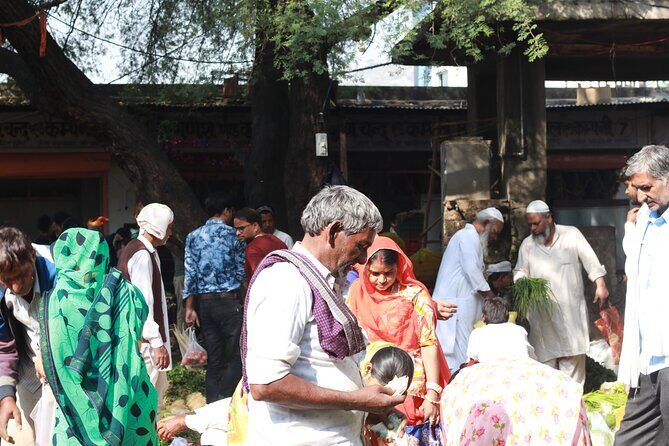
Jaipur is the kind of city where “just walk around” can turn into “why are we still stuck?” and “where is that gate?” fast. This tour is designed to cut through that. You’re not trying to navigate a web of streets on your own. Instead, you follow a set route that hits the city’s well-known architecture and historic sites within a few concentrated hours.
The value here is not only the landmarks. It’s the way the walk gives you context while you’re still in motion. You’ll understand what you’re looking at—window systems, palace walls, and the purpose of instruments—rather than collecting random photos.
I also appreciate the group format. With a max of 19 travelers, you’re not stuck in a parade. You can still ask questions and get real answers, which matters a lot when the city is new to you.
You can also read our reviews of more walking tours in Jaipur



Starting at Badi Chaupar at 9:00 am (and Finishing Back Where You Began)

Logistics can make or break a walking tour, especially in a city with busy streets. This one has a straightforward rhythm: it starts at 9:00 am at 47, Choudhary house, Badi Chaupar, and it ends back at the meeting point.
That “back where you started” detail is practical. It means you’re not stranded at a far-off entrance or forced to reorganize your whole afternoon. You can plan dinner, shopping, or a museum visit with less guesswork.
The location is also described as being near public transportation, which is useful if you’re combining this with other plans. And because you’re using a mobile ticket, you don’t need to hunt for paper once you’re out in the city.
If you’re the type who likes to get moving right away, this schedule fits. If you prefer late mornings, you might feel slightly rushed, since the tour begins at 9:00 am and runs about 3 hours.
Hawa Mahal: Learning the Palace of the Winds From the Outside In
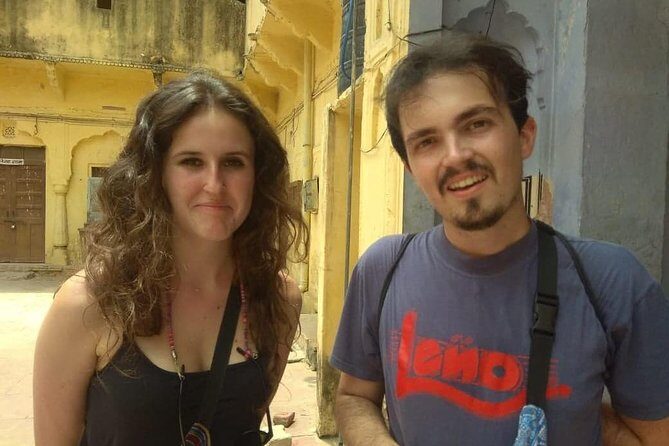
Hawa Mahal is the Jaipur landmark most people recognize instantly. Even if you’ve seen photos, it hits differently in person. The whole point of a walking tour is that you see it as part of a system, not just as a single famous facade.
On this route, you’ll get guided interpretation of what you’re looking at—why that famous front exists, what the palace design is meant to do, and how it ties into the city’s past. The guide’s job isn’t to recite dates. It’s to help you connect architecture with how people lived, watched, and interacted.
A key practical note: this tour does not include monument entrances. So while you can expect to see and learn about Hawa Mahal, whether you go inside (if interior access is available and included by the provider on that day) is up to the entrance fee at the site. If your priority is inside viewing, plan your budget accordingly.
City Palace: Where Royal Power Meets Everyday Craft
City Palace is more than a single building. It’s a palace complex tied to Jaipur’s identity, and it’s surrounded by the kind of streets where old and new overlap. A walking format helps because you’re not viewing it from far away or only through ticket-gate time.
With a guide leading the way, you’re more likely to notice details than you would on your own. You’ll also get stories that connect the palace to religion and social customs, rather than treating it like a standalone museum.
One thing I like about tours that include City Palace is that they give you a baseline. After you see the palace and hear what it represents, other parts of Jaipur click faster—especially the idea that architecture in this region is built to reflect status, ceremony, and community life.
Jantar Mantar: Timekeeping Made Understandable

Jantar Mantar is one of those sights that can feel confusing if you don’t know what you’re looking at. Walking tours work well here because you can pause, look, and ask questions right when something feels unclear.
On this tour, Jantar Mantar is part of the experience, and the guide is there to explain what the instruments are for and how they work in a way that makes sense in real time. That matters because these structures aren’t just decoration; they’re functional science and design, built into public space.
There’s also a group pacing reality to consider. One piece of feedback included a note that the time in the observatory section ran about 40 minutes, and the guide had to balance explanations with the needs of the group. That’s not a dealbreaker, but it’s a useful heads-up: if you’re the kind of person who wants only a quick look, group tours can feel slower.
If you want a more tailored pace, the provider response in the feedback suggested private touring as an option in cases like that. If you’re a fast walker with strong preferences, it’s worth asking whether private arrangements are possible.






Beyond the Big Names: Historic Lanes and the City’s Everyday Feel
The tour isn’t limited to the headline sights. The overview indicates you’ll visit Hawa Mahal, City Palace, Jantar Mantar, and more historic attractions. That matters because Jaipur isn’t only about monuments; it’s about how those monuments connect to surrounding streets.
Walking through the historic areas gives you small details you’d miss if you used only taxis or buses. You notice how people move through lanes, how buildings sit in relation to each other, and how the city’s layout shapes daily life.
This is also where the guide adds value. The stories aren’t random. In feedback, guides shared explanations touching on religion, caste, and weddings—big social threads that help you understand why certain spaces look the way they do.
If you like city texture—street rhythm, local explanations, and a bit of cultural context—this “more than monuments” portion is usually the part people remember.
Guide Impact: Mudassir and Hasseb Set the Tone

A walking tour lives or dies by the guide. The feedback for this experience highlights guides such as Mudassir and Hasseb, both praised for friendliness, strong English, and clear explanations.
In practical terms, that means you can ask follow-up questions without feeling like you’re disrupting the flow. One detailed comment praised a guide for answering questions about history, city culture, and people, with a conversational style that didn’t feel scripted.
I also like that the guide attention isn’t just one-way. The better tours make you feel like you’re in a conversation about what you’re seeing. When someone takes time to explain why a place matters, you stop treating Jaipur like a checklist and start treating it like a story you can follow on foot.
Walking Comfort: What You Should Be Ready For
You’re signing up for a walking tour, so you should plan for being on your feet for about 3 hours. That’s not an all-day trek, but it’s enough time that your shoes matter.
A few practical thoughts:
- Wear comfortable footwear with decent grip, especially if streets are uneven.
- Bring water and something small for quick breaks. Jaipur days can get warm, even when mornings start pleasantly.
- If you’re traveling with mobility limits, you should treat this as a walking-heavy experience. The tour is described as best suited to mobile travelers who enjoy walking.
The group size is capped at 19, which helps the pace, but it doesn’t turn the tour into an effortless stroll. You’re walking city blocks, pausing at sights, and listening while you’re moving.
Price and Value: $10 Plus Entrance Fees That You Can Control
At $10 per person, this is an intentionally low price for a guided walking format. What you’re paying for is the guide and the structure: getting from one major stop to the next, with explanation along the way.
The tour does not include entrance fees to monuments. That’s a key part of the math. If you’re the type who will enter all ticketed sites, your total day cost rises. If you mostly want the outside views and guided explanation, your spend stays closer to the base ticket price.
In other words, this pricing works best when you understand how you like to travel:
- If you want lots of interior access, budget extra for entry tickets.
- If you want orientation and landmark understanding, you can keep spending under control.
For many first-timers, that balance is exactly what makes the tour a good deal.
Practical Tips That Make the Walk Smoother
A few things will help you get more out of it, no matter which guide you meet:
- Arrive a few minutes early at Badi Chaupar so the group doesn’t have to wait.
- Keep your mobile ticket ready on your phone.
- Bring a question list in your head. If you’re interested in religion, weddings, or social customs, you’ll get more out of the explanations when you can steer the talk.
- If a site takes longer than you expected, remember it’s shared time. You’re not the only person on the tour, and pacing is part of the package.
The start and end points also make planning easier. You can treat this as a morning anchor and build the rest of your day around it.
Should You Book Magical Walk of Jaipur?
I’d book this if you want a smart first pass at Jaipur’s top architecture without handling the logistics alone. The combination of small-group walking, major stops like Hawa Mahal and Jantar Mantar, and guide-led explanations is a strong fit for anyone who likes culture as much as photos.
Skip it, or consider alternatives, if you’re only interested in deep time inside monuments and you don’t want to pay entrance fees on top. Since entrances aren’t included, you may end up spending more than you expect, depending on what’s open and what you choose to enter.
One more decision point: if you have a strong preference for a faster or slower pace at specific sites, group tours can feel like they’re pulled by the whole group. If that sounds like you, ask the provider about private options.
FAQ
FAQ
How long is the Magical Walk of Jaipur?
The tour lasts about 3 hours.
What is the meeting point for the tour?
The meeting point is 47, Choudhary house, Badi Chaupar, Jaipur, Rajasthan 302002, India.
What time does the tour start?
The start time is 9:00 am.
What is included in the price?
The guide is included.
Are monument entrances included?
No, entrances to the monuments are not included.
Is this a small-group tour?
Yes. The maximum group size is 19 travelers.
Is there mobile ticketing?
Yes, it uses a mobile ticket.
What is the cancellation policy?
You can cancel for free. If you cancel up to 24 hours in advance of the experience start time, you get a full refund. Changes made less than 24 hours before the start time are not accepted.