REVIEW · 2-DAY EXPERIENCES
Jaipur Private Tour 2 Days with Car & Guide
Book on Viator →Operated by Namaste Jaipur Tours · Bookable on Viator
Jaipur in two days is a fast lesson in how big this city’s stories can feel. This private setup is built for efficient sightseeing without the scramble, with hotel-area pickup and an A/C car that keeps you moving between major heritage sights and local markets.
I especially like the tight pairing of iconic landmarks with the quieter, more specific details. You’ll hit the classics like Hawa Mahal, City Palace, and Jantar Mantar, then switch gears to places such as Panna Meena ka Kund and the fort belt around Amer.
One thing to plan for: monument and camera fees aren’t included, and you’ll have some stops where you view from outside (like Jal Mahal). If you’re a slow walker or heat-sensitive, those entry lines and walking stretches can feel like a lot.
In This Review
- Key highlights you’ll feel right away
- Why Two Days in Jaipur Works Better Than a Day Trip
- Your Private A/C Car and Guide Setup (and why it matters)
- Day 1: Hawa Mahal, City Palace, Jantar Mantar, Albert Hall, and Birla Mandir
- Hawa Mahal: the Palace of Breeze
- City Palace: where Sawai Jai Singh’s vision shows up
- Jantar Mantar: astronomy in stone
- Isarlat Sargasooli: a 140-ft myth-shaped landmark
- Albert Hall Museum: Indo-Saracenic architecture
- Birla Mandir Temple: white marble and a calm pace
- Day 1: Old markets time in Johri Bazar and Bapu Bazar
- Day 2: Jal Mahal views, Amber Fort, Jaigarh, Nahargarh, and Royal Gaitor Tumbas
- Jal Mahal: the palace you see, not enter
- Amber Fort: the big one
- Panna Meena ka Kund: the stepwell under the fort
- Jaigarh Fort: artillery and the Jaivana cannon
- Nahargarh Fort: folklore meets viewpoints
- Royal Gaitor Tumbas: calm, serene tombs outside the noise
- Price and value: what $36.74 per person really covers
- Timing, weather, and comfort tips that keep day two from feeling painful
- Who this Jaipur Private Tour is best for
- Should you book this Jaipur Private Tour?
- FAQ
- What is included in the Jaipur tour price?
- Are entrance tickets to monuments included?
- What sights are covered over the two days?
- Is this a private tour or shared group?
- What is the pickup time?
- Is the vehicle air-conditioned?
- What happens if weather is poor?
Key highlights you’ll feel right away
- Private, A/C vehicle for both days keeps transfers painless and on schedule.
- Expert guide time at each stop adds context to what you’re seeing, not just photos.
- Two-day fort circuit: Amber Fort plus Jaigarh, Nahargarh, and Royal Gaitor Tumbas.
- Day 1 covers Old Jaipur icons in one go: Hawa Mahal, City Palace, Jantar Mantar, Albert Hall.
- Old markets included with Johri Bazar and Bapu Bazar time for shopping and street-life.
- Some sights are view-only or have fees, so you need to budget carefully.
Why Two Days in Jaipur Works Better Than a Day Trip

A day in Jaipur can give you a highlight reel. Two days gives you breathing room, especially with the way Jaipur’s big sights are scattered. You’re not only seeing monuments—you’re moving through the city’s old core, then spending day two up at the forts above Amer.
This tour’s structure is practical: it front-loads the Old City powerhouses in the morning and afternoon, then shifts to the Amer/fort area on day two. That matches how most people actually want to experience Jaipur—first the famous shapes and skylines, then the fortress views.
If you’re trying to cover Jaipur on a single base, this plan helps you avoid the most common mistake: spending half your time in transit instead of inside the sights.
You can also read our reviews of more guided tours in Jaipur


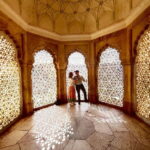
Your Private A/C Car and Guide Setup (and why it matters)
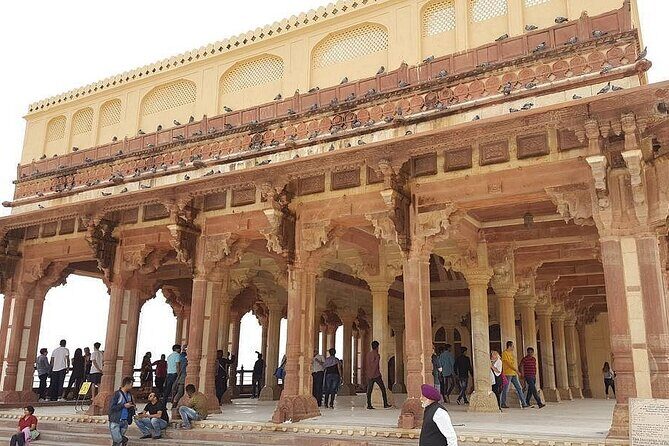
This is a private tour, so only your group rides with the driver and guide. You also get hotel/airport/railway pickup and drop-off, which is a big deal in Jaipur, where starting points can vary a lot by traffic and location.
The vehicle is chauffeurs-driven and air-conditioned, and the price includes fuel, parking, toll taxes, and GST. That means you don’t have to constantly think about small transfer costs on top of the tour.
What I like about this style is simple: your guide can pace you through each site and keep the day from turning into a checklist you rush through. And because the guide is with you at each stop, you’re not left guessing what you’re looking at—like why the Jantar Mantar instruments were built, or what the forts were designed to do.
Day 1: Hawa Mahal, City Palace, Jantar Mantar, Albert Hall, and Birla Mandir
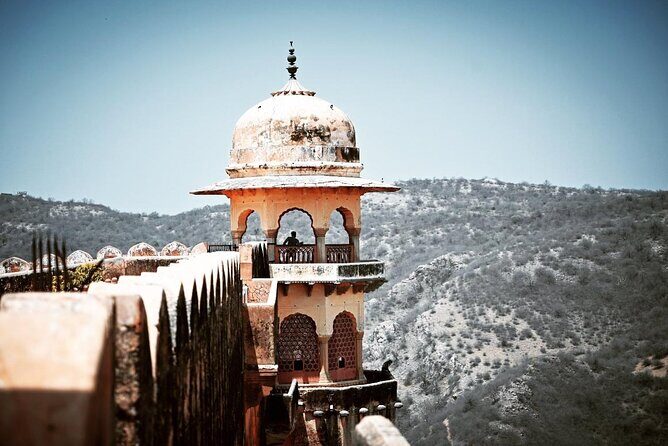
Your day starts after breakfast with pickup at 9:00 AM, then sightseeing with the guide. Day one leans strongly into Old Jaipur’s most recognizable places, and it’s smart that it begins early, when the light and crowds are usually easier.
Hawa Mahal: the Palace of Breeze
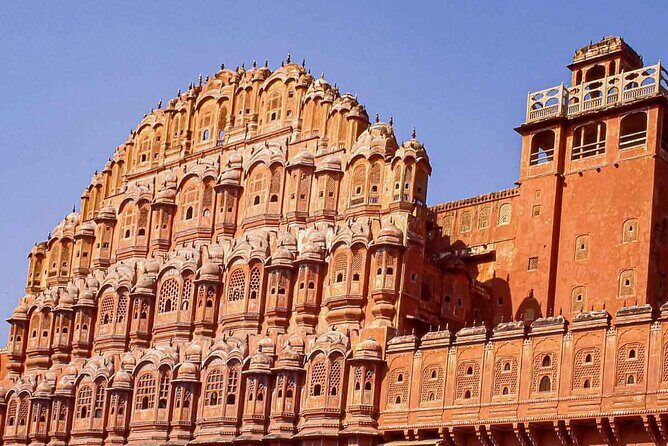
Hawa Mahal is built in 1799 by Sawai Pratap Singh. The key idea is that it was planned for the royal household to watch everyday city life. You’ll see the famous façade with its tiered windows, but don’t rush—this is the type of monument where the exterior makes sense once your guide explains the purpose behind the design.
Entry is not included for this stop, so check your budget if you’re adding a camera too.
City Palace: where Sawai Jai Singh’s vision shows up
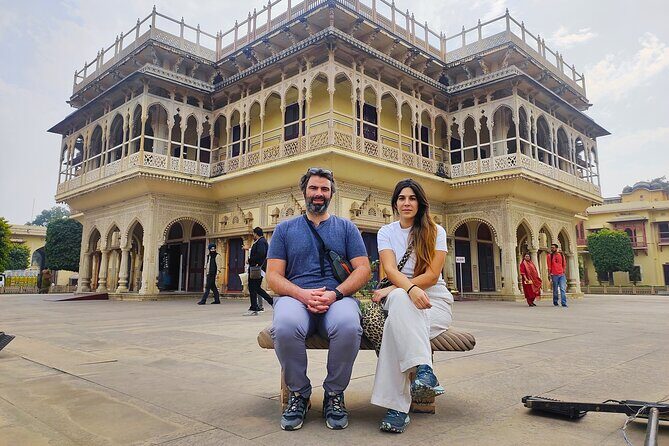
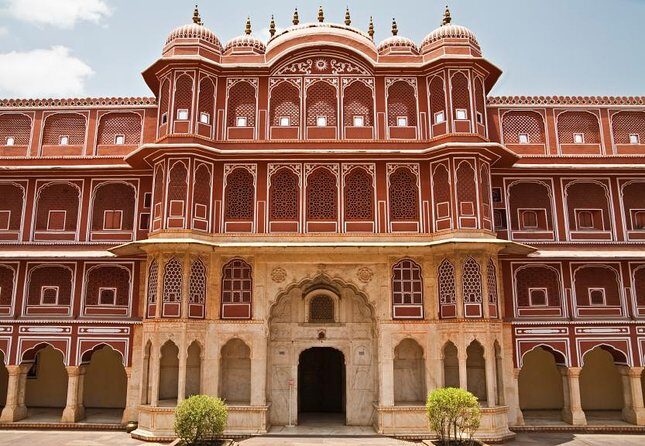
The City Palace was designed by Maharaja Sawai Jai Singh. You’re given a solid block of time here (about two hours), which is helpful because City Palace isn’t one single building—it’s a complex. This is also a good stop for slower looking: think architecture, courtyards, and how the palace fits with the rest of the old city.
Entry is not included here either, so plan for monument fees.
You can also read our reviews of more private tours in Jaipur






Jantar Mantar: astronomy in stone
Jantar Mantar is a collection of architectural astronomical instruments—nineteen instruments, built under Sawai Jai Singh and completed in 1738 CE. Even if you only catch part of the explanation, you’ll start seeing the site as a working tool, not just a display.
This stop is not included for admission tickets, so you may want to travel with a clear idea of total entrance costs for the day.
Isarlat Sargasooli: a 140-ft myth-shaped landmark
Isarlat, also known as Sargasuli, literally translates as passage to heaven. It’s associated with a 140 ft height and sits near the meeting point of Tripolia Bazaar and Gangori Bazaar near Chhoti Chaupar Chowk. This is one of those stops that’s easy to skip if you only care about the most famous names—but it adds texture to the day by connecting monument sights to everyday bazaar streets.
Admission isn’t included here either.
Albert Hall Museum: Indo-Saracenic architecture
Albert Hall Museum (Government Central Museum) is a standout example of Indo-Saracenic architecture. You’ll have about an hour here, which is long enough to see the main galleries and get oriented without feeling trapped.
Admission tickets aren’t included for this stop, so it’s another place where you’ll want to factor entrance fees into the overall cost.
Birla Mandir Temple: white marble and a calm pace
Birla Mandir is built in 1988 by the B.M. Birla Foundation and constructed solely of white marble. It’s listed as free entry, and it’s a nice change of pace after the dense concentration of palace and science landmarks.
You’ll get around an hour, which works well if you want a quieter moment before heading into markets.
Day 1: Old markets time in Johri Bazar and Bapu Bazar
After the main monuments, your plan includes time for old markets—Johri Bazar, Bapu Bazar, and other nearby areas of interest. This is where Jaipur starts to feel like a real city, not a set of photos.
I like that this isn’t a token 15-minute stop. You’re given about two hours, which is enough time to wander at an easy pace, browse, and regroup without feeling rushed back into the car.
If you plan to buy anything, remember that Jaipur’s market streets can be hot and crowded. Keep some cash or a card ready, and wear shoes that work on uneven pavement.
Day 2: Jal Mahal views, Amber Fort, Jaigarh, Nahargarh, and Royal Gaitor Tumbas
Day two is about forts and the Amer area. It’s also the day that usually rewards people who enjoy views from above—because Jaipur’s fort system isn’t just architecture, it’s strategy and sightlines.
Jal Mahal: the palace you see, not enter
Jal Mahal is listed as view-only: you can’t go inside because entry is completely restricted to visitors. Still, you’ll get about 30 minutes to enjoy the look of the palace from the outside.
This is a smart addition because it breaks up the day before the bigger fort climbs.
Amber Fort: the big one
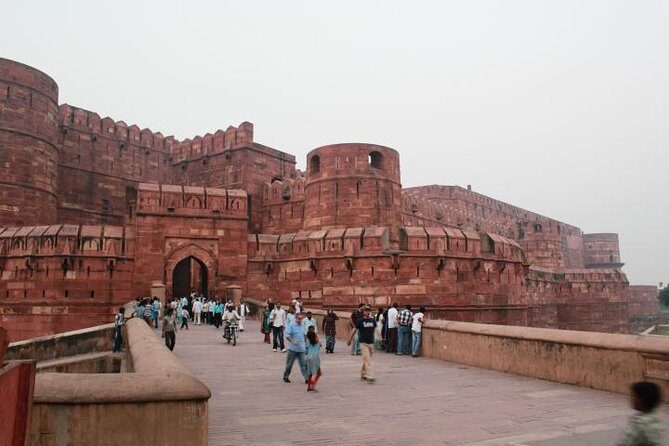
Amber Fort is the star on day two. It sits on a hill, about 11 km from the main city. You’ll have around two hours here, which is a good amount of time because Amber Fort is extensive and not just one hallway.
Admission is not included, so again: entrance fees matter for your budget.
Panna Meena ka Kund: the stepwell under the fort
Panna Meena ka Kund is a mesmerizing 16th-century stepwell beneath Amber Fort. It’s listed as free, and the short time block (about 30 minutes) is realistic—this is a spot where you’ll want a steady look, then move on.
If you’re the kind of traveler who likes details, this stop can feel like a highlight because it’s visually different from the fort walls and courtyards.
Jaigarh Fort: artillery and the Jaivana cannon
Jaigarh Fort historically served as a center for artillery production for the Rajputs. Today, it’s known for Jaivana—described as the world’s largest cannon on wheels at the time (manufactured around 1720).
You’ll have about an hour, and it’s a good stop if you enjoy engineering and military history, not only royal palaces.
Entry isn’t included here, so budget for it.
Nahargarh Fort: folklore meets viewpoints
Nahargarh Fort is tied to a spirit story—Nahar Singh Bhomia’s spirit allegedly haunted the area and obstructed construction. The belief says the spirit was pacified by building a temple in memory of Nahar.
You’ll have about an hour, and this stop usually works well because it gives you a new perspective of the region around Jaipur.
Entry isn’t included for this stop either.
Royal Gaitor Tumbas: calm, serene tombs outside the noise
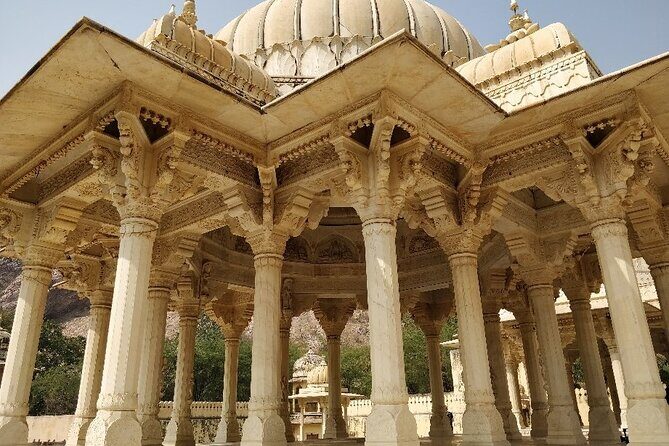
Royal Gaitor Tumbas are tombs for maharajas, described as quiet and serene and set in a calmer location away from heavy crowds. You’ll get about 30 minutes.
This is a thoughtful ending to a day of forts. It’s the kind of place where you can slow down, take a breath, and let the day’s scale settle in.
Entry is listed as free for this stop.
Price and value: what $36.74 per person really covers
The tour price is listed at $36.74 per person for two days, and it’s often booked about 11 days in advance. That price level matters because the trip includes more than just a guide.
You’re paying for:
- Hotel/airport/railway pickup and drop-off
- A private, chauffeurs-driven A/C vehicle for sightseeing
- Fuel, parking, tolls, taxes (GST)
- Government taxes included
What you’ll likely pay on your side:
- Monument entrances and camera fees
- Accommodation
- Personal expenses and any additional activities
- Souvenir photos (if you choose to buy them)
So the value comes from cutting out a lot of the hidden “extras” that often pile up on short city trips. But you still need to budget for entrance tickets, since several of the major sites (Hawa Mahal, City Palace, Jantar Mantar, Albert Hall, Amber Fort, Jaigarh, Nahargarh) list tickets as not included.
If you want to keep costs predictable, it helps to confirm which entrances you plan to take and keep some extra money for camera fees.
Timing, weather, and comfort tips that keep day two from feeling painful
The schedule is active: two full sightseeing days with multiple stops, plus market time on day one. That can be perfect if you like structure, and exhausting if you don’t pace yourself.
The tour requires good weather, and in Jaipur that matters. Plan to dress for heat and sun (light layers, hat, sunglasses), and carry water. On fort days, expect more uneven ground and more time spent outdoors.
Also, because entry fees aren’t included for several stops, it’s smart to keep your payment method ready and avoid standing around at the wrong moment. A small budget buffer beats a big day-stopping surprise.
Who this Jaipur Private Tour is best for

This tour makes the most sense for you if you want:
- A private plan that doesn’t depend on matching schedules with strangers
- A guide who stays with you through the main sights
- Two days that cover both Old Jaipur icons and the Amer fort area
It’s also a strong match if you like learning the why behind a place. The forts and the monuments here aren’t just pretty. They connect to the way Sawai Jai Singh, Sawai Pratap Singh, and later Rajput priorities shaped the city and its defenses.
If you’re extremely budget-focused and want only the free stops, you might find the entrance fees change the math. But if you’re okay paying for monuments, the guide time and vehicle convenience give you good returns.
Should you book this Jaipur Private Tour?
I’d book it if you want a clean, logical two-day flow: Old City monuments first, then the fort belt around Amer. The mix is smart, and the private A/C car plus hotel pickup saves you a lot of stress.
I’d think twice if you hate paying separate entrance fees or you need lots of downtime. This plan is packed, and some stops are view-only or have ticket requirements.
If you’re aiming for a practical first-timer Jaipur experience with less guesswork, this tour is a solid choice.
FAQ
What is included in the Jaipur tour price?
The tour includes hotel/airport/railway station pickup and drop-off, a chauffeur-driven A/C private vehicle for sightseeing, fuel and parking/toll taxes, and all government taxes (GST).
Are entrance tickets to monuments included?
No. Monument entrance fees and camera fees are not included. Some stops are listed as free entry, but several major sights are not.
What sights are covered over the two days?
Day one focuses on Hawa Mahal, City Palace, Jantar Mantar, Isarlat Sargasooli, Albert Hall Museum, Birla Mandir Temple, and Old City markets like Johri Bazar and Bapu Bazar. Day two covers Jal Mahal views, Amber Fort, Panna Meena ka Kund, Jaigarh Fort, Nahargarh Fort, and Royal Gaitor Tumbas.
Is this a private tour or shared group?
It’s a private tour/activity. Only your group participates.
What is the pickup time?
The sightseeing starts after breakfast in the morning with pickup at 9:00 AM.
Is the vehicle air-conditioned?
Yes. The tour includes a chauffeurs-driven A/C private vehicle for sightseeing.
What happens if weather is poor?
The experience requires good weather. If it’s canceled due to poor weather, you’ll be offered a different date or a full refund.