REVIEW · ELEPHANT EXPERIENCES
Private Elephant Sanctuary
Book on Viator →Operated by Elefantastic · Bookable on Viator
Elephants are calmer than you think. A private Jaipur elephant sanctuary visit turns rescue stories into hands-on elephant care, with time to feed and bathe Asian elephants.
What I like most is how the day is built around real routines, not quick photo stops. I also like the added touch of a home-style lunch after your session.
One thing to consider: your focus may land on one main elephant during your visit, and the activity depends on good weather.
In This Review
- Key highlights to zero in on
- Why A Jaipur Elephant Sanctuary Visit Feels Different Than A Zoo
- Price and Value: Getting More Than A Ticket for $80
- Getting There Smoothly: Pickup, Mobile Ticket, and a Laidback Schedule
- Meeting Your Elephant: How the Staff Set You Up to Interact Safely
- Feeding and Petting: The Hands-On Part That Teaches More Than Photos
- Bathing With Care: Why Scrubbing and Hose Water Are Part of Welfare
- The Walk Nearby: A Gentle Stroll That Makes the Bond Real
- Lunch at the Owners Home: Real Food, Real Hospitality
- Conservation Message That Actually Connects: From Rescue to Advocates
- Weather and Timing: The One Practical Gotcha
- Who Should Book This Private Elephant Sanctuary Visit
- Should You Book Elefantastic’s Private Elephant Sanctuary?
- FAQ
- How long is the Private Elephant Sanctuary experience in Jaipur?
- How much does the experience cost?
- Is pickup available from your location in Jaipur?
- Is lunch included?
- Is this a private tour or shared group experience?
- What ticket method do I receive?
- Does the experience run year-round, and what about weather?
Key highlights to zero in on
- Private, your-group-only time with staff guiding the interaction from start to finish
- Feeding and bathing you help with, including scrubbing and giving water via hose
- Named elephants like Padma and Demba show up in many sessions, so you’ll get a genuine connection
- Enrichment moments such as hand-feeding practice and Holi-style chalk coloring on the elephant
- Lunch at the owners family home with home-cooked vegetarian food and a chat with Rahul’s mom
Why A Jaipur Elephant Sanctuary Visit Feels Different Than A Zoo

If you picture a zoo, reset that image. This is a rehabilitation-style sanctuary setting where you’re there to learn how caretakers look after Asian elephants day to day. The center has several elephants, and some have been rescued from circuses across India. That matters, because your time is framed as part of their welfare routine, not entertainment.
A lot of elephant encounters turn into a fast loop: stand here, hold food, take pictures, move on. Here, the interaction is built around care tasks and gentle handling. You’ll have time for the elephant to get used to you, and you’ll be shown how to keep things comfortable for both sides. That pacing shows up in the way people describe the atmosphere: relaxed, no pressure, and plenty of time for feeding, touching, and washing.
Another small but important detail: the staff set expectations about elephant behavior and communication. You’re not just doing activities. You’re learning why those activities exist and what caretakers watch for. That changes the feel of the day from a “bucket list moment” into something you can actually carry home with you.
You can also read our reviews of more private tours in Jaipur



Price and Value: Getting More Than A Ticket for $80
$80 sounds like a lot until you break down what’s included. For one clear price, you’re getting (1) a private elephant experience, (2) lunch, and (if offered during your booking) (3) pickup and drop-off. You’re not paying extra just to access the full care routine.
The session is listed at about 2 hours, and the on-ground flow can feel longer because bathing and feeding take time. Also, this isn’t a large group cattle line. It’s only your group, so your questions matter and your staff attention doesn’t get chopped up between strangers.
Lunch being included is a big value add in Jaipur. You’re not stuck eating a hurried restaurant meal after a wet, active morning. Many descriptions of the lunch highlight how home-cooked it feels, with generous portions and a family-style welcome. In a city full of good restaurants, it’s still a nice change to eat where locals cook and talk.
Getting There Smoothly: Pickup, Mobile Ticket, and a Laidback Schedule

Your day starts with simplicity. You’ll have a mobile ticket, and pickup is offered. The sanctuary’s opening window runs daily from 7:00 AM to 7:00 PM, which gives you flexibility when planning a Jaipur itinerary.
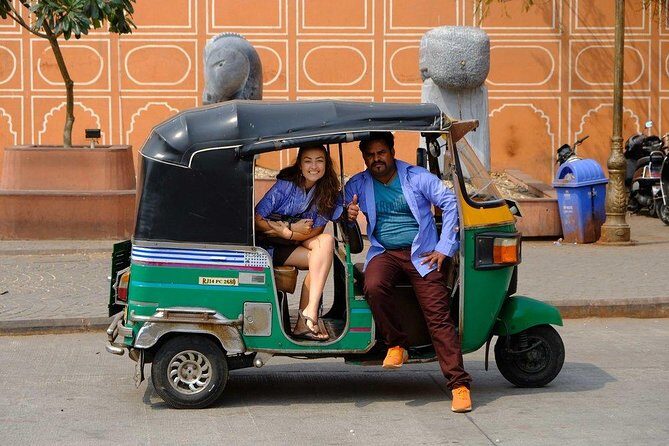
In many experiences, a driver named Rahul handles pickup and transport. That’s not something you should treat as guaranteed for every group, but it shows up often enough to suggest many sessions run with a friendly, consistent approach. You’re driven from wherever you start toward the sanctuary, and the vibe is set early: calm, not rushed.
Because this is private (only your group participates), timing usually stays in your control. You’ll have time to meet the elephant you’re assigned, get quick guidance on interaction, and then follow the care tasks at a steady pace.
Meeting Your Elephant: How the Staff Set You Up to Interact Safely
The biggest difference-maker in a good elephant encounter is how you start. Staff guidance at the beginning can make or break your experience, especially if you’re new to elephants.
You’ll typically be introduced to your elephant by the team and guided on how to approach, where to stand, and how to hand food. Many encounters focus on one main elephant during the visit, and you’ll get a sense of who she is as a personality, not as a generic animal. Elephants named Padma and Demba come up again and again in people’s accounts, so if you land on one of those sessions, you’ll likely spend most of the time connecting with that individual.
One practical takeaway: don’t try to speed through. The best moments come when you let the handler set the pace and when you’re willing to slow down during feeding and petting. Even people who felt nervous at first often say that anxiety fades fast once the elephant settles and you realize how gentle the interaction is when handled right.
Feeding and Petting: The Hands-On Part That Teaches More Than Photos
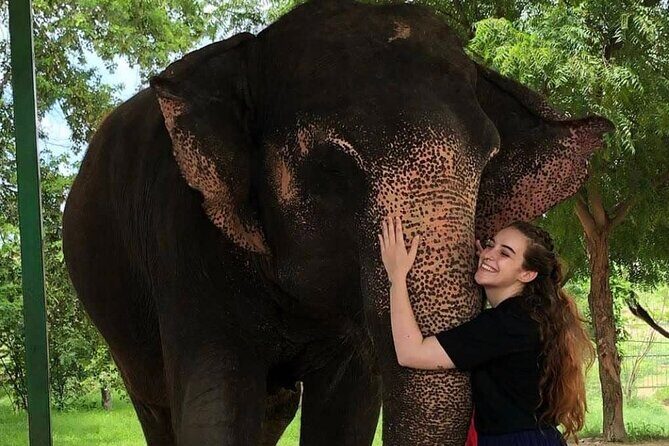
Feeding is the star activity for most people, and it’s easy to see why. You get involved directly, not just behind a barrier. You’ll be shown the right way to offer food, and you’ll have repeated chances to feed and pet.
Food can include items like sugar cane, plus vegetables such as cucumbers and greens. The point is less about what you feed and more about how you feed it. You’re learning how caretakers manage contact and comfort. You also start seeing elephant communication in a real way: how they react to movement, how they shift attention, and how caretakers keep the environment predictable.
This is where the experience becomes educational without feeling like a lecture. The staff explain behavior, communication, and daily care routines while you’re actively participating. That hands-on learning sticks.
If you love animals but hate rigid “watch from afar” tours, this portion will likely be your favorite. It’s the kind of interaction that makes you feel like you’re contributing, not consuming.






Bathing With Care: Why Scrubbing and Hose Water Are Part of Welfare
Bath time sounds dramatic, but it’s presented as part of normal care. After feeding, you’ll move into washing activities with guidance from the team.
People describe being able to wash and scrub the elephant, including the legs. You may also pour or offer water using a hose as part of the bathing routine. The scrubbing isn’t random. Handlers guide you on what’s comfortable for the elephant and what keeps everything calm.
This part is also why the day works as a conservation message, not a circus of selfies. When you see how much attention goes into cleaning, comfort, and routine care, you understand what welfare means in practical terms. It’s care work, done with respect.
The elephant’s reaction tells you if you’re doing it correctly. In many accounts, the bathing moments feel unhurried and positive, with handlers constantly keeping the experience safe and comfortable.
The Walk Nearby: A Gentle Stroll That Makes the Bond Real
After feeding and bathing, many sessions include a walk on or near the property with your elephant. Descriptions mention modest walking time, enough to experience the elephant’s presence in motion rather than only at a standstill.
You might even see how quickly some people relax. One description mentioned a child’s initial anxiety disappearing within minutes, replaced by a feeling that the elephant was more like a big, gentle animal than a frightening one. That’s a common outcome when the walk is handled at the elephant’s comfort level and you’re following the caretakers closely.
Why this matters: elephants are built for movement and social life. When your interaction includes a walk, it feels more like you’re observing part of daily routine rather than staging contact purely for human viewing.
And yes, this is still a highly personal moment. Because it’s private, you’re not stuck juggling crowds while trying to pay attention to how the handlers manage pace and spacing.
Lunch at the Owners Home: Real Food, Real Hospitality
Lunch being included isn’t just a convenience. It changes the day’s rhythm. After the elephant activities, you head to a family home for a meal cooked onsite.
Many accounts describe vegetarian, home-cooked food served family-style, with generous portions. One theme is care with spice level and preparation style. People mention that the meal felt thoughtfully made, with dishes not too spicy and attention paid to basics like using boiled water.
You may also get a chance to talk with Rahul’s mom, since she’s mentioned as the cook and host in several experiences. That kind of conversation makes the day feel local, not touristy. It’s the difference between eating and experiencing hospitality.
In Jaipur, where you’ll find great meals everywhere, this is one of the ways the experience offers value beyond the elephant time. It gives you a window into the household side of the sanctuary story, and it helps explain why the owners’ mission matters to the family behind it.
Conservation Message That Actually Connects: From Rescue to Advocates
This sanctuary doesn’t frame elephants as attractions. It frames them as beings with needs shaped by rescue and rehabilitation. Some elephants were previously connected to circuses, and now they live under dedicated care.
Your guide and the caretakers talk about conservation and why elephant welfare matters. The language is practical: people learn about elephant behavior, communication, and daily care. Then the experience nudges you toward advocacy—being the kind of traveler who asks better questions, supports better facilities, and spreads accurate awareness.
If you care about animal rights but get tired of guilt-heavy presentations, you may like how this approach works. It teaches through contact with care routines. When you’ve seen how calm bathing and respectful feeding look in practice, the conservation message feels grounded.
Weather and Timing: The One Practical Gotcha
There’s one clear operational note: the experience requires good weather. That can matter in Jaipur depending on season and day conditions.
So plan like you would for an outdoor activity. If weather isn’t cooperating, you might be offered a different date or a full refund. It’s worth building the elephant visit on a day you can shift without messing up everything else.
Also, pay attention to duration expectations. The tour is listed at about 2 hours. Some descriptions refer to a longer overall experience flow. Either way, give yourself a calm schedule afterward. You may want time to reset after bathing-related activities and a full meal.
Who Should Book This Private Elephant Sanctuary Visit
This works well for a wide set of visitors.
- Families and kids: Many people describe children feeling nervous at first and then relaxing quickly, once the interaction is handled calmly.
- Solo travelers: Private format can feel especially good when you want personal attention rather than a group shuffle.
- Older adults: The day is structured around guided interaction rather than hiking or high-impact travel.
- Animal lovers who want more than photos: If you want to understand daily care, feeding methods, and welfare priorities, this fits.
It may not match your expectations if you’re chasing a checklist of multiple elephants in one session. Many encounters focus heavily on one main elephant. That’s not bad—it can actually create a stronger bond—but it’s worth knowing so you don’t expect a rotating cast.
Should You Book Elefantastic’s Private Elephant Sanctuary?
If your goal is to do something humane and hands-on in Jaipur, I think this is a strong choice. The best reasons to book are consistent: feeding and bathing with staff guidance, the sense that elephants are well cared for, and the included home-cooked lunch that turns it into a full cultural half-day.
The one reason to hesitate is simple: you’re dependent on good weather, and your encounter may center on one elephant rather than giving you a fast tour of many.
If you’re flexible with dates and you want a meaningful elephant welfare experience over a quick spectacle, book it. Keep your expectations grounded in real care work, follow the handlers’ pace, and you’ll likely walk away with the kind of story that feels personal, not staged.
FAQ
How long is the Private Elephant Sanctuary experience in Jaipur?
It’s listed as about 2 hours.
How much does the experience cost?
The price is $80.00 per person.
Is pickup available from your location in Jaipur?
Pickup is offered.
Is lunch included?
Yes. Lunch is included.
Is this a private tour or shared group experience?
It’s a private tour/activity. Only your group will participate.
What ticket method do I receive?
You get a mobile ticket.
Does the experience run year-round, and what about weather?
The experience requires good weather. If it’s canceled due to poor weather, you’ll be offered a different date or a full refund.