REVIEW · JHALANA LEOPARD SAFARI
Jaipur: Leopards Safari Tour at Jhalana l Spot Wild Animals
Book on GetYourGuide →Operated by Ultimate Urban Adventures Pvt. Ltd. · Bookable on GetYourGuide
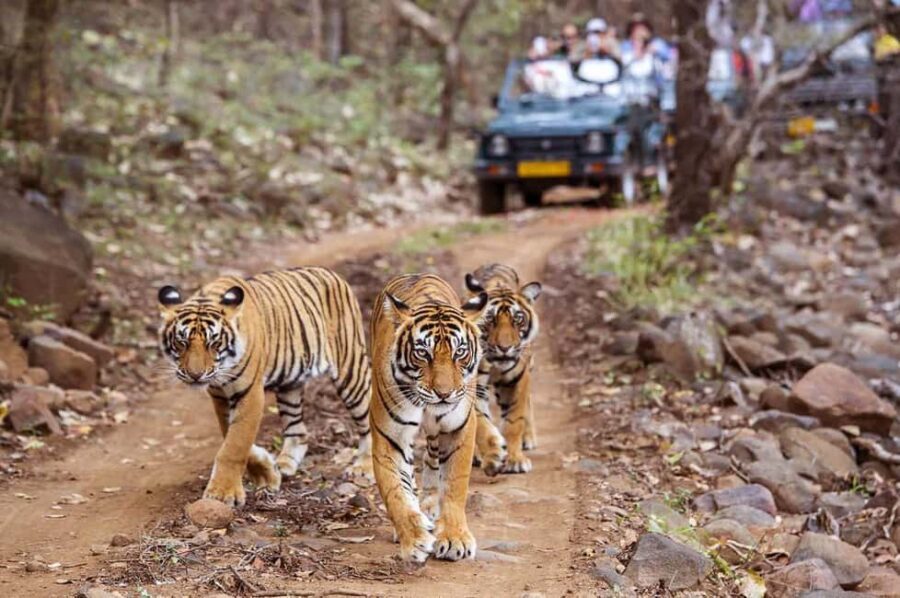
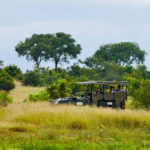
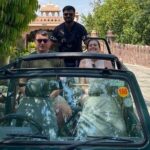
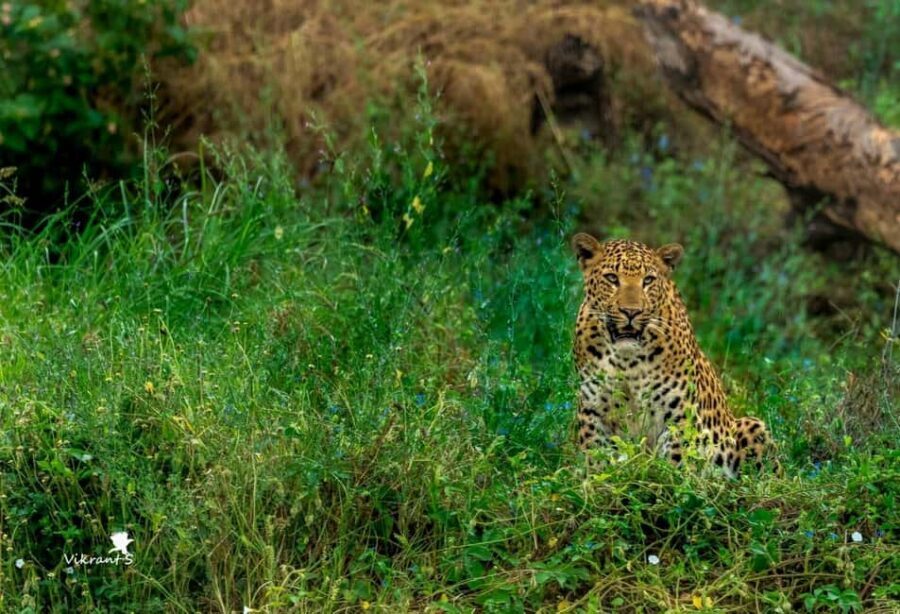
Jaipur’s leopard safari feels like a real-life nature documentary. You’re rolling through Jhalana Leopard Park in an open vehicle, with a trained guide helping you find wildlife fast. Two big reasons I like this setup are the open 4-wheel-drive jeep for real viewing angles and the chance to learn what you’re seeing from an on-board naturalist.
You also get a focused wildlife run, not a long bus tour that snacks away your attention. In the best case, you’re watching for leopards and the smaller action around them, like deer, foxes, hyenas, and lots of colorful birds. The main thing to keep in mind is that leopard sightings depend on the day, and in winter the jungle can feel cold and shady even when it’s sunny in town.
If you’re planning for comfort, plan for weather and modest expectations. This is a short half-day outing, and it’s also not a match for everyone—especially if you’re pregnant, have back problems, or are over 95.
In This Review
- Key things to know before you go
- Getting from Jaipur into Jhalana’s rolling wild
- The open jeep + naturalist guide: your real spotting advantage
- What you’ll see during the 2.5-hour wildlife run
- Why sightings vary (and how to make it work)
- Scenic views on the way (and a hilltop stop on private tours)
- Price and value: what you’re really paying for ($109)
- What to bring, plus jeep rules that matter
- Clothing and comfort
- Camera and viewing tools
- Rules that you should respect
- Who this safari fits best (and who should skip it)
- Should you book this Jaipur leopard safari?
- FAQ
- Where does the Jaipur safari start and end?
- How long is the experience?
- Is the safari inside Jhalana Leopard Park guided?
- What animals can you expect to see?
- Do I get a private tour or a shared group?
- What’s the language of the tour guide?
- What should I bring for the safari?
- What is not allowed during the safari?
- Is the activity refundable if my plans change?
- Is this tour open to everyone?
Key things to know before you go
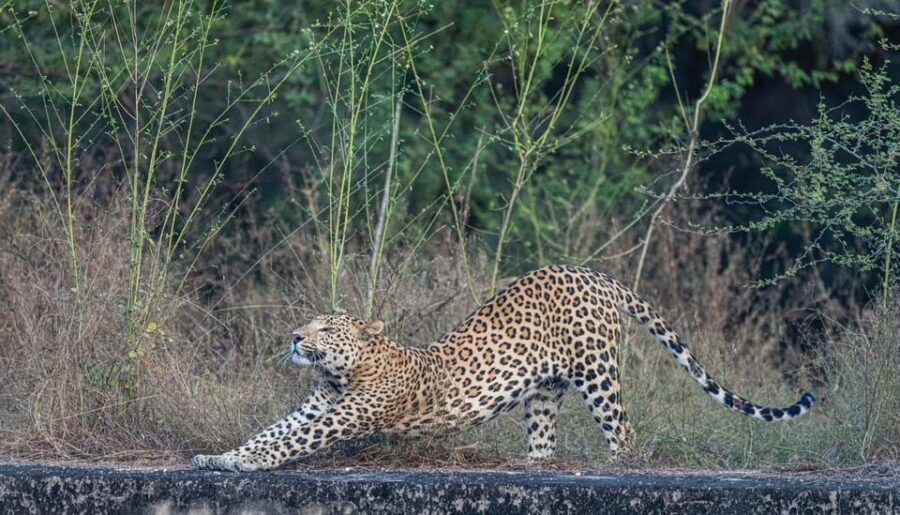
- Open 4-wheel-drive jeep viewing: less barrier, better spotting, and more natural sightlines than a closed vehicle
- Naturalist guide on a private group: you’re not just driving, you’re learning to read the habitat
- 2.5 hours of wildlife time: most of your tour is actually spent looking for animals, not waiting around
- Jhalana’s mix of rolling hills and forests: changing terrain keeps the safari feeling varied
- Camera-friendly guidance: bring a camera and binoculars to make the most of distant sightings
Getting from Jaipur into Jhalana’s rolling wild
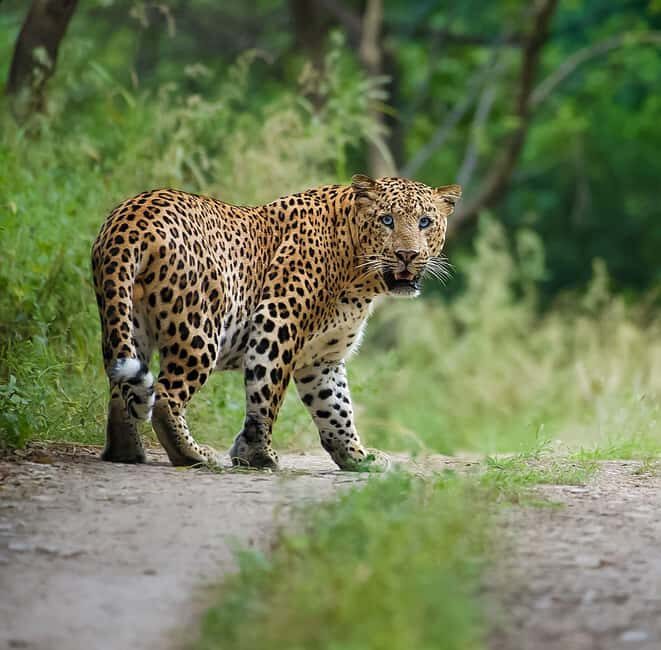
This safari is built around convenience. You’re picked up in Jaipur and returned to your pickup area after the run, so you’re not trying to figure out timing or transport on your own. It’s one of those tours that saves energy for the main event: time in the park.
Once you’re on the way, the drive itself matters. The Jhalana area is known for rolling hills and forested sections, so the scenery changes as you go. That’s more than pretty scenery; the terrain can influence where wildlife appears, and your naturalist guide can help you understand what you’re passing.
The total time on the clock is about 3.5 hours, with 2.5 hours spent in the park. That short duration is a plus if you want a wildlife hit without losing a full morning or afternoon to logistics.
You can also read our reviews of more tours and experiences in Jaipur
The open jeep + naturalist guide: your real spotting advantage
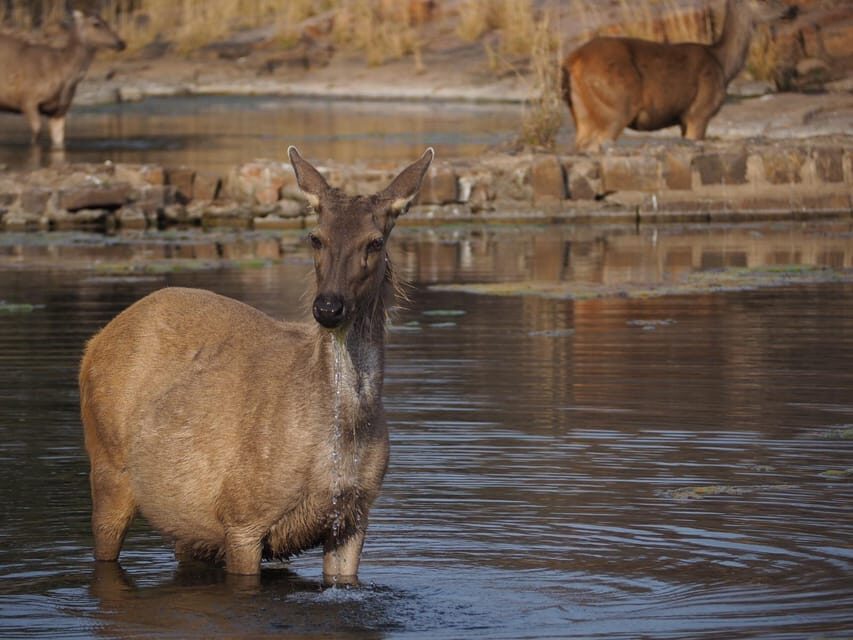
The biggest value here is not only that you’re in the park. It’s how you’re navigating it. An English naturalist guide travels with you, focused on helping you spot wildlife during the safari window. That means fewer blind guesses and more “look there, because…” moments.
I also like that the tour is private. A private group gives your guide more flexibility to adjust the drive based on what the habitat is showing that day, instead of being locked into a rigid group schedule.
In one example from the field, a leopard appeared within the first 15 minutes of the safari. The same day also included peacocks, wild rabbits, and other birds. You can’t bank on that kind of early sighting, but it shows what the best-case experience can feel like when the guide is reading the park well.
If you’re lucky enough to get a guide named Monty, you’re in good hands for the “spotting + vibe” combo. One guest described Monty as kind and fun, and his experience helped them turn the ride into more than just a drive-through.
What you’ll see during the 2.5-hour wildlife run
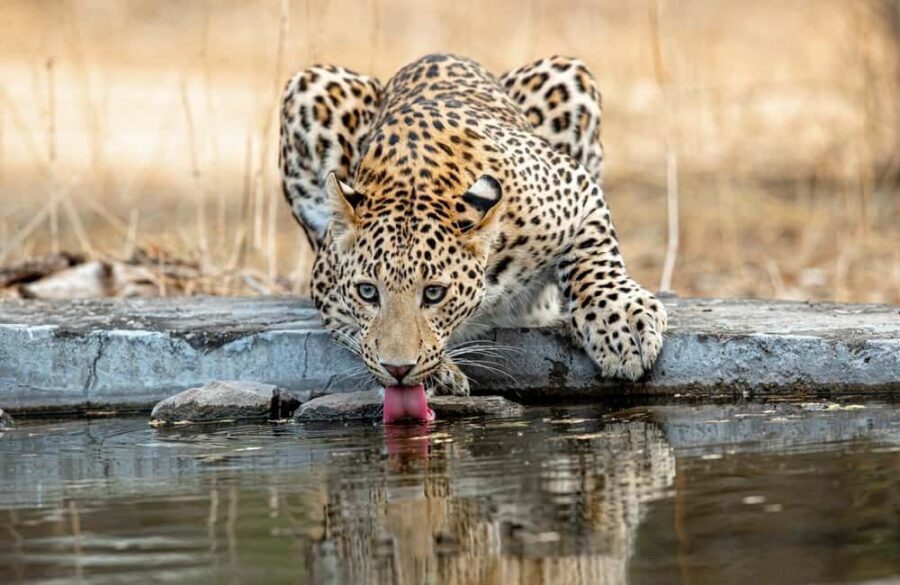
You should expect a mix of big and small sightings, because Jhalana supports many kinds of animals across different parts of the habitat. The tour is designed around watching for leopards first, but it doesn’t stop there.
Here’s what you’re specifically set up to look for:
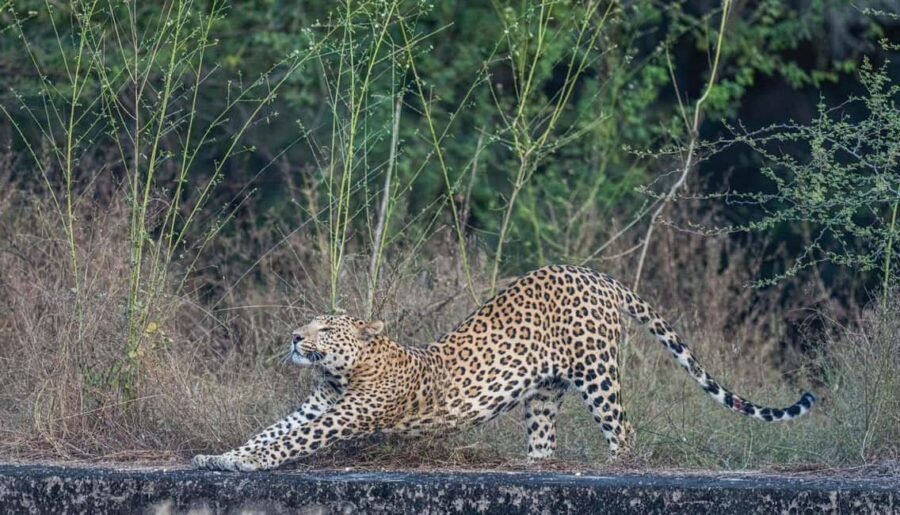
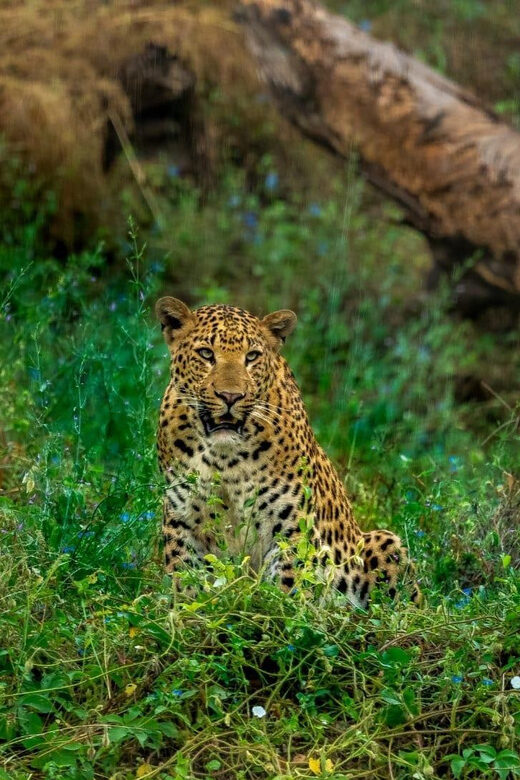
- Leopards
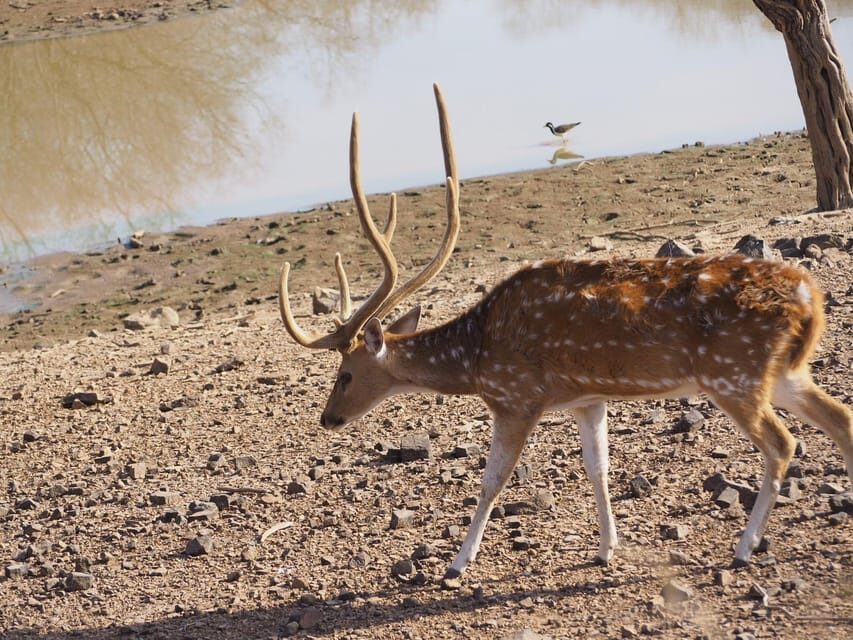
- Deer
- Foxes
- Blue bulls
- Hyenas
- Colorful birds
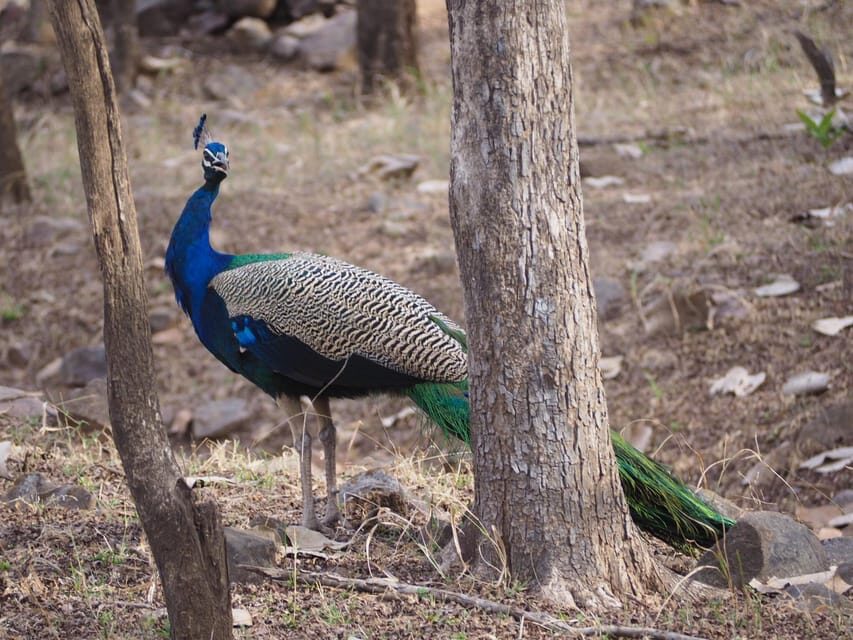
On top of that, you might also notice the quieter wildlife that often shows up while you’re waiting for something bigger. In at least one experience, peacocks, wild rabbits, and birds added variety to the sightings list. That matters because wildlife viewing is sometimes about timing: the best leopard moment might be short, while the surrounding activity can keep the experience lively.
Why sightings vary (and how to make it work)
Leopard spotting isn’t guaranteed, even in a place considered one of the best for leopards in the wild. What you can control is your readiness. If you bring binoculars and stay alert to bird calls and movement, you’ll feel more involved during the pauses between bigger moments.
Also, remember that animals can respond to heat, light, and quiet. Your naturalist guide is there to help you understand patterns, not just point randomly. That’s what turns “we drove around” into “we watched the park.”
Scenic views on the way (and a hilltop stop on private tours)
You’ll get scenic views as you drive in and out. And if you’re on a private tour, it may include a hill area and a view up toward a hunting lodge area, which can add a memorable “pause and look” moment above the canopy. It’s not something to assume every time, but it’s the kind of extra viewpoint that can make this feel like more than a standard safari drive.

Price and value: what you’re really paying for ($109)
At $109 per person for about 3.5 hours (with 2.5 hours in the park), this isn’t a budget “wildlife bus ride.” You’re paying for three main things: time in the right habitat, a guided spotting approach, and private logistics in Jaipur.
Here’s the value breakdown that makes it feel fair:
- You’re not wasting hours. Two and a half hours in the park is a strong chunk for a short trip.
- You get a naturalist, not just a driver. The guide can help you spot and interpret what you’re seeing, which increases satisfaction even if leopard time is brief.
- You’re in an open jeep. Better sightlines can change the experience from “maybe we saw something” to “we actually watched behavior.”
The real question isn’t whether you’ll see a leopard. The real question is whether you want the best odds and the best guidance while you’re there. If you’re the kind of person who likes animals but also wants context—why they’re where they are, and what signs to watch—this price usually makes sense.
If you’re extremely flexible and only care about cheapest transport, you might find less structured options. But they often come with longer waits, less expertise, and poorer viewing. For many visitors, $109 buys time, comfort, and a guide-led hunt for the good stuff.
What to bring, plus jeep rules that matter
A safari is fun until you realize you packed the wrong things. For this one, bring an ID document (passport or ID card). For kids, you’ll need a passport or ID card as well, and a copy is accepted.
Clothing and comfort
In winters (Nov–Mar), wear warm clothes. Even when the day looks mild, the jungle can be shady and cold. This is one of the most practical tips that can make or break your comfort over a 3.5-hour block.
Camera and viewing tools
Bring a camera and binoculars. Wildlife can be at varying distances, and binoculars help you feel like you’re participating rather than just hoping for close views.
Rules that you should respect
Some restrictions are not negotiable, and they protect both animals and other guests:
- No pets
- No smoking
- No food and no feeding animals
- No flash photography
- No alcohol or drugs
- No plastic bags
- No plastic bottles
- No littering, no touching animals, no making fire
- No flashlight
- Don’t ride the animals
It’s also smart to plan around the fact you’ll be in an open vehicle. Even small annoyances like a warm layer shortage can grow into a bad mood by hour two.
Who this safari fits best (and who should skip it)
This tour is a strong fit if you want:
- A short, guided wildlife outing while you’re in Jaipur
- Better spotting odds with a trained naturalist
- Open-jeep viewing for animals and birds
- A private, English-speaking guide experience
The not-so-great fit is clear too. This safari isn’t suitable for pregnant women, people with back problems, or anyone over 95. If you’re in any of those categories, it’s best to look for a different kind of wildlife outing that’s easier on the body.
If you’re traveling with a camera setup, this is also a good match because the whole experience is structured around watching and tracking wildlife—so you’ll have actual moments to use your gear.
One more note: if you end up choosing a shared safari format, it can be canceled if there aren’t enough travelers. Your private group option avoids that specific risk and usually makes scheduling feel smoother.
Should you book this Jaipur leopard safari?
I’d book it if you want a focused, guided chance to see leopards and the rest of the park’s wildlife—without spending all day on transport. The open jeep + naturalist combo is where the value lives, and it’s exactly the kind of setup that turns a wildlife day into real learning and real watching.
I wouldn’t book it if cold weather is a problem for you and you’re not willing to pack warm layers. I’d also think twice if you’re in the groups it’s listed as not suitable for, since the ride and conditions aren’t designed to be comfortable for everyone.
If your travel style is “get to the good part fast” and you like nature with a guide explaining what you’re seeing, this is a solid choice. For most people, the $109 price feels like a fair trade for a 2.5-hour guided wildlife experience in Jhalana, with pickup and drop-off handled for you.
FAQ
Where does the Jaipur safari start and end?
Pickup is in Jaipur, and you return back to Jaipur after the safari.
How long is the experience?
The total duration is about 3.5 hours, including 2.5 hours of jungle safari time.
Is the safari inside Jhalana Leopard Park guided?
Yes. You get a guided tour and a trained naturalist guide during the wildlife viewing time.
What animals can you expect to see?
The safari focuses on spotting leopards, deer, foxes, blue bulls, hyenas, and colorful birds.
Do I get a private tour or a shared group?
This is listed as a private group.
What’s the language of the tour guide?
The live tour guide is available in English.
What should I bring for the safari?
Bring your passport or ID card. It’s also recommended to bring a camera and binoculars.
What is not allowed during the safari?
Pets, smoking, plastic bags, food, flash photography, alcohol and drugs, plastic bottles, littering, feeding animals, flashlight, touching animals, and making fire are not allowed.
Is the activity refundable if my plans change?
Cancellation is free up to 24 hours in advance for a full refund.
Is this tour open to everyone?
No. It’s listed as not suitable for pregnant women, people with back problems, and people over 95.