REVIEW · FOOD
Food Tour and Eat like Locals
Book on Viator →Operated by Nomadic Tours India · Bookable on Viator
Street food in Jaipur can feel like chaos.
That’s why I like this tour: it turns the city’s snacks into a guided, small-group food route with all tastings included. I especially enjoy how the guide explains what I’m eating and why it matters, and how the selection goes way beyond the usual tourist picks. One thing to consider: this walk is about food first, not monuments, so don’t expect a sightseeing-heavy day.
You’ll meet in Raja Park, follow a local pace through well-kept food spots, and finish at a popular neighborhood restaurant. Expect around 2.5 hours, about 8 stops, and a spread that runs savory plus sweets. And yes, you’ll likely leave full enough that dinner feels optional and breakfast tomorrow is probably lighter.
Below are the practical details, plus what you should watch for so you get the most out of it.
In This Review
- Key things you’ll notice on this Jaipur street food tour
- Why this Jaipur street food tour feels local, not touristy
- A note on the pace
- Price and what you really get for $20
- What about transport?
- Group size, timing, and how to show up hungry
- When to arrive
- What to wear and bring
- Your food route: 8 stops, 12+ dishes (what each bite is for)
- How the tastings are structured
- What kinds of dishes you can expect
- Why the guide explanations matter
- A fair heads-up on portion size
- Birla Mandir sighting: why it’s there, and why it won’t steal your night
- Hygiene, safety, and how to feel confident while you eat
- The habit that calms nerves
- Expect a lively neighborhood vibe
- Meeting point to finish at Hanuman Dhaba
- Start: Panchwati Circle
- Finish: Hanuman Dhaba
- Why the finish location matters
- Who this tour suits best (and who should skip it)
- Who might not love it
- Should you book this Jaipur street food tour?
- FAQ
- How long is the Jaipur street food tour?
- How much does the tour cost?
- How many food stops and dishes will I try?
- What’s included in the price?
- Is private transportation included?
- Where do I meet the tour?
- Where does the tour end?
- Is it vegetarian?
- What happens if the weather is bad?
Key things you’ll notice on this Jaipur street food tour
- 8 food stops and 12+ dishes, usually enough to skip dinner and likely go easy at breakfast
- Free bottled water during the route, which makes the night much easier to enjoy
- Max 10 travelers, so the guide can answer questions and keep the group moving
- Food-focused route with only a quick look at a nearby monument (Birla Mandir may be on the way)
- Vegetarian-friendly tastings are common, with clear guidance on what you’re eating (always confirm if you have strict needs)
- Guides like Diksha, Lucky, Harshit, and Akbar run the tours, and the best part is how they teach street-food habits
Why this Jaipur street food tour feels local, not touristy
This is the kind of Jaipur activity that makes sense for real life travelers. You’re not treating street food like a checkbox. You’re treating it like a meal—multiple bites, multiple textures, and a quick lesson on how people actually eat day to day.
What makes it feel local is the mix of places and the way the guide connects the dots. You’ll bounce between more casual street stalls and simple local spots, but you’re also getting explanations so you understand what you’re tasting. That turns a plate of food into a story: what region it comes from, what’s inside, and how people eat it.
In several experiences with this style of tour, the best guides also pass along the little habits—when to grab something with your fingers, how to balance a rich bite with something lighter, and what to expect from each item before you taste it. You’ll see that energy in the way guides like Diksha and Lucky lead the group: friendly, confident, and focused on getting you to eat well, not just take photos.
You can also read our reviews of more food & drink experiences in Jaipur


A note on the pace
This is a walking route with stops. It’s not a museum shuffle. If you prefer long sit-down meals, you might find the format fast. But if you like sampling and moving, the structure is perfect.
Price and what you really get for $20
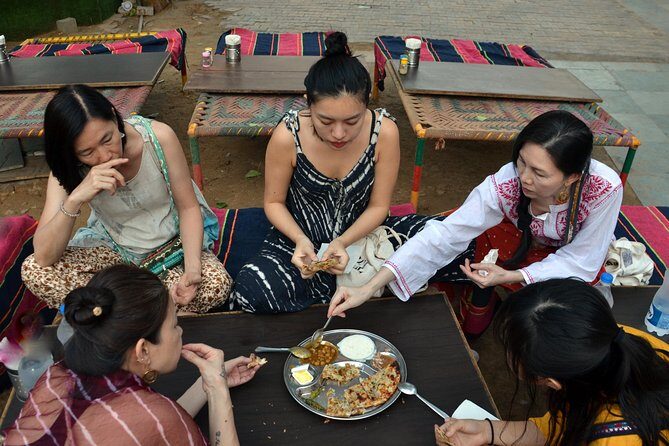
At $20 per person, the biggest value isn’t just that food is included—it’s that it’s enough food to matter. You’ll try around 12+ dishes across roughly 8 stops. Multiple guides bring a mix of savory items (often 7+ bites) plus sweets (often 3–4 bites). That’s a full tasting meal, not a few appetizers.
Free bottled water also helps keep the cost down and the experience comfortable, especially when you’re walking in warm conditions.
Here’s the practical way to think about value:
- If you tried 6–8 separate snacks on your own, you’d still spend more than $20 once you factor in drinks and the randomness of what’s open.
- You’re paying for the guide’s ability to get you to trusted, well-maintained spots and to explain what to order and how to eat it.
Also, this tour’s group size stays small (max 10), which keeps things personal. You’re not stuck with a giant crowd or waiting forever at each stop.
What about transport?
Private transportation isn’t included. That matters because it affects how you plan your evening. You’ll likely use public transport access near the start area, and then move on foot. If you hate walking at night or you want door-to-door pickup, this isn’t the style.
Group size, timing, and how to show up hungry

Think of this as a 2.5-hour food walk. The tour runs about 2 hours 30 minutes (approx.), and the meeting point is Panchwati Circle, Raja Park (Jaipur). You’ll finish back in Raja Park area at Hanuman Dhaba.
The operator keeps group sizes small: up to 10 travelers. That’s one reason the experience gets such strong ratings. It also makes the guide’s job easier, especially when people have different appetites.
You can also read our reviews of more tours and experiences in Jaipur





When to arrive
Your best move: come hungry, but don’t come starving. Street food portions can be substantial once you stack multiple tastings. One common takeaway is that people end up stuffed by the end. If you start with a big restaurant breakfast, you’ll slow down your enjoyment.
What to wear and bring
The data doesn’t list strict requirements, so I’ll keep this grounded:
- Comfortable shoes help because you’re moving between stops.
- Carry hand sanitizer. One reviewer explicitly suggested it at the start because it reduces nerves when you’re eating street food.
- Bring a light water backup if you’re the type who drinks a lot—though water is included.
Your food route: 8 stops, 12+ dishes (what each bite is for)
You don’t get a monument tour here. You get a sequence of foods. The best way to enjoy it is to treat each stop like a small chapter.
How the tastings are structured
You’ll visit about 8 different food stops and try 12+ dishes. The pattern tends to be:
- Multiple savory bites across several stops
- A few sweet bites toward the end
- Explanations at each place so you’re not guessing
Most of the tastings described in the experience are vegetarian-friendly. One highlighted review specifically said all the foods were vegetarian. Still, if you have strict dietary needs, you should ask your guide in advance or check with the provider at booking.
What kinds of dishes you can expect
The exact dishes at each stop can vary, but the examples mentioned give a strong sense of the menu style. Look for items in these categories:
1) Crunchy, fried, or crisp starters
One favorite mentioned is potato fritters. These work well early because they wake up your appetite and get your taste buds ready for softer dishes later.
2) Street snacks built around potatoes and spice
Aloo tikki shows up as a standout in the experiences shared. This kind of snack is a classic reason to do a guided route: without local guidance, you might not know which version to choose or what to expect.
3) Stuffed dumplings such as momos
Momos were called out as a must-do item. If you like dumplings, this is where the tour often delivers. If you don’t, you can still enjoy the rest, but you’ll want to tell the guide so you don’t get stuck with something you don’t want.
4) Chaat-style flavors (tang, crunch, and sauces)
The tour includes snack types described as Indian-version nachos and other savory bites. These are usually designed for a quick hit of flavor: salty, tangy, and textured.
5) Desserts and sweet bites (3–4 of them)
You’ll get multiple sweets—often 3–4. In at least one experience, two desserts were mentioned as part of the run. That mix is why the tour feels like a complete meal, not just snacks.
Why the guide explanations matter
The food itself is the headline, but the guide’s role changes the whole value.
You’ll hear:
- what’s in each dish
- how it’s made (at least at a “street-level” explanation)
- local influences and how people typically eat it
In several accounts, guides were described as enthusiastic and passionate, especially about street food habits. You can use that guidance as a shortcut: once you learn what to order, you can shop smarter on your own later.
A fair heads-up on portion size
This tour tends to “stack” food quickly. More than one person ended the experience so full they couldn’t imagine eating more. So plan the rest of your evening accordingly. If you’re thinking of dinner after, don’t.
Birla Mandir sighting: why it’s there, and why it won’t steal your night
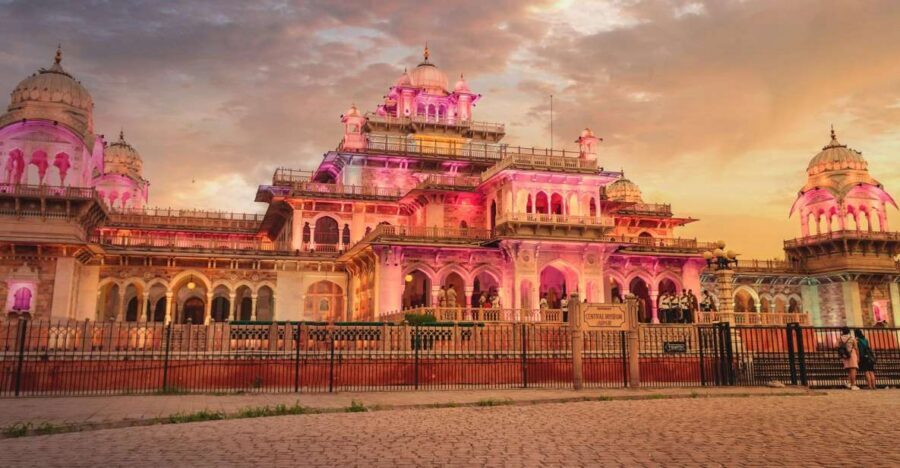
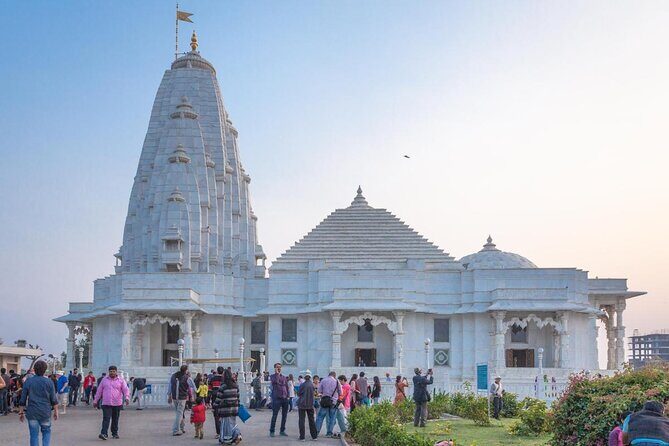
The tour is not built around monuments. Still, there’s a practical reason one monument can pop into the route: Birla Mandir is the closest option, so you might see it on the way.
In other words, don’t count on it as a main event. Your time stays focused on tastings and neighborhood food stops. If you want forts, palaces, and long photo stops, you’ll need a different day.
What Birla Mandir does give you is context without derailing the point of the tour. You’ll get a small “Okay, we’re in Jaipur” visual reference while the main focus remains eating.
Hygiene, safety, and how to feel confident while you eat
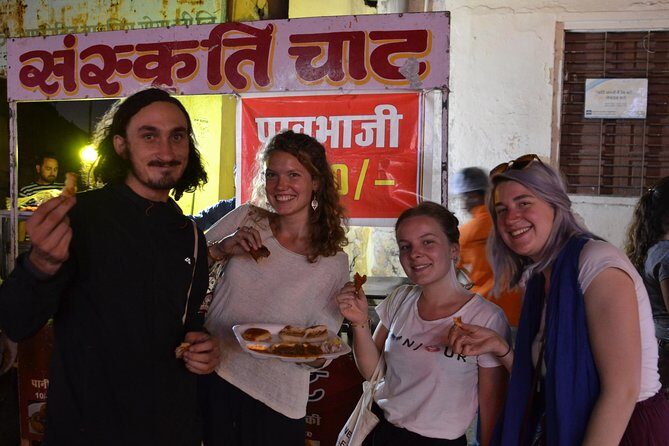
Street food has a reputation, and it’s normal to feel a bit cautious if you’ve heard horror stories online. The best part of this tour format is that it’s designed to reduce that uncertainty.
You’ll be taken to spots described as trusted and hygienic, and the places are maintained and well-kept. Guides also know the owners and stalls, which is part of why the experience keeps its strong ratings.
The habit that calms nerves
I like this practical approach: start with sanitizer, take small bites, and let the guide pace you. If something looks or smells off to you, speak up. You’re not on your own here—your guide is there to keep the group moving and make decisions easier.
Expect a lively neighborhood vibe
Even when places are clean, it’s still street food energy. It’s not a quiet fine-dining room. If you like watching people eat and work, that’s a big plus.
Meeting point to finish at Hanuman Dhaba
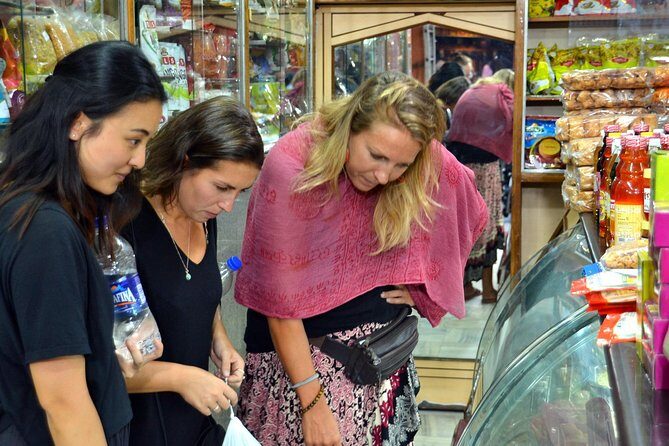
This is one of those tours where logistics actually help the experience.
Start: Panchwati Circle
You begin at Panchwati Circle, Raja Park. It’s also near public transportation, so you’re not stuck trying to figure out complicated private transfers just to start eating.
Finish: Hanuman Dhaba
You end at Hanuman Dhaba, a popular local restaurant in Raja Park. The end location is right by Radhey Shyam Bhatia Paneer Wale, and it’s listed with hours in the afternoon/evening window. That matters because it gives you a natural landing spot afterward if you want to continue your night—though you may not need it after all that food.
Why the finish location matters
Finishing at a well-known neighborhood restaurant is more comfortable than ending in a random alley. It also makes your return journey simpler. You’ve eaten, learned, and then you’ve got a clear off-ramp.
Who this tour suits best (and who should skip it)
This tour is built for food-first travelers. It’s especially a good fit if you:
- want a guided way to find reliable street stalls
- like sampling lots of different foods in one evening
- prefer small groups where your guide can explain as you go
- enjoy learning how locals actually eat
It’s also a smart choice for vegetarians or anyone who wants lots of options. One review noted the tastings were all vegetarian, which suggests the route often leans that way. Still, if you have dietary restrictions beyond vegetarian (like allergies), you should confirm details directly with the provider.
Who might not love it
You might want to skip if you:
- hate walking between multiple stops
- want a monument-centered itinerary
- don’t enjoy street-food-style settings, even when they’re described as hygienic
Should you book this Jaipur street food tour?
If you’re deciding between another sightseeing day and a food-focused evening, I’d lean toward booking—especially if you like the idea of tasting a range of dishes across several stops with a real local guide. The value is strong because you’re not paying $20 for a “light snack.” You’re paying for a meal’s worth of tastings, plus explanations that make it easier to enjoy (and later repeat) on your own.
One final decision tip: go in with realistic expectations. This is about food. Birla Mandir might appear briefly, but it won’t replace a proper temple or city-palace day.
If you can do a small walking route, eat more than a little, and you want to learn how Jaipur street food works, this is an easy yes.
FAQ
How long is the Jaipur street food tour?
It runs for about 2 hours 30 minutes (approx.).
How much does the tour cost?
The price is $20.00 per person.
How many food stops and dishes will I try?
You’ll visit about 8 different food stops and try around 12+ dishes.
What’s included in the price?
All food tastings are included, along with snacks, and free bottled water.
Is private transportation included?
No. Private transportation is not included.
Where do I meet the tour?
The start point is Panchwati Circle, Raja Park, Jaipur, Rajasthan 302004, India.
Where does the tour end?
The tour ends at Hanuman Dhaba, beside Radhey Shyam Bhatia Paneer Wale Gali No. 1, Gurunanakpura, Raja Park, Arya Samaj Rd, Tilak Nagar, Jaipur.
Is it vegetarian?
One provided review says the tastings were all vegetarian. The safest approach is to confirm your needs with the provider before booking if you have strict dietary requirements.
What happens if the weather is bad?
This experience requires good weather. If it’s canceled due to poor weather, you’ll be offered a different date or a full refund.