REVIEW · CITY TOURS
Jaipur Pink City Cooking Class
Book on Viator →Operated by Jaipur Pink city Cooking Class · Bookable on Viator
Jaipur tastes best in someone else’s kitchen. This Jaipur Pink City class puts you in a real Jaipur home with a welcome drink, spice talk, and hands-on cooking of favorites like dal baati churma and ker sangri.
I love how warmly Swati and her family pull you in, with clear guidance and time to ask questions. The small group size (max 6) keeps it personal, and you eat lunch and dinner that you helped make. One consideration: you’ll be heading to the older lanes around Johri Bazar, so build in a little extra time to find the address.
At $20.13 for about 3.5 hours, the value is strong because lunch and dinner are included. If you have a food allergy, tell them ahead of time (they’ll ask), and note that alcohol isn’t included.
In This Review
- Key highlights at a glance
- Why This Jaipur Cooking Class Feels Like Visiting a Family
- What You Cook in the Pink City: Dal Baati Churma and More
- From Welcome Drink to Spice Stories: How the Class Actually Works
- Lunch and Dinner You Make: The Payoff in One Sitting
- Price, Group Size, and Ticket Style: The Practical Side
- Where to Meet and How to Plan Your Timing in Jaipur
- Who Should Book This, and Who Might Skip It
- Should You Book This Jaipur Pink City Cooking Class?
- FAQ
- What dishes will I learn to make?
- How long is the cooking class?
- Is lunch and dinner included?
- Do I need to bring anything or use a mobile ticket?
- How big is the group?
- Is alcohol included?
- What if I need to cancel?
Key highlights at a glance
- A family-run kitchen experience led by Swati, with plenty of help from her mum and chefs in the household
- Spice introduction with practical meaning before you start cooking
- Rajasthan dishes you can remake at home, including dal baati churma, gatte ki sabzi, ker sangri, and chapatis
- Lunch and dinner included so you get the payoff of what you cook
- Private, small group format (up to 6 people) for a more relaxed pace
- Dietary check-in ahead of time, since Swati reaches out about restrictions
Why This Jaipur Cooking Class Feels Like Visiting a Family
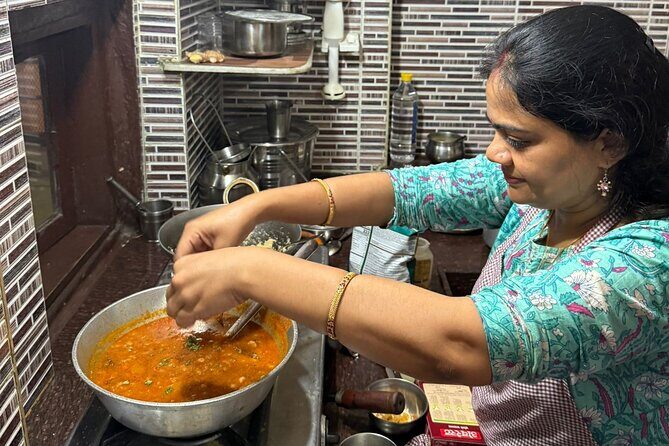
This isn’t a showroom class. It’s a meal-making session inside a real Rajasthani kitchen, where the point is connection as much as cooking skills. You’ll start with a welcome drink and move quickly into the foods and flavors that define Rajasthan.
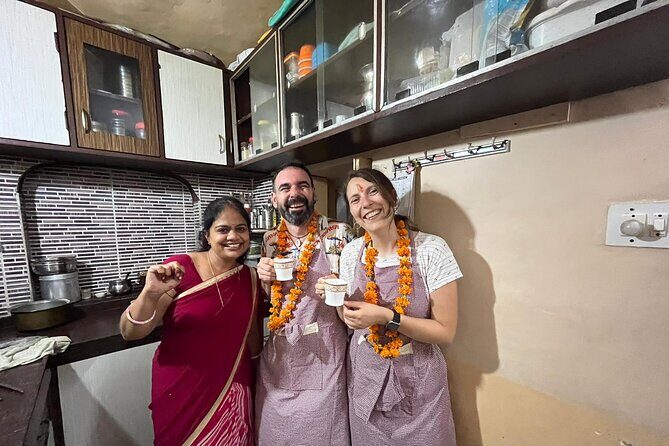
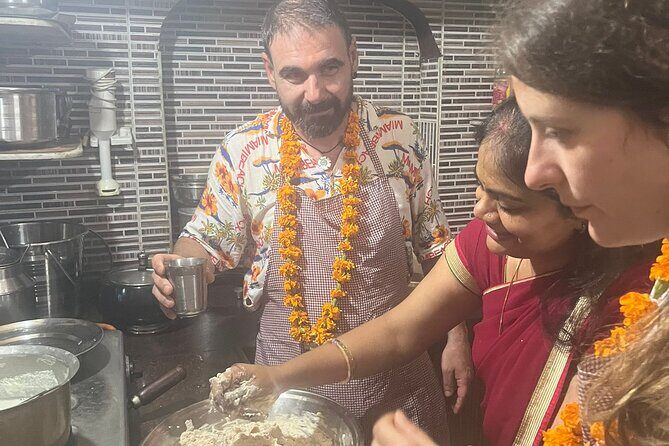
The standout theme from the experience is how personal the welcome feels. Swati and her family (including her mum Saroj) are described as instantly inviting, and they treat the group like part of the household for the evening. In one case, people even got greeted with marigold flower necklaces, which fits the overall vibe: warm, celebratory, and not at all stiff.
For me, the best value is tied to that setting. When you cook in a home kitchen, you tend to learn the small choices that make food taste right: how spices are used, how the dough feels, and how a dish is meant to come together. That’s the kind of knowledge you can actually bring back to your own kitchen.
The main trade-off is that you’re going local, not packaged. Expect a real neighborhood meeting point near Johri Bazar and the surrounding Bapu Bazar area. If you’re the type who likes everything timed to the minute with minimal walking, this is still doable, but you’ll want to arrive a bit early so you’re not sprinting through side streets.
You can also read our reviews of more city tours in Jaipur


What You Cook in the Pink City: Dal Baati Churma and More
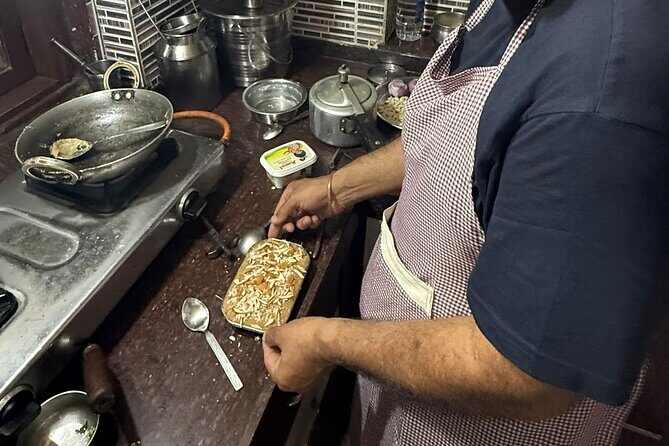
You’ll cook classic Rajasthan dishes, with hands-on help every step of the way. The menu items listed are dal baati churma, gatte ki sabzi, ker sangri, and homemade chapatis—so you’re not just doing one “tourist” recipe.
Here’s what those dishes mean in plain terms, and why they matter for your trip:
- Dal baati churma: The hearty heart of Rajasthan. Baati is the baked/roasted wheat dough component, dal is the spiced lentil part, and churma is the sweet-ish crumbled finish. Learning this gives you a full flavor range, not just one sauce.
- Gatte ki sabzi: A comforting dish built around gram flour “dumplings” in a spiced gravy. If you’ve only had chickpea dishes in Western-style curry form, this one shows how different the spice and texture can be.
- Ker sangri: A regional favorite made from desert beans and sangri (a local berry/seed ingredient). It’s a great dish to try because it’s tied to Rajasthan’s environment and food traditions.
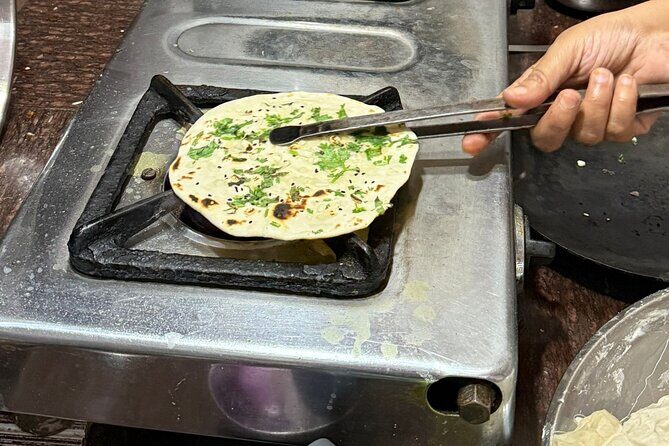
- Homemade chapatis: Simple on paper, but technique-heavy in real life. You’ll learn the basics of rolling and cooking so you can understand the flour, heat, and timing behind good bread.
There’s also a sense that you’ll have some say in what you make. One guest mentioned being able to make whatever they chose, within the session. So if you’re set on one dish, ask early when you’re there so you can align with what’s being prepared that day.
From Welcome Drink to Spice Stories: How the Class Actually Works
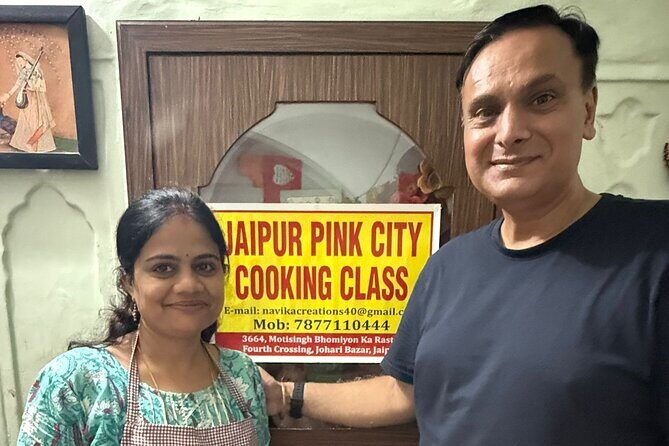
The flow is simple and easy to follow, which matters when you’re cooking on unfamiliar equipment with hot ingredients and a dozen new smells. The class begins with a welcome drink, then shifts to an introduction to spices, herbs, and key ingredients used in Rajasthani cuisine.
This spice talk isn’t just trivia. It’s meant to help you understand how flavors are built in this style of cooking. You’ll hear about the cultural significance of ingredients and how they’re used to create bold, aromatic flavor—so when you add something to a pot, you’re not guessing.
Then you get hands-on. The cooking steps are guided, and the class is described as friendly for beginners. In other words, you don’t have to already be the kind of person who can crack an egg with one hand and season with the other.
During the hands-on part, you’ll be surrounded by family members and helpers in the kitchen. That matters because it makes the session smoother. When something needs adjusting—heat too high, dough too sticky, spice mix too strong—you get quick feedback instead of waiting around.
Finally, you all sit together to eat what you cooked. This is a big part of why the class feels memorable: you don’t rush out right after you finish. You get the taste test immediately, in the same space where you cooked, like a real family gathering.
Lunch and Dinner You Make: The Payoff in One Sitting
This class is priced so you’re not just buying instructions. You’re also paying for a full meal experience, since lunch and dinner are included. That’s a strong value angle for Jaipur, especially if you’d otherwise spend your evening hopping from one restaurant to another.
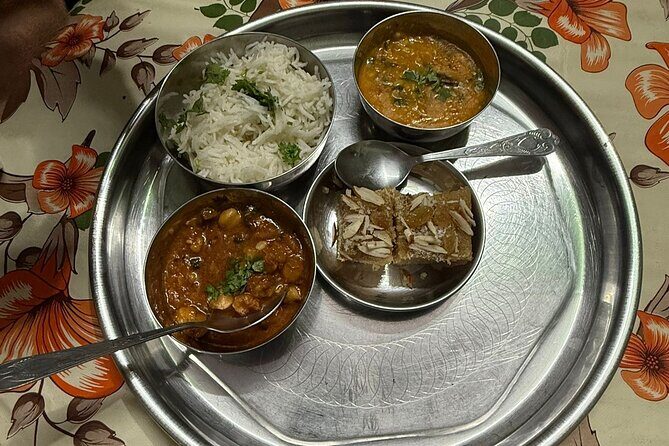
When the dishes are ready, everyone sits down together. The point is to enjoy the food you made as a group meal, not as a takeout situation. You’ll get to try dal baati churma, gatte ki sabzi, ker sangri, and the chapatis you cooked—so you end up with a satisfying spread rather than one plate.
One practical note: alcohol is not included. If you want a drink, plan around that. The welcome drink is part of the session, but you should assume it’s non-alcoholic since alcoholic beverages aren’t covered.
The other payoff is confidence. One guest specifically described the experience as something you can replicate at home. When you cook in small steps with guidance, the recipes stop being abstract and start becoming repeatable.
Price, Group Size, and Ticket Style: The Practical Side
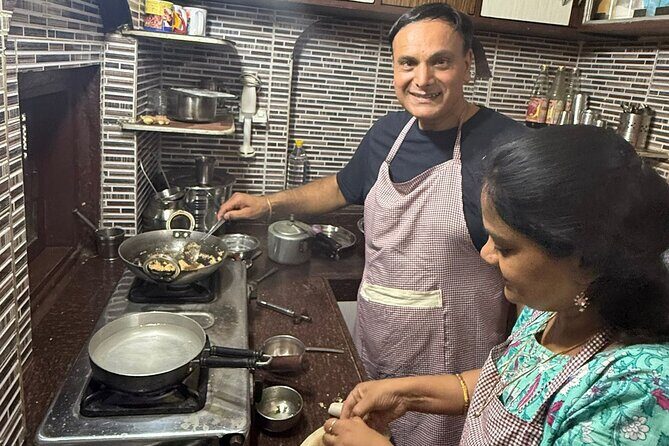
Let’s talk value first. At $20.13 per person for about 3 hours 30 minutes, plus lunch and dinner, this can feel like a bargain—especially because you’re cooking in a household kitchen rather than a generic classroom setup. You’re also not paying extra for the main activity ingredients in the way you sometimes do with cooking workshops.
The group size is capped at 6 people, and it’s private for your group. That’s important because it reduces waiting time. You’re more likely to get hands-on time with the dishes and tools, and it’s easier to ask questions without feeling like you’re competing for attention.
You’ll also get a mobile ticket, which is convenient for day-of logistics. No printing. Just have your phone ready and keep your address handy.
One small consideration: the class lasts about 3.5 hours. If your schedule is tight, this is still manageable, but you’ll want to plan something relaxed afterward instead of jumping straight into a long sightseeing push.
You can also read our reviews of more cooking classes in Jaipur

Where to Meet and How to Plan Your Timing in Jaipur
The meeting point is listed as Jaipur Pink City Cooking Class, with the address shown near Bhatto Ka Rasta and Johri Bazar. The full address line is:
Motisingh, Bhomiyon, 3664, Bhatto Ka Rasta, Johri Bazar, Bapu Bazar, Biseswarji, Jaipur, Rajasthan 302003, India
This location is helpful because it’s near public transportation. You don’t need to hire a private car just to get there. Still, those markets and old-street areas can be a bit of a navigation puzzle if you’re unfamiliar with the lane patterns.
Here’s how I’d plan it: arrive early enough to find the exact doorway and settle in. Wear comfortable shoes, because even a short walk through the neighborhood can add up when you’re carrying nothing but your curiosity.
The activity ends back at the meeting point. So it’s easy to build into your evening rhythm: you come back to where you started, rather than ending somewhere far away.
Who Should Book This, and Who Might Skip It
This is best for you if you want more than a meal. If you’re into local flavors, spices, and food culture that you can taste and learn at the same time, this fits well. It’s also a good choice if you like the idea of asking questions in a home setting, because the kitchen is busy with family members and helpers.
You’ll also enjoy it if you want regional Rajasthan dishes, not just common North Indian restaurant staples. Ker sangri is the kind of ingredient that makes a trip feel more specific to the region.
It may not be ideal if you have very strict timing, since it’s a 3.5-hour block. And if you’re expecting a high-tech class with lots of sterile equipment, the “real home kitchen” style may feel different than you pictured.
If you have dietary restrictions, this is still worth considering because Swati is described as contacting people ahead of time to ask about restrictions. Just make sure you communicate clearly so the household can adjust what they prepare.
Should You Book This Jaipur Pink City Cooking Class?
Book it if you want a hands-on Rajasthan cooking experience with a genuine family welcome and a meal payoff that’s baked into the price. The combo of home setting, small group size, and lunch plus dinner included makes it a strong way to spend part of your day in the Pink City.
Skip it only if you need a totally predictable, impersonal schedule, or if you’re not interested in cooking basics like chapatis and spice-building. Otherwise, this looks like one of those trips that teaches you something you can use later, not just a nice evening you forget.
FAQ
What dishes will I learn to make?
The class focuses on dal baati churma, gatte ki sabzi, ker sangri, and homemade chapatis.
How long is the cooking class?
It runs for about 3 hours 30 minutes.
Is lunch and dinner included?
Yes. Lunch and dinner are included with the experience.
Do I need to bring anything or use a mobile ticket?
You’ll use a mobile ticket. The experience description doesn’t list any other items you must bring.
How big is the group?
It’s private for your group, with a maximum of 6 people per booking.
Is alcohol included?
No. Alcoholic beverages are not included.
What if I need to cancel?
You can cancel for a full refund if you cancel at least 24 hours before the experience’s start time. If you cancel less than 24 hours before, the amount paid is not refunded.