REVIEW · CITY TOURS
Culture and Heritage Walk | Pink City Jaipur
Book on Viator →Operated by Nomadic Tours India · Bookable on Viator
Pink City stories work best on foot. This guided market-first walk shows Jaipur one lane at a time, with quick stops at famous sights and plenty of time for snacks and sweets from long-running shops.
I really like that you’re not stuck staring at monuments; you’re learning what people actually buy, sell, and celebrate in the old city. The pace feels built for first-timers who want meaning, not just photos.
One possible drawback: it’s a walking tour through crowded bazaars, so if you prefer quiet sightseeing or long museum-style pauses, you may find the 3 hours a bit much. Also, the experience requires good weather, so plan accordingly.
In This Review
- Key highlights you should actually care about
- Starting at Golcha Cinema: your Pink City game plan
- Hawa Mahal from the outside: quick photos, not museum time
- Bapu Bazar: where Jaipur branding meets everyday shopping
- Tripolia Bazar: antiques, utensils, locks, and worship metal
- Johri Bazaar: jewelry as Jaipur’s long-running economy
- Food and sweets: tasting Jaipur without guessing
- Why the guide makes the difference in Pink City
- Walking time and comfort: plan like a local
- Price and value: what $20 buys you in Jaipur
- Who should book this Pink City walk?
- Should you book it? My practical take
- FAQ
- What is the duration of the Culture and Heritage Walk | Pink City Jaipur?
- How much does the tour cost?
- Where do I meet the guide?
- Which stops are included on the walk?
- How large are the groups?
- What if the weather is bad or I need to cancel?
Key highlights you should actually care about
- Small group size (max 10) for easier conversation and fewer bottlenecks in busy lanes
- Hawa Mahal viewing from the outside plus quick photo time, not a ticketed monument visit
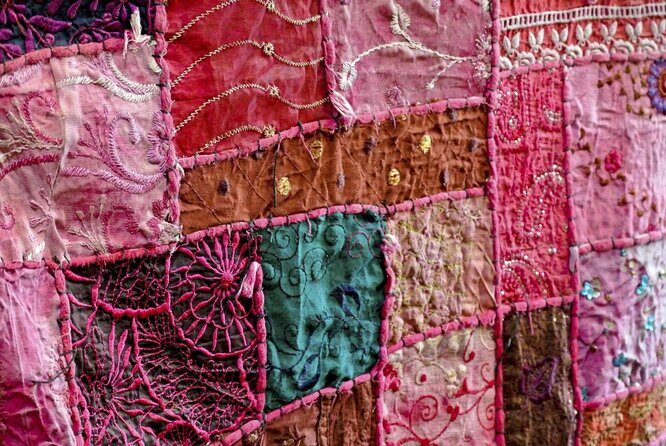
- Bapu Bazar stops focused on what Jaipur is known for, including products and art tied to the region
- Tripolia Bazar for antiques, utensils, locks, and metal items used in worship
- Johri Bazaar jewelry focus with context on how this market has shaped Jaipur’s economy for about 150 years
Starting at Golcha Cinema: your Pink City game plan
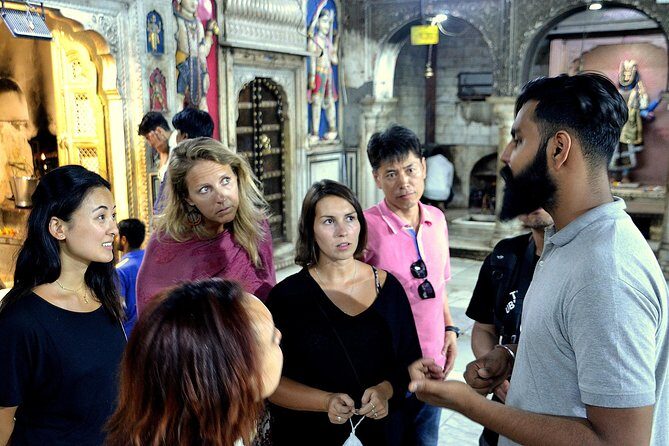
You’ll meet at Golcha Cinema on Chaura Rasta Rd, New Gate, Bapu Bazar. That’s a handy anchor point because you’re starting right where Jaipur’s old-city energy starts to show up—shops nearby, lanes to wander, and a feel for the Pink City before you hit the big-name landmarks.
The tour runs about 3 hours, and the group is kept to 10 people max. That matters more than it sounds. In tight bazaars, smaller groups mean you don’t spend the whole time squeezing through crowds or waiting for someone to catch up. It also makes it easier to ask questions when the guide points out something specific—like a craft tradition, a shop style, or the purpose of a ritual object.
You get a mobile ticket, and most stops are described as free to view. Translation: you’re paying mainly for local guidance, pacing, and the access to places you’d likely miss on your own.
You can also read our reviews of more walking tours in Jaipur


Hawa Mahal from the outside: quick photos, not museum time
You’ll only see Hawa Mahal from the outside, with a short history chat and time for pictures. It’s listed as about 5 minutes, and that’s intentional. This isn’t a deep architectural study or an interior visit. It’s a classic “get oriented” stop—so you can connect the monument to the surrounding lanes and market life that make Jaipur feel like a living city.
For your photo plan, think practical: bring a phone camera setting you trust, and don’t expect perfect angles right on top of the monument. The guide’s real value here is pointing out what to notice quickly so you’re not hunting for details while everyone else moves on.
If you’re the type who wants inside visits and long-ticket attractions, you may feel slightly underfed. But as an entry point into the Pink City’s market geography, it works.
Bapu Bazar: where Jaipur branding meets everyday shopping
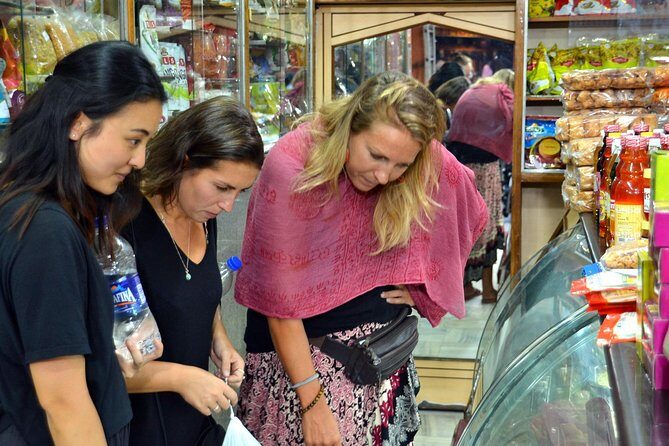
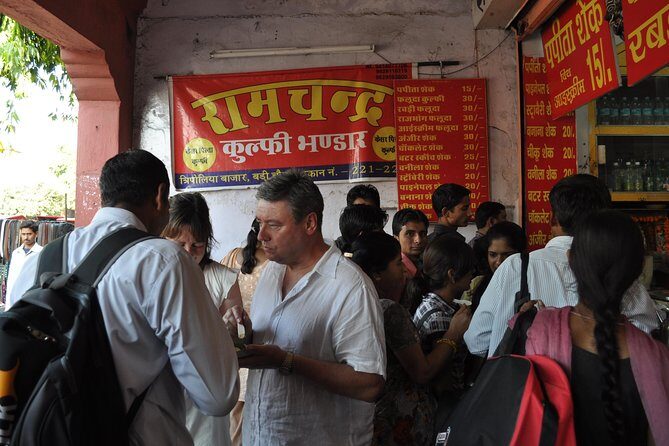
Next comes Bapu Bazar. This is one of those markets that can be loud and confusing if you go in alone. With a guide, it becomes more structured: you’re shown the products and art famous from Jaipur and also items connected to villages nearby.
That village-to-city link is the key idea. Jaipur isn’t just a set of monuments; it’s an economy made of supply chains—materials, crafts, and styles that move from regional makers into city shops. Even if you don’t plan to buy, you’ll learn how to look at objects with context.
The stop is about 15 minutes, so you won’t get stuck. You’ll have enough time to notice the types of things the market is known for, and—more importantly—you’ll understand the stories behind why those things matter.
Tripolia Bazar: antiques, utensils, locks, and worship metal
Then you head to Tripolia Bazar, located next to the wind palace area. This stop has a very specific theme: antiques, utensils, locks, and metal products used to worship Gods.
That’s a great clue for what kind of tour this is. The guide isn’t only pointing out what looks impressive; they’re showing you what objects are used for and why they exist in the daily life of a religious city. In many places, markets sell “stuff.” Here, you’re learning how certain goods connect to practices of devotion.
It’s also a stop that rewards curiosity. If you love details—how something is made, what it’s used for, why it has a particular shape—Tripolia Bazar is a strong match. The downside is the same as any busy market: it can be hectic to slow down and look closely, especially if you’re traveling at a slower pace or you’re sensitive to crowds.
Johri Bazaar: jewelry as Jaipur’s long-running economy
Your final major market stop is Johri Bazaar, and this one comes with a big historical anchor: jewelry is described as one of the oldest sources of the city’s economy, with the market dating back about 150 years.
Even without a deep technical lesson, this stop helps you understand Jaipur’s identity. Jewelry isn’t just a souvenir category here. It’s tied to craft traditions, trade patterns, and the way the city has supported skilled work for generations.
The tour keeps it focused—about 15 minutes—so you’ll learn the story and get a sense of the visual language of the market without turning it into a shopping marathon. If you do want to buy, having context first is a huge advantage. You’ll know what you’re looking at beyond the surface.
You can also read our reviews of more city tours in Jaipur




Food and sweets: tasting Jaipur without guessing
One of the most practical promises of this tour is that it includes snacks and sweets from legendary shops in the old city, including shops described as operating for 50+ years. That long-running element matters. These aren’t random street bites that could vary day to day; the focus is on places that have built a reputation over time.
The tour is also described as including tastings and even tea drinking at spots you’d be unlikely to find on your own. In plain terms: you get a chance to try the flavors of the Pink City with a guide doing the hard part—choosing where to go and what makes sense to order.
A quick practical tip: if you’re heading to lunch right after, pace yourself. You’ll likely be eating in small bites across the walk, which adds up faster than you expect.
If you’re watching spice levels, stick close to what the guide recommends. Markets can be spicy, sugary, or both, and asking one question can save you from a bad surprise.
Why the guide makes the difference in Pink City
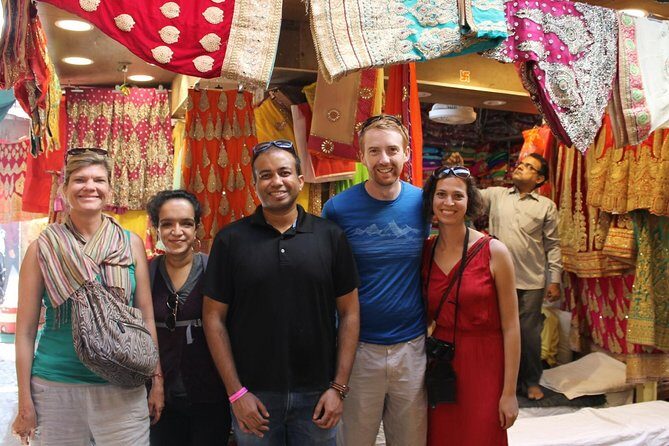
The walk is guided, and the operator notes a female guide. What you can count on, based on guide names shared by past groups, is that the person leading the route knows Jaipur inside out. Names you may encounter include Harshit, Deepak, Ayush, and Aayush.
You’ll feel that expertise in two ways:
- Stories that explain the why, not just the what. That turns bazaars into a lesson about how people live and worship and trade.
- Small navigational help, like showing you lanes and corners that would be easy to miss—or uncomfortable to enter—without someone who knows the flow.
Even when the stops are short, the guide’s job is to give you enough context to make those stops stick in your mind. That’s why this works as a “first day in Jaipur” kind of experience: it helps you learn how to read the city.
Walking time and comfort: plan like a local
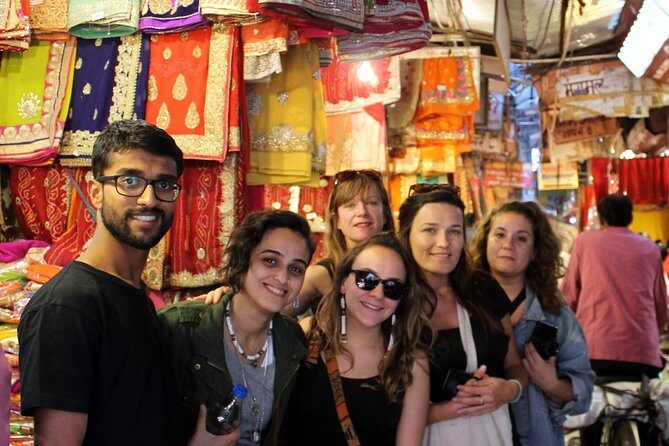
This is, at heart, a walking tour through old-city lanes and markets. That means:
- Wear comfortable shoes you don’t mind getting crowded or dusty.
- Keep your phone charged, because you’ll want pictures at places like Hawa Mahal.
- Expect some busy sidewalks and store-front congestion, especially around bazaars.
It also requires good weather. If rain hits, don’t assume you’ll soldier on. The experience is set up to handle weather changes by offering a different date or a refund, depending on what happens.
If you’re traveling with very limited mobility or you need long seated breaks, this walk may not be the right fit. It’s designed for movement and short stops, not for long rest periods.
Price and value: what $20 buys you in Jaipur
At $20 per person, this is priced for people who want value without a big-budget day. What you’re buying isn’t a museum ticket or a private car ride—it’s guided orientation plus access to market knowledge and food/sweet tastings.
What makes the price feel reasonable is the mix:
- multiple market stops tied to what Jaipur is known for
- quick, purposeful monument viewing (outside-only)
- food and sweets from 50+ year shop traditions
- a max 10 group so the guide can actually talk to you
If you like wandering but hate the guesswork—where to go, what to notice, and what to eat—this is exactly the kind of tour that saves you time and helps you enjoy Jaipur more once you’re out on your own.
Who should book this Pink City walk?
You’ll likely love this if:
- you’re in Jaipur for the first time and want a grounded feel for the old city
- you enjoy markets, crafts, and religious architecture by context
- you want snacks and sweets with a guide choosing reliable stops
- you like learning short facts that make the streets feel less random
You might skip it if:
- you want major monument interiors and long ticketed attractions
- you’re uncomfortable with crowds or fast walking between stops
- you’re traveling on a tight schedule where a full 3-hour walk is hard to fit
If you can choose timing, you may prefer an evening-style option—some people love the Pink City look when lights turn on and the streets feel calmer.
Should you book it? My practical take
If your goal is to understand Jaipur beyond postcards, book this. It’s short enough to fit neatly into your day, guided enough to keep you from getting lost in the funhouse chaos of bazaars, and focused on the details that make the city make sense.
Do it early if you can. A heritage-and-markets walk like this gives you a framework for everything else you’ll see later—especially the way Jaipur’s economy, craft work, and devotion overlap.
Just come ready to walk, and don’t overcommit your next meal right after. Your stomach will need time to recover from the sweets and snacks.
FAQ
What is the duration of the Culture and Heritage Walk | Pink City Jaipur?
It lasts about 3 hours.
How much does the tour cost?
The price is $20.00 per person.
Where do I meet the guide?
The meeting point is Golcha Cinema, Chaura Rasta Rd, New Gate, Bapu Bazar, Pink City, Jaipur, Rajasthan 302003, India.
Which stops are included on the walk?
The tour includes Hawa Mahal (viewed from the outside), Bapu Bazar, Tripolia Bazar, and Johri Bazaar.
How large are the groups?
The group size is capped at maximum 10 travelers.
What if the weather is bad or I need to cancel?
The experience requires good weather. If it’s canceled due to poor weather, you’ll be offered a different date or a full refund. Cancellation is free up to 24 hours in advance for a full refund.