REVIEW · PHOTOGRAPHY SESSIONS
Jaipur: Private Instagram Tour of Top Photography Spots
Book on GetYourGuide →Operated by Rajasthan India Tour Driver · Bookable on GetYourGuide
Your camera gets a workout in Jaipur. This private Instagram-focused tour strings together the city’s most photogenic corners with a guide who helps you see what you’re shooting. I especially like the built-in photo stops that hit both famous landmarks and more camera-friendly side streets.
I also like that the day isn’t just sightseeing on a loop. You get a local guide who explains what you’re looking at and helps with memorable photos, plus private transport that keeps you from wasting time on complicated city logistics.
The main thing to consider is that monument entrance fees and meals aren’t included, and the day includes a moderate amount of walking. Also, there’s a shopping block, so if you want strictly photography time, you’ll want to set expectations with your guide.
In This Review
- Key highlights that make this tour work
- A 10-Hour Photo Mission Through Jaipur’s Pink City
- Price and Value: What $9 Buys You (and What It Doesn’t)
- Pickup, Tuk-Tuk or Car, and Why the Logistics Matter
- Patrika Gate in Morning Light: Color Corridors for Candid Portraits
- Jal Mahal Views and the Water Palace Frame
- Panna Meena ka Kund and Amber Fort: Geometry, Courtyards, and Antique Doors
- Gaitor Ki Chhatriyan and Hawa Mahal for Strong Composition
- City Palace and Jantar Mantar: Palaces Meet Science Frames
- Albert Hall Museum at Night Potential and Jaipur Bazaars for Street Style
- Photo Tips That Actually Help on This Kind of Day
- Should You Book This Jaipur Instagram Photo Tour?
- FAQ
- How long is the Jaipur private Instagram photography tour?
- Is this a private tour?
- What transport options are available during the tour?
- Are monument entrance fees included?
- Is lunch or any meal included?
- Do I need a passport or ID for this tour?
- What languages do the guide or greeter speak?
- Where do pickups happen?
- Is the tour wheelchair accessible?
Key highlights that make this tour work
- Photo-first pacing for a full 10 hours so you’re not rushing between “must-sees.”
- Patrika Gate corridors for colorful candid portraits, especially with good morning light.
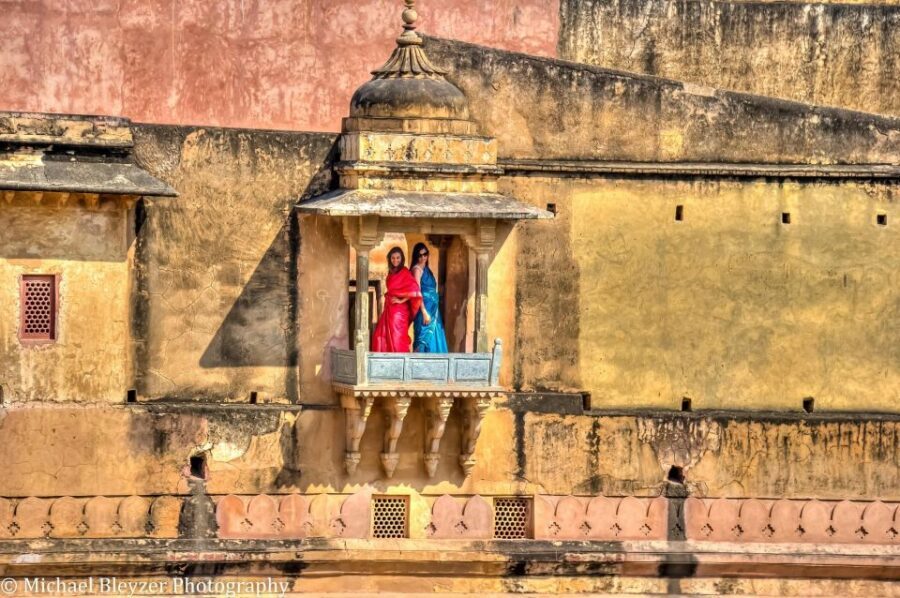
- Amber Fort with courtyards, pols, and that dramatic door-and-arches look.
- Gaitor Ki Chhatriyan near Amber when you want strong photos without heavy crowds.
- Jantar Mantar’s giant sundial and instruments for science-style composition.
- Albert Hall Museum photography that can look especially good when lit up in the evening.
A 10-Hour Photo Mission Through Jaipur’s Pink City
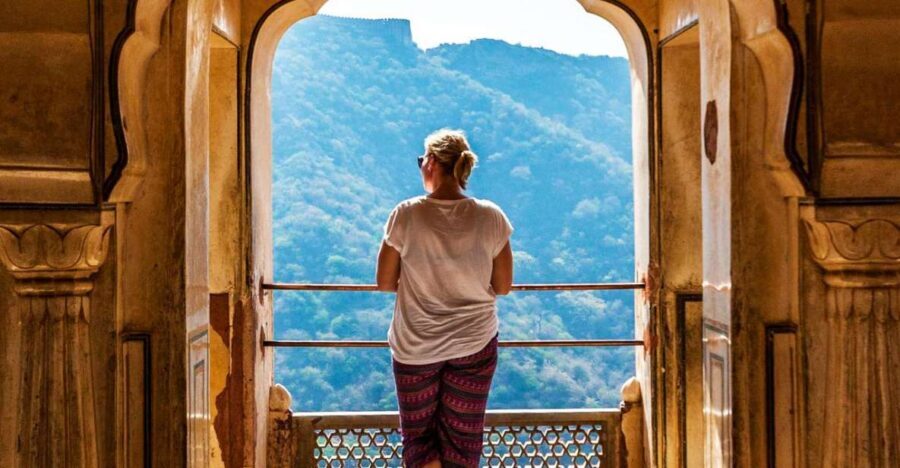
This is the kind of Jaipur day that feels like a visual scavenger hunt, but with structure. You’ll roll past major sights, then stop long enough to actually frame shots and shoot from angles you’d miss on your own. With a private group, you can also slow down if your camera needs a breather.
What makes it fun is the mix: big-name icons like Hawa Mahal and City Palace, plus architectural “Instagram bait” like patterned stepwells and geometric staircases. You’re not only chasing famous buildings. You’re also collecting textures—carved stone, painted facades, and doorways that beg for close-ups.
You’ll walk some, but you’re not dragging your bag all over the city. The private car or tuk-tuk handles the in-between travel, which matters in Jaipur traffic.
You can also read our reviews of more private tours in Jaipur
Price and Value: What $9 Buys You (and What It Doesn’t)
At $9 per person for a 10-hour private tour, the value is the time and the planning. You’re paying for access to a local guide, coordinated photo stops, and transport. For a solo traveler or a small group, that adds up fast if you tried to piece it together with taxis and separate guided visits.
Two important cost realities: entrance fees aren’t included, and there’s no meal provided. That doesn’t make the deal bad—it just means you should budget a bit more for tickets and snacks. Also, mineral water is included, which is a small but helpful touch when you’re out all day.
If you’re mainly interested in photography, you’ll feel the value most. The tour is built around viewpoints and photo-friendly locations, not just checking boxes.
Pickup, Tuk-Tuk or Car, and Why the Logistics Matter
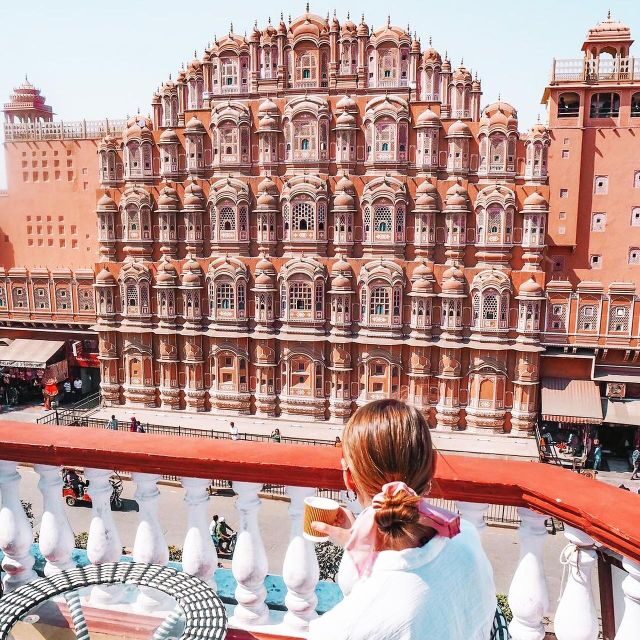
The tour is set up for convenience from the start. You get hotel/airport/railway station pickup and drop, and you can also be collected from a long list of areas across the city. That’s handy if you’re staying outside the thick tourist zone.
Transport is the real comfort lever. For 1–2 people, you may go by 3-wheels tuk-tuk or a 3-seater sedan (like a Toyota Etios or similar). For larger groups, you’ll use a bigger wagon or van depending on party size. In plain terms: you should be able to stay together and avoid the chaos of splitting up.
One more practical detail: the tour includes skip-the-ticket-line. That can save time at monuments, especially on busy days. And since walking is involved, having a driver handle repositioning helps you keep your energy for photos instead of traffic stress.
Patrika Gate in Morning Light: Color Corridors for Candid Portraits
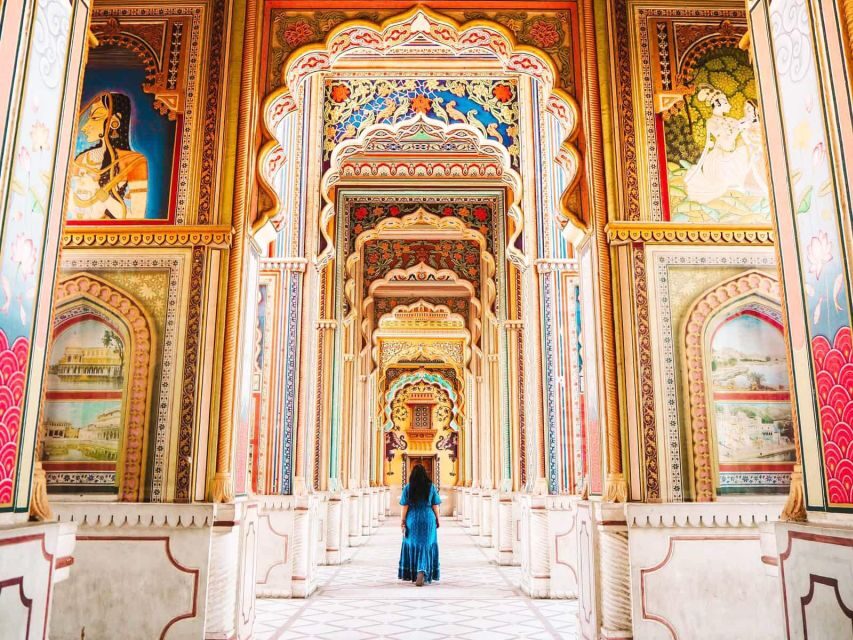
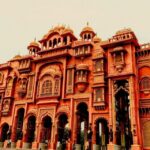
Your day starts with one of Jaipur’s most photogenic spots: Patrika Gate. Think brightly colored corridors designed for photos. The look is graphic and clean, with strong lines that help your background stay crisp while people (and your camera) become the focus.
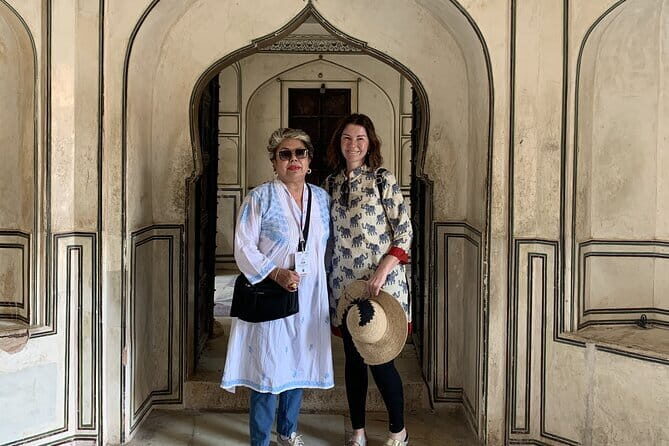
This is a stop where the guide’s role is actually useful. A good guide helps you choose where to stand, how to angle your shots so colors don’t wash out, and when to switch from portraits to architecture-only frames. The plan includes time to visit and take photos, so you’re not stuck for two minutes and done.
If you’re shooting Instagram-style candids, this is the right energy. You can layer shots: wider frames that show the corridor geometry, plus tight crops on color and textures.
Jal Mahal Views and the Water Palace Frame
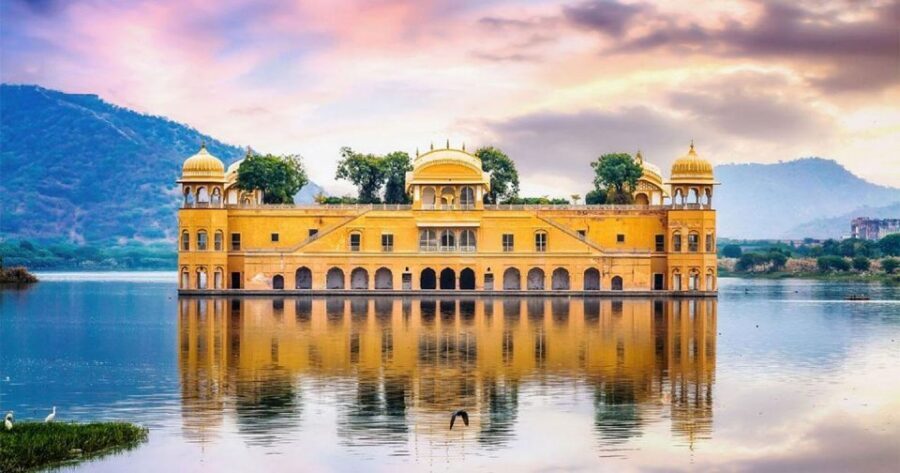
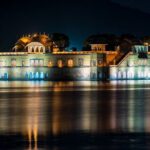
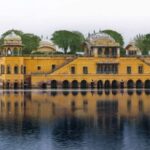
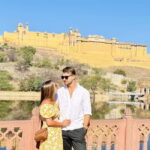
Next up: Jal Mahal, the Water Palace viewpoint. The main draw here is the contrast—an iconic palace silhouette with the water perspective built in. Even when the water details aren’t the star, you’re still working with a recognizable shape that photographers love.
The tour window includes a photo stop plus a guided visit, so you’re not just snapping from one angle. That helps if you want shots that show more of the surrounding context rather than only the palace itself.
One nice bonus from the tour description: seasonal migratory bird sightings can happen here. You can’t plan your whole shoot around birds, but it’s the kind of detail that can add life to an otherwise still-composition location.
You can also read our reviews of more photography tours in Jaipur
Panna Meena ka Kund and Amber Fort: Geometry, Courtyards, and Antique Doors
Panna Meena ka Kund is where your camera gets to chase shapes. This stepwell is famous for its intricate geometric staircases, and it’s one of those places that looks great in both wide shots and tight pattern close-ups. If you like symmetry, you’ll feel at home here.
The good news: the tour builds in enough time to work the angles. You’re not rushed, and you have a guide to point out what to look for visually so you spend less time wandering and more time shooting.
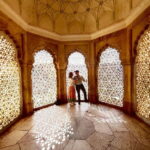
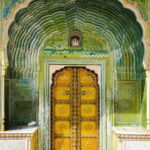
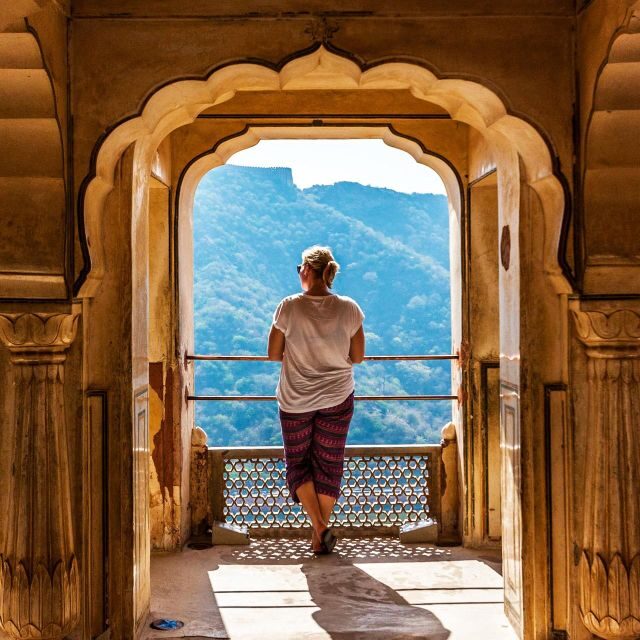
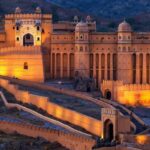
Then comes Amber Fort, a bigger, more layered stop with about two hours built in. This is where the tour earns its “photo tour” label. You’ll have time around courtyards and the pols (street-like lanes within the fort complex), plus those imposing antique doors that photograph like movie sets.
Amber Fort is also where comfortable walking shoes become non-negotiable. If your feet are happy, your photos look better. Plain truth.
Gaitor Ki Chhatriyan and Hawa Mahal for Strong Composition
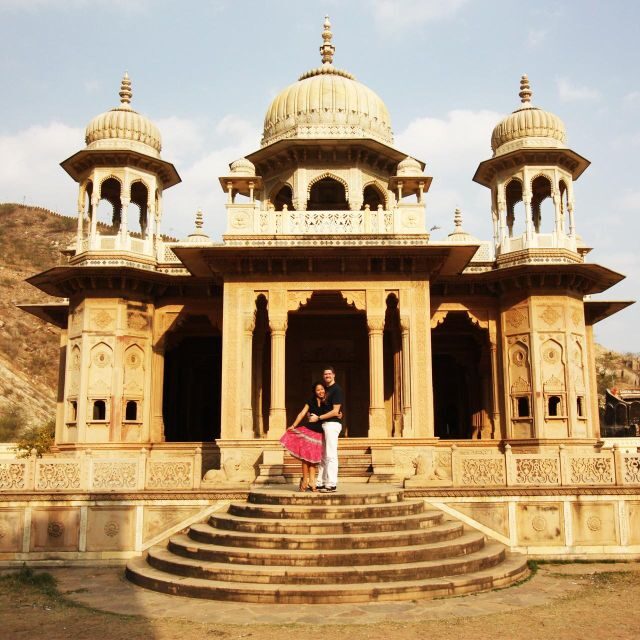
Right after Amber, you head to Gaitor Ki Chhatriyan. This is the part of the day that often feels calmer. The location is described as off-the-beaten-path near Amber, and at least some visitors experience it as peaceful with fewer crowds, which makes a real difference for photography. Less noise in the background means your compositions look cleaner.
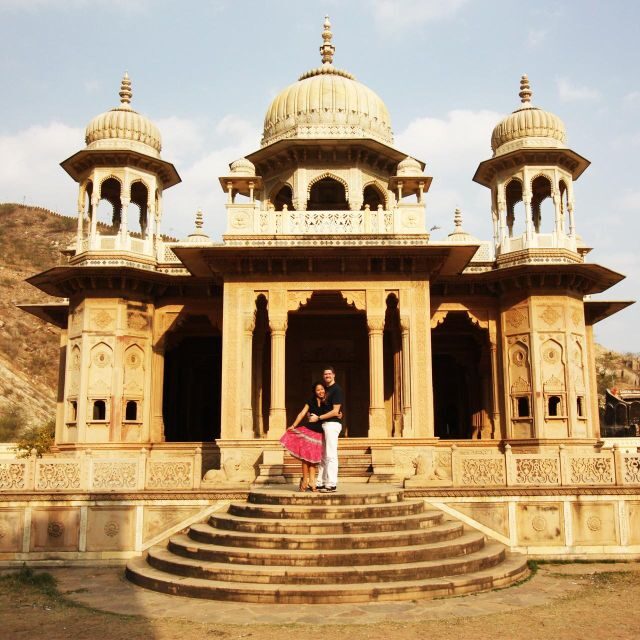
The chhatriyan (cenotaphs) also offer great architectural rhythm. You can shoot from multiple vantage points and still keep a consistent, dramatic feel.
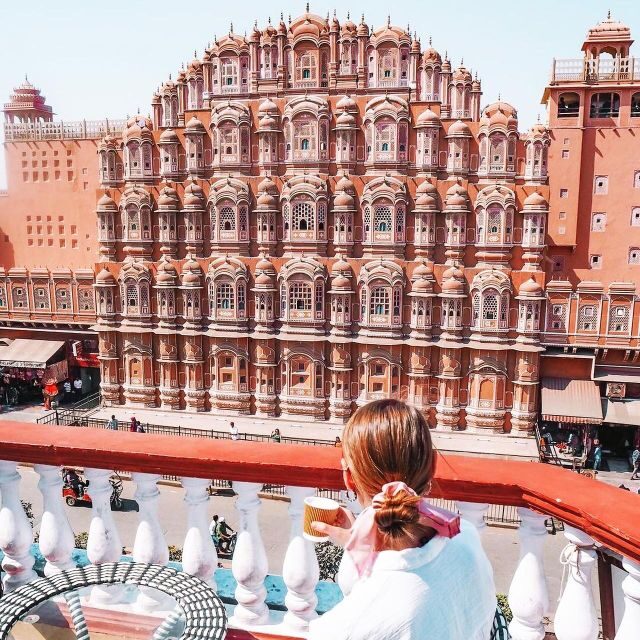
Then you shift to Hawa Mahal, the Palace of Winds. This is one of Jaipur’s most photographed landmarks, and it shows why: the facade has those repeating windows and strong patterns that work in both daylight and softer late-day light. You get time for a guided visit and photo stops, so you’re not stuck only at the main viewpoint.
City Palace and Jantar Mantar: Palaces Meet Science Frames
City Palace brings you into larger, more ornate interiors and grand rooms, plus the story of Chandra Mahal, known for its blue-walled look. This is a place where guided explanation helps, because you’ll understand what you’re seeing instead of only chasing the prettiest walls.
You also get time to walk, which matters here. In palace spaces, your best shots come when you move slowly and stop at the natural sightlines—corners, doorways, and courtyard views.
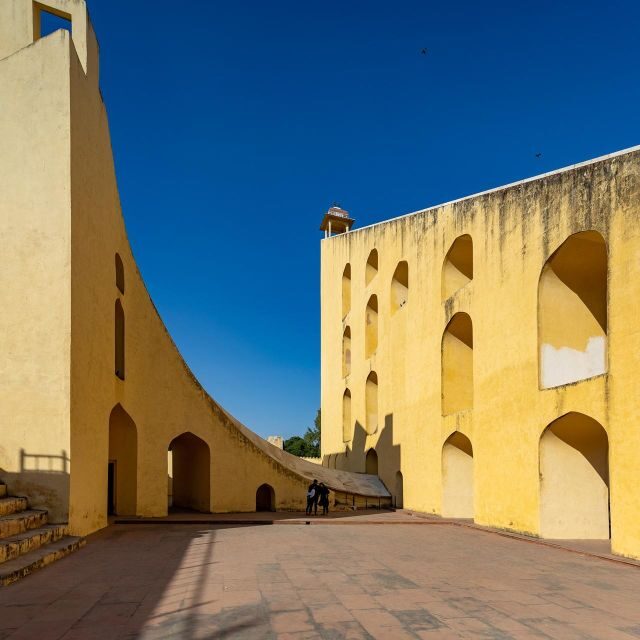
Next, Jantar Mantar shifts the mood from royal architecture to scientific design. You’ll see giant astronomical instruments, including the world’s largest sundial. The cool part for photographers is that it’s not just “a monument.” It’s built for observation, angles, and scale. If you shoot architectural details, this stop rewards patience.
Albert Hall Museum at Night Potential and Jaipur Bazaars for Street Style
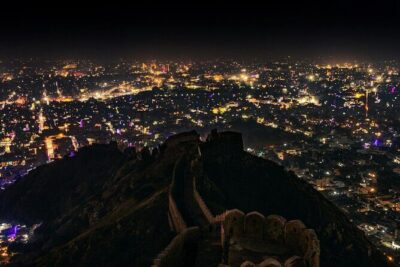
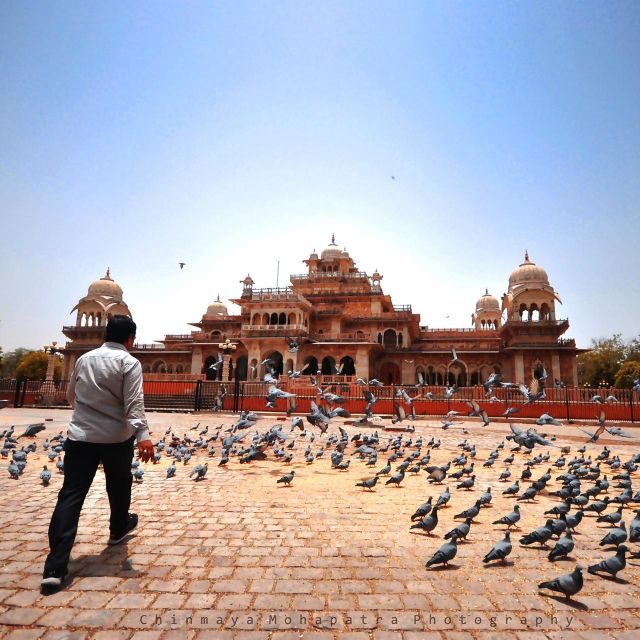
The tour finishes with Albert Hall Museum and then a time block in Jaipur for shopping and a walk. Albert Hall is known for its architecture, and it’s described as looking especially majestic at night with soft yellow lights. If your timing lines up for darker hours, it can turn into one of your best “low light” photo opportunities.
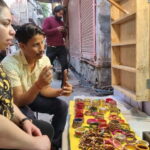
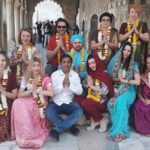
After that, the bazaars help you switch from landmark photography to street-style shots. This part of the day leans into color and everyday life: colorful stalls and traditional items that create backgrounds you can’t fake with a filter. It’s also where your guide’s personality can shape the experience. Some guides bring you into cultural stops like chai moments or add simple shopping time for block print fabrics and jewelry, especially if your group includes mixed interests.
The shopping component can be a mixed bag. One negative experience highlights how a photography-focused plan can get slowed down by extended sales stops. If you want maximum camera time, tell your guide early. Agree on what counts as a quick look versus a long detour.
Photo Tips That Actually Help on This Kind of Day
You’re going to move through very different lighting. Corridors can blow out color, palace facades may be harsh in midday sun, and museums often require you to adapt quickly.
Here are a few practical habits that fit this tour:
- Bring comfortable shoes and treat them like part of your camera kit. Moderate walking can add up by hour six.
- Wear smart casual clothes. If you plan to enter temple areas, short shorts and sleeveless tops are not recommended.
- Pack your camera essentials, plus a way to keep your gear dry. Jaipur weather can change your shooting plan fast.
- Use your guide for composition. The whole point is that you’re not doing this alone—let them help you pick angles instead of relying on guesswork.
Also, keep an eye on what you’re carrying. The tour notes no large bags and no pets, plus restrictions on alcohol and drugs. Travel light and you’ll feel less slowed down.
Should You Book This Jaipur Instagram Photo Tour?
I think this tour is a strong match if you want a structured day that is built around photography. The private guide angle is the difference maker, and the stops are chosen for camera-friendly variety: colorful gates, fort courtyards with antique doors, stepwell geometry, palace patterns, and the science-meets-architecture look of Jantar Mantar.
Book it if:
- You want private transport and a guide to handle the flow of the day.
- You care about getting shots at iconic Jaipur sites like Hawa Mahal, City Palace, and Amber Fort.
- You’re okay paying some extra money for entrance fees and you plan your own meal/snacks.
Maybe skip it or adjust expectations if:
- You want a strictly photography-only schedule with no shopping time. There is a shopping block, and not every style of shopping matches every photography-focused mindset.
- You dislike extended sales stops. If you prefer to browse quickly, tell your guide at the beginning of the day.
Overall, for the price, the balance of major landmarks plus photo-optimized stops makes it a good value option—especially when you communicate what you want to shoot.
FAQ
How long is the Jaipur private Instagram photography tour?
The tour lasts 10 hours.
Is this a private tour?
Yes, it’s listed as a private group.
What transport options are available during the tour?
You can travel by private tuk-tuk or by a car with a driver (option available). The vehicle type can vary by group size.
Are monument entrance fees included?
No. Entrance fees to the monuments are not included.
Is lunch or any meal included?
No meal or lunch is included.
Do I need a passport or ID for this tour?
You should bring a passport or ID card. A current valid passport is required on the day of travel.
What languages do the guide or greeter speak?
The host or greeter is available in English, French, German, Italian, and Spanish.
Where do pickups happen?
Pickup is included from the hotel, airport, railway station, or any other desired location. The service also lists many specific pickup areas across Jaipur.
Is the tour wheelchair accessible?
The tour is listed as wheelchair accessible, though there is also a moderate amount of walking.