REVIEW · PHOTOGRAPHY SESSIONS
Jaipur: Private Tour for Instagram and Photography Lovers
Book on GetYourGuide →Operated by Rajasthan Tour Driver · Bookable on GetYourGuide
Jaipur can feel huge, but this private photo tour turns it into a tight, shootable route through the Pink City. You’ll hit the most camera-friendly landmarks with a local guide, plus a driver that keeps things moving.
I especially like that the day is built around photo results, not just sightseeing. And I love the practical setup: a chauffeur-driven A/C private vehicle plus a guided flow that saves you from guessing where to stand, what to frame, and when to move on.
One consideration: the big sights mean walking and stairs, and while the tour notes wheelchair access, the provider also flags that it may not suit people with mobility impairments or back problems. If that’s you, check the walking parts before you book.
In This Review
- Key things that make this Jaipur photography day work
- Why Jaipur looks different when you have a plan
- Private pickup and an A/C car that keeps your day sane
- Patrika Gate at morning light: color corridors for sharp shots
- Hawa Mahal: the Palace of Winds shot with intention
- Jantar Mantar: turn your lens toward the science
- City Palace: blue walls, grand rooms, and best viewing flow
- Royal Gaitor Tumbas (Gaitor Ki Chhatriyan): carved stone that rewards close-ups
- Jal Mahal at Man Sagar Lake: small time, big payoff
- Panna Meena ka Kund: the geometry you can’t unsee
- Amber Fort: the one you plan for ahead of time
- The lunch stop and the food market break
- Traditional village arts & crafts workshop: watch work, not just buy
- Pink City street time: your final Instagram sprint
- Who this tour suits best
- Price and value: what $14 buys you (and what it doesn’t)
- The human factor: drivers and guides that make it feel easy
- Should you book this Jaipur Instagram and photography tour?
- FAQ
- How long is the Jaipur private photography tour?
- What does the tour include for transportation?
- Is a guide included, and what language do you get?
- Are monument entrance fees included in the price?
- Is lunch included?
- What are the major stops during the day?
- What should I bring, and are there any restrictions?
Key things that make this Jaipur photography day work
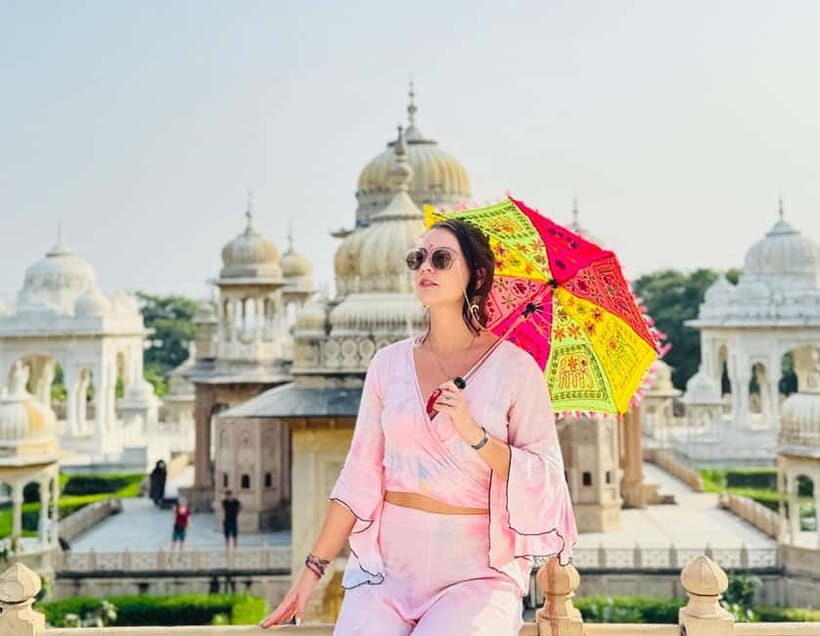
- Photo-first guidance at each stop, with help positioning for Instagram-ready shots
- Morning light at Patrika Gate, a favorite for strong color and geometry
- A/C private transport with fuel and parking included, so you’re not stuck battling traffic
- A loop of Jaipur’s most iconic shapes, from Hawa Mahal to Jantar Mantar
- Fort and cenotaphs for dramatic stone detail, including Gaitor Ki Chhatriyan
- A Pink City street segment at the end, with markets and arts & crafts browsing built in
Why Jaipur looks different when you have a plan
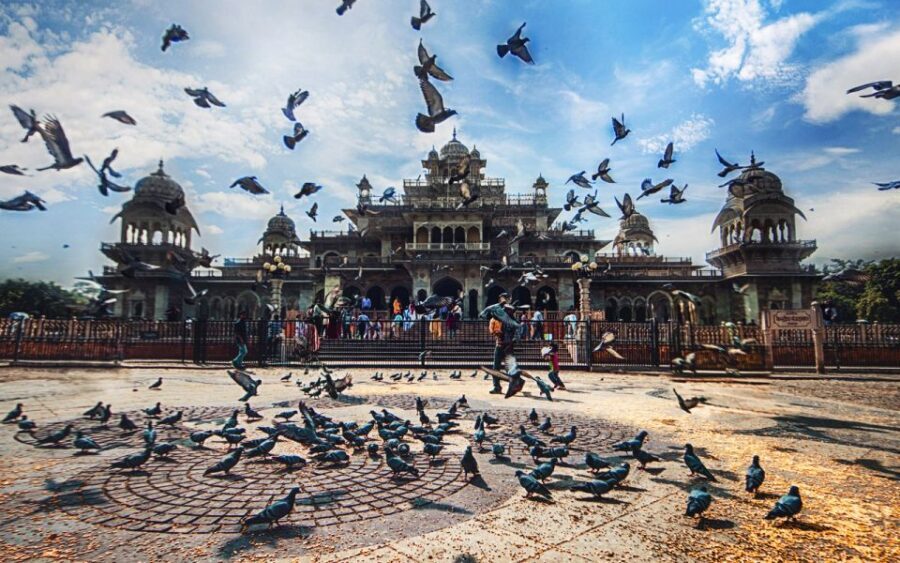
Jaipur is famous for its architecture, but what really grabs your camera is the way the city repeats patterns: arches, balconies, carved stone, and symmetrical facades. With a route like this, you don’t waste time running between spots or figuring out angles on the fly.
You also get a guide who can read the scene quickly. That matters at places like Hawa Mahal and City Palace, where small choices—where you stand, how you crop, what time of day you arrive—change the whole shot.
You can also read our reviews of more private tours in Jaipur
Private pickup and an A/C car that keeps your day sane
The tour includes pickup and drop-off from your hotel and other starting points in Jaipur (including Kukas). You ride in a private vehicle with an English-speaking driver, and fuel plus parking are included—nice because parking chaos can eat up your photo time.
Your vehicle size depends on your group: a 4-seater sedan for 1–2 people, a 6-seater SUV for 3–5, or a 12-seater minivan for 5–10. That’s a real quality-of-life detail. Fewer shared vibes, easier conversation, and you can spread out your camera gear without feeling cramped.
Patrika Gate at morning light: color corridors for sharp shots
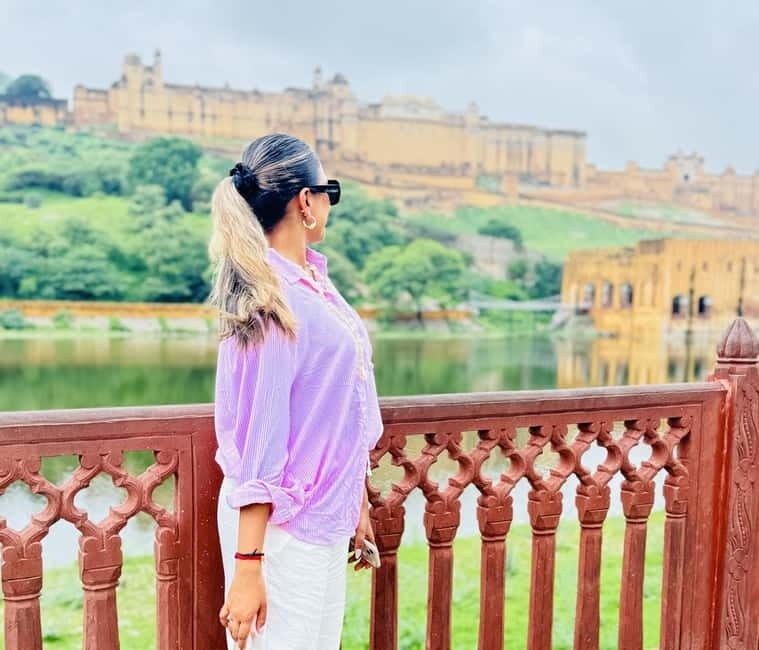
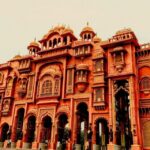
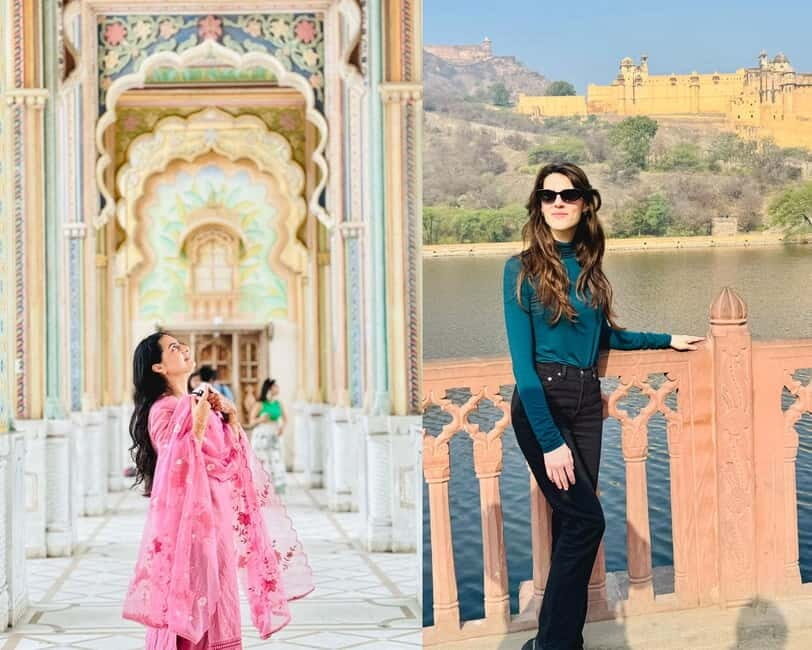
You start with Patrika Gate, and the emphasis here is on getting the right light and using the corridor as a background. The structure’s colorful corridors make it easier to create strong leading lines—those paths that pull the viewer’s eye deeper into the frame.
This is also where your photo helper becomes a big deal. If you want portraits, reflections, or architecture shots, having someone who helps you set up fast means you get more keepers and fewer half-finished attempts.
Tip for your camera: If you like crisp Instagram-style frames, focus on the edges and symmetry rather than trying to photograph everything at once.
Hawa Mahal: the Palace of Winds shot with intention
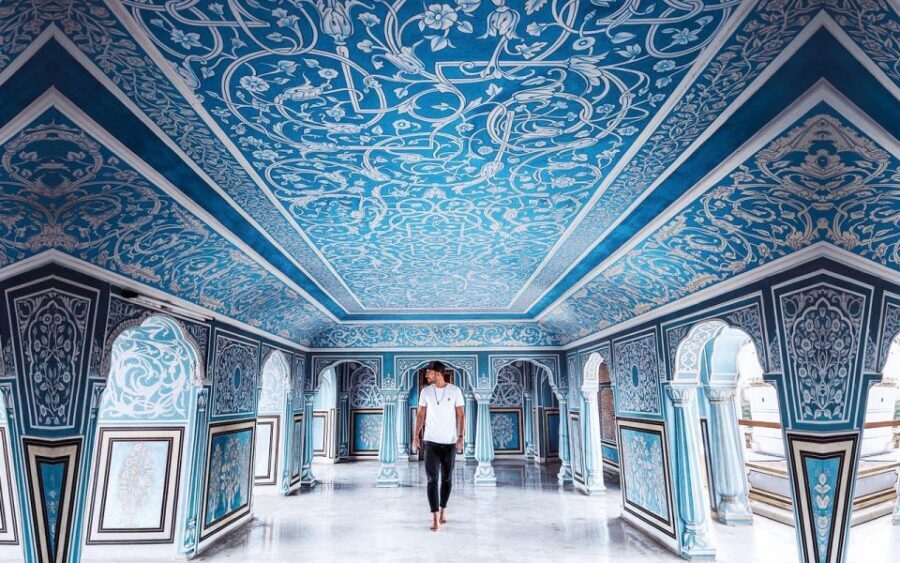
Hawa Mahal is the kind of landmark people photograph from one angle and call it done. The trick is using it like a repeating pattern: windows, tiers, and the contrast between pink stone and the sky.
Plan on spending enough time to change positions. Even a few steps can shift your angle so you capture the “face” of the building rather than a flat side view. With a guide, you’re more likely to end up at the spots that work well for your kind of photo (wide architecture vs. tight detail).
Jantar Mantar: turn your lens toward the science
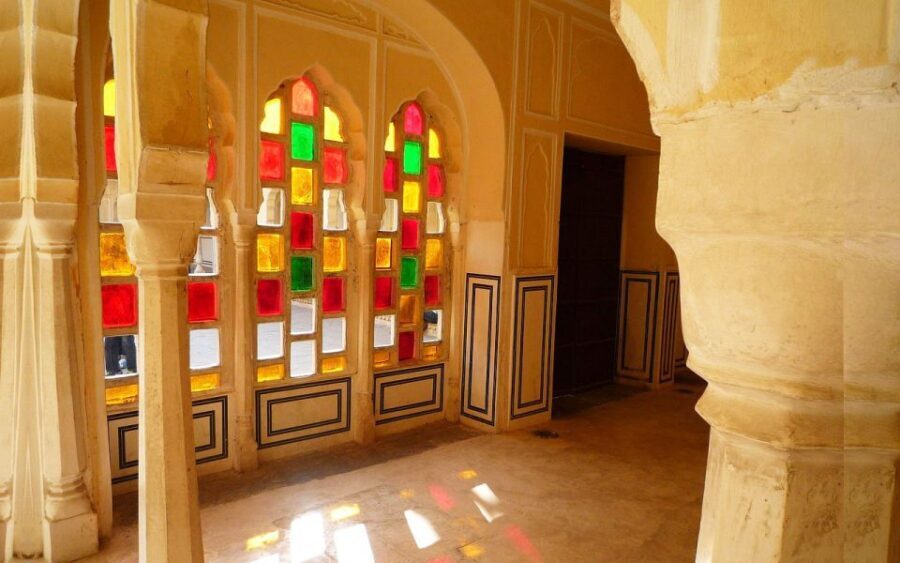
Jantar Mantar is an observatory with 19 instruments, including the world’s largest stone sundial. This place is ideal for photographers because it’s all clean shapes—circles, arcs, markers—built for measurement.
Because the area is a UNESCO World Heritage site, you’ll want to photograph both the instruments and the overall layout. A guide helps here by pointing out what to look for, so your photos aren’t just pretty, but also make sense when you review them later.
Photo idea: Look for scale. Include a person silhouette or foreground detail to show size.
You can also read our reviews of more photography tours in Jaipur
City Palace: blue walls, grand rooms, and best viewing flow
City Palace adds a more “royal interior” feel to the day, especially with Chandra Mahal’s striking blue tones. Even if you don’t go deep into galleries, the outside views and main areas give you solid architecture shots that feel distinctly Jaipur.
This stop also gives you a breather in the schedule. You can slow down, switch from shooting facades to capturing textures—doorways, ceilings, and the way courtyards frame buildings.
Royal Gaitor Tumbas (Gaitor Ki Chhatriyan): carved stone that rewards close-ups
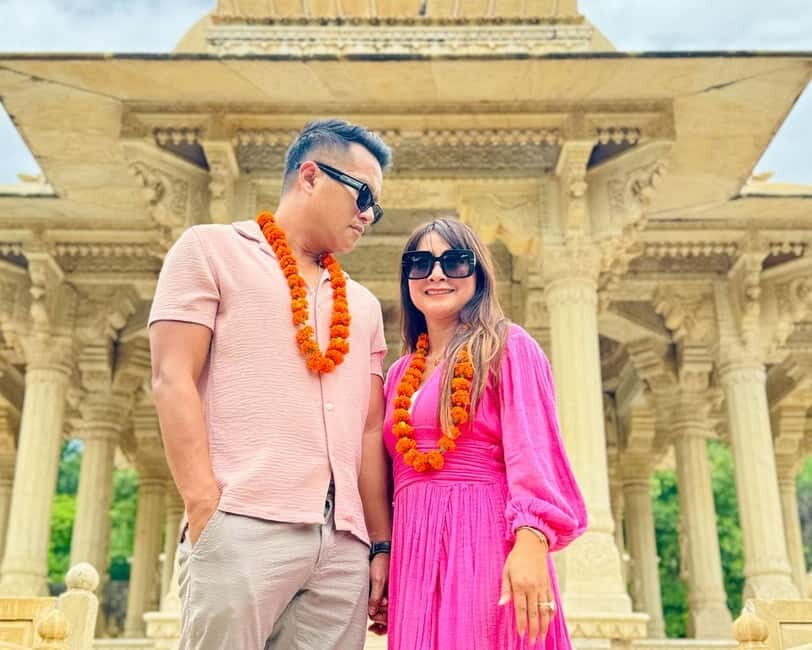
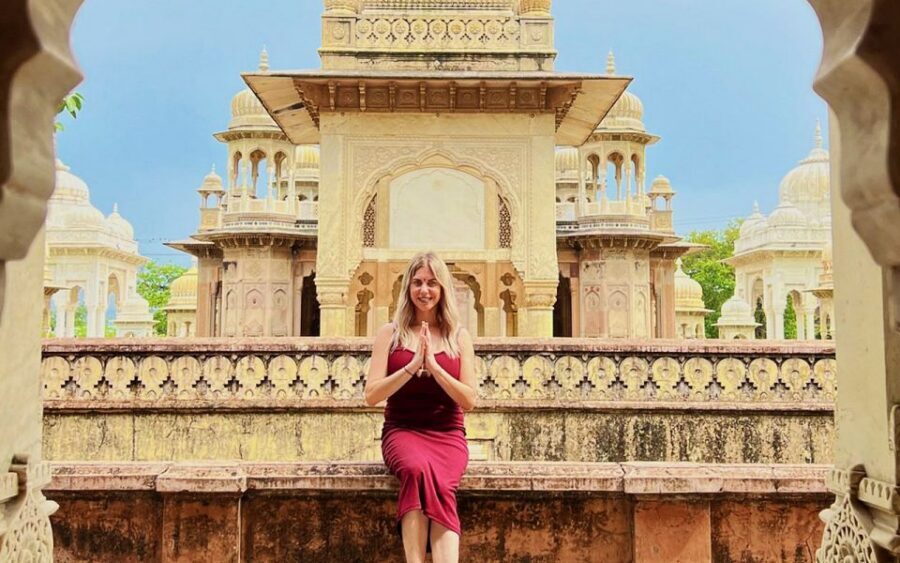
Gaitor Ki Chhatriyan is where Jaipur’s stonework starts to look almost surgical in its detail. These royal crematory monuments have intricately carved stone elements, and that’s exactly what your lens loves: patterns that hold up at both wide and close distances.
The 30-minute walk and visit time is short, so move with purpose. I’d focus on one standout monument first, then switch to close detail shots once you’ve got your composition.
Practical note: Wear comfortable shoes. Stone courtyards can be uneven, and your camera plan depends on you being steady.
Jal Mahal at Man Sagar Lake: small time, big payoff
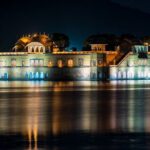
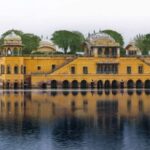
Jal Mahal sits in the middle of Man Sagar Lake, giving you a different kind of Jaipur photo: reflections and a “floating palace” look. Even with limited time, this stop works because the setting provides instant visual drama.
To get the best results, don’t just shoot the building. Look for the water line and how it breaks up the frame. A guide can help you find workable positions so you’re not fighting the crowd or bad sightlines.
Panna Meena ka Kund: the geometry you can’t unsee
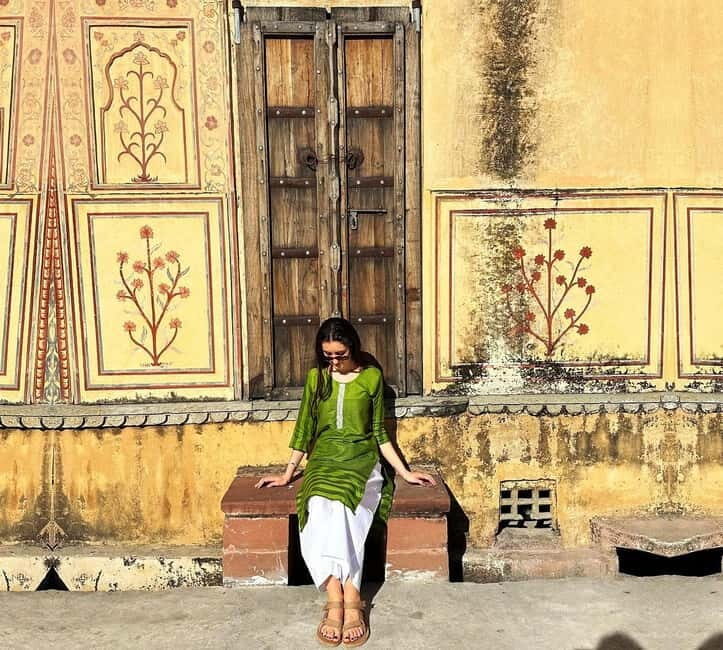
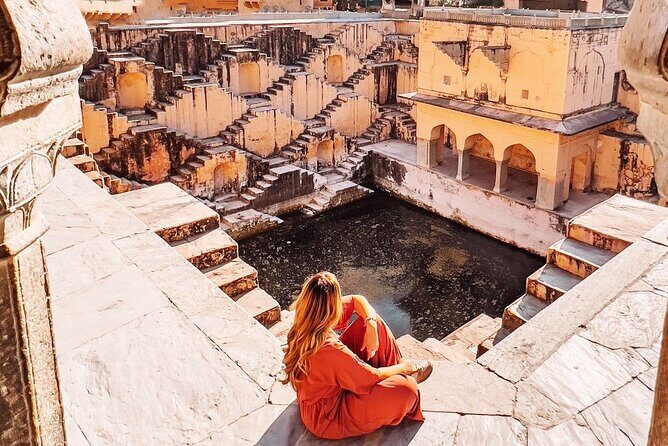
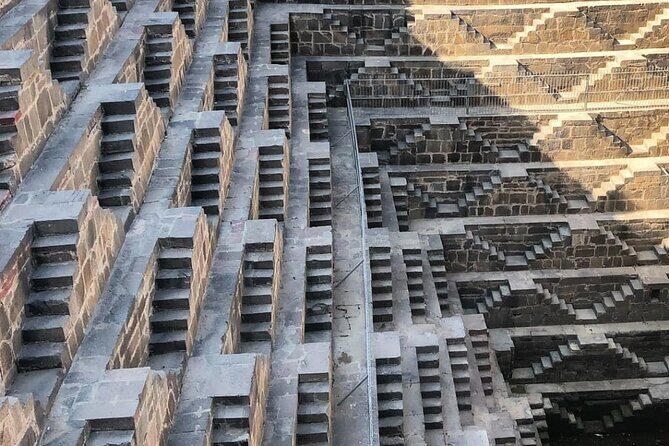
Panna Meena ka Kund is famous for its geometric stepwell. It’s the kind of place where you naturally fall into shooting grids, lines, and symmetry—especially if you like clean, graphic Instagram shots.
The staircases also create layers. If you’re patient for a moment, you can frame a shot that shows depth, not just steps.
If you’re into portraits: Position someone at the edge of the stairs so the stepwell becomes the “stage,” not a background blur.
Amber Fort: the one you plan for ahead of time
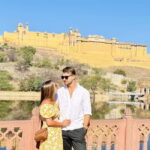
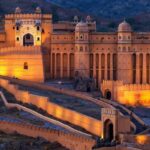
Amber Fort is a must for photography because it mixes grand gates, courtyards, and ornate stonework. This stop is where you get your biggest “Jaipur trip” memory photos—wide angles that show scale and closer frames that show carvings and textures.
This is also where time matters. You get about 1.5 hours, so use it in two modes: first, hunt for wide establishing shots; then switch to detail shots once you’re inside the main areas.
Realistic expectation: This is popular. Your best photos come from moving between viewpoints instead of staying glued to the first spot you like.
The lunch stop and the food market break
There’s a local restaurant stop built into the day, plus time around food tasting and a food market visit. Lunch itself is listed as not included, so you’ll likely pay for your meal on the spot, but you still get a structured break so you’re not searching while everyone else is racing to the next stop.
If you want a practical souvenir for your trip, food is often the easiest one. You’ll also get a short taste of everyday market energy without turning the whole day into a shopping marathon.
Traditional village arts & crafts workshop: watch work, not just buy
After lunch, you visit a traditional village area for an arts & crafts market stop and a short workshop (about 20 minutes). This isn’t a long culture lecture. It’s meant to be hands-on enough that you can actually see how items are made or presented.
Even if you don’t buy anything, it’s a useful reset from monuments. You switch from stone and symmetry to textures—fabric, craft details, and smaller-scale work you can photograph up close.
A good day here means you don’t feel pressured. The best versions of this tour keep the browsing relaxed.
Pink City street time: your final Instagram sprint
The day closes with a photo stop in the Pink City area, plus a guided walk and market time for arts and crafts browsing. This is where you can get the “street Jaipur” shots that don’t look like postcards: shop fronts, window colors, everyday life details, and building tones that only look right in person.
Because you’ve already collected the big landmark photos, this final segment is less stressful. You can experiment with creative angles—shadows, reflections, and close details—without worrying you missed something major.
Who this tour suits best
This is a great fit if you:
- love photography and want a guided route that helps you get better framing fast
- prefer private pacing over group bus schedules
- want an English-speaking guide who can assist with shooting while also explaining what you’re seeing
It may be a poor fit if you:
- have back problems or mobility limits, since the day includes moderate walking and stairs
- rely on step-free movement for comfort (the tour flags walking, even though wheelchair access is mentioned)
- have very limited interest in forts and architectural landmarks (this day is heavy on stone, symmetry, and iconic facades)
Also note the tour rules: no alcohol or drugs, pets aren’t allowed, and unaccompanied minors aren’t permitted.
Price and value: what $14 buys you (and what it doesn’t)
The price listed is $14 per person for an 8-hour private day, which is surprisingly good value for what you get: round-trip pickup, an A/C private vehicle with fuel and parking, and time at multiple top stops designed for photos.
The trade-offs are clear:
- Monument entrance fees are not included
- Lunch is not included
- Souvenir photos are not included
- A tour guide is listed both as included (English live guide) and as not included in the fine print, so confirm what your booking confirmation actually includes
If you plan your spending, this can be an efficient way to see a lot of Jaipur without paying for separate tours. If you want zero extra expenses on arrival, you’ll need to budget for entrance fees and your meal.
The human factor: drivers and guides that make it feel easy
One of the most praised parts of this kind of tour is the guide-driver team. People name guides like Ashwani, Gaurav, Saqlain Gaffar, Farman (including Spanish-speaking service), and Akram for helping make each stop meaningful and for taking or supporting high-quality photos.
Drivers named in the same spirit—Kudrt, Hasan, Sameer, Imran, and Nadeem—are credited with careful driving and smooth logistics, including routes that help reduce wasted time. That’s not just comfort; it’s how you end up with more usable photos instead of more rushed stops.
Should you book this Jaipur Instagram and photography tour?
Book it if you want one focused, photo-driven day with a private vehicle, an English guide, and a route built around the Pink City’s most recognizable architecture. It’s especially worth it if you’d rather pay for organization than spend your day trying to figure out angles, timing, and where to stand.
Skip or ask extra questions first if you’re sensitive to walking and stairs, or if you want all-inclusive costs with entrance fees and lunch included. With a quick check of your booking details—especially guide inclusion and entrance-fee expectations—you’ll be set for a strong, camera-first Jaipur day.
FAQ
How long is the Jaipur private photography tour?
It’s listed as 8 hours.
What does the tour include for transportation?
You get hotel or pickup and drop-off, plus a private A/C vehicle with a professional driver, with fuel and parking charges included.
Is a guide included, and what language do you get?
English is listed for the live tour guide.
Are monument entrance fees included in the price?
No. Monument entrance fees are not included.
Is lunch included?
Lunch is not included. The day includes a local restaurant stop, with time for food tasting and a food market visit.
What are the major stops during the day?
The tour includes stops for photos and sightseeing at places such as Patrika Gate, Hawa Mahal, Jantar Mantar, City Palace, Gaitor Ki Chhatriyan, Jal Mahal, Panna Meena ka Kund, and Amber Fort, plus time in the Pink City and a traditional village arts & crafts workshop.
What should I bring, and are there any restrictions?
Bring a passport or ID card and comfortable walking shoes, plus your camera and comfortable clothes. Alcohol and drugs are not allowed, pets are not allowed, and unaccompanied minors aren’t permitted.