REVIEW · COOKING CLASSES
Jaipur: Cooking Class with a Local Family
Book on GetYourGuide →Operated by Jaipur Pink city Cooking Class · Bookable on GetYourGuide
Cooking at a Jaipur family table feels like home. This class lets you learn Rajasthan dishes with a local family, while you get the story behind spices and techniques used for generations. I especially liked that you can often choose what you want to cook and that the host can accommodate gluten-free and other needs. One thing to consider: transportation isn’t included, so you’ll want a simple plan for getting to the meeting point.
You’re in a small group (max 6) for about 3 hours, with instruction in English and Hindi. Expect a warm welcome drink, hands-on cooking (chapatis and vegetable curries are part of the core), and an Indian dessert at the end, plus e-recipes after the class.
In This Review
- Key things I’d circle before you book
- Inside a Jaipur home kitchen, where the food comes with stories
- The 3-hour flow: from chai and spices to your final dessert
- Welcome drink and getting comfortable
- Spice and ingredient intro with real-world context
- Hands-on chapatis and vegetable curries
- Bringing in Rajasthan: dal baati churma and ker sangri
- The dessert finish and e-recipe handoff
- What makes it feel different from a typical cooking class
- You’re not watching from the sidelines
- Multiple family cooks, real home rhythm
- Catering to your food needs
- The meeting point and how to plan your arrival
- How far $19 goes in Jaipur (and what you’re really paying for)
- Who this Jaipur class suits best
- Practical notes before you go
- Group size and language
- Pets and home setting
- Accessibility
- Should you book this cooking class in Jaipur?
- FAQ
- What dishes will I learn to cook?
- How long is the cooking class?
- How much does it cost?
- What’s included in the price?
- Is transportation included?
- Is the class suitable for people with dietary restrictions?
- What are the class languages?
Key things I’d circle before you book
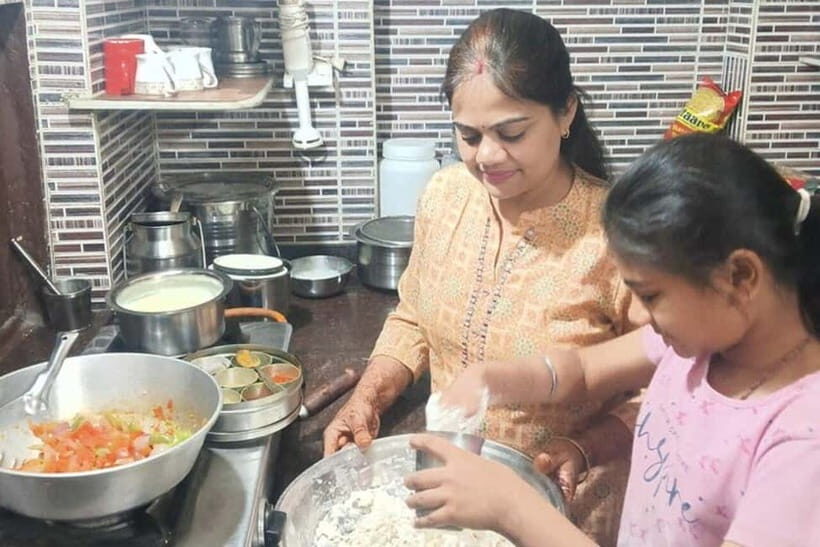
- Real Jaipur-home cooking: You’re in a local house, not a studio kitchen.
- Pick your menu (sometimes): Many classes let you choose dishes and preferences on the fly.
- Rajasthan specialties: Expect classics like dal baati churma and ker sangri to show up in the menu.
- Spice explanations with purpose: You’ll learn what each ingredient does, not just what to add.
- Small-group comfort: With up to 6 people, you can actually ask questions.
- Recipe follow-up sent to you: You leave with e-recipes so you can cook again at home.
Inside a Jaipur home kitchen, where the food comes with stories
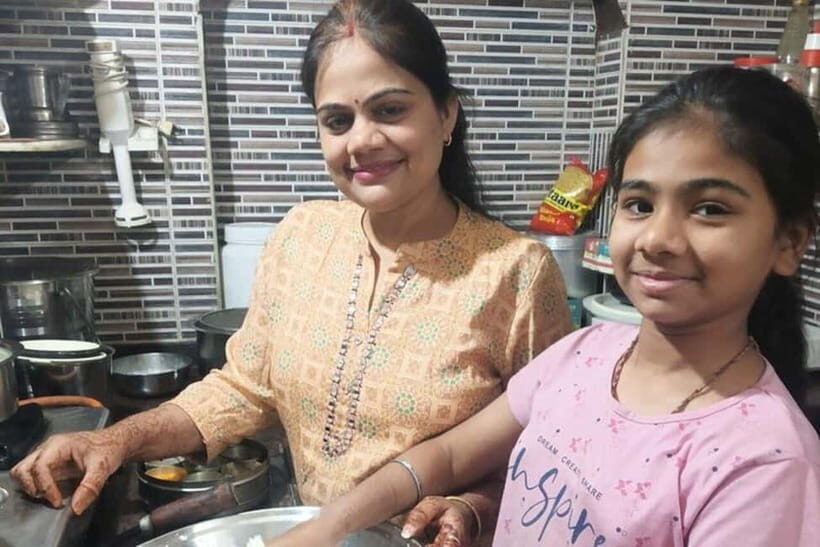
Jaipur food isn’t just about flavor. It’s about how people cook when they’re feeding a family, using what’s available, and building meals around spices they trust. In this class, you’re not only learning how to make dishes like dal baati churma (a Rajasthan staple) or ker sangri (a traditional choice with a distinctive bite). You’re also hearing why spices and ingredients matter, so the food makes sense in your head, not just in your hands.
That matters for value. A lot of cooking classes teach recipes. This one aims to teach understanding. When you know what cumin does, why certain spice blends show up in northern Indian cooking, or how a dough should feel, you can repeat the meal later without guessing.
The vibe is also human. You’ll be welcomed into a family routine—chatting while you cook, learning from multiple cooks in the household, and getting the kind of hospitality that makes you forget you’re on a timed activity. Several people describe feeling like a family member, not a visitor, and it shows in how the class is run.
You can also read our reviews of more cooking classes in Jaipur
The 3-hour flow: from chai and spices to your final dessert
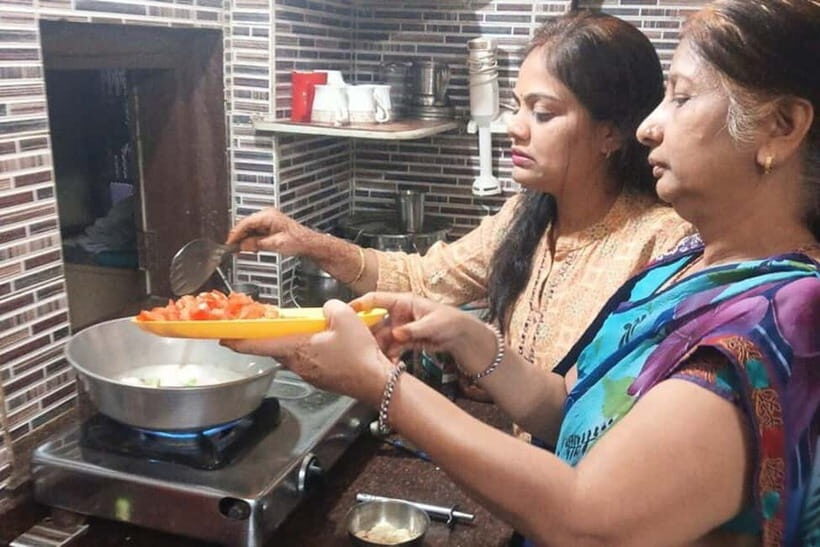
This is a straightforward 3-hour block, and the structure helps you get a lot done without feeling rushed. While every menu can vary a bit, the class generally follows the same arc: warm drink, spice intro, hands-on cooking, and a finished meal with dessert.
Welcome drink and getting comfortable
You’ll start with welcome drinks. Many people find it’s masala chai at the beginning, and you might be able to adjust it to your taste (for example, sweetness or how strong you want it). The drink is a nice icebreaker. You’ll get time to talk, learn names and backgrounds, and settle in before the stove starts heating up.
This is also when the host usually checks in on preferences and needs. If you need gluten-free options or have food intolerances, this class has a track record of handling it. That’s a big deal in India, where bread, flour, and cross-contact can be tricky in other settings.
Spice and ingredient intro with real-world context
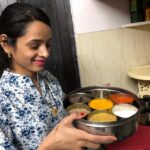
Next comes the intro to Indian spices and ingredients. This isn’t just a slideshow of labels. You learn how spices work in combination—how the balance changes the final dish—and what each ingredient contributes beyond taste (like aroma, heat, or texture).
If you like cooking, this part is where you can start building a mental recipe toolbox. Instead of copying someone’s exact measurements, you’ll understand what to look for and why the dish should behave a certain way as it cooks.
Hands-on chapatis and vegetable curries
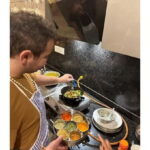
Hands-on cooking is a core part of the class. Chapati skills are typically taught early, because they’re a foundation for the rest of your meal. You’ll also work on vegetable curries, learning how to manage spice amounts, simmering time, and how to finish a curry so it tastes complete.
This is where the class earns its place on a Jaipur itinerary. Cooking chapatis well at home is one of those skills that makes you feel confident fast. And curries are where your spice knowledge turns into something you can taste.
You can also read our reviews of more tours and experiences in Jaipur

Bringing in Rajasthan: dal baati churma and ker sangri
For Rajasthan flavor specifically, you’ll likely cook dishes like dal baati churma. Dal baati churma is famous for its contrast: the hearty dal (lentils) paired with baati (baked or roasted wheat dough pieces) and a sweet, crumbly element from churma. It’s not the kind of food you get right by ordering it once and calling it a day.
Ker sangri is another traditional Rajasthan dish that many people find memorable because it tastes distinct from the more commonly known curries. If you want to eat like Jaipur locals eat, this is the type of dish that pulls the class away from generic North Indian cooking.
The dessert finish and e-recipe handoff
You’ll also make or enjoy an Indian dessert. People often mention gulab jamun in this kind of menu flow. Either way, dessert gives you a full-meal arc and makes the class feel like a real family dinner rather than a cooking demonstration.
At the end, you receive e-recipes of all cooked dishes. This is where you translate the experience into something useful for home cooking. If you’ve ever tried to recreate a great meal and failed because you didn’t remember the exact steps, you’ll appreciate this part.
What makes it feel different from a typical cooking class
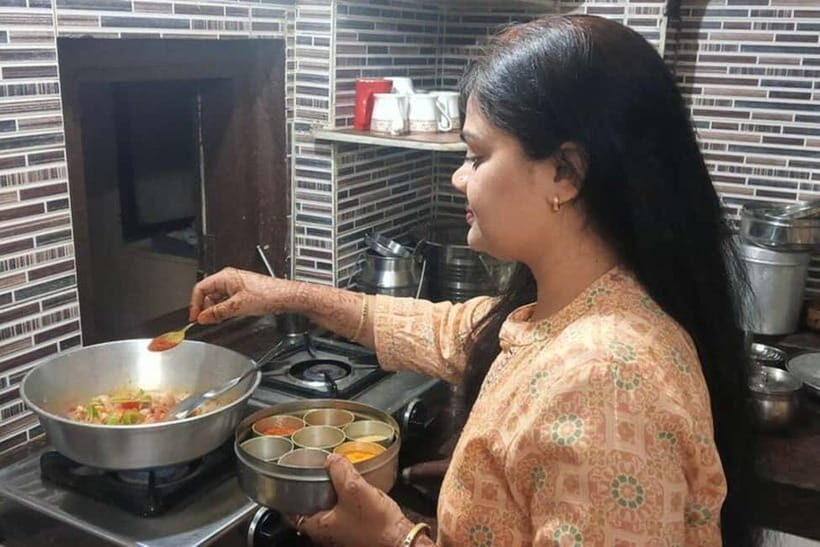
Plenty of cooking classes include food. Fewer include hospitality that feels personal. Here are the elements that consistently shape the experience.
You’re not watching from the sidelines
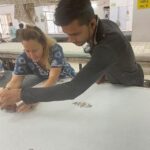
You’ll be in the kitchen doing the work—rolling, chopping, mixing, frying, simmering. Some people choose to cook less and watch more, but the class is designed so you can participate at your comfort level.
That matters if you’re the type who learns by doing. It also helps if you’re traveling solo and want to feel connected quickly. The host family’s attention makes it easier to ask questions without feeling rushed.
Multiple family cooks, real home rhythm
A standout detail is that you may learn from more than one cook in the household. People describe the host’s family helping throughout, with the host explaining techniques while family members pitch in on different parts of the meal.
In practice, that means you get small tips that don’t always show up in a class with one instructor. For example, you might get guidance on texture, how to adjust seasoning as you taste, or how to handle a dough so it cooks evenly.
Catering to your food needs
This class has a strong reputation for accommodating preferences and intolerances. People describe gluten-free menus, and others mention adjustments based on allergies and intolerances. One practical detail: you might see mineral water used for cooking, which some people appreciated for comfort and food safety.
You should still mention your needs clearly when you book. That gives the host time to plan a menu that fits you.
The meeting point and how to plan your arrival
The meeting point is listed as:
3664, motisingh bhomiyon ka rasta, fourth crossing johari bazar, Jaipur 302003.
Because transportation to and from the activity isn’t included, plan your own route. If you’re staying near Johari Bazaar or can easily reach it with a local ride, you’ll have a smooth start. If you’re farther away, give yourself extra time. Old streets in the Pink City can be a little confusing the first time you navigate them.
Tip that saves stress: arrive a few minutes early. In a home setting, the kitchen rhythm matters, and it’s easier to get settled when you’re not late.
How far $19 goes in Jaipur (and what you’re really paying for)
At $19 per person, this class is priced like a value meal—yet it offers something closer to a cultural experience than a quick food stop. What makes it good value is that you get multiple components:
- a welcome drink
- a cooking class with a local family
- spice and ingredient orientation
- hands-on chapati and vegetable curry cooking
- an Indian dessert
- e-recipes after the class
Also, this isn’t a restaurant meal where the learning stops at eating. You’re leaving with repeatable skills and written steps you can follow later. For many people, that turns the class from a one-time activity into a future hobby.
Who this Jaipur class suits best
This is the right fit if you want Jaipur beyond forts and markets. You’ll likely love it if you enjoy:
- cooking and food technique
- learning why spices behave a certain way
- meeting locals in a home environment
- getting dietary options handled (gluten-free and intolerances have been supported)
It’s less ideal if you want a purely sightseeing-focused schedule and hate any cooking involvement. This is still a cooking class. You’ll be using your hands.
Practical notes before you go
Group size and language
The class is limited to 6 participants, and instruction is in English and Hindi. In a small group, it’s easier for you to get attention and explanations in a way that sticks.
Pets and home setting
Pets aren’t allowed. Since it’s a family home, the experience follows household rules more than a public venue would.
Accessibility
The activity is wheelchair accessible. If you use a wheelchair, it’s smart to contact the provider in advance so they can confirm how everything is set up in the home area where you’ll cook.
Should you book this cooking class in Jaipur?
Yes, if you’re looking for real Jaipur food culture and you want to learn more than just a dish name. The strongest reason to book is the combination of hands-on cooking plus a local family setting where spices come with explanations. The price is reasonable for what you receive, and the e-recipes make it easier to carry the class home with you.
I’d book it especially if:
- you like learning techniques, not only recipes
- you want Rajasthan dishes like dal baati churma and ker sangri in a home-style format
- you need accommodation for gluten-free or intolerances
- you want a small-group experience where you can ask questions
If you’re tight on time, or you can’t manage an activity that requires getting to a specific street address, you might choose a cooking option that includes pickup. But if you can make it work, this is one of those Jaipur activities that leaves a lasting aftertaste in your kitchen, not just your memory.
FAQ
What dishes will I learn to cook?
You’ll learn traditional Rajasthan dishes such as dal baati churma and ker sangri, and you’ll also do hands-on cooking making chapatis and vegetable curries. An Indian dessert is included as well.
How long is the cooking class?
The class lasts 3 hours.
How much does it cost?
The price is $19 per person.
What’s included in the price?
Included items are welcome drinks, the cooking class with the local family, an introduction to Indian spices and ingredients, hands-on experience making chapatis and vegetable curries, an Indian dessert, and e-recipes of all cooked dishes.
Is transportation included?
No. Transportation to and from the activity is not included.
Is the class suitable for people with dietary restrictions?
The class can accommodate allergies and intolerances based on past experiences shared by participants, including gluten-free menus.
What are the class languages?
The instructor teaches in English and Hindi.