REVIEW · COOKING CLASSES
Interactive Cooking Class with a Local Family in Jaipur
Book on Viator →Operated by The Ultimate Urban Adventures · Bookable on Viator
A cooking lesson in a real Jaipur home. You’ll get hands-on help from a local family and cook North India staples that feel like home, not a demo. The welcome is warm, the kitchen is set up for real cooking, and you leave with dinner you made yourself.
Two things I like a lot are the guided, do-it-with-them teaching style and the clear focus on practical North Indian dishes like chapati and paratha. One catch to consider: there’s no hotel pickup, so you’ll need to get yourself to the meeting point near public transportation.
You’ll spend about 2 hours 30 minutes together, in a group of up to 5 people, with different class timings available to fit your schedule. And yes, you’ll get the recipes by email after the class, which is handy if you want to recreate the flavors at home.
In This Review
- Key highlights worth showing up for
- A Jaipur Home Kitchen With Real Warmth
- What You’ll Cook: Chapati, Paratha, and North India Comfort Food
- The Hands-On Teaching Style (And Why It Works)
- The Meal Setup: Brunch, Lunch, Dinner, Plus Dessert
- Vegetarian and Non-Vegetarian Options That Fit Real Life
- Small Group Size and Private Class Options
- Timing That Matches Your Jaipur Day
- Price and Value: What $26 Really Buys You
- Practical Tips Before You Go to the Kitchen
- Who This Is Best For (And Who Might Skip It)
- Should You Book This Jaipur Cooking Class?
- FAQ
- What cuisine does this cooking class focus on?
- How long is the interactive cooking class?
- Is the class only vegetarian?
- What food is included during the experience?
- Will there be dessert?
- Can I book a private class instead of joining a small group?
- What is the maximum group size?
- Where do I meet for the class in Jaipur?
- Are recipes provided after the class?
- Is hotel pickup included?
Key highlights worth showing up for
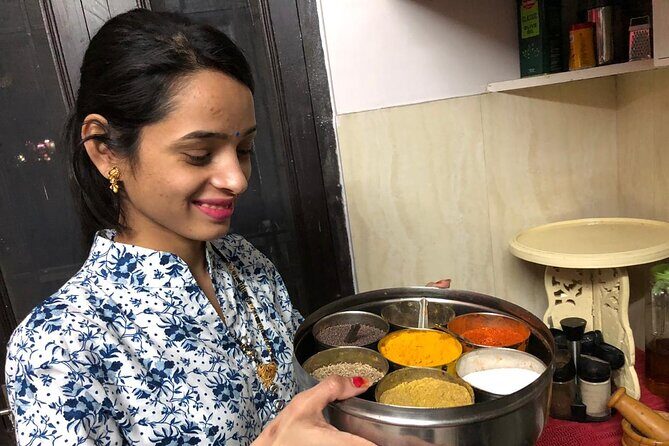
- Cook in a local family home in Jaipur with a host who teaches day-to-day cooking.
- North India menu focus featuring chapati, paratha, dal, and seasonal curries.
- Small group (max 5) so you can actually get help while you’re cooking.
- Food included during the experience, plus non-alcoholic drinks and bottled water.
- Recipes emailed after the class so you can repeat the dishes later.
A Jaipur Home Kitchen With Real Warmth
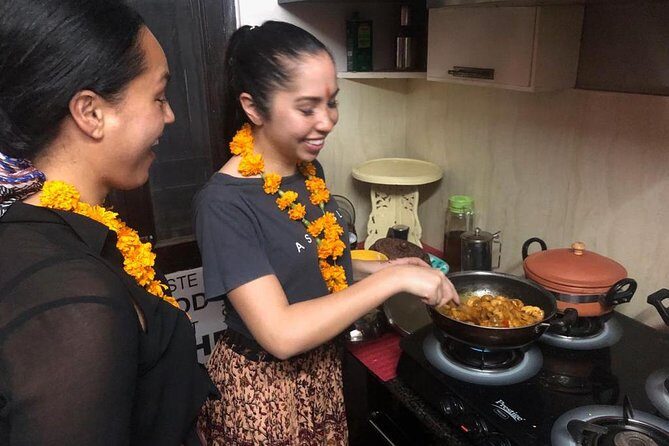
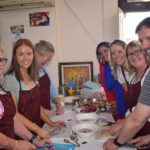
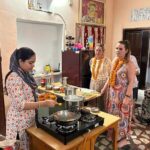
This class takes place in a local family’s home in Jaipur, and that matters. You’re not waiting for a staged performance in a classroom. You walk in, you’re welcomed with a drink, and you’re shown the kitchen setup like someone letting you into their routine.
The host team I keep hearing about includes Monty and Harshita, and the feedback pattern is consistent: welcoming, organized, and clean. That means you can focus on cooking instead of trying to figure out where things are or how the kitchen works. For me, that’s a big part of what makes a cooking class feel worth the time.
You meet at 166, Gopalpura Bypass Rd, Prem Nagar Vistar, Mangal Vihar, Ganesh Vihar, Arjun Nagar, Jaipur, Rajasthan 302018. There’s no hotel pickup, and the activity ends back at the meeting point, so plan a ride that gets you there comfortably. The good news is it’s near public transportation, which usually makes the “how do I get there” part less stressful.
Also note the practical stuff: you’ll receive a mobile ticket, the class runs around 2h30, and the group size stays small (up to 5 travelers). That small number is more than a nicety. It changes how much attention you get while you’re cooking.
You can also read our reviews of more cooking classes in Jaipur
What You’ll Cook: Chapati, Paratha, and North India Comfort Food
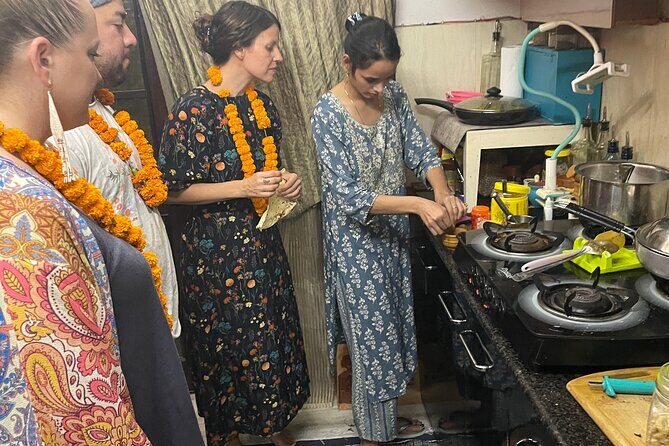
The menu centers on North India home cooking, and you’ll see the dishes directly in the kitchen as you learn. You start with an overview of different Indian cuisines, but then the class narrows into practical North Indian favorites.
Here’s what they focus on from the start:
- Chapati and paratha (the bread-making part of Indian meals)
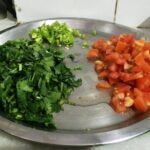
- Seasonal vegetable curries, with examples like garlic bhindi, aloo gobhi, dal, pumpkin curry, carrot curry, paneer masala, tinda curry, eggplant masala, baigan bharta, and guttaa curry
You’ll also have a desert prepared beforehand to serve with your meal.
Why this focus is great for you: these are the dishes that most home cooks aim for first when they want a full, satisfying meal. Learning bread plus curries gives you a full system, not just a one-off recipe. If you’re the kind of traveler who wants to go beyond tasting and actually understand how the meal comes together, this structure fits.
Another plus: vegetarian and non-vegetarian options are available. That’s useful if your group has mixed preferences.
The Hands-On Teaching Style (And Why It Works)
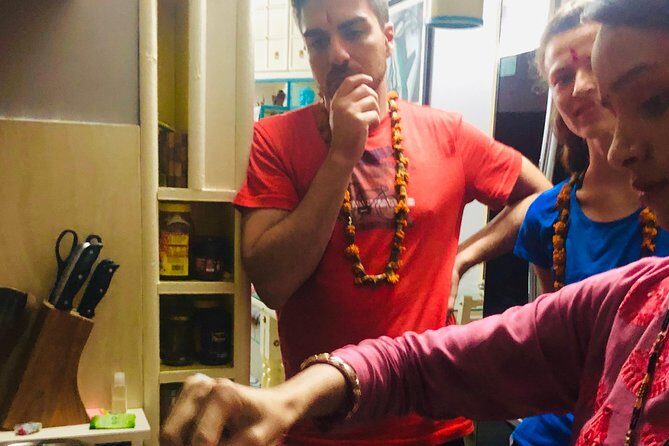
This isn’t a watch-only class. You’re cooking, and the host supports you as you go. That means you’re not stuck relying on memory while everyone else moves on to the next step.
They’ll brief you on the kitchen and the main types of Indian cuisine, then they guide you through the North India dishes in more detail. The key is that you get help creating the dishes, not just learning the theory of spices.
Expect a working rhythm. With bread-based dishes like chapati and paratha, the learning curve is mostly physical: dough texture, rolling technique, and cooking timing. With curries, it’s about building flavor in stages (again, you’ll be doing the work with guidance). The best parts are when you realize you can control the outcome. You start to understand why one curry comes out thicker, why another tastes more balanced, and how the bread changes with heat.
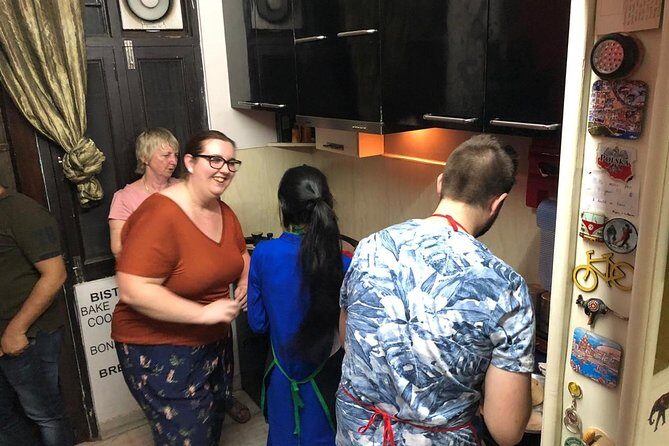
A small-group format helps here. When you’ve got up to five people, the host can keep an eye on what you’re doing. That’s how a class turns from “I participated” into “I actually learned.”
Also, this is a family home, so the vibe is practical and friendly. You get a welcome drink, you settle in, and then the cooking starts. And yes, you will likely get a little flour and spice on your hands. Treat it like proof that you did something real.
The Meal Setup: Brunch, Lunch, Dinner, Plus Dessert
Food isn’t an extra add-on here. It’s part of the experience. The class includes lunch, brunch, and dinner, along with non-alcoholic beverages and bottled water.
That sounds like a lot for 2 hours 30 minutes, and the way it usually works in a home setting is that you’re served more than one course-style moment. You’ll also be given a home-cooked meal that’s aligned with what you prepared, plus that dessert prepared beforehand.
One useful way to think about it: you get to taste the results in the same setting where you learned. That helps your brain connect technique to flavor. You can also ask small questions in the moment, because the kitchen isn’t far away.
If you know you handle spice levels differently, bring that up with your host so you can steer your portion choices. The data doesn’t promise heat adjustments, but a good home-cooking setup is where you can usually find a compromise.
Vegetarian and Non-Vegetarian Options That Fit Real Life
Many cooking classes force everyone into one menu. This one is different: both vegetarian and non-vegetarian options are available.
For you, the benefit is simple. You can plan this around your preferences without turning the evening into a compromise. If your travel group includes different diets, this is often easier than hunting down an alternate experience.
It also helps if you’re curious about Indian cooking beyond vegetarian stereotype. North India meals frequently mix bread, lentils, and meat or dairy depending on the household and occasion. Getting to cook within that framework gives you a more accurate sense of what “Indian food” means at home.
You can also read our reviews of more tours and experiences in Jaipur


Small Group Size and Private Class Options
The standard group limit is up to 5 travelers, which is ideal for hands-on cooking. You’re not competing for attention. When you’re rolling paratha or learning bread timing, you need quick feedback.
And if you want your own pace, a private class can be booked. A private format can be a great fit if:
- you’re traveling as a couple or family,
- you want slower instruction,
- or you prefer fewer people in the kitchen with you.
The private option also tends to work well if you have specific dietary needs. Just make sure to communicate what you want during booking.
Timing That Matches Your Jaipur Day
Classes run for about 2 hours 30 minutes, and there are a variety of timings available. That’s practical in Jaipur because your day can shift fast. You might start with sights in the morning and want something that doesn’t eat your whole afternoon.
The biggest thing to remember: you’re meeting at a specific address and returning there, so pick a timing that fits your transport plan. If you’re pairing this with other Jaipur activities, treat it like a dinner commitment with cooking built in.
Also, the experience requires good weather. If weather is poor, the class may be canceled and you’ll be offered a different date or a full refund. It’s not something to ignore if you’re booking late in your trip.
Price and Value: What $26 Really Buys You
At $26 per person, this is priced like a budget-friendly culinary experience, but it’s not just about price. It’s about what’s included for the time you spend.
You get:
- a cooking class in a local home,
- multiple meal servings (brunch/lunch/dinner),
- non-alcoholic beverages and bottled water,
- all fees and taxes,
- and a send-after email with recipes.
What can change the value for you is the extra transport cost since there’s no hotel pickup. But even with that considered, this still reads as strong value because you’re paying for both instruction and a full meal.
The real “value” here is skill transfer. If you leave with bread technique plus a few North Indian curry frameworks, you can cook similar dishes at home. Recipes by email help you keep that connection instead of losing it after your trip ends.
Practical Tips Before You Go to the Kitchen
A few things I’d do to make the session smoother:
- Plan to arrive a bit early so you can settle in and start cooking without rushing.
- Wear clothes you don’t mind getting a little messy. Cooking happens.
- Ask any food questions at the start, especially if your group has vegetarian or non-vegetarian preferences.
- Since recipes are emailed after, check that your booking email is correct. (This is one of those boring details that pays off later.)
And mentally, go in expecting a real home rhythm. This is about doing, not spectating.
Who This Is Best For (And Who Might Skip It)
This class is a great fit if you:
- want a hands-on cooking experience in Jaipur, not just tasting,
- love North Indian food like chapati, paratha, and curry dishes,
- want a small group so you can learn properly,
- and like the idea of getting recipes emailed afterward.
You might consider another option if:
- you strongly prefer experiences with hotel pickup,
- you don’t want to travel to a neighborhood meeting point,
- or you’re short on time and need something more flexible than a fixed 2h30 block.
The home setting can be a little more intimate than a restaurant workshop. Most people love that. Some people need a more formal, impersonal structure.
Should You Book This Jaipur Cooking Class?
If your trip goal is to learn real cooking, yes, I think you should book it. The mix of hands-on teaching, a North India-focused menu, and that small-group attention makes it feel like actual skill-building. Add the clean, organized home-kitchen welcome you’ll get, plus recipes sent after the class, and it becomes a meal you can repeat later.
Just be honest with yourself about logistics. Since there’s no hotel pickup, make sure you can reach the meeting point easily at your chosen time. If that part works for you, this is one of the more memorable ways to spend an evening in Jaipur.
FAQ
What cuisine does this cooking class focus on?
The class focuses mainly on North India cuisine, including dishes like chapati, paratha, seasonal vegetable curries, and other North Indian specialties.
How long is the interactive cooking class?
It lasts about 2 hours 30 minutes.
Is the class only vegetarian?
No. Vegetarian and non-vegetarian options are available.
What food is included during the experience?
The experience includes a home-cooked meal and lunch, brunch, and dinner, plus non-alcoholic beverages and bottled water.
Will there be dessert?
Yes. An Indian dessert is prepared beforehand and served with your meal.
Can I book a private class instead of joining a small group?
Yes. Private classes can be booked.
What is the maximum group size?
The class has a maximum of 5 travelers.
Where do I meet for the class in Jaipur?
The meeting point is 166, Gopalpura Bypass Rd, Prem Nagar Vistar, Mangal Vihar, Ganesh Vihar, Arjun Nagar, Jaipur, Rajasthan 302018, India.
Are recipes provided after the class?
Yes. Recipes are sent to your email after the cooking classes.
Is hotel pickup included?
No. Hotel pickup & drop-off are not included, and it ends back at the meeting point.