REVIEW · COOKING CLASSES
Jaipur: Interactive Cooking Class with a Local Family
Book on GetYourGuide →Operated by Ultimate Urban Adventures Pvt. Ltd. · Bookable on GetYourGuide
Cooking with a Jaipur family feels like friends. I love the hands-on cooking with Harshita and Monty, then sitting down to a home-cooked meal they explain as you go. The main trade-off is simple: it’s a residential space with stairs, and it’s not wheelchair-friendly.
This 2.5 to 3 hour class is built for small groups, English instruction, and a relaxed, chatty pace. You’ll start with spices and technique, make round breads and a vegetable curry yourself, and finish with an Indian drink and dessert in the same home where you learned.
In This Review
- Key moments you’ll remember
- Why a local kitchen in Jaipur beats a restaurant-style class
- Meet Harshita, Monty, and Gina: the real heart of the experience
- Your lesson starts with spice and ingredient basics (the part people skip)
- Making round chapatis: technique you can use at home
- Vegetable curry practice: how the flavors actually come together
- What you’ll eat: drink, dessert, and a full home-style meal
- English instruction, small groups, and pacing that doesn’t rush you
- Location and getting in: pickup options, stairs, and home rules
- Getting there
- Stairs and access
- Home rules that affect your comfort
- Price and value: what $24 buys you in practice
- Who should book this Jaipur class (and who might not)
- Should you book this Jaipur cooking class?
- FAQ
- What dishes will I cook during the class?
- How long is the cooking class?
- Is the class taught in English?
- Do I get a recipe to take home?
- Is pickup available from my hotel?
- Are pets allowed at the property?
- Is the experience wheelchair accessible?
Key moments you’ll remember
- Family-hosted North Indian cooking that feels like a visit, not a performance
- Chapati and vegetable curry practice where you actually do the work
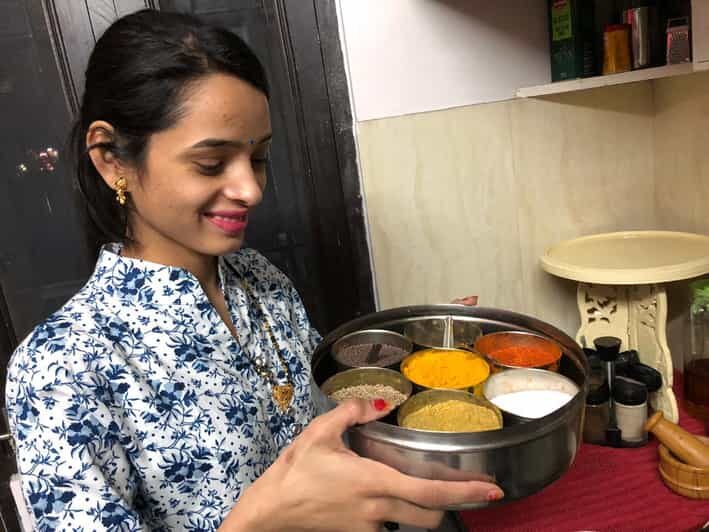
- Spice and ingredient walkthrough led in clear English before hands-on cooking
- An informal dinner with conversation, plus dessert and an Indian drink
- Take-home e-recipes for everything you cook
Why a local kitchen in Jaipur beats a restaurant-style class
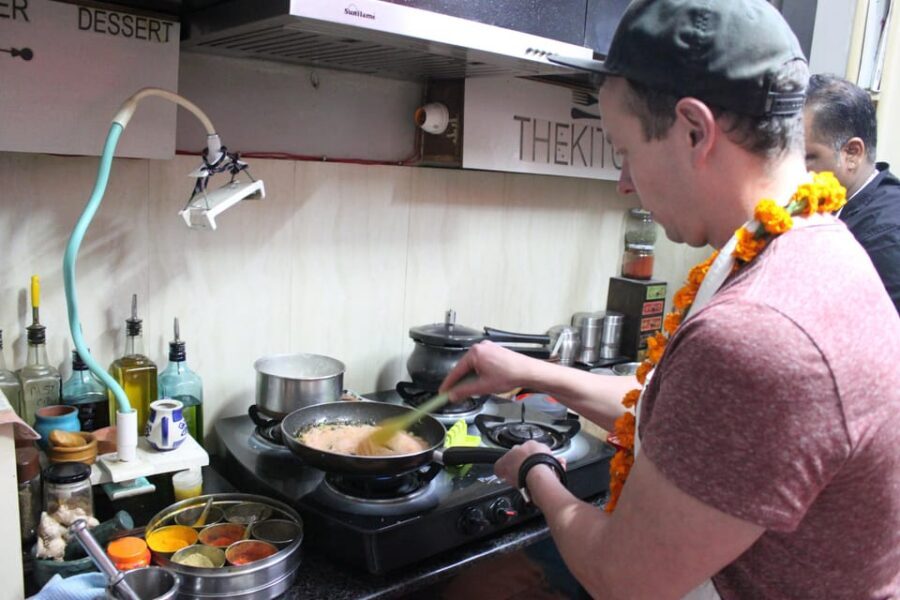
In Jaipur, you can learn dishes many ways. This one works because you’re not cooking for a crowd. You’re cooking for a family meal rhythm—small steps, real timing, and lots of practical questions.
I like that the focus stays on North Indian comfort food you can recreate later. Chapati skills matter, because once you can roll and cook a proper bread, you’ll start feeling confident. The vegetable curry part also gives you a template: how spices change the flavor when they’re toasted, softened, or simmered.
The other big difference is the feel. You’re welcomed into a home, offered a drink first, and treated like you belong at the table. Even the way the lesson is structured—demo, then you take over—keeps it from turning into a lecture.
You can also read our reviews of more cooking classes in Jaipur

Meet Harshita, Monty, and Gina: the real heart of the experience
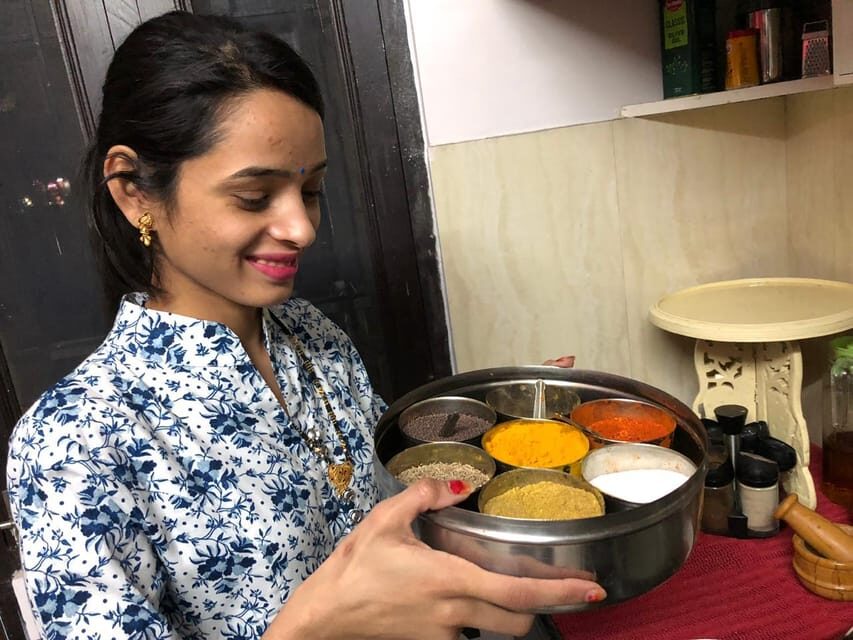
This class is hosted by Harshita and Monty, and their daughter Gina often adds a warm, playful energy to the day. Multiple people describe them as welcoming in a very personal way: friendly conversation, time taken to explain, and a genuine interest in who you are.
That matters, because cooking lessons go farther when you feel at ease. If you’re the type who asks questions (or secretly hopes you can), this setup rewards that. You’ll hear how they think about spice timing, texture, and the small tricks that separate bland from delicious.
Also, because it’s a family home, you’re not just tasting food—you’re seeing how people actually live around it. That’s the kind of detail that sticks long after the last bite.
Your lesson starts with spice and ingredient basics (the part people skip)
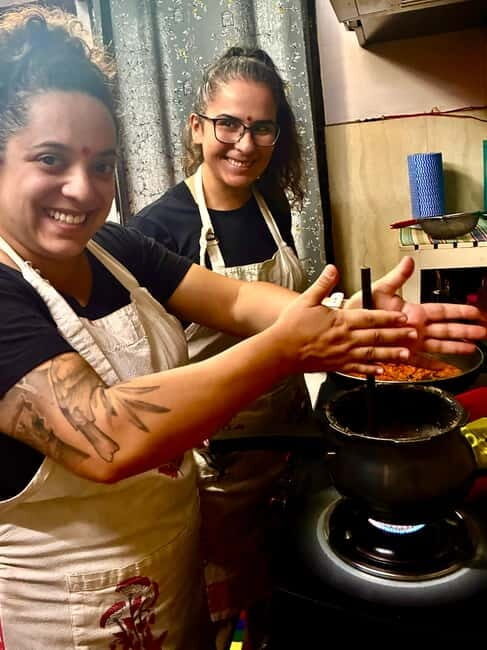
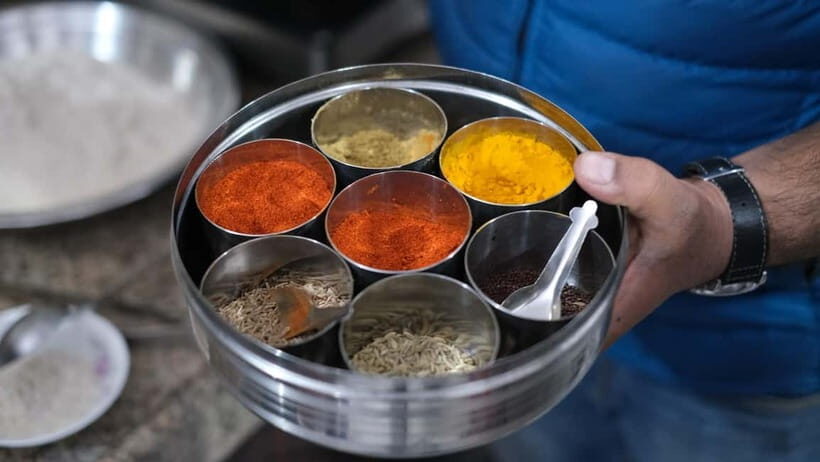
Most cooking classes jump straight to chopping. Here, you begin with an introduction to the spices, herbs, and ingredients you’ll use. It’s not just a list—it’s meant to help you understand why certain spices go in at certain moments.
You can expect a talk about how North Indian flavors build. For example, many curries start with spices that need a few seconds of attention to bloom (rather than dumping everything at once). Chapati relies less on spice and more on dough feel and heat control—so you learn what makes the dough behave and how to manage the pan.
One more thing: the class is taught in English, and people consistently say instructions are clear and easy to follow. That’s important if you’re not already comfortable cooking Indian food.
If you have allergies or dietary needs, you’ll want to tell them ahead of time. They specifically ask you to inform them about any food allergies or intolerances so they can respond properly.
Making round chapatis: technique you can use at home
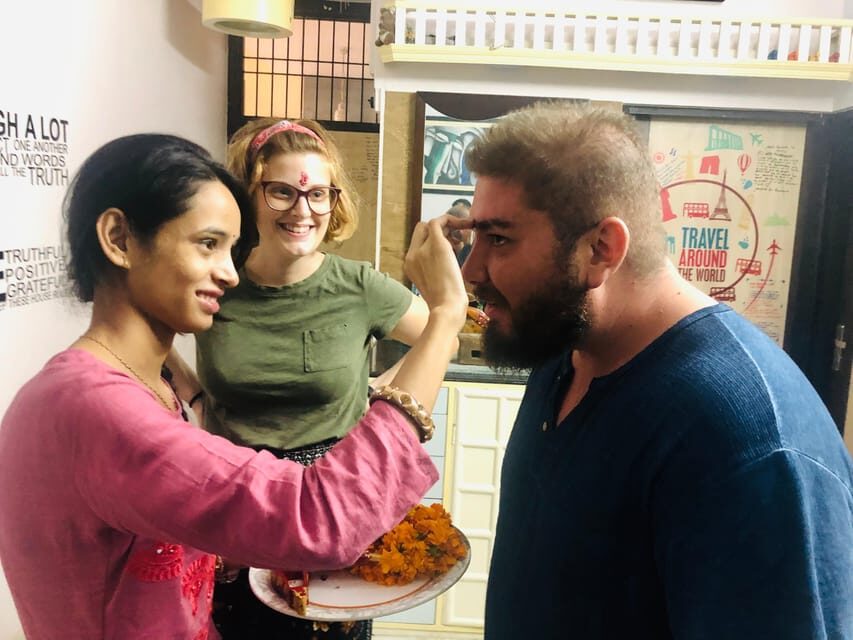
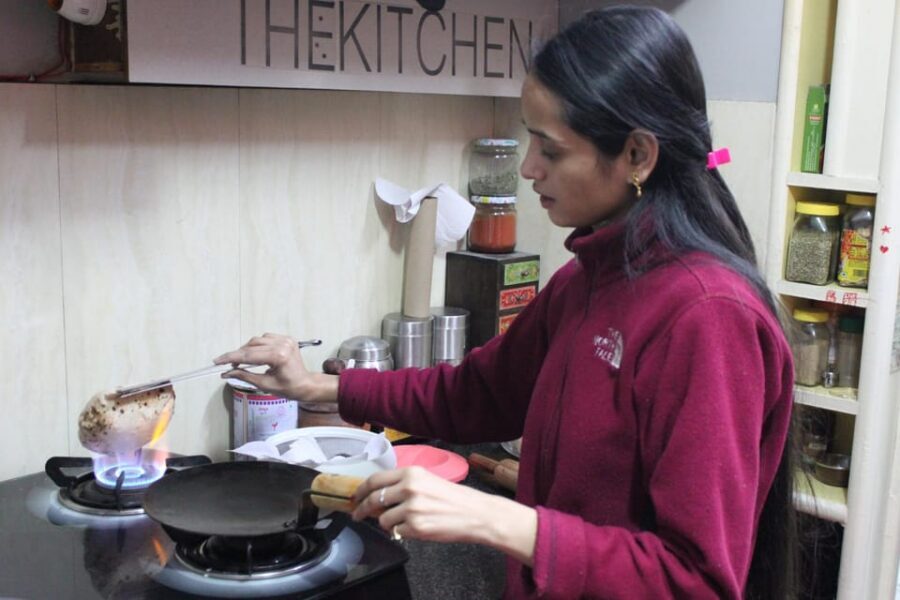
The hands-on cooking is the main event. After a demonstration, you’ll get to make round chapatis yourself. This is where the lesson earns its keep.
You’ll learn the practical steps:
- how to handle the dough so it rolls without tearing
- how to shape it into an even round
- how to cook it so it puffs and stays flexible rather than drying out
Chapati looks simple, but it’s one of those skills where small differences matter. In a restaurant, you don’t see the dough’s behavior or the pan’s heat. In this class, you do. That’s why it feels more useful than watching.
And if you’re already a confident cook, you’ll still benefit. People mention getting technique-level tips, not just “stir and hope.”
Vegetable curry practice: how the flavors actually come together
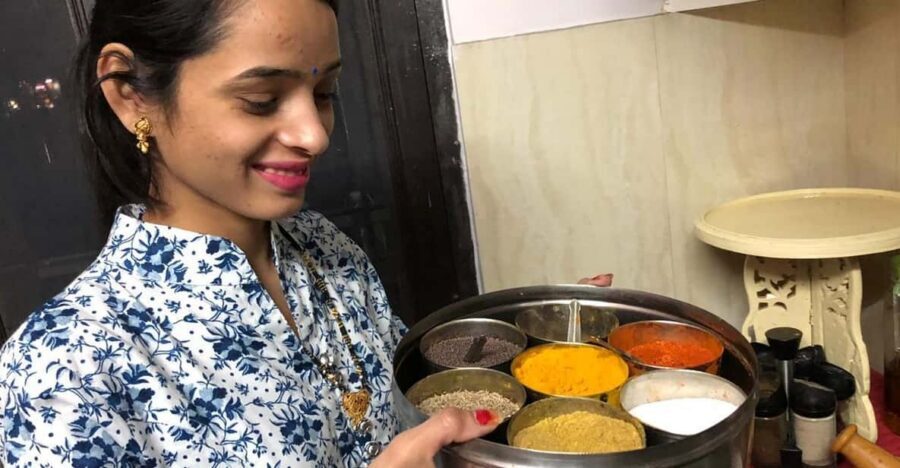
You’ll also make a vegetable curry. The class is designed around North Indian home cooking, so the curry isn’t just a sauce—it’s a process. You’ll likely work with seasonal vegetables (the menu follows what they use locally), then cook and season with the spices you learned earlier.
The biggest value for you is learning the method:
- when to add spice for aroma versus when to add for deeper flavor
- how to balance the curry so it isn’t harsh or one-note
- how to simmer until the vegetables taste tender, not steamed
The class includes hands-on cooking of a vegetable curry, and you’ll sit down to eat it as part of your meal afterward. That “cook it, then taste it immediately” feedback loop is how you improve fast.
You might also see other dishes included depending on the day’s menu, such as paratha, fried rice, and side dishes. Some classes also include favorites like palak paneer, coriander chutney, masala chai, rice pudding, or poha—but don’t assume every option shows up every time slot.
You can also read our reviews of more tours and experiences in Jaipur






What you’ll eat: drink, dessert, and a full home-style meal
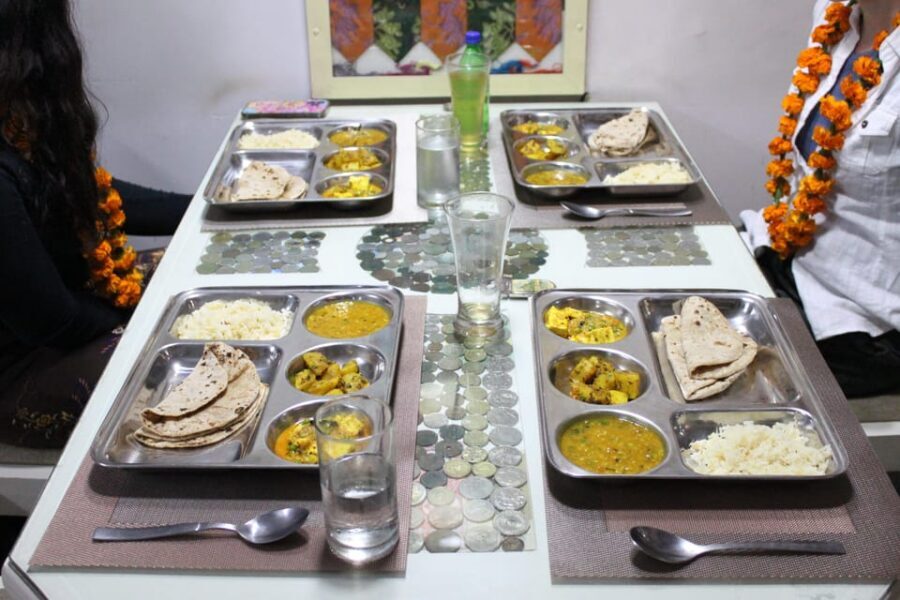
After you cook, you’ll enjoy a full meal with the family. The experience is designed so you’re not just snacking during cooking—you actually eat what you made.
Along with the chapatis and vegetable curry, you can expect additional North Indian items such as a side dish and possibly fried rice, plus dessert. There’s also an Indian drink included with your meal.
Dessert is part of the finish, not an afterthought. Reviews frequently mention sweet dishes like rice pudding, and chai shows up in some versions of the menu. If you’re someone who likes ending the meal the “proper” way, this class delivers.
If you’re curious about old family recipes, this is the moment you get that context. The family shares insights into older cooking traditions and their oldest recipes—so the food comes with stories, not just instructions.
English instruction, small groups, and pacing that doesn’t rush you
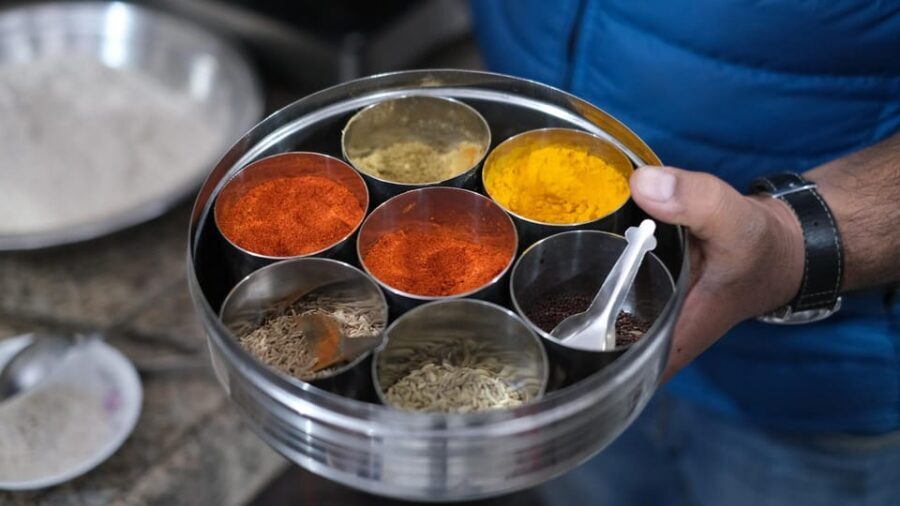
The class is taught in English, and it’s offered as private or small groups. In practical terms, that means:
- you can ask questions without feeling hidden
- you get attention while you’re rolling chapatis or adjusting the curry
- the pace stays manageable for beginners
People also mention that the hosts explain spices and techniques in a very step-by-step way. It’s one thing to be shown what to do; it’s another to understand why.
The duration—2.5 to 3 hours—also matters. It’s long enough to practice, but not so long you feel exhausted before you can enjoy the meal.
One extra detail that can be useful when planning your day: at the 9:00 AM time slot, the class cooks an Indian breakfast menu. So if you’re scheduling sightseeing, choose your time based on whether you’d rather start the day with cooking or end it with dinner.
Location and getting in: pickup options, stairs, and home rules
This experience happens in a home, so logistics are simple but real.
Getting there
Transportation isn’t included. You can arrange your own taxi, or choose optional pickup. If pickup is included for your booking, a driver will meet you at your hotel lobby or another agreed location in Jaipur.
A lot of people praise the transport quality (a very high percent of reviewers gave a perfect score), so if you’re not comfortable navigating traffic, pickup can be worth it.
Stairs and access
You’ll use the stairs to reach the first floor (F-2). That’s also why it’s not suitable for wheelchair users.
Home rules that affect your comfort
- No pets allowed on the property
- Smoking isn’t allowed inside the property (it’s allowed on the balcony)
These rules are good to know ahead of time so nothing surprises you.
Price and value: what $24 buys you in practice
At $24 per person for roughly 2.5 to 3 hours, the value comes from three places.
First, you’re not paying for observation. You’re paying for hands-on cooking, including chapati practice and a vegetable curry you make yourself.
Second, you’re paying for teaching. The family explains spices and techniques in English, and people describe the explanations as detailed and practical—helpful whether you’re a beginner or already cook.
Third, you’re paying for the meal experience. You cook, then you eat a proper home-style dinner with included drink and dessert. Plus, you receive e-recipes for everything you cook, so you can recreate the dishes later without guessing.
So yes, it’s affordable. But it’s also structured in a way that makes the time feel worthwhile, not like you’re rushing through “one of everything.”
Who should book this Jaipur class (and who might not)
This is ideal if you:
- want real home-style North Indian cooking, not just restaurant versions
- enjoy learning spices and cooking technique, not only recipes
- like intimate conversations and meeting locals in their own space
- want practice that you can bring back to your kitchen at home
You might skip it if you:
- need step-free access (stairs are required)
- prefer high-volume, impersonal group tourism over a family setting
- want a strict “only cooking” schedule with no time for conversation
Should you book this Jaipur cooking class?
If you’re choosing one cooking experience in Jaipur, this is a strong bet. The reason is simple: you leave with real skills—rolling chapatis, building a vegetable curry, understanding spice timing—and you also leave with a memory that feels human, not staged.
I’d book it if you’re the type who likes to ask questions and you want your meal to come from your own work. I’d also book it if you’ll be in Jaipur for just a short time and want a high-value activity that ends with a full dinner.
If you want, tell me your travel dates and whether you prefer morning or evening. I can suggest how to slot this class so it doesn’t fight with your sightseeing plans.
FAQ
What dishes will I cook during the class?
You’ll make round chapatis and a vegetable curry hands-on. The broader menu is North Indian and may also include items like side dishes, fried rice, and desserts, depending on the day.
How long is the cooking class?
It runs about 2.5 to 3 hours.
Is the class taught in English?
Yes, the instructor teaches in English.
Do I get a recipe to take home?
Yes. You receive e-recipes of all the dishes you cook.
Is pickup available from my hotel?
Pickup is optional. If you choose it, the driver will meet you in your hotel lobby (or another location within Jaipur you request).
Are pets allowed at the property?
No, pets are not allowed on the property.
Is the experience wheelchair accessible?
No. It isn’t suitable for wheelchair users, and you’ll use stairs to reach the first floor (F-2).