REVIEW · FOOD
Guided Morning E-Rickshaw Ride with Food Tasting at Jaipur
Book on Viator →Operated by Seagull Jaunt · Bookable on Viator
Jaipur wakes up early, and this ride takes you with it. You get a slow, low-stress e-rickshaw route through the Pink City while stopping for sights like Hawa Mahal and the Govind Devji Temple area. I love that the pace leaves room for real street-level moments, and I love the food tastings tied to old-school Jaipur shops and markets. One thing to consider: you will spend a good chunk of time sitting in a moving vehicle, so if you prefer lots of walking, this may feel a bit too gentle.
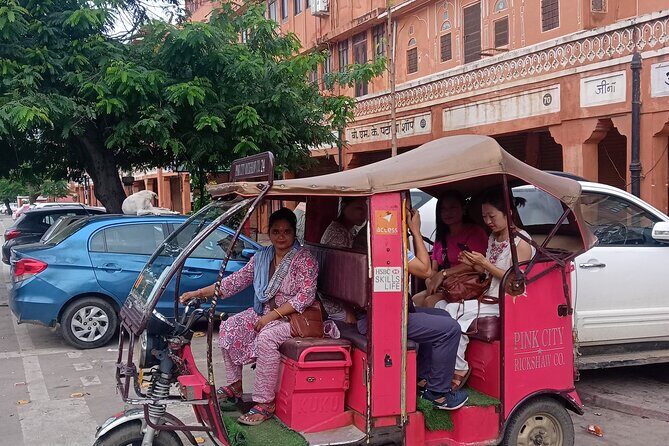
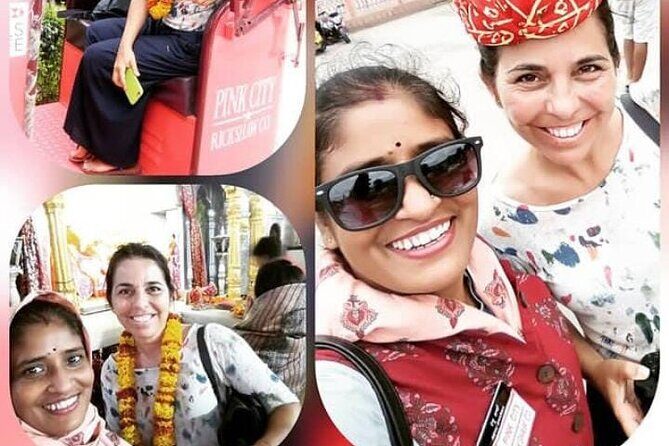
Another big plus is how it’s built for comfort. The group stays small (up to 10), and the ride is quiet enough to actually see Jaipur, not just pass it. I also like that guides are hands-on and friendly—names like Umesh and Kum Kum show up again and again—so you’re not stuck guessing what you’re looking at.
At about 3 hours and $30.09 per person, it’s priced like an efficient morning activity that packs in orientation, culture, and snacks. With that said, a couple major photo spots are more about outside views than included entries, so plan for what you want to see up close.
In This Review
- Key highlights you’ll feel right away
- Why a guided e-rickshaw morning works in Jaipur
- From Raj Mandir Cinema to Ajmeri Gate: starting with real local geography
- Ram Niwas Garden and Albert Hall Museum area: seeing architecture without the hassle
- Pink City streets and Chardiwari: the walls you can feel
- Hawa Mahal photo-point: what those windows mean
- Govind Devji Temple morning: aarti, garden calm, and the food-scent route
- Thatheron ka rasta and brass utensils: watching craft, then trying it
- Food tasting in Jaipur: how to get the most from the snacks
- Price and value: what you get for about $30.09
- Who should book this tour, and who might skip it
- Quick practical tips for your morning
- Should you book this Jaipur e-rickshaw food tour?
- FAQ
- How long is the guided morning e-rickshaw ride in Jaipur?
- How much does the tour cost per person?
- How big is the group for this activity?
- Where does the tour start and where does it end?
- Is the ticket mobile, and will I get confirmation?
- Are admission tickets included for major stops like Raj Mandir Cinema and Hawa Mahal?
- What happens if the weather is bad?
- Can I cancel for a full refund?
Key highlights you’ll feel right away
A slow e-rickshaw pace for early-morning Jaipur views without the usual traffic crush.
Govind Devji Temple moment with aarti and time in the temple garden area.
Flower and vegetable markets with tons of variety and strong morning smells.
Thatheron ka rasta brass utensil street where you can see makers working and even try your hand.
Old-school Jaipur food stops tied to snacks and dishes that have lasted for generations.
A small group size (max 10) that keeps the tour from feeling chaotic.
Why a guided e-rickshaw morning works in Jaipur
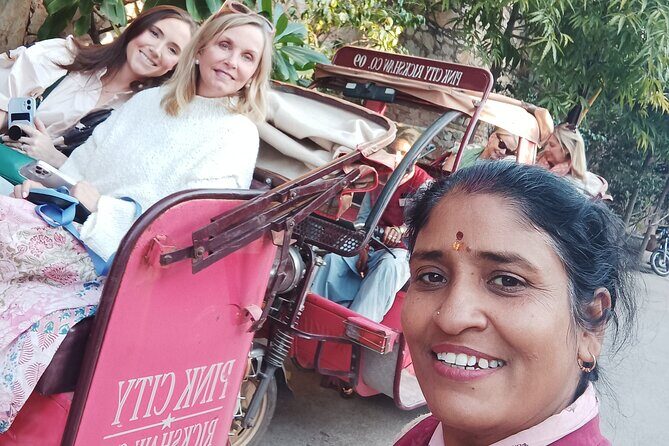
Jaipur can be intense—wide roads, constant motion, and plenty of people. The tradeoff is that when you travel later in the day, it becomes harder to notice details. This morning format fixes that. You’re out early, when the city feels calmer and easier to read.
You’ll move by e-rickshaw, which does two things at once. First, it keeps you from burning energy on steep, stop-and-go streets. Second, it lets your eyes do the work. Slow passing views across rows of pink-terracotta buildings help you understand the city layout rather than just collecting photo points.
This is also a smart pick if you’re traveling with limited walking ability. In the reviews, people specifically called out that the ride helped them enjoy Jaipur even with back injuries and older ages. That lines up with the “sit-and-see” structure here. You’ll still do some walking at stops, but it’s never framed as an all-day hike.
The guided part matters too. Jaipur street scenes can be fascinating but confusing if you don’t know what you’re looking at. With a real guide—often Umesh or Kum Kum—you get context for why the buildings matter and what the markets are actually selling.
You can also read our reviews of more food & drink experiences in Jaipur

From Raj Mandir Cinema to Ajmeri Gate: starting with real local geography
The tour kicks off around Raj Mandir Cinema, a landmark in C Scheme. Even before you start sightseeing, it’s a useful anchoring point. You can think of it as your first taste of Jaipur’s public-life energy—this isn’t some far-off countryside detour. Raj Mandir is described as Jaipur’s oldest movie theatre, and it’s known for opulent interiors. Note that entry isn’t included, so this stop is mainly for orientation and exterior viewing.
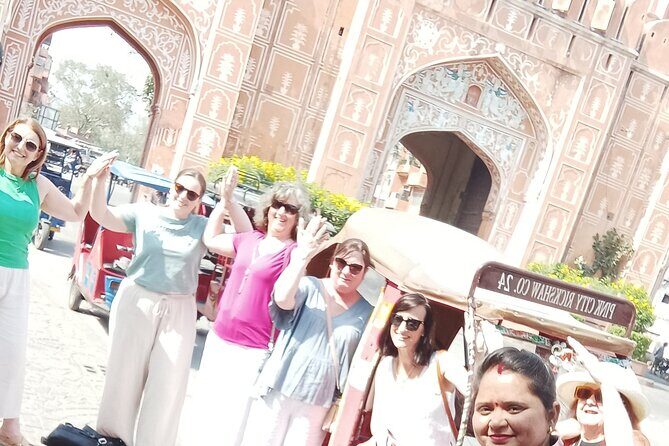
Then you roll into Ajmeri Gate. This is where the story shifts from individual landmarks to the structure of the old city. Ajmeri Gate is famous for its huge doorways and its Jaipuri art on the walls. The key idea: this gate historically protected local neighborhoods from outside threats, so it’s not just decorative. It’s built into the city’s defensive logic.
You’ll also get a sense that the walled-city portion starts here. That matters because once you grasp where the older city begins, the rest of your route feels less random. Even if you’re not a history buff, the gate helps you map Jaipur in your head.
Ram Niwas Garden and Albert Hall Museum area: seeing architecture without the hassle
Next comes Ram Niwas Garden. This is one of those Jaipur morning moves that makes you grateful someone planned it for you. The traffic setup at this hour helps a lot—you’re able to enjoy the garden roads without the usual stress.
The highlight is the Anglo-Indian design feel around Albert Hall Museum in the garden. Morning light makes that contrast pop: Jaipur’s royal pink tones and the more European-leaning museum vibe sit side by side. You don’t need to be an architecture nerd to appreciate how different styles can coexist in the same city block.
A practical note: entry tickets are not included for Ram Niwas Garden. In many cases, you’ll get the value through exterior views and the ride-through experience, but if you’re hoping for a full museum visit, you’ll need to plan separately.
Pink City streets and Chardiwari: the walls you can feel
Then you head into the heart of the Pink City atmosphere. The route includes a look at Chardiwari, described as the outer walls around the Maharaja’s palace area. When you’re in Jaipur, it helps to remember that fortification wasn’t just for wars—it shaped daily movement and where markets and neighborhoods formed.
You’ll cross older markets as part of this stretch, which is where the guided pace really pays off. It’s easy to get lost in markets if you’re moving solo, and it’s easy to feel overwhelmed if you’re rushing. Here, the ride keeps you oriented while still letting you absorb street texture.
Also, there’s a neat theme carried through the tour: the city plan. Jaipur is known for being one of the first planned cities in India, and the idea of structured layout shows up in the way streets connect and how you move from major points to smaller lanes. It’s not just “look at a cool wall.” It’s “understand how Jaipur is laid out.”
Hawa Mahal photo-point: what those windows mean
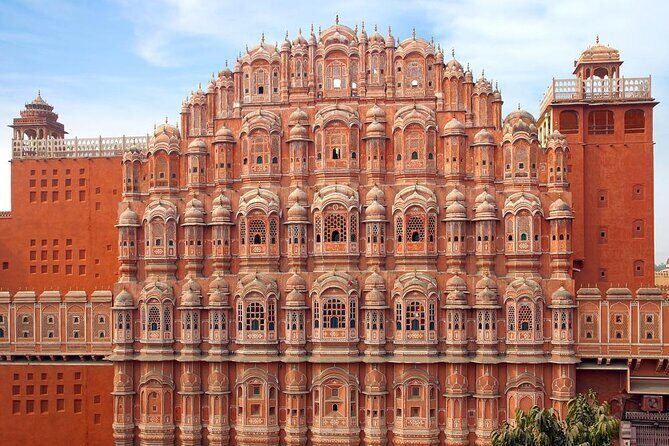
You’ll reach Hawa Mahal, Palace of Wind, and this is one of those stops where a photo alone doesn’t tell the full story. The five-floor exterior is designed by Lal Chand Ustad, and the facade looks like a honeycomb because of 953 small windows.
These windows are called jharokhas, and they’re decorated with intricate latticework. The practical takeaway is that Hawa Mahal isn’t only about beauty. The design is tied to how people could experience air and view through screened openings. So when you see the honeycomb look from the road, don’t just think architecture. Think function.
You’ll have a photo opportunity, but entry isn’t included here either. That’s not a drawback so much as a planning cue. If you want to go inside and explore deeply, treat this as your dramatic outside-first moment, then decide later whether to add an entry on another day.
You can also read our reviews of more tours and experiences in Jaipur





Govind Devji Temple morning: aarti, garden calm, and the food-scent route
The tour’s spiritual stop is Govind Devji Temple. This is also where the route connects directly to your stomach, not just your eyes.
You’ll attend Govind Dev Ji aarti at the temple. That’s one of the moments that tends to anchor the whole morning, because it adds rhythm. You’re not just passing through sights. You’re participating in a local time-based tradition.
From there, you’ll spend time around temple-garden and the surrounding market atmosphere. The tour specifically mentions laughing yoga at the Govind Devji Temple Garden. If you’ve never done it, the idea is simple: playful group breathing and laughter as a way to reset after all the sensory input you’re already getting from streets and vendors.
Then come the flower and vegetable markets. This stop is described as offering more than 100 varieties of flowers and vegetables. Even if you’re not buying anything, it’s a feast for your senses. Colors, smells, and the way vendors talk about produce all hit at once. And because it’s early morning, the energy feels more like work-in-progress than late-day chaos.
A key benefit here: you’re guided, so you don’t have to interpret everything alone. You can focus on noticing what’s different, like which vendors are selling what and how the market rhythm changes from one corner to the next.
Thatheron ka rasta and brass utensils: watching craft, then trying it
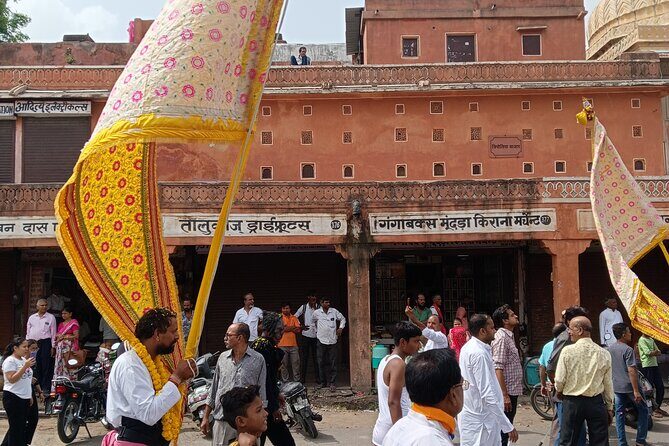
One of my favorite types of travel moments is the one where you see a craft process up close. Here, that happens at Thatheron ka rasta, the brass utensil maker street.
You’ll see artisans making utensils without machines, old-style. That’s not a quick glance either. The tour builds in time so you can watch the workflow and understand how labor-intensive it is.
And yes, there’s an interaction element. The tour description includes the chance to try making a utensil yourself, to get a real feel for how difficult it is. This is the kind of activity that doesn’t just entertain—it changes how you look at everyday objects at home. After you’ve seen the effort, a brass bowl becomes something you respect.
This is also where the food component leans strongest. The tour connects the craft street with “Jaipur best food joints,” described as being in business for more than 100 years. That’s a big deal for value because it’s harder for a tourist route to accidentally lead you to something mediocre when the reputation is old and locally anchored.
Food tasting in Jaipur: how to get the most from the snacks
The “food tasting” part isn’t treated like a random buffet of bites. It’s linked to specific stops: markets, traditional streets, and well-established outlets. That means your tasting feels connected to place.
Here’s how I suggest you handle the food side during a morning tour:
- Pace yourself. You’re tasting multiple things across stops. Drink water in small amounts when you can.
- Be ready for strong smells. Markets have a lot of scent—spices, flowers, produce. If you’re sensitive, you can still enjoy it, but bring a calm mindset.
- Ask what you’re tasting. A good guide makes a difference here. With Umesh or Kum Kum, you’re more likely to understand what makes each snack Jaipur-style rather than just that it tastes good.
- Save one or two “safe” cravings for later. If you load up during the tour, you may reduce your appetite for an evening meal. The goal is to try a sampler, not to turn the morning into a full feast.
One more thing: the tour structure naturally includes chai moments and street-vendor interaction tied to the city waking up. That early timing can make even simple snacks feel special because the city atmosphere amplifies it.
Price and value: what you get for about $30.09
At $30.09 per person for around 3 hours, this tour prices itself as a focused “morning hit.” The value comes from the combination, not from any single landmark.
You’re paying for:
- a guided route that helps you understand Jaipur quickly,
- e-rickshaw transport through multiple districts in a short window,
- temple time and market time,
- plus multiple tasting moments connected to longstanding local food places.
Also, the maximum group size of 10 matters for value. With smaller groups, it’s easier to keep the pacing comfortable and for the guide to answer questions. That’s especially important when you’re mixing sensory markets, aarti, and hands-on craft.
If your goal is to see Jaipur efficiently without spending the day fighting crowds, this is a fair deal. If your goal is deep museum time and long indoor entry visits, the pricing won’t feel “cheap” because some entries aren’t included and the stops are mostly designed for outside viewing and guided moments.
Who should book this tour, and who might skip it
This is a great fit if you:
- want Jaipur orientation fast,
- prefer an easier pace with plenty of seeing from the vehicle,
- like food that’s tied to local markets, not packaged tourist snacks,
- enjoy temple culture and early-morning atmosphere,
- need a tour structure that works well for older travelers or people with limited walking ability.
You might consider skipping or pairing it with other activities if you:
- want long, inside-only attractions,
- dislike spending much time seated,
- are traveling only for photo content and don’t care about markets, craft, or food.
The route ends back at the meeting point, which is convenient. The start location is Raj Mandir Cinema area on Bhagwan Das Road (C-16, Panch Batti, C Scheme, Ashok Nagar). Since it’s described as near public transportation, getting to the start should be straightforward.
Quick practical tips for your morning
- Start early in both attitude and routine. This is a sunrise-style tour in spirit, and your energy will match your schedule.
- Bring sun protection. Morning still becomes bright quickly in Jaipur.
- Wear comfortable clothes. You’ll move between markets, temple surroundings, and craft street stops.
- Keep some appetite available. The tastings are part of the experience, and you’ll enjoy them more without forcing it.
- Expect outside viewing at major photo spots. Hawa Mahal and Raj Mandir are not presented as included entry experiences.
If weather is poor, the tour runs on a good-weather requirement. If it can’t operate, you’ll be offered a different date or a full refund.
Should you book this Jaipur e-rickshaw food tour?
If you’re doing Jaipur for the first time and you want a morning that mixes city context, local markets, temple culture, and real street food, I think this is worth booking. The small group size, the early pace, and the way the food and craft stops connect to place all make it feel like more than a checklist tour.
Book it if you like guided wandering with structure, and especially if you want to keep walking light. If you’re craving inside museum time or long attraction entries, treat this as your orientation and tasting morning, then plan a second day for deeper paid entries.
If you want my simple rule: do this tour early, then use the rest of your trip to go back to the spots that grabbed you.
FAQ
How long is the guided morning e-rickshaw ride in Jaipur?
The tour is about 3 hours.
How much does the tour cost per person?
The price is $30.09 per person.
How big is the group for this activity?
The tour has a maximum of 10 travelers.
Where does the tour start and where does it end?
It starts at Raj Mandir Cinema at C-16, Bhagwan Das Rd, Panch Batti, C Scheme, Ashok Nagar, Jaipur, and it ends back at the same meeting point.
Is the ticket mobile, and will I get confirmation?
You receive a mobile ticket. Confirmation is received at booking unless you book within 2 days of travel, in which case confirmation is subject to availability.
Are admission tickets included for major stops like Raj Mandir Cinema and Hawa Mahal?
Admission tickets are not included for Raj Mandir Cinema and Hawa Mahal (they are listed as not included). Other stops like Ajmeri Gate and Govind Devji Temple are listed as free.
What happens if the weather is bad?
This experience requires good weather. If it’s canceled due to poor weather, you’ll be offered a different date or a full refund.
Can I cancel for a full refund?
Yes. You can cancel up to 24 hours in advance for a full refund.