REVIEW · CITY TOURS
Jaipur City Full Day Visit and Sightseeing Private Tour
Book on Viator →Operated by Amazing Rajasthan Tours · Bookable on Viator
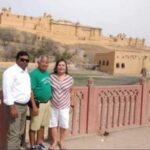
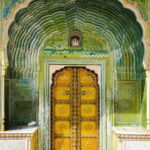
Jaipur rewards people who plan smart. This private full-day car tour hits the big icons and UNESCO sites without the stress of figuring out routes. I especially like the mix of royal landmarks and quiet, local-feeling spots, plus the convenience of hotel pickup and drop-off. One thing to keep in mind: the monuments have separate entry fees that are not included, so your real cost can be a bit higher once you add tickets.
You start at 8:30am (meeting at Sanganeer Airport), ride in an air-conditioned vehicle, and get a professional guide in selected languages. In the best cases, your driver and guide make the day flow smoothly, and the names Arifji and the focus on safe, respectful driving come up often in customer feedback. If you want to pack in every photo stop, the timing is tight at the shorter sites, so wear comfy shoes and don’t plan to linger.
In This Review
- Key highlights you will feel on the day
- A Full Day in Jaipur With a Private Car and a Real Start Time
- Panna Meena ka Kund: A Stepwell Stop That Feels Like a Time Machine
- Jal Mahal at Man Sagar Lake: Pretty Views, Short Time Window
- Gaitor Ki Chhatriyan: Royal Crematorium Architecture With a Calm Mood
- City Palace of Jaipur: Mughal-Rajput Design and a Still-Living Compound
- Hawa Mahal: The Palace of Winds, Women’s Quarters, and That Famous Facade
- Jantar Mantar UNESCO: The Largest Stone Sundial Moment
- Price and Value: What $23.83 Buys (and What It Doesn’t)
- Driver and Guide Quality: Why Safety and Humor Matter in Jaipur
- What to Expect From Each Timing Block
- Who This Jaipur Private Tour Fits Best
- Should You Book This Jaipur Private Full Day Tour?
- FAQ
- What time does the tour start?
- Where is the meeting point?
- How long is the Jaipur full day visit?
- Is this a private tour?
- Does the price include monument entry fees?
- Is hotel pickup and drop-off included?
- Is bottled water provided?
- Can I cancel for a full refund?
- Are camera fees included?
Key highlights you will feel on the day
- Private car, air-conditioning, and hotel pickup: You lose less time to traffic and searching for directions
- UNESCO World Heritage at Jantar Mantar: A hands-on, mind-bending stop with real context
- Panna Meena ka Kund stepwell: Square, symmetrical stairs on four sides, plus a small room feature
- Hawa Mahal and City Palace as a linked circuit: You see how Jaipur’s women’s quarters connect to the palace complex
- A driver-and-guide style that prioritizes safety: You stay comfortable, especially during hot hours
- Customizable itinerary: You can adjust the plan if you want more of one area or pace
A Full Day in Jaipur With a Private Car and a Real Start Time
This is built for people who want a complete Jaipur taste in one day, with less chaos. The tour runs about 7 to 8 hours, starting at 8:30am. The meeting point is Sanganeer Airport, and you also get hotel pickup and drop-off, so you’re not stuck arranging your own ride before the sightseeing begins.
The big value here is the private, air-conditioned car. Jaipur traffic can be slow, and walking long distances in the midday heat can wear you down. With a driver doing the route and you doing the photos and walking, you keep the day enjoyable. You’ll also get bottled water, plus fuel, parking charges, and tolls are covered—small details, but they add up when you’re planning.
Because it’s private, you can tailor the schedule if you ask for a different order or pacing. If you know you care most about palaces, or you want fewer quick photo stops, this is the kind of day tour that can adapt. Just know the itinerary includes a mix of short stops and longer ones, so your total pace depends on how long you spend at each place.
You can also read our reviews of more city tours in Jaipur

Panna Meena ka Kund: A Stepwell Stop That Feels Like a Time Machine
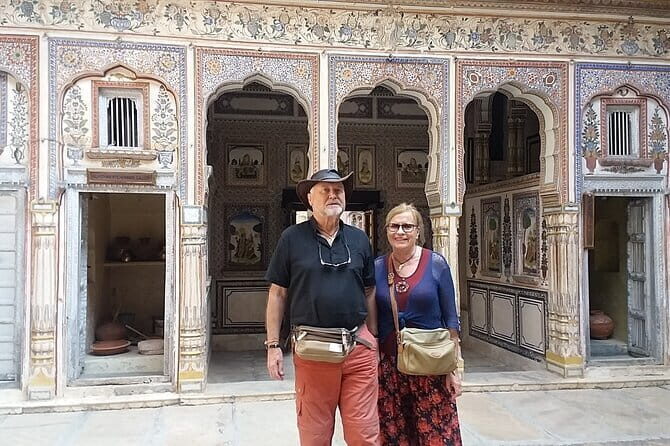
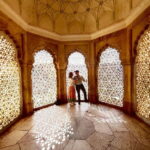
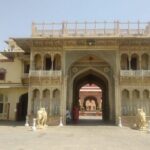
Panna Meena ka Kund is the kind of place that surprises you—in a good way. It’s a square-shaped stepwell with stairs on all four sides, and there’s also a room on the northern side of the kund. Even if you’re not a hardcore architecture person, the geometry makes it easy to appreciate, and the stairs give you plenty to look at.
You’ll have about 30 minutes here, and admission is free. That matters: it’s one of the few stops in the day where you don’t have to think about adding a ticket cost. The main drawback is physical: it’s a stair-and-walk site, so bring shoes with grip. If you’ve got knees or balance issues, plan slower movement and take your time.
If you like photos with strong lines and symmetry, this is a reliable shot. And because it’s not a palace, it often feels less like a stage set. It’s a functional, lived-in-feeling part of Jaipur’s water history—cooler, quieter, and a nice break from the bigger tourist monuments.
Jal Mahal at Man Sagar Lake: Pretty Views, Short Time Window
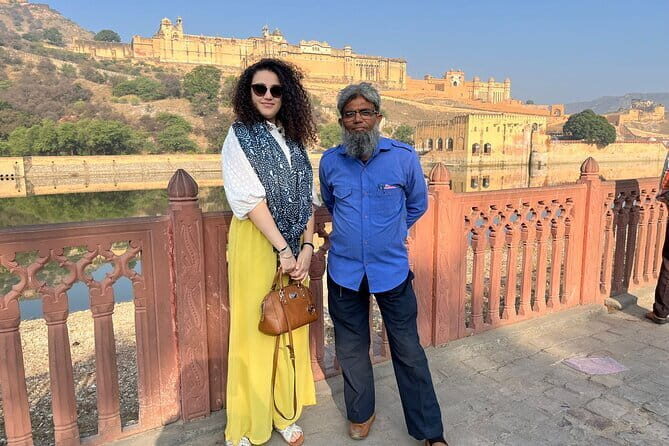
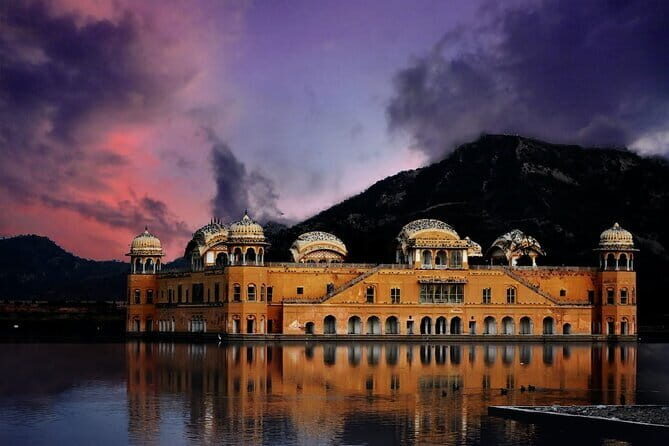
Jal Mahal, the Water Palace, is one of Jaipur’s most recognizable silhouettes. It sits right in Man Sagar Lake, with sandy-colored stone and a look that contrasts beautifully against the water. It’s the kind of stop where the best move is simple: arrive, look around, take a few photos, and let the reflections do their job.
You get about 30 minutes, and admission is free. The time window is the main consideration. If you come for a long sit-down and slow wandering, this stop won’t be that. But if you want the iconic view without sacrificing the rest of the day, 30 minutes is about right.
A practical tip: plan for glare. Lake scenes can be bright, so consider a hat and sunglasses. Also, if you’re taking photos, the best images often happen when you’re positioned well rather than moving constantly—so once you find a spot, spend a few minutes getting your angle.
Gaitor Ki Chhatriyan: Royal Crematorium Architecture With a Calm Mood
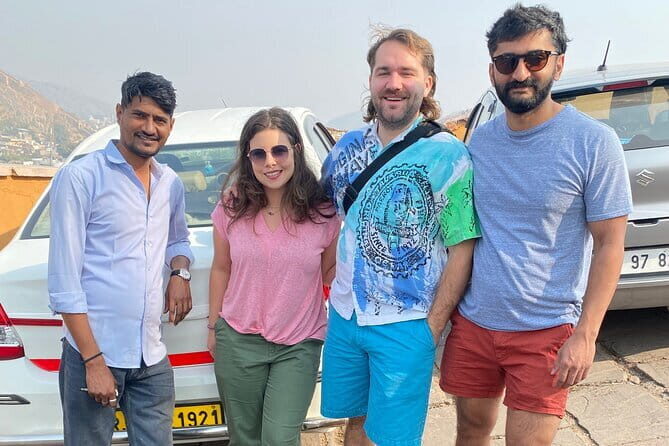
Gaitor Ki Chhatriyan is where Jaipur gets quieter. The site is associated with the Rajput Kachwaha dynasty, known for maintaining the royal crematorium grounds. Maharaja Jai Singh II—the founder of Jaipur—chose the site in the 18th century, and that royal connection shapes the feel.
This is a longer stop at about 2 hours, and admission is not included, so budget for tickets if you want access. What makes it worth the extra time is the atmosphere. You’re not just checking a building; you’re visiting a ceremonial landscape of royal memorial architecture.
You’ll likely spend time walking and looking at the chhatriya structures and how they relate to each other. If you’re used to fast palace visits, give yourself the full 2 hours so it doesn’t feel rushed. It’s also a place where respectful behavior matters—this isn’t a loud, shopping-focused stop.
The main trade-off is cost and time: you have to pay the entry ticket here, and you can’t “skip it” if you want the pacing balance of the day. If you remove this from your plan, you may end up with too much palace time later.
City Palace of Jaipur: Mughal-Rajput Design and a Still-Living Compound
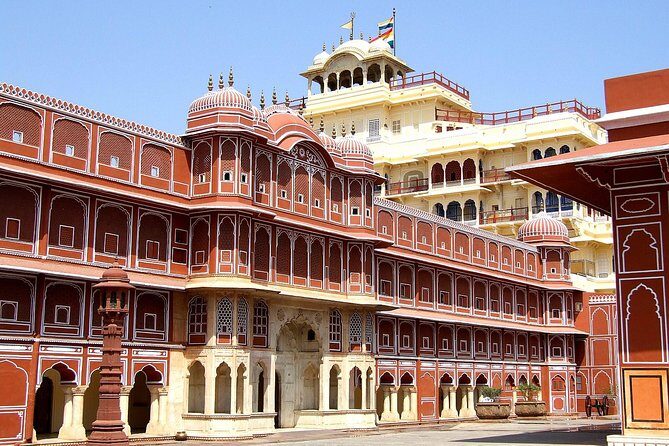
City Palace is a highlight for a reason. The complex was conceived and built by Maharaja Sawai Jai Singh II, Jaipur’s founder. Expect a fusion of Mughal and Rajput architecture, and expect it to feel more than just a museum stop.
This tour gives you about 2 hours at City Palace, and entry tickets are not included. The palace complex is also still home to the last ruling royal family, so the vibe can be different from places that feel purely theatrical. You’re stepping into a living connection to Jaipur’s past rather than only viewing artifacts behind glass.
When you’re here, think about the design layers. Mughal elements tend to bring symmetry and refinement, while Rajput elements show more strength in geometry and craft. The best way to enjoy it is to slow down for a few key views—arches, courtyards, and the way buildings sit together as one system.
Also, because it’s a palace complex, dress matters. You’ll be outside and inside, and you may face stairways or uneven ground. Wear something comfortable that covers shoulders and knees if possible, especially if you plan to enter areas where respectful clothing is expected.
If you’re planning your photos, save extra time for spots near the courtyards. From a vehicle-only view, City Palace can look like a big red block. Up close, you’ll see the details that make it more interesting than a postcard.
You can also read our reviews of more private tours in Jaipur






Hawa Mahal: The Palace of Winds, Women’s Quarters, and That Famous Facade
Hawa Mahal is the stop most people picture before they ever arrive in Jaipur. Built from red and pink sandstone, it sits on the edge of City Palace and extends toward the zenana, the women’s chambers. The nickname Palace of Winds comes from how the structure was designed for airflow and daily life, not just for dramatic views.
You’ll have about 30 minutes here, and entry tickets are not included. The time limit is the big factor. Hawa Mahal is visually powerful from the outside, so you can appreciate it quickly. But if you want deep interior exploring, this schedule might feel short.
Still, 30 minutes works if you use it smartly:
- Spend the first few minutes taking in the facade as a whole
- Then move around a bit to find a better angle for close-up views
- Use your guide to explain why this building looks the way it does
Because the facade is so detailed, photographers often waste time chasing every angle. Instead, find one strong view, shoot a few variations, and move on. You’ll get more out of the day by keeping the pacing steady.
Jantar Mantar UNESCO: The Largest Stone Sundial Moment

Jantar Mantar is where Jaipur turns from pretty scenery to smart science made out of stone. The monument is a UNESCO World Heritage site, and it’s famous for containing the largest stone sundial in the world.
This stop runs about 1 hour, and entry tickets are not included. If you like explanations, this is one of your best uses of a guide. The structures are instruments—meant to measure time and track celestial movements. Without context, you might walk around thinking, interesting rocks. With context, you start seeing how each piece fits into a bigger system.
You’ll learn how the design supports observation, and you’ll connect the purpose of the forms to the era that built them. The monument was built under Rajput King Sawai Jai Singh, and that royal patronage matters: it shows Jaipur as a city that planned, calculated, and invested in knowledge.
Photography can be easy here because the shapes are bold and clear. The main practical challenge is time. One hour goes fast if you pause at each instrument and ask questions. If you’re the type who wants to understand every meter, you may wish you had more time—but then again, a full-day schedule keeps your day balanced.
Price and Value: What $23.83 Buys (and What It Doesn’t)
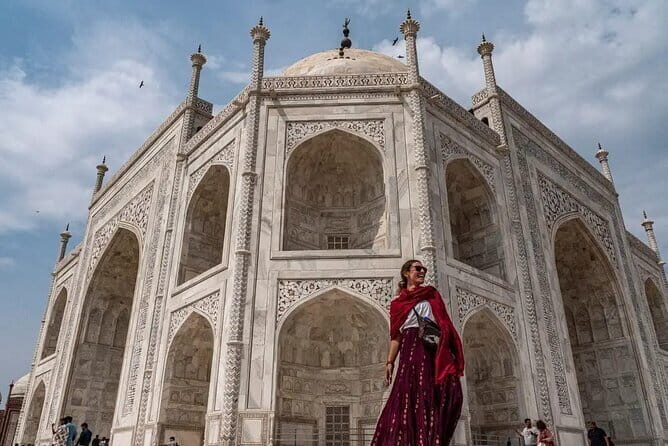
At $23.83 per person, this tour is priced like a value play, especially because it’s private and includes transportation. The tour includes:
- Hotel pickup and drop-off
- Private air-conditioned car
- Bottled water
- Fuel, parking, and tolls
- Professional guide in selected languages
- Free children up to 10 years old, with the note that entry tickets are separate
What is not included:
- Monument entry fees (this matters because several major stops fall in that category)
- Meals and personal expenses
- Camera fees
- Tips
So, here’s the real math idea. If you’re the kind of traveler who already planned to pay entry fees at City Palace, Hawa Mahal, Gaitor Ki Chhatriyan, and Jantar Mantar, then the base price looks like a fair deal for the vehicle, guide, and time saved. If you planned to skip paid monuments or only want a quick look from outside, the value drops a bit because a chunk of the experience is ticketed.
Also, the day is long enough to justify comfort. You’re not renting a driver for a few stops; you’re stacking multiple icons plus at least one UNESCO stop. For solo travelers and couples, private access can feel much more cost-effective than you’d expect because you don’t need to scramble for group schedules or share attention.
Driver and Guide Quality: Why Safety and Humor Matter in Jaipur
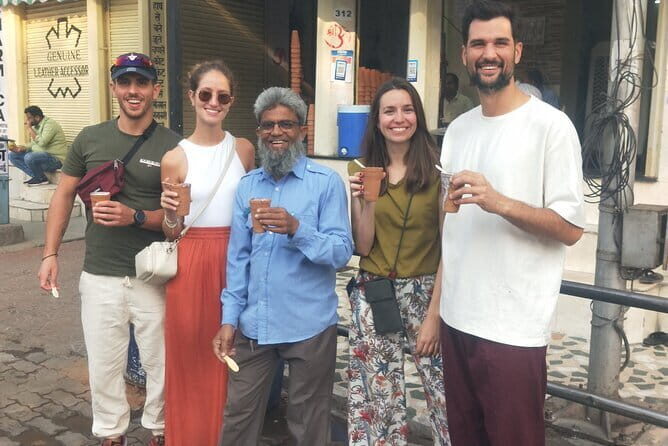
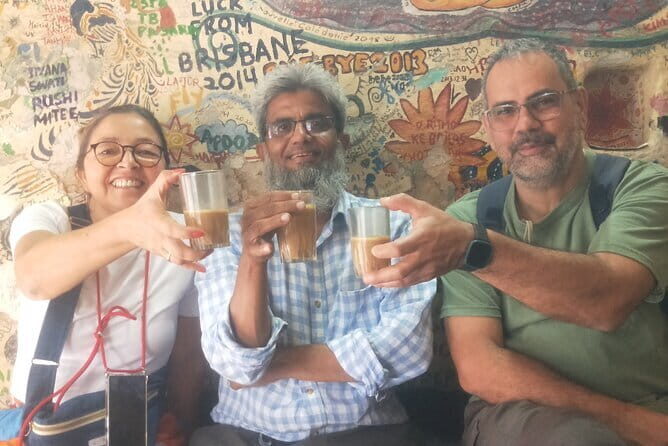
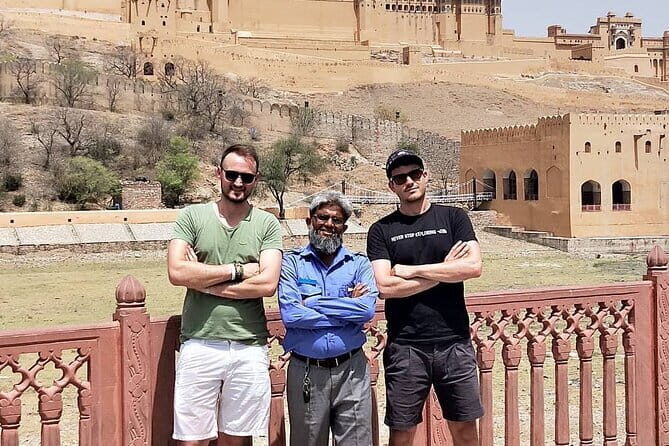
One of the strongest themes in the tour’s reputation is the style of driving and guiding. A name that comes up often is Arifji, described as kind, attentive, funny, and respectful, with a focus on keeping you comfortable and safe. That matters in a city where traffic rhythm can be tiring. If you’re relaxed in the car, you’re more likely to enjoy the monuments rather than rush through them.
Language ability is also a practical point. Arifji has been described as speaking fluent English and basic French, which can help if you don’t want your questions limited to simple phrases. Even when language isn’t perfect, the guide component still helps. At Jantar Mantar, explanations can change the whole experience.
A smart driver also helps you avoid wasting time. In northern India, getting stuck in traffic or chasing confusing directions can kill a day. The best part of this tour format is that you’re not left on your own. The day becomes predictable: you arrive, you see, you go next.
What to Expect From Each Timing Block
This day is a sequence of short hits and two longer immersions. Here’s how it tends to feel:
- 30-minute stops (Panna Meena ka Kund, Jal Mahal, Hawa Mahal): good for seeing the main idea and taking photos. Not ideal for deep wandering.
- 2-hour stops (Gaitor Ki Chhatriyan, City Palace): enough time to read, walk, and take breaks without feeling trapped.
- 1-hour stop (Jantar Mantar): focused and structured, especially if you ask questions.
If you’re prone to overpacking your schedule, don’t. This itinerary already has enough motion for a full day. Bring a small bag for water, keep your camera ready for facade moments, and treat the longer sites as your chance to slow down and actually learn.
Who This Jaipur Private Tour Fits Best
This is a good fit if:
- You want a full day of Jaipur highlights without planning transport between them
- You care about at least one UNESCO site and want guide context
- You prefer a private pace over group tours
- You’re traveling with a partner, family, or solo and want control of the day flow
It’s also a solid choice if you’re short on time in Jaipur. Instead of splitting Jaipur across multiple days, you can get a major cross-section in one long outing.
It may be less ideal if:
- You hate paying separate entry tickets for multiple monuments
- You want lots of free time with long food breaks
- You prefer deep exploration of just one site rather than a broad sampler
Should You Book This Jaipur Private Full Day Tour?
I think you should book it if you want an efficient, comfortable Jaipur day with private car convenience and a guide who can turn famous sights into something you actually understand. The base price is strong for what you get, and the mix of places—from Panna Meena ka Kund to Jantar Mantar—gives you variety beyond only palaces.
Before you hit purchase, do two quick things:
- Expect monument entry fees on top of the tour price, and budget for them
- Plan for a long day with multiple short photo stops, not one relaxed stroll
If that sounds like your style, this is an easy yes. It’s the kind of tour that helps you see Jaipur without wasting your best daylight on logistics.
FAQ
What time does the tour start?
The tour starts at 8:30am.
Where is the meeting point?
The meeting point is Sanganeer Airport, Jaipur, India.
How long is the Jaipur full day visit?
It runs about 7 to 8 hours.
Is this a private tour?
Yes. It’s a private tour/activity, and only your group participates.
Does the price include monument entry fees?
No. Monument entry fees are not included. Some stops note free admission, while others require paid entry.
Is hotel pickup and drop-off included?
Yes. Hotel pickup and drop-off are included.
Is bottled water provided?
Yes. Bottled water is included.
Can I cancel for a full refund?
Yes. You can cancel up to 24 hours in advance for a full refund.
Are camera fees included?
No. Camera fees are not included.