REVIEW · FOOD
All inclusive Vegetarian Jaipur Food and Heritage Tour
Book on Viator →Operated by No Footprints · Bookable on Viator
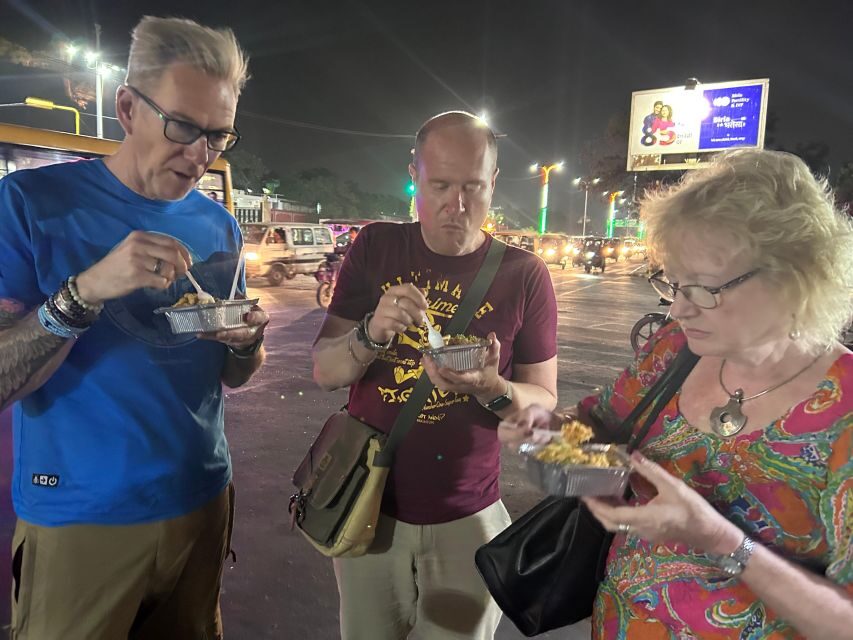
Jaipur’s streets have a way of teaching you fast, and this food-and-heritage walk does it with your senses front and center. I really liked how the guide links every taste to local ingredients and street techniques, so the food feels less random and more purposeful. I also liked the energy of the hosts, especially Bhavya, whose passion can turn a simple snack stop into a small, memorable lesson.
One thing to plan for: this is a street-focused experience, so what you get most out of it depends on comfortable walking time and good weather. If you’re hoping for a quiet, sit-down meal with lots of downtime, you might find the pacing a bit active.
In This Review
- The best parts to keep an eye on
- Key highlights you’ll actually feel
- Jaipur on foot: Johri Bazar to Chaura Rasta in about four hours
- What “all-inclusive vegetarian” tastes like on the street
- Big Gate stop: why this landmark matters for your appetite
- Markets that feed your eyes before your stomach
- Chai and snacks: the part you’ll remember after the tour
- Beyond food: flower recycling and textile craft
- Price and value: what $44.02 buys you in real terms
- Who should book this Jaipur vegetarian food-and-heritage walk
- Should you book this tour?
- FAQ
- How long is the All inclusive Vegetarian Jaipur Food and Heritage Tour?
- Where does the tour start and where does it end?
- What’s included in the price?
- Is this a private tour?
- Will the tour accommodate allergies?
- Can I get a full refund if I cancel?
The best parts to keep an eye on
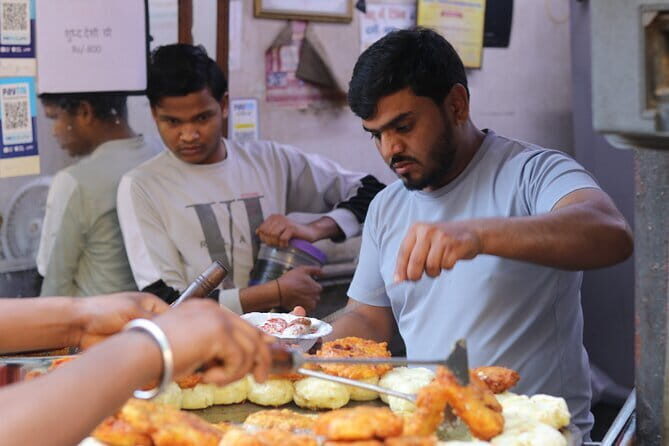
- It’s built around vegetarian Jaipur food plus how dishes fit into daily life in Rajasthan.
- You’ll walk through the market area around Johri Bazar and Bapu Bazar, ending near Chaura Rasta Road.
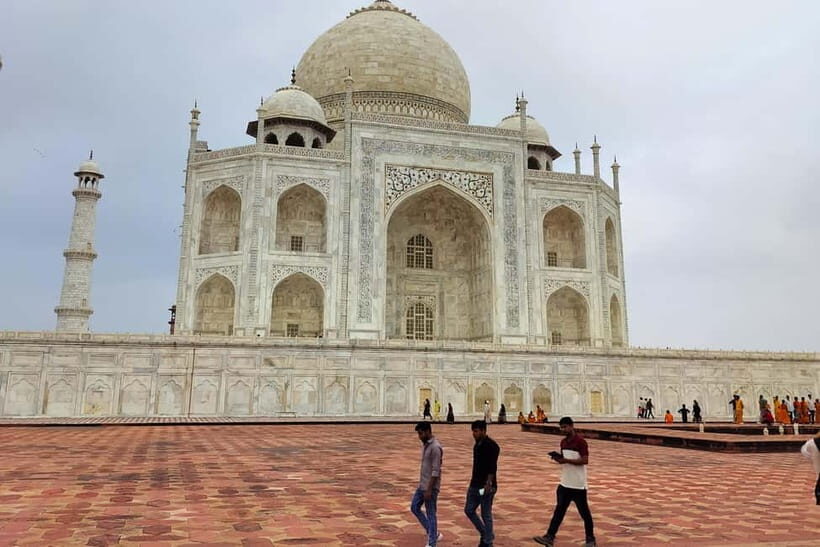
- You’ll stop at Big Gate to see a recognizable city landmark along the route.
- Your guide uses a mic and keeps the group engaged while you snack and taste.
Key highlights you’ll actually feel
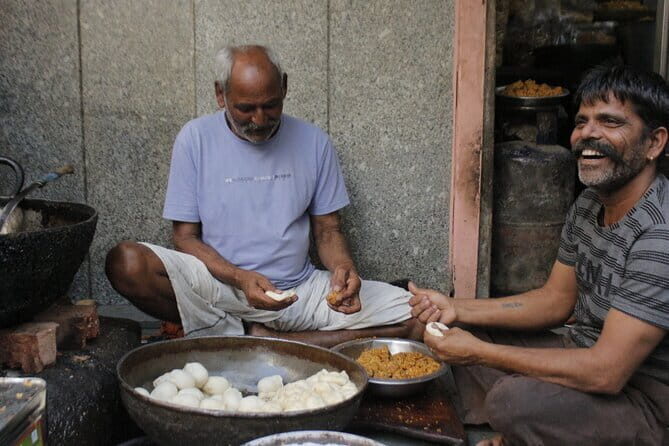
- Bhavya’s enthusiasm makes the tour easier to follow and more fun
- You get a proper street snack rhythm, not just a few random bites
- Big Gate helps you connect the food stops to city layout
- A vegetable and flower market adds color and context to what you eat
- A textile workshop moment shows flower recycling, tying food culture to everyday craft
- Best chai can be part of the story, not just the caffeine hit
You can also read our reviews of more food & drink experiences in Jaipur



Jaipur on foot: Johri Bazar to Chaura Rasta in about four hours

This is a 4-hour walk, and the time matters because it keeps the experience tight. You’re not stuck wandering for half a day with no clear plan. Instead, you move between food-focused parts of Jaipur in a way that makes the city feel like one connected place, not separate stops.
You’ll start at LMB Hotel on Johri Bazar / Bapu Bazar area and finish at 245, Chaura Rasta Rd, still in the Bapu Bazar / Biseswarji stretch. Since it’s near public transportation, it’s also easier to layer this tour into a bigger day—say, right before you go back out for shopping or sightseeing.
The private-group setup is a quiet advantage. Only your group participates, which usually means fewer awkward moments and less waiting around. Also, the tour includes a mic, which helps when street noise is loud and you still want to hear the story behind each bite.
What “all-inclusive vegetarian” tastes like on the street
This tour is positioned as a vegetarian Jaipur food and heritage experience, and that shape shows up in how the tasting is done. You’re sampling sweet and savory items across Jaipur, and the guide frames what you’re eating in simple, practical terms—what ingredients matter and why certain street techniques work.
In one guest’s words, the tour is a mix of veg and no-veg framing, which is useful even if you’re strictly vegetarian. It means the guide pays attention to how options differ at counters and why certain places lean one way or the other. If you want only vegetarian tastes, this is exactly the moment to tell the guide right up front so the path matches your needs.
The biggest value for you is the order of the tasting. You don’t just eat. You learn the logic behind what comes next—how flavors build, how sweetness can reset your palate, and how tea fits into the pacing of street food breaks.
Big Gate stop: why this landmark matters for your appetite

One stop is specifically called out: Big Gate to see. Even if you’re not a “stand and take photos” person, landmarks like this help you understand where you are in the city’s flow. When a food tour includes a clear point like this, it reduces that feeling of wandering with no mental map.
For me, the value isn’t the gate itself as a monument. It’s that the guide uses it as a way to put your tasting stops into context. You’ll get a quick city view while still keeping the tour moving, so you don’t lose momentum or appetite.
If you’re short on time in Jaipur, this is also a smart approach: you get a snapshot of the city while focusing on food, not adding a separate sightseeing stop later.
Markets that feed your eyes before your stomach

The tour’s structure spends real time in the market zone, and that’s a big part of why this works. Food in Jaipur isn’t only about what’s on the plate. It’s about how ingredients are chosen, how they smell, and what ingredients look like before they become snacks.
One guest highlighted the vegetable and flower market as a standout. That matters more than it sounds. When you see market produce up close, you start noticing things you’d normally miss: how colors signal ripeness, how fragrances suggest freshness, and how vendors handle ingredients in front of you. You also learn why flowers and spices show up in sweets and everyday preparations.
Also, markets are where the guide earns their keep. A good guide doesn’t just point at food. They explain what to look for and what to expect from each bite. With this tour, the hosts are clearly engaged and excited to share. Bhavya and her team approach the stops like a story you can taste, not like a checklist.
Small caution: street markets can be crowded, and you’re sampling as you go. If you’re sensitive to smells or busy spaces, go in with a calm mindset and let the guide pace you.
You can also read our reviews of more tours and experiences in Jaipur






Chai and snacks: the part you’ll remember after the tour

Food tours often leave you with one great memory and a handful of “fine” bites. Here, the balance seems better because snacks and tastings are treated as part of the narrative. You’re not only trying food; you’re learning how Jaipur street food works as a system.
In the reviews, the chai stands out. One guest called it the best of their entire trip. I’m taking that seriously, because it suggests the guide steers you toward a tea stop that locals trust, not just the nearest cup on the corner.
You also get snacks and bottled water included. That sounds basic, but it makes a difference on a street walk. You’re less likely to get dehydrated or distracted by constant purchasing. The mic and the included water also make it easier to stay focused on the guide’s explanations, even when the street gets loud.
One more practical note: if you’re bringing an empty stomach, this tour will keep it busy. If you’re already full from lunch, you might want to go lighter earlier so you can taste everything comfortably.
Beyond food: flower recycling and textile craft
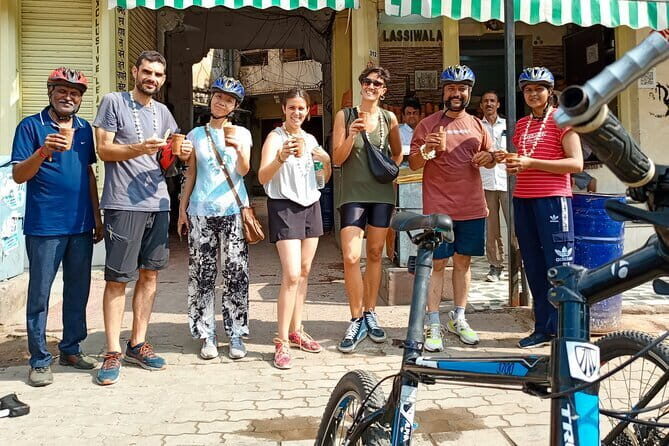
Jaipur food and heritage isn’t only spices and sweets. This experience adds a craft angle that makes the whole thing feel more connected.
A guest mentioned the discovery of flower recycling in a textile workshop. That’s a fascinating pairing with the market portion. It gives you a reason for what you saw earlier: flowers show up not just as a decorative idea, but as something that can be repurposed and reworked into new material life.
Even if you’re not a craft person, you’ll likely appreciate the shift. It breaks up the tour so you’re not stuck doing only eating, eating, eating. It also helps you understand how daily Jaipur culture keeps moving ingredients into new uses—an idea that fits naturally with how street food adapts and repeats patterns.
Because this stop involves a workshop setting, it may feel calmer than the market. That makes it a useful contrast point if the streets feel too intense.
Price and value: what $44.02 buys you in real terms
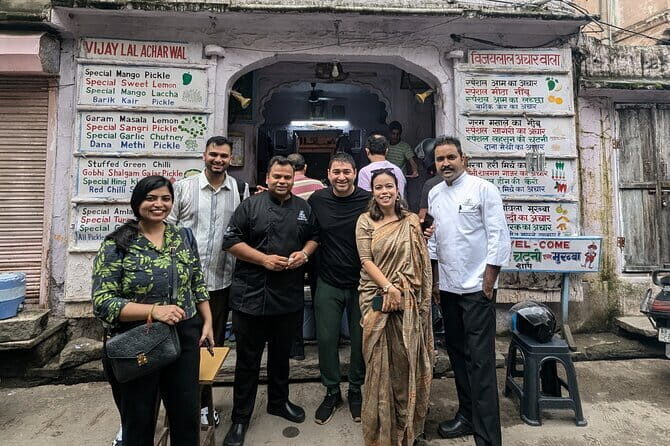
The price is listed as $44.02 per person for about 4 hours. For that money, you’re getting more than “a guide who walks with you.” You’re getting a planned tasting flow plus the small essentials that keep it smooth: GST included, bottled water, snacks, and a mic so you can actually hear explanations.
The private-group format is also part of the value story. You’re not competing with strangers for attention or getting rushed because another group arrived late. With food tours, that matters because your experience depends on the guide’s timing—how they set expectations before you taste and how they keep the group moving without panic.
Group discounts are mentioned too, which can improve value if you’re coming with friends. And since there’s a mobile ticket, it’s usually easier to show up without extra friction.
Here’s the balanced truth: $44 isn’t cheap if you only want to eat. But if you want context—why flavors work, why certain ingredients matter, and how heritage shows up beyond the plate—this is more like a guided education with snacks rather than a simple grazing session.
Who should book this Jaipur vegetarian food-and-heritage walk
I’d point this tour toward three types of people:
- You want a guided street experience but still prefer a vegetarian-forward focus.
- You enjoy learning from enthusiastic guides who can explain food in clear, practical ways.
- You like your sightseeing to be active and short—about four hours, not a half-day commitment that drags.
It may be less ideal if you’re looking for a fully seated dining experience with lots of time to digest between courses. Also, if you’re extremely sensitive to crowded markets or strong smells, plan accordingly.
If you like memorable guides, pay attention to the names from the experience: Bhavya is highlighted for passion and organization, and Gaurav is mentioned as an extra bonus. That combination suggests you’ll get both energy and structure, which is the secret to a good food tour.
Should you book this tour?
I think you should book it if you want Jaipur food with a real guide behind it and you’re okay with a walking, market-style day. The best sign here is not just the vegetarian framing—it’s that the tasting is paired with clear storytelling, and guests specifically call out the guide energy, the chai, and the way the tour connects food to city life.
Skip it if you need a slow, quiet schedule or you expect a classic restaurant-style meal. Also, if your health depends on strict dietary control, send your allergy info in advance so the guide can steer you safely.
Overall, at $44.02 for around four hours with snacks, water, and a mic, it’s a solid value for an experience that feels thoughtfully planned rather than random street sampling.
FAQ
How long is the All inclusive Vegetarian Jaipur Food and Heritage Tour?
It runs for about 4 hours.
Where does the tour start and where does it end?
It starts at LMB Hotel, 100-101, Johri Bazar, Bapu Bazar area, Jaipur, and ends at 245, Chaura Rasta Rd, Bapu Bazar area, Jaipur.
What’s included in the price?
The tour includes bottled water, GST, a microphone, and snacks.
Is this a private tour?
Yes. It’s a private tour/activity, and only your group will participate.
Will the tour accommodate allergies?
You should update the team about any allergies in advance. The tour notes that you should provide allergy information if applicable.
Can I get a full refund if I cancel?
Yes. Free cancellation is available up to 24 hours before the experience start time for a full refund.