
REVIEW · FOOD & DRINK
Tea Tasting Session at India’s oldest tea boutique : Sancha Tea Boutique
Book on Viator →Operated by Sancha Tea Boutique · Bookable on Viator
Tea tasting in Jaipur turns nerdy fast. At Sancha Tea Boutique you get a guided flight of Indian teas by region and season, plus time to browse the shop after. I love the hands-on tasting approach, not just a lecture, and I also love how clearly they connect flavors to where the tea comes from.
One possible drawback: the session is about 1 hour, so if you’re hoping for a full tea-education marathon, you’ll want to plan extra browsing time in the store afterward.
In This Review
- Tea Tasting Session at Sancha Tea Boutique: Key Takeaways
- Where Sancha Tea Boutique Fits on a Jaipur Day
- Arriving at MI Road and Getting Set Up
- The Core Experience: A Region-by-Region Black Tea Flight
- Masala Chai Taste Test: Where It Fits in the Menu
- Darjeeling Across Three Seasons: Spring, Summer, and Autumn
- Tea History That Actually Helps You Taste
- Browsing 100+ Teas After the Tasting
- Price and Time: Is $10.67 Good Value?
- Who This Works Best For (and Who Might Skip It)
- Quick Practical Tips Before You Go
- Should You Book Sancha Tea Boutique in Jaipur?
- FAQ
- What’s the duration of the tea tasting at Sancha Tea Boutique?
- How much does the experience cost?
- Where does the experience start?
- What time does Sancha Tea Boutique operate for this experience?
- How many people are in a group?
- What teas are included in the tasting?
- Is there time to shop at the tea boutique?
- What’s the cancellation policy?
- When should I book?
Tea Tasting Session at Sancha Tea Boutique: Key Takeaways

- Small group vibe (max 10) means you can actually ask what you’re tasting
- Region-focused samples include Darjeeling, Assam, and Sikkim black teas
- Darjeeling across three seasons (spring/first flush, summer, autumn) shows how the same bush changes
- Masala chai included, so you can compare it to black teas in the same session
- History + tasting + shopping makes the experience useful, not just fun for 60 minutes
Where Sancha Tea Boutique Fits on a Jaipur Day
Sancha Tea Boutique is on MI Road (Mirza Ismail Rd area), which is an easy part of Jaipur to reach and easy to combine with other plans. The meeting point is the boutique itself, and the experience ends back there, so you’re not paying for time lost to transfers.
Hours are 12:00 PM to 6:00 PM every day, so this is a solid mid-afternoon option. It’s also close to public transportation, which matters in Jaipur when traffic and parking can be a wild card. If you’re the kind of person who likes to use your time efficiently, a 1-hour appointment is ideal: you can fit it between temple visits, markets, or a long lunch.
You can also read our reviews of more food & drink experiences in Jaipur



Arriving at MI Road and Getting Set Up
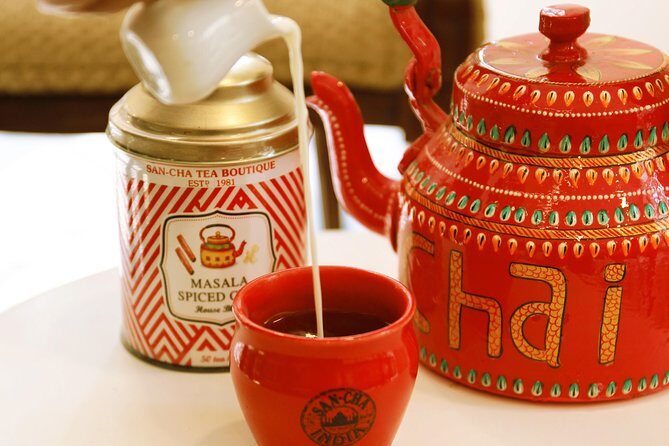
When you arrive at Sancha, you’re stepping into a place built for tea people. The shop is part of India’s oldest teashop chain, and the whole setup feels designed for learning without pressure. You’ll likely get checked in with your mobile ticket, and you can pick a day and time that works for your schedule.
A nice detail: the experience is capped at 10 travelers, which keeps the tasting from turning into a noisy classroom. It also makes it easier for the staff to tailor their explanations to what you’re smelling and sipping, instead of forcing everyone through the same generic script.
Practical tip: if you’re planning to visit after lunch, bring a bottle of water and take small sips. You’ll be tasting multiple teas, and you’ll want your palate ready for the next sample.
The Core Experience: A Region-by-Region Black Tea Flight
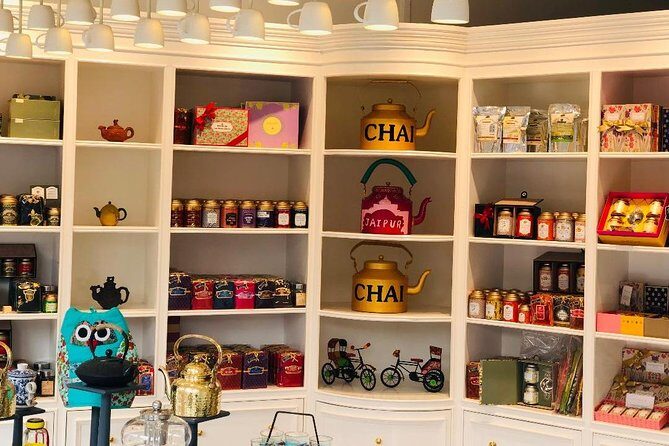
The tasting starts with black tea from three well-known tea-growing regions: Darjeeling, Assam, and Sikkim. This is the centerpiece of the experience because it gives you a baseline. You taste teas that come from different parts of the subcontinent, and you start to notice how aroma, body, and flavor direction shift from one origin to the next.
What makes this valuable for you is that it trains your brain to taste tea like a product with a story. Instead of thinking of tea as one thing, you start building a mental map: origin changes character. That becomes useful later when you browse the store, or when you buy tea to take home and want to recreate what you liked.
They also select the teas through their Master Tea Taster approach, so you’re not stuck guessing what’s worth your time. The session is structured: you taste, you compare, you learn what to pay attention to, then you keep moving.
Masala Chai Taste Test: Where It Fits in the Menu

After the regional black teas, you’ll taste Masala Chai. This isn’t just a dessert-style stop. It’s a smart contrast, because chai changes the rules. Spices and preparation affect aroma and strength, so it’s an opportunity to compare a flavored, spiced tea drink against the more straightforward black tea tasting you’ve just done.
If you think you’re not a tea person, this chai portion can help you recalibrate. Several people point out that even those who don’t usually drink tea found chai part of the experience enjoyable. For you, it can be a doorway into understanding why tea is a daily comfort in India, not just a hobby.
If you’re sensitive to spice, you can still enjoy the session, but you may want to mention it when you’re tasting. The group is small, so staff can generally adapt your pacing and attention.
Darjeeling Across Three Seasons: Spring, Summer, and Autumn
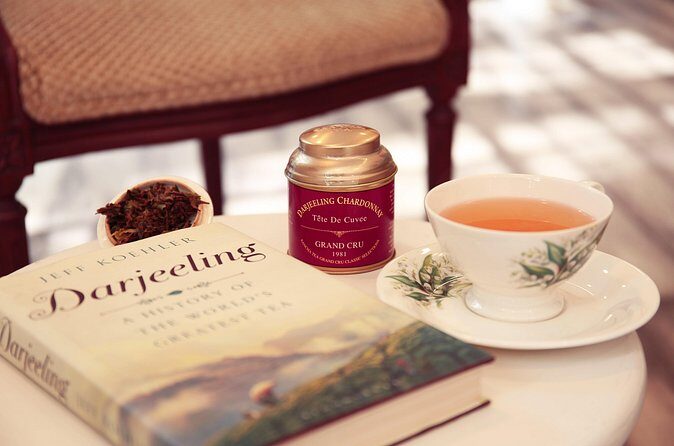
This is the part that most tea lovers remember. You taste Darjeeling tea in three different seasons: spring (first flush), summer, and autumn. The point isn’t just that the tea label says Darjeeling. It’s that the same tea bush can produce noticeably different flavors depending on the season and growing conditions.
The tasting explains how unique terroir and seasonal timing in Darjeeling can change what ends up in your cup. In practical terms, you’ll likely notice differences in aroma intensity and the way the flavor develops. First flush teas are often treated as brighter and more delicate, while later harvests can shift character as the year moves on. Even without getting lost in technical terms, you’ll walk away with something concrete: season is a major ingredient in tea flavor.
For you, this matters because it changes how you shop. Instead of buying a bag labeled Darjeeling and hoping for a single flavor profile, you’ll start looking for the harvest or season-related descriptions—and expecting the difference to be real.






Tea History That Actually Helps You Taste
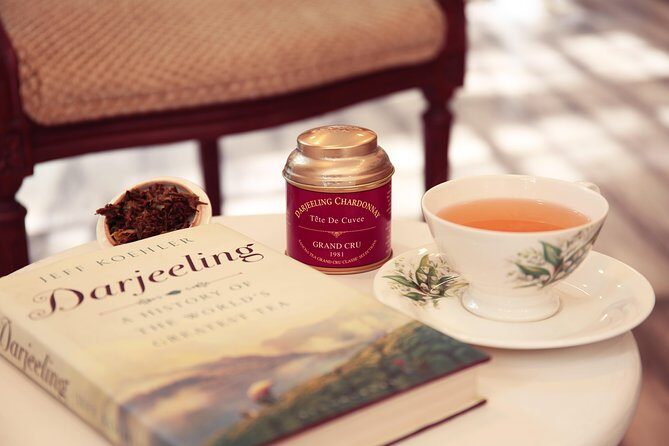
The session also includes the history of Indian tea. I like history when it connects directly to what you’re doing. Here, the history acts like background music for the tasting: you understand how tea culture developed, and why certain regions became known for what they grow and how it shows up in your cup.
It’s not presented as trivia. The best sessions use history to make flavor more understandable, and this one aims for that. You’ll get context for the regions you just tasted, and you’ll leave with a better feel for what you’re buying later.
Browsing 100+ Teas After the Tasting
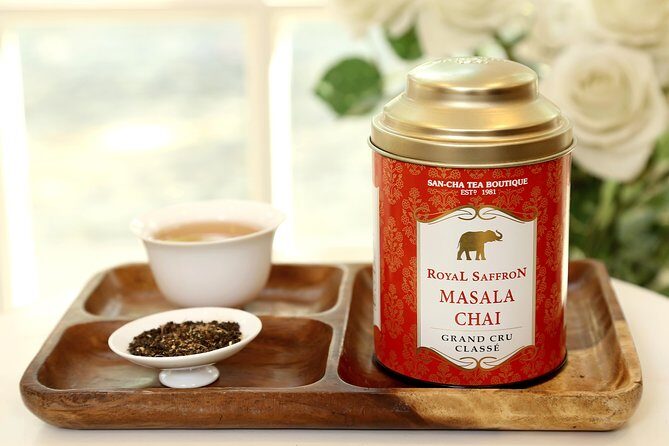
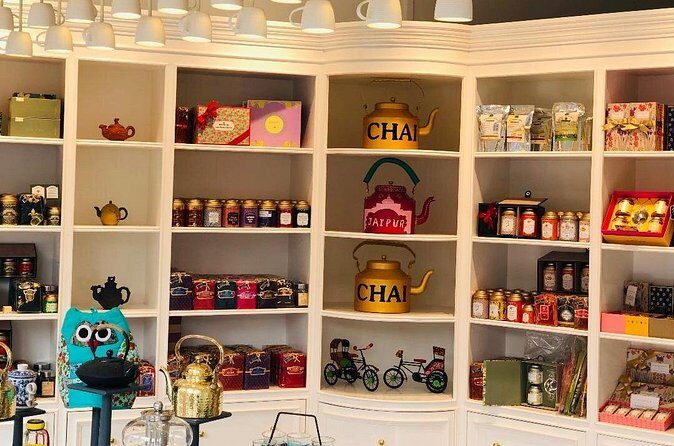
After the tasting, you can browse the store, which offers more than 100 types of Indian tea. You’ll see categories like black, green, white, and oolong, plus plenty of variations within those families.
This is where the value spikes for you, because the tasting sets your taste standards. Without a tasting like this, a big shop can feel overwhelming. After, you have clues: you know what you like in terms of region character, how Darjeeling changes by season, and how chai fits into your preferences.
The store browsing time is also handy if you’re buying gifts. Tea makes a great souvenir because it’s practical, long-lasting, and easy to share. If you want to bring home something that matches what you enjoyed, you’ll be in a better position to choose confidently.
A small extra: some people mention receiving a gift at the end. That may not be guaranteed for everyone, but it’s a nice possibility if it’s part of their occasional wrap-up.
Price and Time: Is $10.67 Good Value?
At $10.67 per person for about 1 hour, this is one of those deals that feels simple but adds up. Here’s why it works as value:
- You taste multiple teas (regional black teas, three Darjeeling seasons, and masala chai), so the session isn’t just one “small sip.”
- You get a guided explanation plus the ability to shop afterward with less guesswork.
- You’re in a small group (max 10), which usually means better interaction than big-group tastings.
If your day in Jaipur is packed, you’ll appreciate that it’s short. If you’re a tea lover, you’ll appreciate that it’s structured. If you’re traveling with kids, it can also work well because it’s active, hands-on, and not just sitting and listening.
Who This Works Best For (and Who Might Skip It)
This experience is great for:
- Tea lovers who want to learn by tasting, not by reading
- Anyone curious about the difference between Indian tea regions
- Families who want a calm, indoor activity that isn’t boring
- People who need a low-commitment activity during Jaipur’s heat or midday lull
You might skip it if:
- You want a deep, multi-hour workshop with food pairings and advanced tea mechanics
- You’re only interested in a general overview of tea and not in comparing multiple styles and seasons
For most visitors, the 1-hour format is exactly right. It’s enough to change how you shop and how you taste back home.
Quick Practical Tips Before You Go
- Plan it between 12:00 PM and 6:00 PM, since the boutique runs those hours.
- Eat beforehand. Tea tasting works better when you’re not hungry, but avoid making it a super-heavy meal.
- Bring water, and sip slowly. You’re tasting several teas, so keep your palate fresh.
- If you’re buying tea, decide in advance what you want to take home (a few Darjeeling options, Assam, or chai-style choices). That way you don’t get lost in the store.
Should You Book Sancha Tea Boutique in Jaipur?
If you care about value, clarity, and a real sensory experience, book it. This is one of the better ways to spend an hour in Jaipur because you walk out with knowledge you can use: how region and season change flavor, and how those differences show up in cups you can actually remember.
If you’re only casually into tea, you might still enjoy it because masala chai and the Darjeeling season comparisons give you immediate, noticeable contrasts. And if you’re traveling with kids, the small-group setting and guided tasting format tend to make it feel less like a lecture and more like an activity.
On the other hand, if you’re looking for something outdoors, or you want a long, performance-style experience, this won’t be that. It’s calm, focused, and tea-first. If that fits your style, it’s an easy yes.
FAQ
What’s the duration of the tea tasting at Sancha Tea Boutique?
It runs for about 1 hour.
How much does the experience cost?
The price is $10.67 per person.
Where does the experience start?
It starts at SANCHA Tea Boutique, MI Road (Mirza Ismail Rd area), Jaipur. The address is near Lassiwala on Mirza Ismail Rd, around Panch Batti and Jayanti Market area.
What time does Sancha Tea Boutique operate for this experience?
The opening hours are 12:00 PM to 6:00 PM (Monday through Sunday).
How many people are in a group?
The experience has a maximum of 10 travelers.
What teas are included in the tasting?
You’ll taste black teas from Darjeeling, Assam, and Sikkim, three seasons of Darjeeling tea (spring/first flush, summer, autumn), plus Masala Chai.
Is there time to shop at the tea boutique?
Yes. After the tasting, you can browse the store, which offers more than 100 types of Indian tea.
What’s the cancellation policy?
You can cancel for a full refund up to 24 hours before the experience starts. If you cancel less than 24 hours before, you don’t get a refund. If the minimum number of travelers isn’t met, you’ll be offered a different date/experience or a full refund.
When should I book?
On average, it’s booked about 6 days in advance, so booking ahead can help you get your preferred day and time.