REVIEW · PRIVATE DRIVERS
Private Tour of Jaipur with Guide and Driver
Book on Viator →Operated by Jaipur Local Guide · Bookable on Viator
Jaipur can feel like a lot at once, but this private route keeps it manageable. I like the A/C private car and authorized guide setup, which means you get comfort, clear explanations, and less time figuring things out. You’ll also get the big-photo hits—Hawa Mahal’s famous facade and Jantar Mantar’s science—without turning the morning into a sprint.
The one thing to consider is the 3-hour time box. You’ll see the highlights, but you won’t have long, slow wandering time for extra stops like deep shopping or a long sit-down at City Palace unless you flex the pacing with your guide.
In This Review
- Key highlights worth your attention
- A Private 3-Hour Jaipur Day With Air-Conditioned Comfort
- Getting Oriented at Hawa Mahal’s 953 Windows
- Jantar Mantar: Maharaja Sawai Jai Singh II’s Science on Display
- Gaitore Ki Chhatriyan for Quiet Views and Royal Memory
- Jal Mahal: The Water Palace at Man Sagar Lake
- City Palace Is Part of the Plan—Use Your Guide to Shape the Time
- Why the Guide Matters More Than You Think
- Price and Value: What $40 Buys in Jaipur
- Should You Book This Private Jaipur Tour?
- FAQ
- How long is the Jaipur private tour?
- What time does the tour start?
- Does the tour include pickup and drop-off?
- What attractions are included?
- What’s included in the ticket price?
- Is food included?
Key highlights worth your attention
- Hawa Mahal with its 953 jharokhas: the facade detail is the whole point, and it’s built for great photos.
- Jantar Mantar admission included: you get about 45 minutes at a UNESCO-listed astronomical observatory tied to Sawai Jai Singh II.
- A quieter contrast at Gaitore Ki Chhatriyan: a 30-minute stop in a peaceful valley at the foot of the Aravalli Hills.
- Jal Mahal’s water-reflection magic: an elegant 18th-century palace on Man Sagar Lake, made for dreamy morning views.
- Private door-to-door pickup: hotel pickup and drop-off plus a professional driver means fewer logistics headaches.
A Private 3-Hour Jaipur Day With Air-Conditioned Comfort
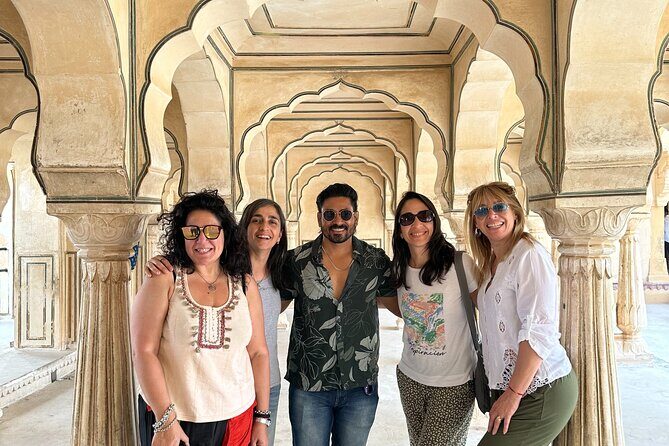
This is a focused, private sightseeing outing in Jaipur, timed for a smooth morning start (it begins at 8:30 am). For $40 per person you’re buying three things that add up fast in India: a reliable driver, an English-friendly local guide, and your own car with air conditioning. In practice, that combination helps you move between sites without the stress of haggling over transport or losing time to unclear directions.
The tour is built around comfort and efficiency. You get hotel pickup and drop-off, plus bottled mineral water (one bottle per passenger). There are also panoramic photo stops, which matters because some of Jaipur’s best views are about angle and timing more than just “arrive and look.”
Duration is about 3 hours, so think of this as a highlights sampler with guided context—excellent if you’re short on time or want your day planned by someone who already knows how to avoid wasted minutes.
You can also read our reviews of more guided tours in Jaipur


Getting Oriented at Hawa Mahal’s 953 Windows
Hawa Mahal is the kind of landmark you recognize instantly, even if you can’t name it. The signature feature is the facade of 953 small windows (jharokhas)—designed so air could flow and the royal household could observe street life from behind the screens. On a short private tour, this stop is smart because it turns a “quick photo moment” into a place you actually understand.
What you’ll enjoy here is the contrast between scale and detail. From the outside, it’s all one iconic wall, but up close you start noticing repetition, geometry, and the sheer number of openings. If you’re the type who likes photos with a story, your guide can connect the design idea to the way Jaipur royalty lived.
Practical note: since this is a photogenic stop, it can get crowded around the best angles. The private format helps because you can reposition faster and get your photos before the area gets fully jammed.
Jantar Mantar: Maharaja Sawai Jai Singh II’s Science on Display
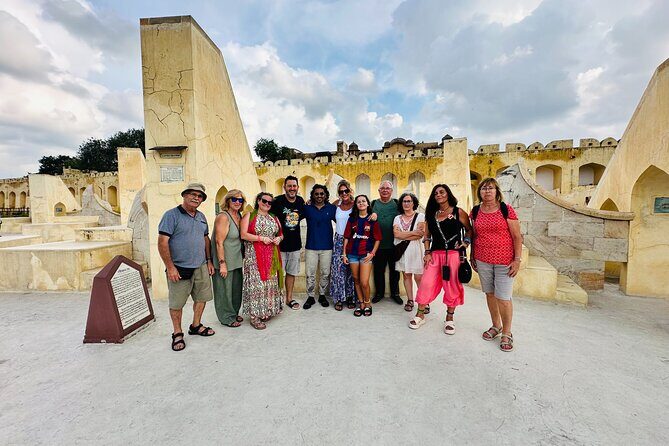
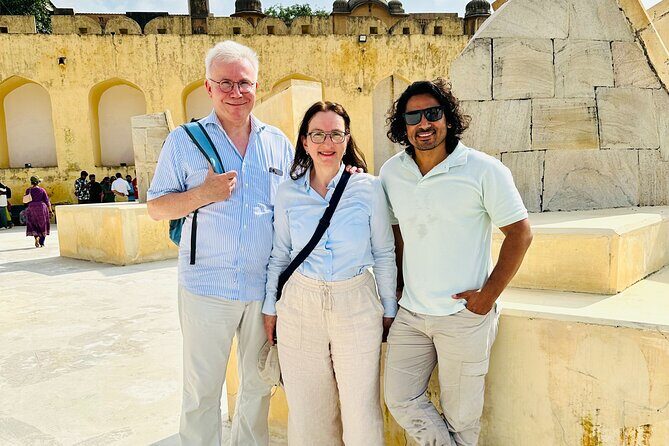
Jantar Mantar is where Jaipur flips from “architectural wow” into “wait, this is science?” This observatory was built in the 18th century by Maharaja Sawai Jai Singh II, and it’s one of India’s important scientific and architectural sites. It’s also World Heritage-listed, so you’ll be walking through something that’s both historically significant and visually striking.
You get about 45 minutes here, and admission to Jantar Mantar is included. That time is just enough to get your bearings, understand how the site functioned as an astronomical observatory, and still have time to look around for photo angles.
Why I think this stop is such good value in a short tour: your guide can explain the bigger idea—how the structures relate to measuring the sky—so you’re not left reading a few signs and guessing what you’re seeing. It’s the difference between “pretty buildings” and “I actually get why this matters.”
A small consideration: it’s an outdoor site, so you’ll want to plan for sun. If you’re heat-sensitive, it’s worth bringing sunglasses and water (you’ll have one bottle from the tour, but extra is smart).
Gaitore Ki Chhatriyan for Quiet Views and Royal Memory
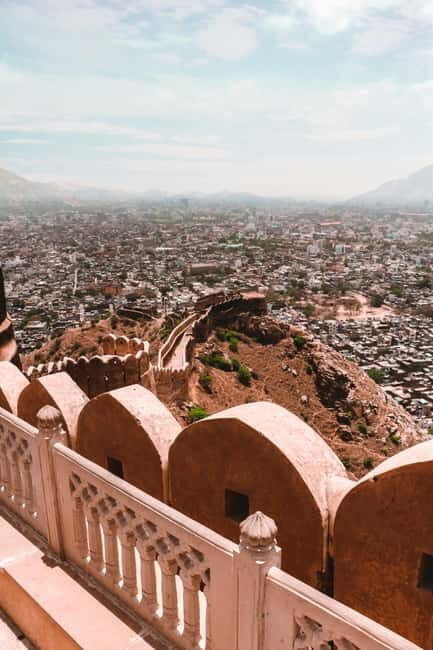
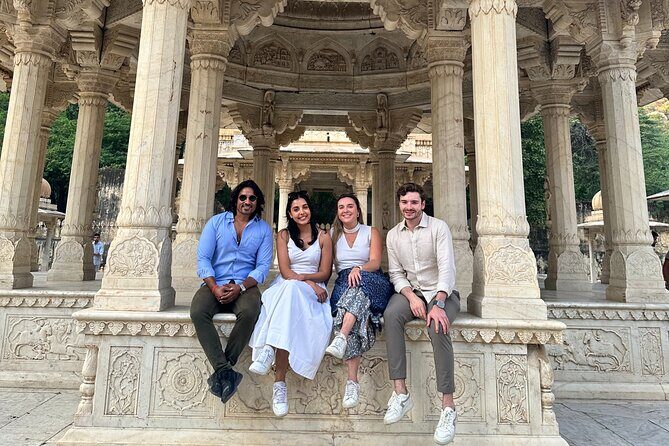
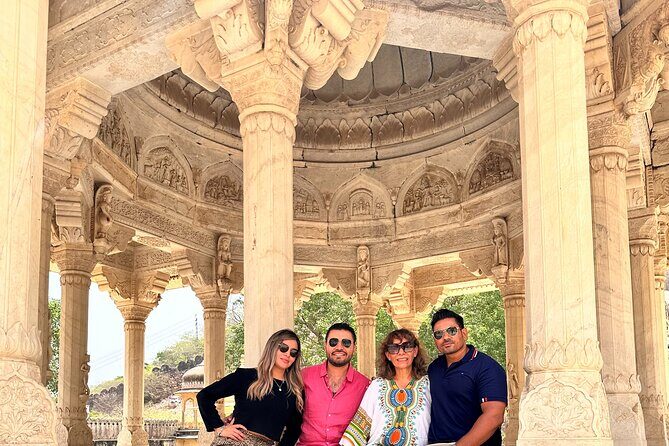
After Jantar Mantar’s big presence, Gaitore Ki Chhatriyan feels like a breather. You’ll head to a peaceful area in a valley at the foot of the Aravalli Hills, and this is known for being calmer and less tourist-heavy than the biggest city magnets.
This stop is the final resting place of the former maharajas of Jaipur, marked with chhatriyan (cenotaphs). Even without getting lost in long explanations, you can feel the change in tone: less hustle, more space to slow down and take in the setting.
You’ll have about 30 minutes, and admission is included. That’s the sweet spot for this kind of site—enough time to appreciate the atmosphere and photos, not enough time to feel stuck in a long visit when your tour has other highlights to cover.
If you like Jaipur because it’s more than forts and palaces, this stop delivers. It adds a quieter layer: memory, architecture, and landscape at the same time—just not in a loud way.
Jal Mahal: The Water Palace at Man Sagar Lake
Then comes the big visual payoff: Jal Mahal, often called the Water Palace. You’ll see this elegant palace in the center of Man Sagar Lake, giving that surreal, “floating in water” look that’s hard to capture without the right perspective.
The palace dates to the 18th century, and the setting is the star—mornings tend to make the reflections look their best. On a private tour, you’re not scrambling for positions with a phone-in-one-hand crowd. Your guide can help you aim for better photo spots during the stop, especially if light and angles change quickly.
This is also a good stop for simple, honest appreciation. You don’t need to be an architecture expert. You just need to watch the way the palace sits against the lake and sky.
Small reality check: depending on how you’re viewing from the roadside area, your photos might be best from specific angles rather than right up close. That’s normal for Jal Mahal—so keep expectations aligned with the kind of photo it’s known for.
You can also read our reviews of more private tours in Jaipur






City Palace Is Part of the Plan—Use Your Guide to Shape the Time

Even though the tour’s detailed stops focus on Hawa Mahal, Jantar Mantar, Gaitore Ki Chhatriyan, and Jal Mahal, the overall concept is to hit Jaipur’s main attractions, including City Palace. In a private tour, that matters because you can often ask for a little adjustment in what you spend time on, as long as it fits the 3-hour schedule.
Here’s how I’d use that flexibility if you’re deciding what to prioritize:
- If you love grand interiors and museum-style royal history, you’ll probably want more emphasis on City Palace.
- If you care more about iconic exterior architecture and photos, Hawa Mahal plus the observatory and the lake palace will feel like the right rhythm.
Private tours work best when you don’t treat them like a fixed checklist. Bring a sense of what you personally care about, and let your guide do the time math.
Why the Guide Matters More Than You Think
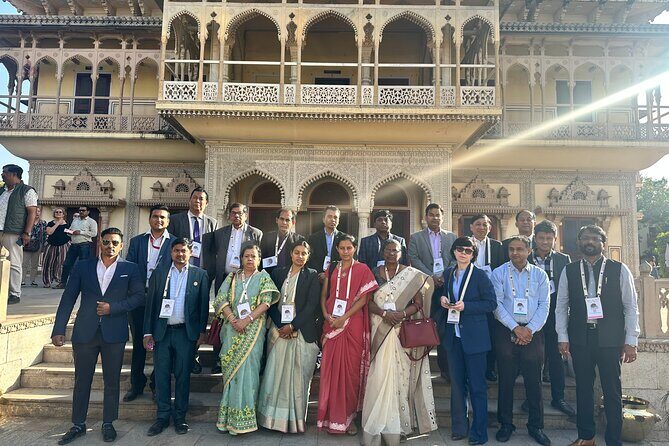
This tour isn’t just transportation plus tickets. It’s led by a professional local guide, and the experience is offered in multiple languages: Spanish, English, French, or Italian. That’s a big deal if you want meaning, not just names.
The strongest praise from the guides on similar tours is usually the same theme: clarity and friendliness. One guide name that came up in feedback is Abhishek. He’s described as knowledgeable, friendly, and able to explain details in a simple, interesting way, and in at least one case he spoke excellent English and made the day feel smooth and fun. That’s exactly what you want on a short tour: someone who can turn “sights” into “understanding” fast.
I also like that the tour is described as private and tailored to your interests and pace. In plain terms, it means you can ask for extra time at the facade for photos, or you can shorten a stop if you’re not feeling it and move on efficiently.
And yes, a driver matters too. In Jaipur traffic, your driver isn’t just driving—you’re also buying back energy. Your guide handles the story and timing; your driver handles the route.
Price and Value: What $40 Buys in Jaipur
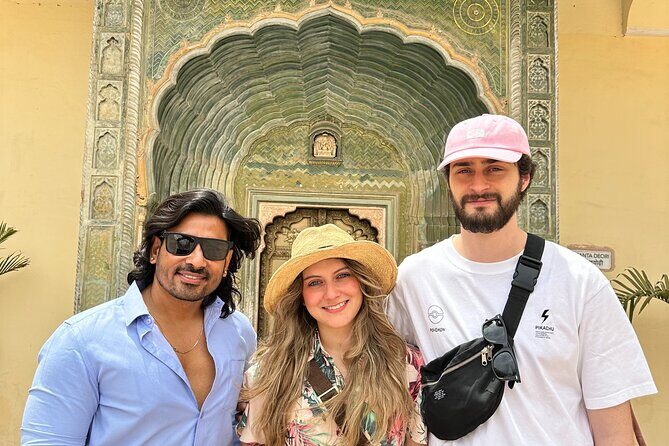
Let’s talk value honestly. At $40 per person, you’re paying for:
- Private round-trip transport with air conditioning
- A professional local guide
- Hotel pickup and drop-off
- Two monument admissions included: Jantar Mantar and Gaitore Ki Chhatriyan
- Bottled water and panoramic photo stops
Food and drinks are not included, and the tour notes $20 per person for food and drinks. That means your all-in daily budget depends on how you eat. If you already planned to grab snacks or a quick meal anyway, this tour’s cost structure is straightforward: pay for the experience, then handle meals separately.
The best way to judge value: compare what you’d pay for a driver, then estimate what a guide’s language skills would cost you if you hired one later. In a short window like 3 hours, having both at once is usually the cheaper option in real life—not just on paper.
Who this is best for: people who want the highlights with context, couples on a quick stopover, and anyone who wants a clean plan without spending their morning negotiating.
Should You Book This Private Jaipur Tour?
Book it if you want a high-impact morning with a private car, a guide who can explain what you’re seeing, and built-in tickets for major stops. The mix of Hawa Mahal, the astronomy of Jantar Mantar, the quieter royal memory of Gaitore Ki Chhatriyan, and the iconic reflections at Jal Mahal is a smart spread for first-timers.
Skip it or reconsider if you need long, slow time at fewer places. This isn’t designed for hours of wandering or shopping marathons. It’s designed for a clean route in about 3 hours, and the goal is to get you the sights plus the why behind them.
If you’re comfortable communicating your priorities to your guide—photos, science, or palace vibes—this tour is one of the easier ways to get a solid Jaipur overview without wasting your day.
FAQ
How long is the Jaipur private tour?
The tour runs for about 3 hours.
What time does the tour start?
The start time is 8:30 am.
Does the tour include pickup and drop-off?
Yes. Hotel pickup and drop-off are included.
What attractions are included?
The tour includes stops for Hawa Mahal, Jantar Mantar, Gaitore Ki Chhatriyan, and Jal Mahal. City Palace is also listed among the main attractions.
What’s included in the ticket price?
You get a private vehicle with air conditioning, a professional local guide, a professional driver, bottled mineral water (one bottle per passenger), panoramic photo stops, and admission to Jantar Mantar and Gaitore Ki Chhatriyan.
Is food included?
No. Food and drinks are not included, and the tour lists $20.00 per person for food and drinks.