
REVIEW · JAIPUR
Private Temple Tour in Jaipur w/ Guide, Transportation & Sites
Book on Viator →Operated by Om Ananda Travel · Bookable on Viator
Jaipur temples, explained like a living tradition. This private 7 to 8 hour route is built for people who want more than photos: you’ll hear about Hindu practices like aarti and puja, meet different deities, and get context for the spiritual ideas that shaped the region, including the roots of yoga.
What I especially like is the way the day mixes famous names with quieter sacred places, and how the guide can answer your spiritual questions as you go. You also get optional extras such as a chakra reading and astrological-sign style insights, which can turn sightseeing into something more personal.
One thing to consider: it’s weather dependent, and you’re on the move for much of the day (no breakfast is included). A few stops are on hills, so plan for stairs and uneven ground if that’s an issue for you.
In This Review
- Key highlights to know before you go
- A Jaipur Temple Tour That Feels Like Meaning, Not Just Movement
- Tarkeshwar Mahadev Temple and Birla Mandir: Two Ways to Experience Hindu Devotion
- Moti Dungari Temple and Galtaji Temple: When Hilltop Views Meet Sacred Practice
- Royal Gaitor Tumbas and Garh Ganesh Mandir: A Different Kind of Sacred
- Pink City Temples by Foot and Tripolia Bazar with Chai
- The Spiritual Add-Ons: Chakras, Astrological Signs, and Asking Real Questions
- Value and Price: What $27.21 Per Group Buys You
- Practical Tips to Make the Day Easier (Without Losing the Experience)
- Should You Book This Private Temple Tour in Jaipur?
- FAQ
- How long is the Private Temple Tour in Jaipur?
- Is this tour private or shared?
- What’s included in the price?
- Are temple admission tickets included?
- Do you offer pickup, and do I get a mobile ticket?
- Is breakfast included?
- What if the weather is poor or I need to cancel?
Key highlights to know before you go
- Private transportation with bottled water keeps the day calmer and easier between sites
- Admission tickets are free at each temple and sacred stop on the route
- A spiritual-focused guide explains deity mythology, worship practices, and what you’re seeing
- Chakra and astrological-sign readings add a personal layer if you’re open to it
- Aravalli-hill temple settings like Galtaji and Moti Dungari make the views part of the story
- Pink City side streets plus markets means you’re not only doing temples
A Jaipur Temple Tour That Feels Like Meaning, Not Just Movement
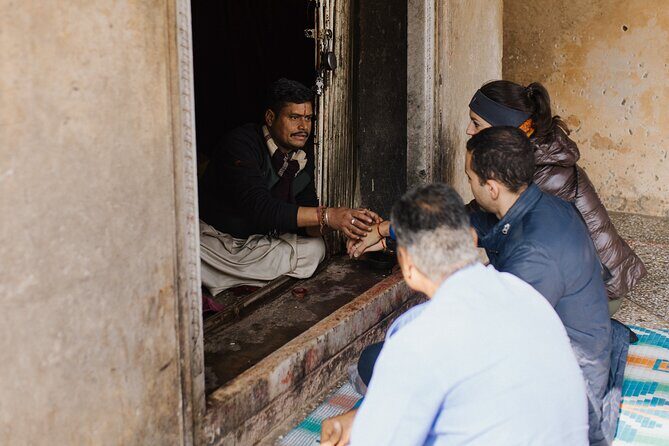
This tour is designed for a specific kind of curiosity. If you want to understand the Hindu faith as something lived—through ceremonies, temple roles, and stories—this route makes sense. You’re not just ticking off landmarks. You’re learning why certain places matter, who they honor, and how rituals like worship practices connect people to the divine.
I also like the pacing choices. Early stops are short, then the tour gives you longer time where atmosphere matters more. That helps if you want to pause, ask questions, and actually read what’s going on inside a temple space. And because it’s private, your guide can steer the explanations toward what you care about: mythology, ritual basics, or how yoga’s origins show up in the broader spiritual landscape.
The day ends with a softer shift: the Pink City section focuses on smaller, tucked-away temples along lanes and side streets. Then you get time around Tripolia Bazar for quiet contemplation and a break with chai, plus shopping around flower and spice markets at Choti Chopad. It’s a nice balance for people who like meaning, but also want to breathe Jaipur air for a while.
You can also read our reviews of more guided tours in Jaipur



Tarkeshwar Mahadev Temple and Birla Mandir: Two Ways to Experience Hindu Devotion
The itinerary starts at Tarkeshwar Mahadev Temple, and it’s a smart opener. This temple is dedicated to Lord Shiva, and the setting is part of the appeal—hills and temple architecture come together, so you begin with a sense of place rather than a pure city stop. The time here is about 20 minutes, so you’ll want to arrive ready to look closely and listen to the guide’s explanation quickly.
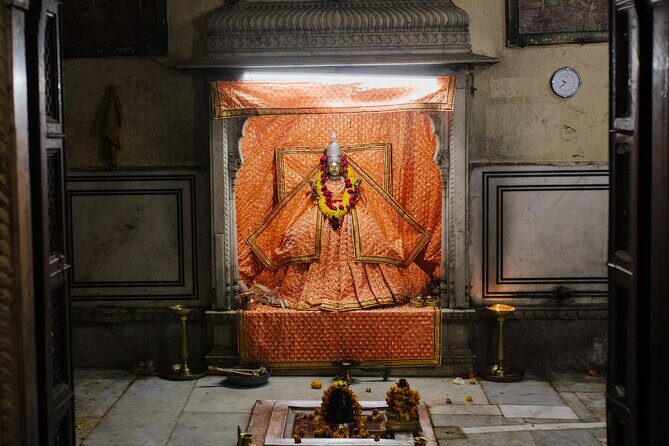
Next is Birla Mandir Temple, devoted to Lord Vishnu and Goddess Lakshmi. This gives you an immediate contrast. Shiva is about one kind of divine presence, while Vishnu and Lakshmi bring their own energy and symbolism into the story. You’ll spend around 30 minutes, enough time to understand the dedication and notice how a temple’s design can shape the mood of worship.
The main practical value of these two stops back-to-back is clarity. By the time you leave Birla Mandir, you’ve already met two big devotional directions. That makes the later temple visits easier to follow, since the guide can connect each site to different deities and their mythology without your brain feeling overloaded.
One small consideration: these stops are relatively short. If you prefer long temple time for photos or quiet reading on your own, you’ll likely feel more satisfied at the middle and later longer-duration sites.
Moti Dungari Temple and Galtaji Temple: When Hilltop Views Meet Sacred Practice
After Birla Mandir, you head to Moti Dungari Temple, dedicated to Lord Ganesha and located atop Moti Dungari Hill. With about 20 minutes here, the goal is recognition—Ganesha’s symbolism, what the temple setting means, and the chance to connect the site to worship practices your guide has been explaining through the day.
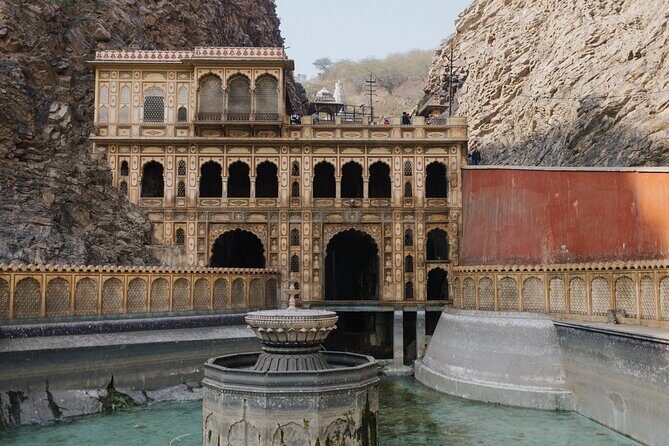
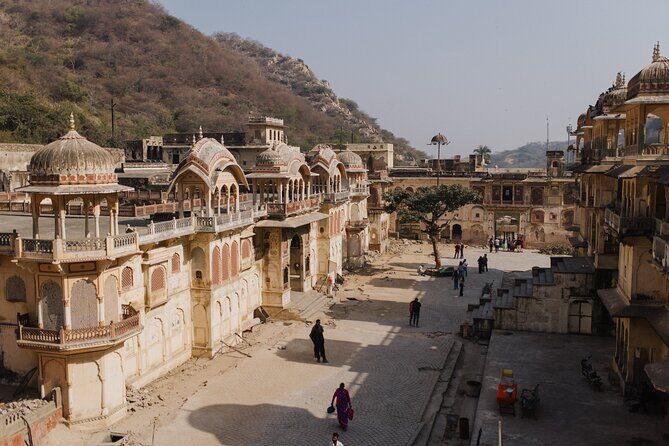
From there, you move into a longer stop at Galtaji Temple. This complex sits in the Aravalli Hills, and it’s described as a place where natural beauty and ancient myth connect. You’ll have about 1 hour 20 minutes, which is long enough to slow down. It’s also the kind of location where the guide’s explanation matters, because the temple space is tied to its surrounding terrain.
Because these are hill-based sites, plan for physical reality: you’ll likely deal with stairs and uneven ground as part of the experience. That doesn’t make it less enjoyable, but it does mean you should wear shoes that feel solid and be comfortable moving at a temple pace.
What you get from this section, beyond scenery, is variety. You’re not stuck in one devotional lane. You’re seeing how Ganesha worship fits into the broader spiritual rhythm of Jaipur—and then you’re shifting into Galtaji’s more myth-and-nature style atmosphere. If you care about how Hindu sacred spaces relate to the land, this part of the route is one of the strongest.
Royal Gaitor Tumbas and Garh Ganesh Mandir: A Different Kind of Sacred
Next up is Royal Gaitor Tumbas, which takes the day in a more historical direction. These tombs are described as a final resting place and an architectural marvel in the Aravalli region. You’ll spend about 40 minutes.
Even though the focus shifts, it’s still part of the spiritual map. Temples and royal memorial spaces often overlap in Indian cities, because religion and authority historically shared space—sometimes through patronage, sometimes through symbolism, and sometimes through how people choose to remember. In a tour like this, the guide can help you see how a memorial site fits into the larger worldview you’re building across the day.
Then you go to Garh Ganesh Mandir in Nahargarh. This temple is dedicated to Lord Ganesh and described as harmonizing with the natural contours of the surroundings. Time here is about 1 hour, which is a good length for a second Ganesh stop, because it gives you a chance to compare: how does worship feel at one Ganesh site versus another? The guide’s mythology and ritual explanations can make that comparison feel intentional instead of random.
If you’re wondering whether this “temples plus tombs” mix feels off-topic, it usually doesn’t. The tour’s goal is religious and spiritual heritage around Jaipur. That includes how sacred meaning spreads through different types of spaces, not only through shrines.
Pink City Temples by Foot and Tripolia Bazar with Chai
The itinerary finishes with a more human, street-level Jaipur experience. You’ll spend about 1 hour 30 minutes in the Pink City, where your guide shows you hidden temples along side streets and alleyways. This is the part of the day that often feels the most intimate. You’re not just entering a named structure; you’re moving through neighborhoods where devotion and daily life sit close together.
One practical benefit here is flexibility of attention. In big monuments, the script is often fixed. On side streets, your guide can point out small devotional cues and explain how worship is woven into ordinary movement. If you’re open to learning, this is where the tour can feel like it really belongs to Jaipur rather than to a generic itinerary.
Then comes Tripolia Bazar, about 1 hour 30 minutes. The plan includes quiet contemplation time, followed by chai and shopping. You can also visit the flower market and spice market area around Choti Chopad.
This ending segment is valuable because it gives you something to do with your senses after hours of temple sight lines. If your earlier mindset was more analytical—understanding deity roles and practices—the market stop helps you reset without rushing. It also helps you leave with tangible souvenirs connected to the senses of the day: scents from spices, colors from flowers, and the small everyday details you can’t always capture in temples.
You can also read our reviews of more private tours in Jaipur






The Spiritual Add-Ons: Chakras, Astrological Signs, and Asking Real Questions
The tour description makes it clear that this isn’t only sightseeing. You’ll learn about different practices—aarti, puja, and worship—and you’ll cover different deities and their mythology. That’s the foundation.
What makes it stand out for some people is the optional personal layer: you have an opportunity for a chakra reading and astrological sign style insights. You can also direct spiritual questions to your guide.
Here’s why this matters. Temples can feel confusing if you only know names. A good guide turns names into meaning, and meaning into a mental map you can reuse on future sites. If you want your day to answer questions you already have—about symbols, worship structure, or spiritual traditions—this is the part of the tour that can do the most heavy lifting.
A balanced way to approach it: if you’re expecting scientific certainty, you might be disappointed. But if you’re looking for a respectful, local spiritual perspective and a conversation with a guide, these add-ons can add real texture. Even if you treat the readings as reflective rather than predictive, the questions-and-answers format can help you understand the faith in your own words.
If you’d rather keep things strictly informational, you still get the regular temple explanations and the structured route. The readings are simply an extra dimension if you want it.
Value and Price: What $27.21 Per Group Buys You
The price is listed as $27.21 per group with a maximum of up to 4 people, which matters a lot. That means it’s built for families or small friend groups who want a private guide and private transportation without splitting costs across multiple taxis or rickshaws.
From the included items, you’re getting private transportation and bottled water. The itinerary also indicates admission tickets are free at each stop. So you’re not paying separate temple entry fees across the day.
How it can feel in real life:
- If you book with fewer people, the per-person cost is higher, but you still gain privacy and a full itinerary of multiple sites.
- If you book with 3 or 4 people, the value improves quickly because the private vehicle and guide cost gets shared.
The duration—7 to 8 hours—also shifts the math. This is not a quick stop-and-go. You’re getting enough time across many locations to make the guide’s explanations worthwhile, and enough transitions to avoid spending your energy negotiating transport.
One detail to watch: breakfast isn’t included. So if you want to avoid a hungry slump, plan your morning accordingly, because the day starts with temple time and ends later in the market area.
Practical Tips to Make the Day Easier (Without Losing the Experience)
This tour is structured like a full day, so a few small choices can make a noticeable difference.
- Plan for walking and hill terrain. Sites like Moti Dungari and Galtaji are described in hill settings, and temple spaces at those locations often involve steps and uneven surfaces.
- Keep your schedule open for weather. The experience requires good weather, so if the forecast looks shaky, expect possible changes.
- Don’t count on breakfast being provided. With a 7 to 8 hour schedule and free admissions, your biggest gap is food earlier in the day.
- Use the mobile ticket approach. The tour includes a mobile ticket, so have your phone ready and charged when you need to show it.
- Ask questions early. If you want the chakra or astrological-sign reading or you have spiritual questions, prompt the guide when you have a comfortable moment. The day gives opportunities, but starting early helps you get what you want from the explanations.
Also, since this is a private tour, you’re not competing with strangers for the guide’s attention. If you have specific interests—certain deities, how worship works, or what the mythology means—tell the guide early and you’ll get a more tailored flow.
Should You Book This Private Temple Tour in Jaipur?
Book it if you want to understand Hindu worship in a way that feels grounded and conversational. This route is built for learning: you’ll see key temples dedicated to Shiva, Vishnu and Lakshmi, and Ganesha; you’ll visit sacred hill locations like Galtaji; and you’ll finish with street-level Jaipur in the Pink City and Tripolia Bazar. The optional chakra and astrological-sign reading, plus the chance to ask questions, makes it a strong fit for people who like meaning along with sightseeing.
Skip it or think twice if you only want quick landmark views, or if you’re uncomfortable with a longer day without breakfast. Also, because the experience depends on good weather and includes hill temple terrain, it’s not the best choice when mobility is a big concern.
If you’ve already done the main big-ticket sights in Jaipur and you want something more personal—spiritual, reflective, and a bit different—this is exactly the kind of private temple day that can feel like Jaipur, not just Jaipur on a map.
FAQ
How long is the Private Temple Tour in Jaipur?
It runs about 7 to 8 hours.
Is this tour private or shared?
This is a private tour/activity, so only your group participates.
What’s included in the price?
The tour includes private transportation and bottled water.
Are temple admission tickets included?
Admission tickets are listed as free for the stops on the itinerary.
Do you offer pickup, and do I get a mobile ticket?
Pickup is offered, and the tour includes a mobile ticket.
Is breakfast included?
No, breakfast is not included.
What if the weather is poor or I need to cancel?
The experience requires good weather. If it’s canceled due to poor weather, you’ll be offered a different date or a full refund. Cancellation is free up to 24 hours in advance for a full refund.