REVIEW · JAIPUR CITY SIGHTSEEING TOURS
Private day tour of Jaipur with Driver and Guide
Book on Viator →Operated by Royal Majestic Tour · Bookable on Viator
You can see a lot fast in Jaipur. This private day tour adds hotel pickup and an air-conditioned vehicle so you spend less time wrangling transport and more time at the sights, especially the UNESCO-listed Amber Fort and Jantar Mantar. The main drawback to plan for is that monument entrance fees are not included, so your total cost depends on what you choose to pay on the ground.
What also stands out here is the human side: you’re not just shuffled from stop to stop. A private guide (some guests mention guides like Yash, a history teacher) helps the places click, and the day can run flexibly so you can linger when something grabs you. Just keep an eye on the smart-casual dress rules for temples and the fact there’s a moderate amount of walking.
In This Review
- Key things to know before you go
- A one-day plan that actually respects your time in Jaipur
- Air-conditioned pickup and drop-off: the practical win
- Hawa Mahal (Palace of Wind): see the face first, then understand the idea
- Amber Fort on a hilltop: the UNESCO stop you’ll feel in your legs
- What I’d focus on during the visit
- Panna Meena ka Kund: a step well stop that’s quick and actually interesting
- Jal Mahal: the Water Palace that changes with your angle
- City Palace (Jaipur): where royal power and city life overlap
- Jantar Mantar: the world’s largest stone sundial (and why it matters)
- Price and value: $60 per person, plus the entrance fees
- Is it worth it?
- What to wear and plan for: temples, walking, and a passport
- How flexible is a private guide day?
- Who this tour fits best
- Should you book this private Jaipur day tour?
- FAQ
- What’s included in the tour price?
- Are monument entrance fees included?
- How long is the tour?
- Is this tour private or shared?
- Do I need a valid passport?
- What should I wear?
Key things to know before you go
- Private guide with on-the-ground context helps you understand what you’re seeing, not just where it is
- Air-conditioned transport with hotel pickup/drop-off saves energy for a full 8-hour loop
- Top hits in one day: Hawa Mahal, Amber Fort, City Palace, and Jantar Mantar
- Quick scenic stops like Jal Mahal and Panna Meena ka Kund break up longer palace time
- Entrance fees are extra, so you’ll want to budget for monuments
A one-day plan that actually respects your time in Jaipur
Jaipur can feel like it’s built for slow travel—forts on hills, palaces in the middle of the city, and viewpoints that make you want to stay longer than scheduled. The smart move is choosing a day that gets you to the big anchors without turning your trip into constant navigation.
That’s the real value of this experience: a private, guided day focused on the highest-impact stops. You get around Jaipur by car, and your guide helps you connect the dots between royal power, city planning, and science/observation. The result is a day that feels like a guided orientation to the city, but still leaves room to linger when something pulls you in.
You can also read our reviews of more guided tours in Jaipur


Air-conditioned pickup and drop-off: the practical win
The tour includes hotel pickup and drop-off, plus transport in an air-conditioned mid-size sedan or SUV. When you’re working with a single day, this matters more than it sounds. Jaipur’s sights are spread out, and traffic and distances can quietly eat your day if you rely on buses, taxis, or rides between attractions.
You also get bottled water, which is a small thing that helps you stay comfortable while moving between stops. And since this is private, you’re not balancing your pace with strangers who want to sprint or stall.
Hawa Mahal (Palace of Wind): see the face first, then understand the idea
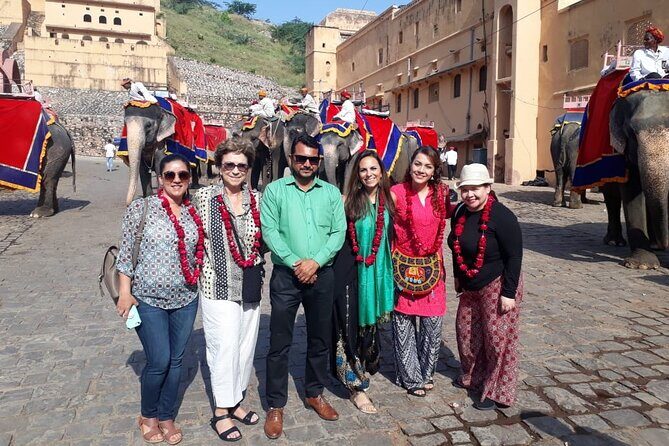
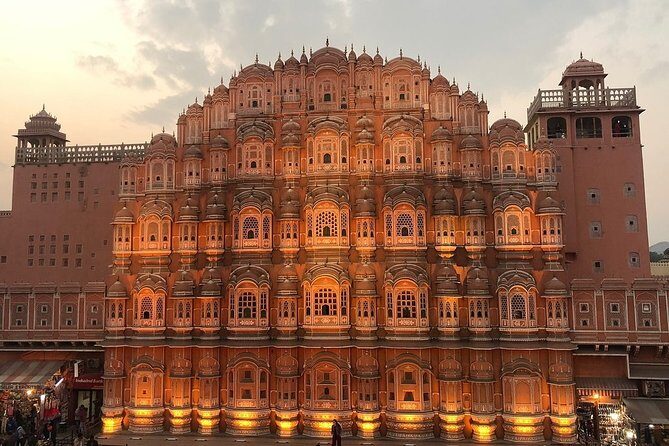
Your day starts at Hawa Mahal, the famous façade in the heart of the Pink City. It’s one of Jaipur’s most recognizable landmarks, and even a short visit helps you get oriented fast—this is the kind of building that instantly tells you you’re in a place shaped by royal spectacle and clever design.
Expect a brief stop (about 20 minutes). That’s enough to take in the exterior and grasp why the façade is so iconic. The only catch: you’ll want to think of this as a “look, photo, and learn” moment, not a long exploration. Admission isn’t included here, so if you plan to go inside (if it’s available during your visit), factor in extra costs.
Amber Fort on a hilltop: the UNESCO stop you’ll feel in your legs
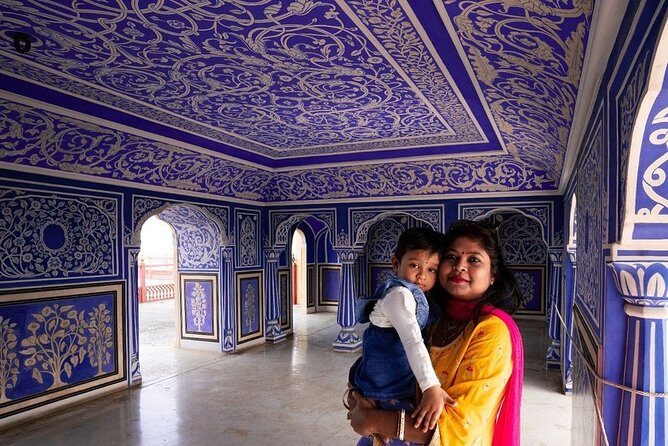
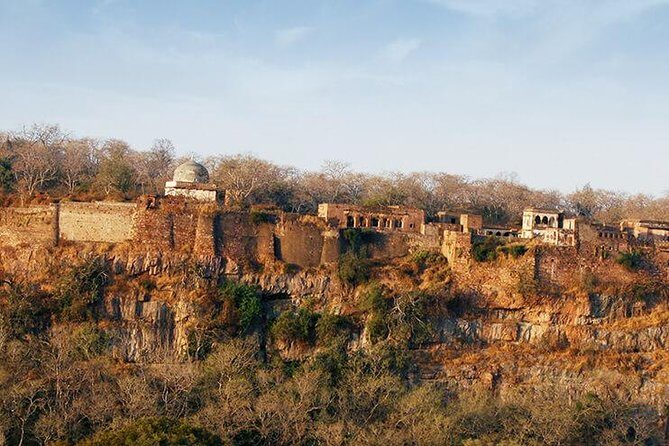
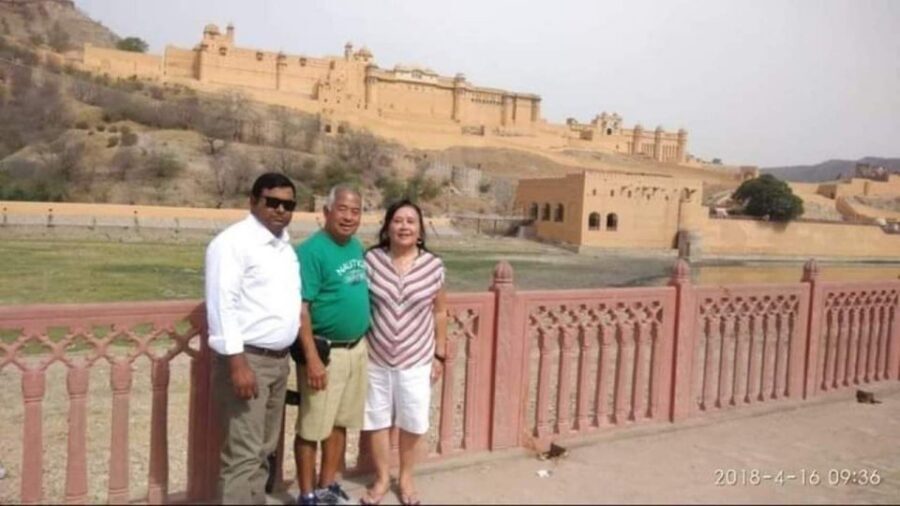
Next comes Amber Fort (Amer Palace), a 16th-century stronghold built under Raja Man Singh. This is the main stage of the day for a lot of people, and for good reason. When you approach the fort area, the defensive layout and the hilltop setting make the whole place feel purposeful, not just pretty.
You’ll have about 2 hours here. Admission fees aren’t included, and you should also be ready for a longer, more involved visit than the quick-city stops. This is where wearing comfortable shoes really pays off—there’s a moderate amount of walking on the tour overall, and forts typically mean uneven surfaces and steps.
What I’d focus on during the visit
- The way the fort controls movement through gateways and courtyards
- How the architecture mixes defense and royalty
- Any viewpoints where you can see why this spot was chosen
If you want the fort to be more than a photo-op, a good guide makes a big difference—this is exactly the sort of place where someone can point out what you’d miss on your own.
You can also read our reviews of more private tours in Jaipur






Panna Meena ka Kund: a step well stop that’s quick and actually interesting
After the big fort, you’ll get a calmer, smaller stop at Panna Meena ka Kund, a step well built in the 16th century. This is the kind of place you might rush past if you were doing a self-guided day, but it’s worth the 30-minute window because it gives a different side of Jaipur: practical engineering and water storage, not just palaces and monuments.
This step well has a distinct architectural look, and it historically served as a water protection pool. The time here is short, so aim to slow down enough to notice the structure and how the steps create access down toward the water.
Admission isn’t included, so again, budget depends on what you plan to pay for on the day. The good news is you’re not stuck here for long; it’s a meaningful pause.
Jal Mahal: the Water Palace that changes with your angle
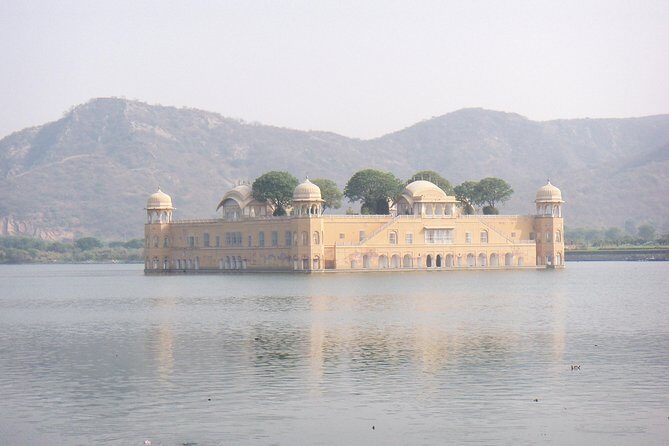
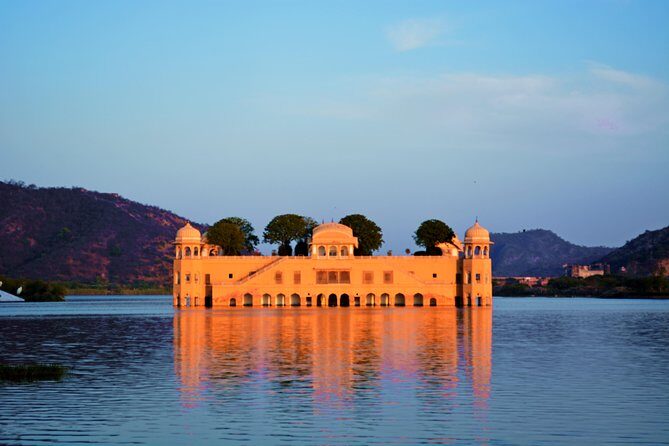
Then you’ll stop at Jal Mahal, the Water Palace. This one works beautifully as a “breather” between heavier sights. It’s a low-rise symmetrical palace that appears to float on the water, and even if you don’t spend long here, the setting creates a different mood from the fort and palace buildings.
The stop is about 15 minutes, and admission is listed as free. That short time is intentional: it gives you the visual payoff without swallowing your day. You’ll want to be mindful that this is best enjoyed as a scene—plan to use your photos and a quick walk around the viewpoint area, then move on.
City Palace (Jaipur): where royal power and city life overlap
The next major stop is the City Palace of Jaipur, about 1.5 hours. This one isn’t just a pretty complex—it’s tied directly to the founding of Jaipur. The City Palace was established when Maharaja Sawai Jai Singh II moved his court to Jaipur, in 1727, from Amber.
Admission fees aren’t included, but you should treat the time as an opportunity to understand how the palace relates to the city. A guided visit helps here because the palace complex has parts with different purposes, and it’s easy to lose the thread when you’re reading signs on your own.
If you like history that has physical form—buildings that show how power operated—this is one of the best stops on the list. It’s also a strong choice if you want variety beyond forts and observatories.
Jantar Mantar: the world’s largest stone sundial (and why it matters)
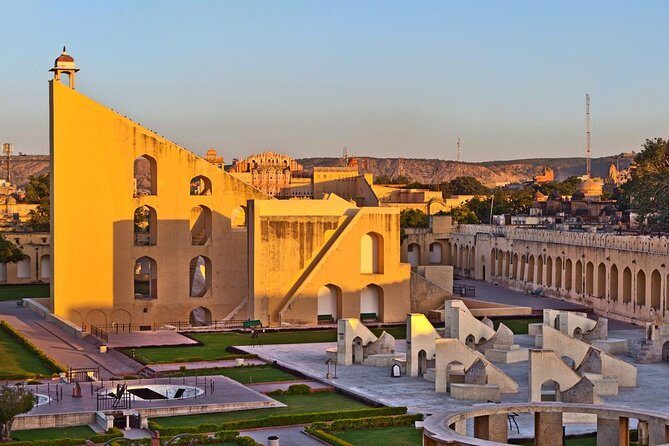
To cap the day, you’ll visit Jantar Mantar, an astronomical observatory built by Sawai Jai Singh II in 1734. This is the science stop that many people don’t expect to enjoy—but it’s easier to appreciate with a guide who can explain what you’re looking at.
You’ll have about 30 minutes here, which is usually enough to take in the main pieces without rushing. The observatory includes the world’s largest stone sundial, and the overall layout is designed to measure the sky. That means it’s not just a collection of big objects—it’s a system.
If you’re traveling with kids, or if you generally like hands-on facts and visuals, this stop tends to land well because the instruments are massive and concrete. Still, don’t expect a long museum-style experience—this is a focused, guided look.
Price and value: $60 per person, plus the entrance fees
At $60 per person, this tour aims to be a straightforward value deal for a full day of coordinated sightseeing. You’re paying for:
- Private transportation in an air-conditioned sedan/SUV
- Fuel, parking, tolls, and taxes (so you’re not paying as you go)
- Hotel pickup and drop-off
- Bottled water
- A private guide to connect the sites
The big thing to know: monument entrance fees are not included. The stops list multiple sites with admission marked as not included, including Amber Palace and City Palace and Jantar Mantar. That means your final spend depends on how many paid areas you choose to enter and what camera fees (if any) apply.
Also not included: meals and driver tips. The listing doesn’t mention an optional elephant ride as included, and it’s specifically not included—so if that’s a must for your visit, you’d need to arrange it separately.
Is it worth it?
If you’re short on time and want the “best of Jaipur” concentrated into one day, this is usually a smart way to spend money. Where it’s less ideal is if you’re the type who prefers to wander slowly on your own, or if you already plan to buy tickets and guide yourself at every stop. The guide role is a big part of what you’re paying for here, and it shines at the forts, palace complex, and observatory.
What to wear and plan for: temples, walking, and a passport
This is a day tour with a moderate amount of walking, so comfortable shoes are important. You’ll also want to follow the smart casual dress guidance: shorts and sleeveless tops are not recommended in temple areas. That’s the kind of rule that can ruin a day if you forget, so plan your outfit early.
One more practical note: you’ll need a current valid passport on the day of travel. It’s not something you always think about for a city tour, but it’s explicitly required here.
If you prefer English, you’re set for an English guide, though a guide in another language can happen depending on availability. You’ll likely get the best experience if you’re comfortable asking questions and using simple communication—private guide setups tend to work best when you engage a bit.
How flexible is a private guide day?
One reason this tour gets strong marks is that it’s not rigid. A private guide can adjust your time at each stop based on your energy, your interests, and how long it takes to move between areas. Some people also highlight that the guide offered alternatives and adapted the pace without making the day feel rushed.
In plain terms: if you’re the kind of traveler who hates feeling herded, this style usually feels better. You still hit the key sights, but you’re not locked into one minute-by-minute schedule that ignores real-life timing.
Who this tour fits best
This is a great fit if you:
- Want a first-time orientation to Jaipur’s top landmarks
- Have limited time and want one efficient day
- Prefer the comfort of hotel pickup and air-conditioned transport
- Like your history tied to what you see in front of you
It may be less ideal if you want an ultra-indoor, museum-heavy day with no outdoor walking. The day includes major outdoor architecture and hilltop/complex sites, so comfortable shoes matter.
Should you book this private Jaipur day tour?
I’d book it if your goal is a strong, high-efficiency day with a guide who helps the sights make sense. The lineup is the Jaipur greatest-hits set—Hawa Mahal, Amber Fort, City Palace, and Jantar Mantar—and the transport + pickup combo reduces stress when you only have one day.
If you’re trying to keep costs ultra-low, remember that entrance fees are extra for multiple key stops. Still, even with that, the private guide plus coordinated transport usually feels like good value for the time you save.
If you want an easy, structured way to see Jaipur without turning it into a logistics puzzle, this is the kind of day tour that works.
FAQ
What’s included in the tour price?
The tour includes transport by air-conditioned mid-size sedan or SUV, fuel, parking charges, toll taxes and interstate taxes, hotel pickup and drop-off, and bottled water.
Are monument entrance fees included?
No. Monument entrance fees and camera fees are not included, and the itinerary notes admission tickets as not included for multiple stops.
How long is the tour?
It runs for about 8 hours.
Is this tour private or shared?
It’s a private tour/activity. Only your group participates.
Do I need a valid passport?
Yes, a current valid passport is required on the day of travel.
What should I wear?
The dress code is smart casual. Shorts or sleeveless tops are not recommended in temple areas, and comfortable shoes are advised because there’s a moderate amount of walking.