REVIEW · EVENING EXPERIENCES
Jhalana Leopard Safari Jaipur – Sunrise & Sunset Jeep Safari
Book on GetYourGuide →Operated by Safarirajasthan · Bookable on GetYourGuide
Jeep trails and big-cat rumors make this one feel like a real hunt. This Jhalana & Amagarh sunrise or sunset leopard safari puts you near Jaipur city, but in the kind of dry forest where leopards actually move, and you’ll also have a chance at striped hyenas, blue bull, and lots of birds. I like that you ride in an open 4×4 with a licensed naturalist who tracks movements, and I also like how the reserve runs with limited jeeps per slot, which cuts the crowd energy. One drawback: if the leopard doesn’t hold still, the sighting can be brief, so bring patience (and your camera ready).
You’re not signing up for a zoo-style viewing. You’re signing up for off-road scouting: rocky tracks, dry forest edges, and stops that make sense for wildlife timing. The core idea is simple—go when animals are most active, then use local tracking skills to get your best shot.
In This Review
- Key highlights you’ll care about
- Jhalana Leopard Safari Jaipur: what the reserve is really like
- Your 3-hour game plan: the stops and why each one matters
- Start at Jhalana Leopard Safari Park
- Wildlife viewing: tracking turns into real sightings
- Off-roading adventure: why rocky tracks help
- Sightseeing moment: light, scenery, and quick stops
- Return to Jhalana Leopard Safari Park
- Sunrise vs sunset: how to choose your best odds
- Jeep safari logistics that actually affect your hunt
- The guide makes (or breaks) the value
- What animals and birds you can realistically hope for
- Price and value: is $49 worth it?
- What to bring (and what you’ll regret not bringing)
- Who this Jaipur leopard safari fits best
- Should you book Jhalana Leopard Safari for sunrise or sunset?
- FAQ
- FAQ
- How much is the Jhalana Leopard Safari in Jaipur?
- How long is the safari?
- Where does the tour start and end?
- Do I get to choose sunrise or sunset?
- What’s included in the price?
- What is not included?
- What languages are available for the live guide?
- What should I bring?
- Is the safari good for someone who needs hotel pickup?
- Is the tour accessible for everyone?
Key highlights you’ll care about
- Sunrise or sunset timing for leopard activity: pick your mood and your light
- Open 4×4 jeep safari: you get views without glass barriers
- Naturalist guide leopard tracking: the tour is built around finding movement
- Jhalana + Amagarh 4×4 routes: you’re covering more than a single point
- Limited jeeps per slot: a calmer safari feel than big crowds
- 150+ bird species possible: even on a no-big-cat moment, you’re not bored
Jhalana Leopard Safari Jaipur: what the reserve is really like
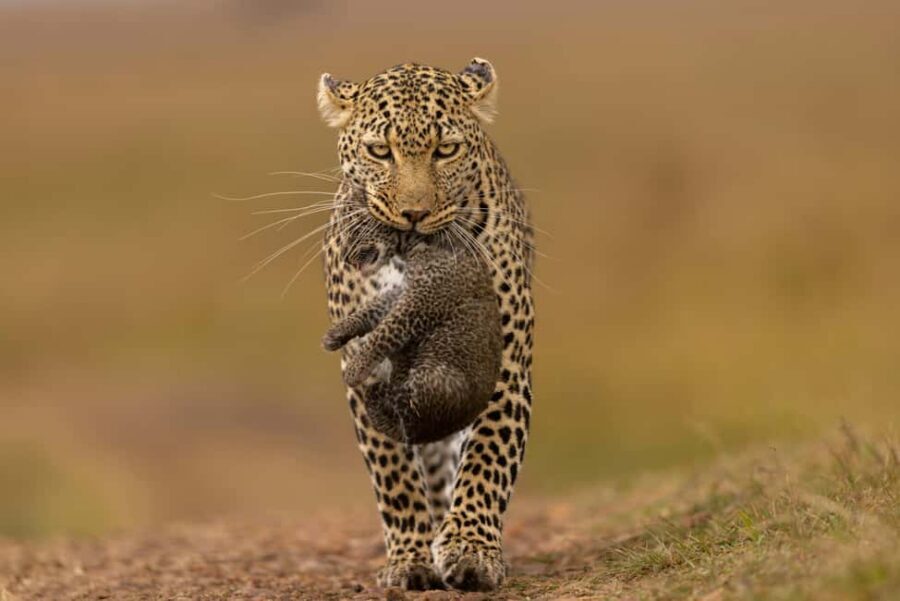
Jhalana is one of the better places near Jaipur for leopard spotting, and that matters for your expectations. This is not a flat, easy drive where you stop at a single viewing platform. The habitat is dry forest and rocky areas, and you’ll feel that in the pace of the safari. You’ll be out there while the animals decide whether to show themselves.
The promise you’re buying is built on a simple mix: local knowledge + the right time of day + a jeep route that can follow where the animal goes. The tour operates in the Jhalana reserve with 4×4 coverage that includes Amagarh, which helps explain why you’re not stuck watching one corner of the forest.
If you’re a photographer, you’ll probably love the approach. Open jeeps mean you can frame fast when an animal appears. If you’re a first-timer, you’ll still get the thrill without needing wilderness experience—just come ready to move and be patient.
You can also read our reviews of more evening experiences in Jaipur

Your 3-hour game plan: the stops and why each one matters
Even though the activity is listed as 3 hours, you’ll feel the flow like a focused wildlife session rather than a long day excursion. Some descriptions also talk about a 2.5-hour safari, so treat the timeline as “about half a day’s worth of attention,” not a full sightseeing package. What you’ll do in that time is the useful part.
Start at Jhalana Leopard Safari Park
You’ll begin at Jhalana Leopard Safari Park. From here, you’re straight into wildlife viewing and scouting. This isn’t a slow start with a long briefing and then waiting. The time goes toward finding the right stretches of habitat when animals are most likely active.
Practical tip: plan to arrive with extra buffer so you’re not rushing into dust and dark. Even if your exact pickup isn’t described as hotel-to-park, the “be there on time” part is very real for an animal-focused safari.
Wildlife viewing: tracking turns into real sightings
Your main segment is wildlife viewing around Jhalana. This is where the naturalist guide becomes the difference between sightseeing and an actual search. The guide uses leopard tracking—meaning you’re looking for signs, recent movement, and the kinds of behavior that suggest what’s nearby.
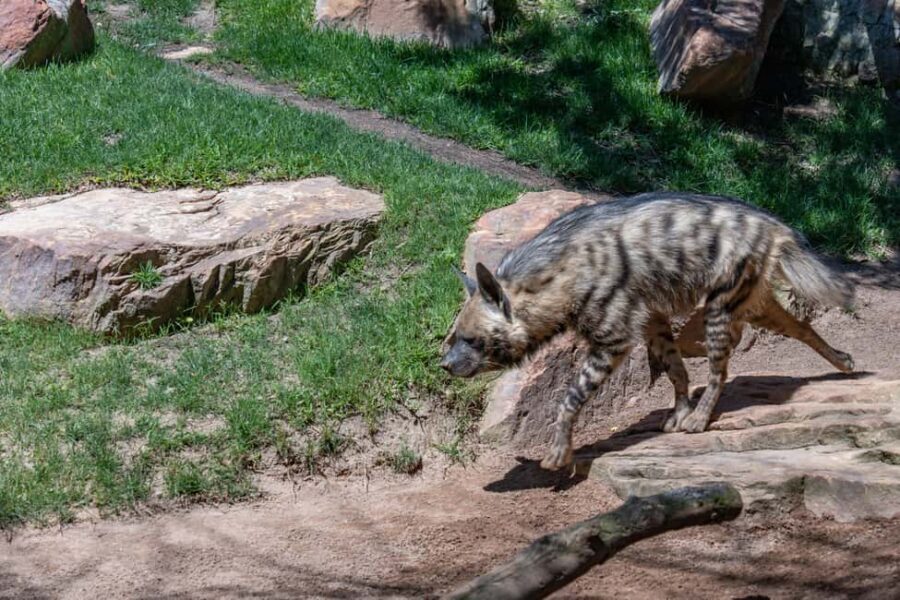
This is also where the species list becomes meaningful. The tour highlights leopards, striped hyenas, desert foxes, and blue bulls. It also calls out 150+ bird species, which is a big deal because birds often tip you off when something is moving through the area. Even if a leopard doesn’t show immediately, bird calls and quick flashes of movement can keep the hunt alive.
One thing I’d keep in mind: animal sightings aren’t guaranteed on any safari. The tour format is designed to maximize odds, not to promise a photo every time.
Off-roading adventure: why rocky tracks help
You’re not just driving to one spot. Off-roading is part of the experience, and it’s there for a reason. In a reserve like this, the jeep’s ability to follow tracks and reach viewing positions matters. When the terrain is rocky and the forest is dry, having an open 4×4 jeep helps you get into the places where animals actually cross and pause.
You’ll likely feel the ride as more “active scouting” than “luxury transport.” That’s good if you like adventure. It’s less good if you’re sensitive to bumps.
You can also read our reviews of more tours and experiences in Jaipur
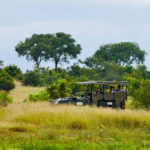
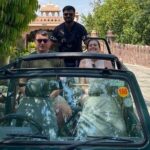
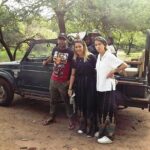
Sightseeing moment: light, scenery, and quick stops
Near the end, you’ll have a sightseeing-style segment within the reserve area. Think of this as the tail end of your scouting—still connected to wildlife viewing, but with room for photo-friendly moments and a little extra time to appreciate the environment.
If you choose sunset, this segment can turn into some of your best lighting for photos. Golden light also makes you more aware of movement silhouettes—when you see something, it can register faster because the contrast is better.
If you choose sunrise, expect more “forest wake-up” energy. The timing is built around activity patterns, and that’s where you can get both wildlife and atmosphere in one go.
Return to Jhalana Leopard Safari Park
You’ll arrive back at Jhalana Leopard Safari Park. This closing is where you should judge the trip: did you get at least one convincing leopard encounter, even if short? Did you enjoy the tracking experience itself? In safaris like this, the value is often tied as much to the search as to the final sighting.
Sunrise vs sunset: how to choose your best odds
Both options are worthwhile, and your choice changes the vibe more than the target species.
Sunrise safari
Early light often means animals are easier to detect and conditions can be better for both viewing and photography. Sunrise also tends to bring more calls in the background, which gives the whole reserve a “coming alive” feeling. If you like that fresh, awake atmosphere—and you’re okay being up early—this is a strong pick.
Sunset safari
Golden light is simply good for photos. It also changes animal behavior, and the tour explicitly positions sunset as a great option for wildlife sightings. If you’re coming from Jaipur and want the day’s warmth and dramatic skies, sunset can feel more rewarding on the senses even if the sightings take a bit of waiting.
How I’d decide: pick sunrise if you want maximum “tracking time” feeling and cooler conditions. Pick sunset if you care most about photo light and a moodier safari atmosphere.
Jeep safari logistics that actually affect your hunt
This is a near-city safari—about 20 minutes from Jaipur city centre—which makes it unusually practical. You don’t need a full day of travel just to get into leopard habitat.
You’ll also notice the format is designed to reduce crowd pressure. The tour mentions a limited number of jeeps per slot, which matters because too many vehicles can scare animals or just turn viewing into a shouting match. Fewer jeeps doesn’t guarantee a leopard, but it tends to create more natural behavior and less distraction.
Language support is broad, which helps if you’re not traveling in English. The guide can be English, German, Russian, French, Spanish, Italian, Hebrew, Hindi. That variety also signals this is set up for international visitors, and you should have a guide able to explain what you’re seeing.
One more practical note: your booking time may not feel like a perfectly fixed clock. The experience can arrange groups together, so your exact start could be adjusted by the operator’s schedule.
The guide makes (or breaks) the value
This is where the safari either feels like a real outing or a rushed drive.
The best version of this tour is guided tracking that turns into a leopard sighting worth waiting for. The leopard moment is often short, and when it happens, a good guide helps you get oriented fast: where to look, what direction movement is likely coming from, and how to position for a quick view.
I also noticed a common pattern in the experience: guide interaction can be a bit uneven by group. In one case, the guide was talkative with a solo participant but not with others in the same tour group. That’s not necessarily “good” or “bad,” but it’s something to keep in mind. Don’t book expecting a private lecture. Think of it as a wildlife-led ride where you’ll learn as you go, with the guide adapting to what’s happening.
The other side of the coin is timing and meeting point confusion. One recent experience described last-minute changes to the meetup location and difficulty reaching the right coordinates. That can spiral fast in low light. My advice: treat the meetup details as living information. Confirm the meeting point instructions early, and if you’re given coordinates, save them offline so you can find the right spot quickly.
What animals and birds you can realistically hope for
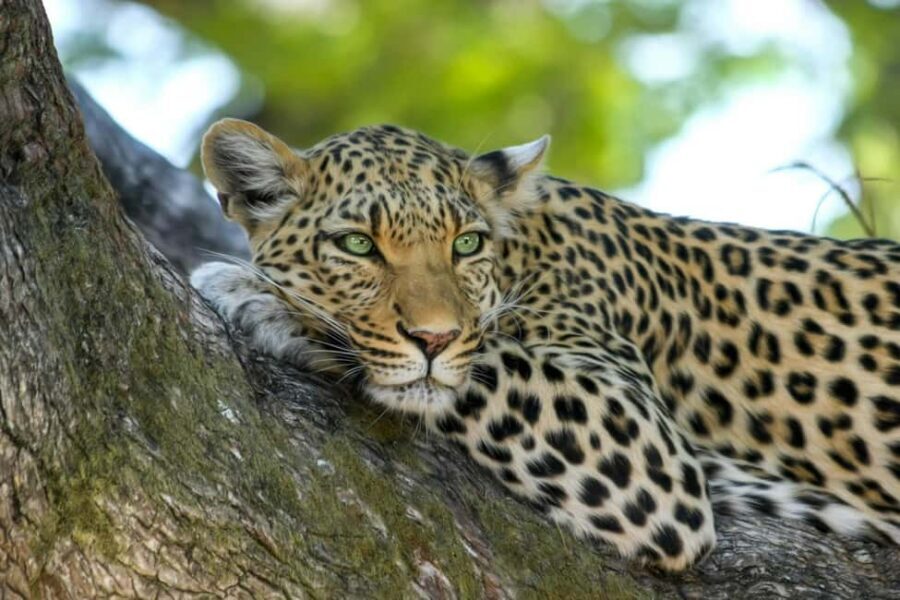
The tour’s animal list is ambitious but grounded in the reserve’s reputation. Expect possibilities like:
- Leopards (the headline)
- Striped hyenas
- Desert foxes
- Blue bulls
- 150+ bird species across the safari
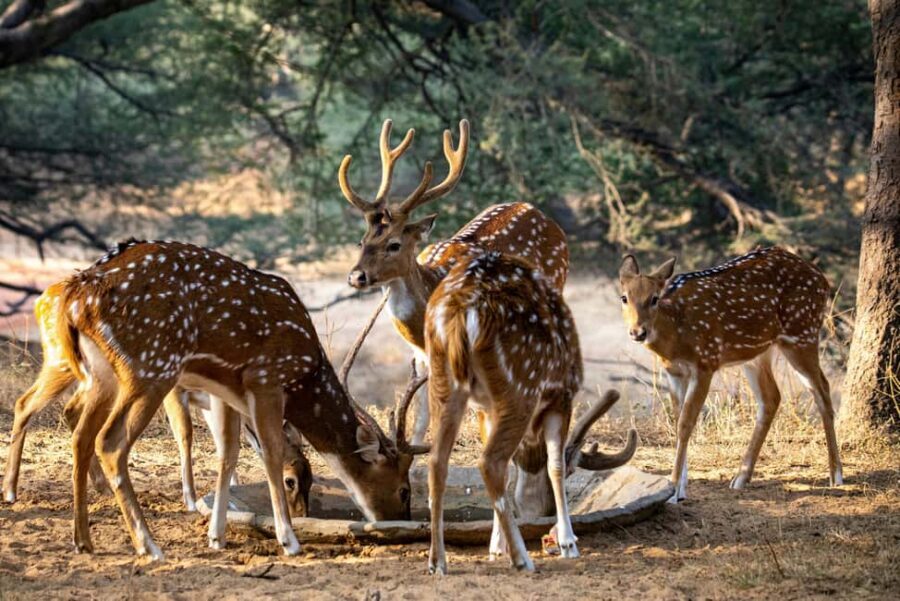
In the real world, sightings can be uneven. You might spot a leopard briefly—just long enough for everyone to react and fire off photos. Or you might get more time if the animal lingers. The guide’s job is to increase your odds by tracking and repositioning.
If you’re primarily chasing leopards, I’d treat this as a hunt where patience is part of the package. If you’re also a bird person, you may leave happy even if the leopard doesn’t cooperate for a long look.
Price and value: is $49 worth it?
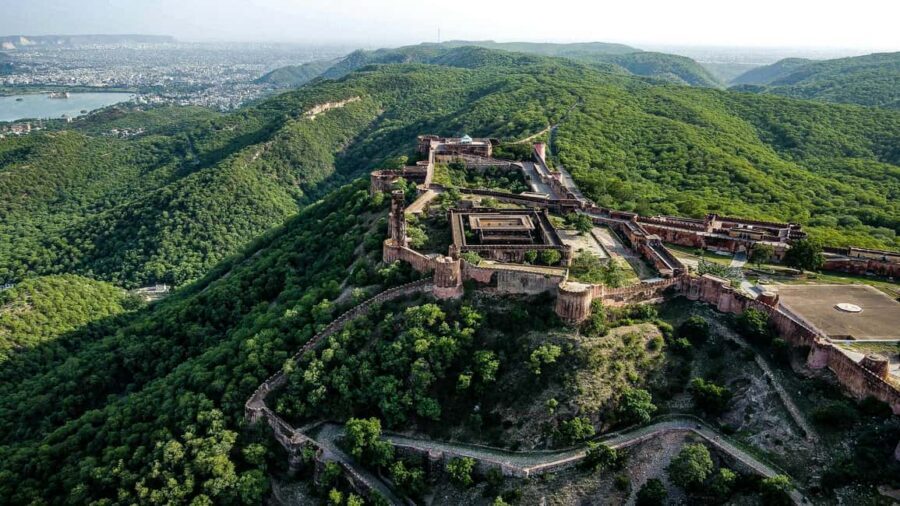
At about $49 per person for a jeep safari experience with a naturalist guide, you’re paying for a specific product: open 4×4 driving + wildlife tracking + time in a known leopard habitat. For a near-city safari in Rajasthan, that price sits in the “fair value” zone, mainly because you’re not paying for long-distance transport or a full-day itinerary.
Where value gets tricky is the leopard factor. If you get at least one solid leopard sighting, it often feels like money well spent. If you get a very brief glance, it can feel disappointing. That’s not the tour’s fault in the human sense—wildlife moves—but it is a reality you should plan emotionally for.
So here’s the practical way to judge value before you book:
- If you can be patient and you love wildlife, the price is likely reasonable.
- If you need guaranteed long leopard viewing time for a trip highlight, you may end up frustrated.
What to bring (and what you’ll regret not bringing)
The tour lists the right essentials, and they’re not optional if you want comfort and better photos.
Bring:
- Camera (and charge it fully)
- Sunscreen
- Water
- Insect repellent
- Binoculars (helpful for scanning trees and movement)
You’ll also want practical clothing for dust and sun. Keep an eye on the time of day: sunrise can mean cooler air, sunset can mean a sudden drop.
Don’t:
- Litter
- Feed animals
- Touch plants
Simple rules like those protect the habitat and also keep the safari safer for everyone.
Who this Jaipur leopard safari fits best
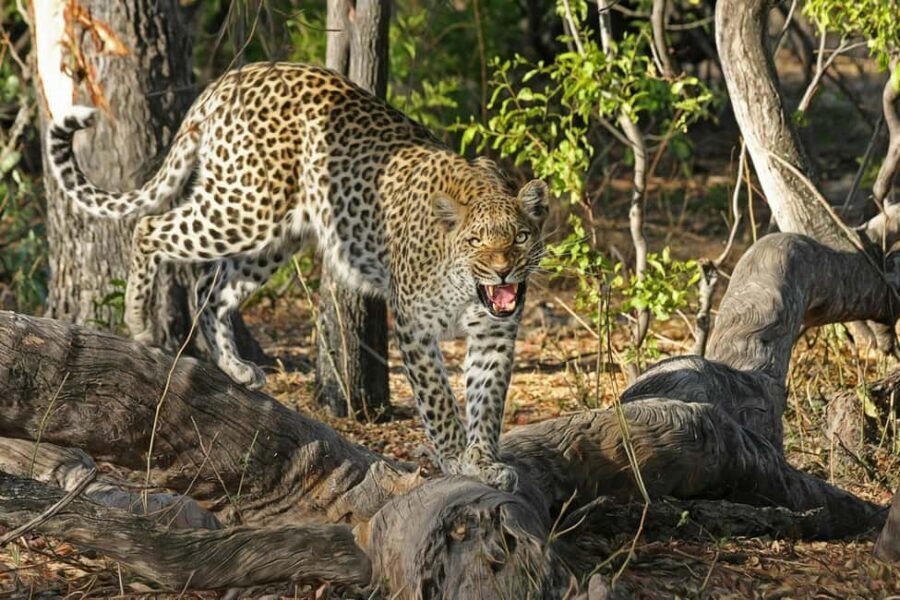
This tour is a good match if you want a serious wildlife experience close to the city. I think it suits:
- Wildlife lovers who enjoy tracking, not just waiting
- Photographers who understand that timing matters and sightings can be brief
- Adventurers who don’t mind an open jeep and off-road bumps
- Bird watchers who will enjoy bird calls and scanning even when mammals are quieter
It’s not a fit for people listed as not suitable: pregnant women, people with back problems, and people with mobility impairments. If any of those apply, this is the wrong format because it’s an off-road jeep experience in natural terrain.
Should you book Jhalana Leopard Safari for sunrise or sunset?
I’d book it if you:
- Want a real leopard-focused safari near Jaipur rather than a long day trip
- Can handle uncertainty (wildlife sightings aren’t guaranteed)
- Like early start energy (sunrise) or golden-hour photos (sunset)
- Want a quieter safari feel thanks to limited jeeps per slot
Skip or reconsider if you:
- Need a long, guaranteed viewing window for a specific animal
- Hate off-road riding
- Are vulnerable to confusion around meeting points in low light—because you may have to confirm pickup instructions and coordinates carefully
If you do book, your best move is to come ready to scan, listen, and trust the naturalist’s tracking. When the leopard shows, the moment tends to be fast. Your preparation is what helps you make it count.
FAQ
FAQ
How much is the Jhalana Leopard Safari in Jaipur?
It’s listed at $49 per person.
How long is the safari?
The duration is listed as 3 hours, and some descriptions mention about 2.5 hours of safari time.
Where does the tour start and end?
You start and arrive back at Jhalana Leopard Safari Park.
Do I get to choose sunrise or sunset?
Yes. You can choose between a sunrise safari and a sunset safari.
What’s included in the price?
The tour includes an open 4×4 jeep safari, a local naturalist guide, leopard tracking, wildlife spotting, and an off-roading adventure.
What is not included?
Hotel pickup and drop-off, food and drinks, and personal expenses are not included.
What languages are available for the live guide?
The guide is available in English, German, Russian, French, Spanish, Italian, Hebrew, Hindi.
What should I bring?
Bring a camera, sunscreen, water, insect repellent, and binoculars.
Is the safari good for someone who needs hotel pickup?
Hotel pickup and drop-off is not included, so you’ll need to plan your own way to the starting point at Jhalana Leopard Safari Park.
Is the tour accessible for everyone?
It’s not suitable for pregnant women, people with back problems, and people with mobility impairments.