REVIEW · JHALANA LEOPARD SAFARI
Jaipur: Jhalana Amagarh Leopard Reserve 4×4 Jeep Safari
Book on GetYourGuide →Operated by Parikshit Tour and travels · Bookable on GetYourGuide
Leopards near Jaipur sounds impossible, right? This safari in the Jhalana-Amagarh reserve is a practical way to get into the Aravalli Hills fast, with air-conditioned pickup and a 4×4 jeep ride that puts you where wildlife actually moves.
What I like most is the emphasis on wildlife spotting that goes beyond leopards. With patient guides like Ashok and drivers such as Singh, you’re not just sitting there hoping; you’re learning where to look and when to stay still for the view to appear.
One catch: it’s a no leopard guarantee experience. Sightings can’t be promised, and there’s no refund if leopards don’t show, plus winter mornings can bring serious chill once you’re on the safari tracks.
In This Review
- Key things that make this safari worth your time
- Why Jaipur’s Jhalana-Amagarh reserve makes sense
- Getting there without wasting half your day
- The 4×4 jeep safari: what the ride feels like
- Your wildlife checklist: what you can realistically hope for
- Leopard odds: how to improve your chances
- Morning chill vs sunset payoff in winter
- After the safari: Monkey Temple and the elephant option
- Price and value: is $60 a good deal?
- Who should book this safari (and who should skip it)
- Practical packing list that actually matters
- Should you book the Jhalana-Amagarh 4×4 Leopard Safari?
- FAQ
- What animals can I expect to see on the safari?
- Where is this safari located?
- How long is the safari inside the park?
- Does the tour include hotel pickup and drop-off?
- Is a leopard sighting guaranteed?
- What vehicle will I ride in during the safari?
- What should I bring with me?
- Are there any rules during the trip?
- What languages are spoken by the driver?
Key things that make this safari worth your time
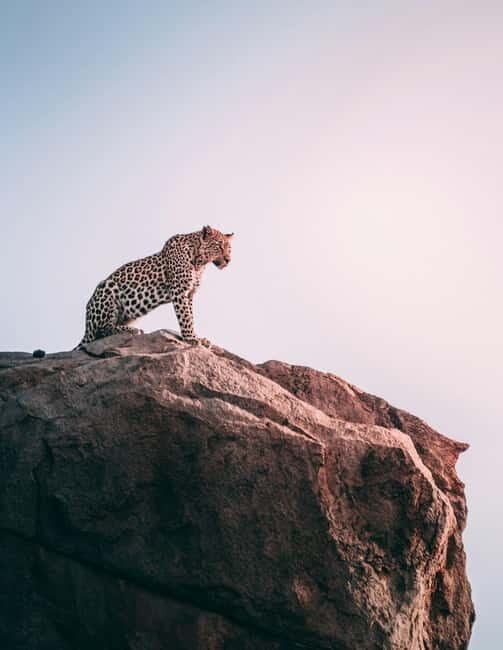
- Jaipur’s first leopard reserve, set against the Aravalli Hills
- Air-conditioned hotel pickup and drop-off plus fast entry
- Real off-road 4×4 time (about 2:15–2:45 inside the reserve)
- A serious leopard population with more than 70 leopards and 5 cubs
- More wildlife than just big cats, including hyenas, deer, civets, foxes, and birds
- Sighting chances vary, because wildlife follows its own schedule
Why Jaipur’s Jhalana-Amagarh reserve makes sense
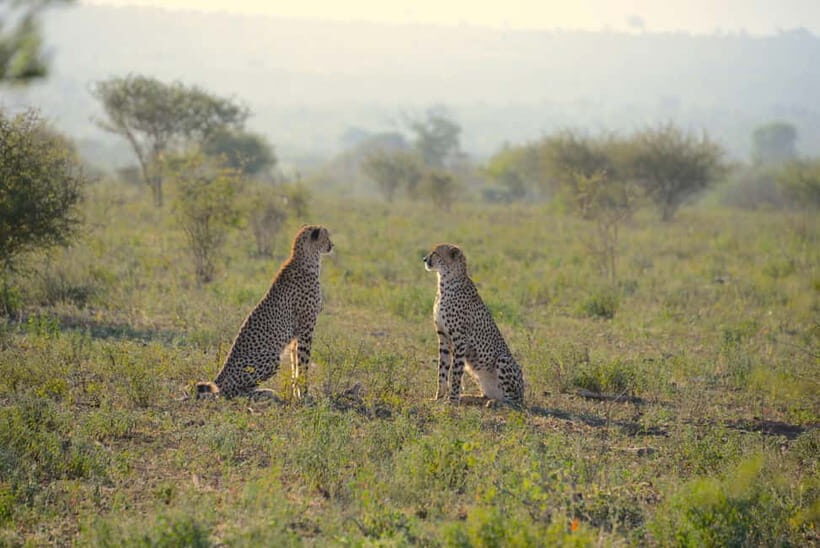
If you’re basing yourself in Jaipur and want something more “real habitat” than a zoo-style stop, this reserve is a smart option. Jhalana-Amagarh Leopard Reserve sits within Jaipur’s area, ringed by the Aravalli Hills, one of India’s oldest mountain ranges. That setting matters because the animals are dealing with terrain, cover, and food routes—not exhibits.
This park is also built around a simple, clear goal: look for leopards and other predators in the wild. The reserve currently hosts more than 70 leopards and 5 cubs, which is a big reason this safari can feel like more than a hope-and-cope outing. And even when the cats stay hidden, the reserve’s ecosystem still delivers plenty to look at—especially if you enjoy watching behavior instead of chasing a single outcome.
You can also read our reviews of more tours and experiences in Jaipur
Getting there without wasting half your day
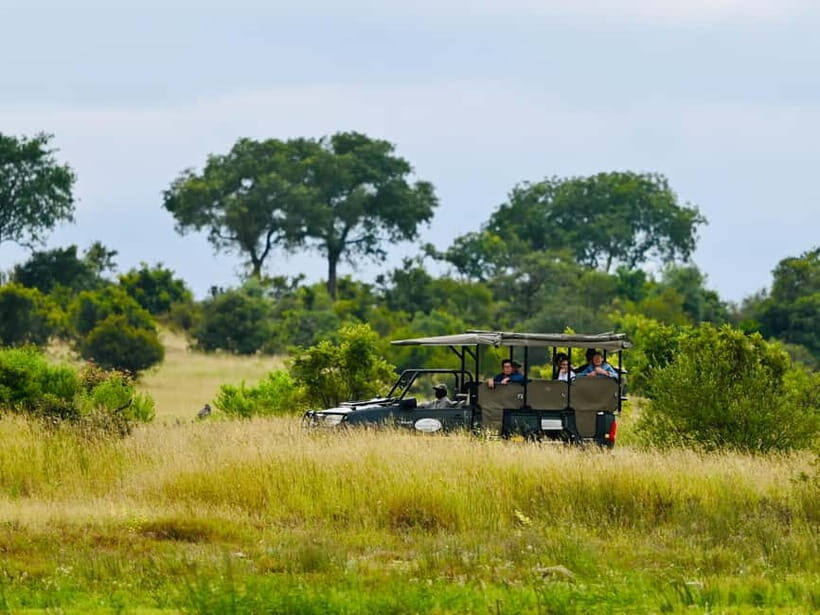
This tour is designed for convenience. You get pickup from your hotel (or any location in Jaipur) and the same private driver brings you back after the safari. The pickup vehicle is air-conditioned, which is a genuine quality-of-life upgrade in Rajasthan.
Another underrated benefit: there’s skip-the-line style entry via a separate entrance, so you’re less likely to lose your best wildlife hours standing around. Also, the driver is listed as English/Hindi, which helps a lot when you’re trying to understand what you’re seeing through brush or from a moving jeep.
Practical note: after booking, you must send your passport details via WhatsApp or email so the park can process your entry. Do this promptly, or you risk delays at the gate.
The 4×4 jeep safari: what the ride feels like
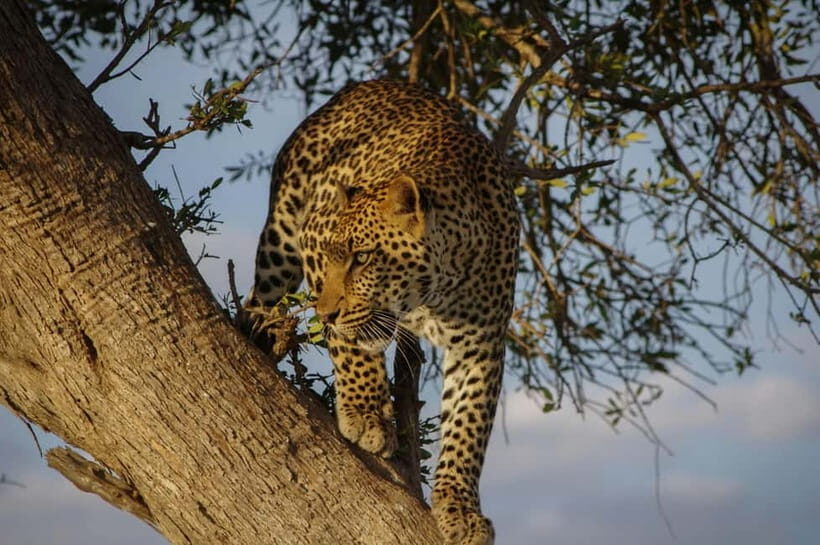
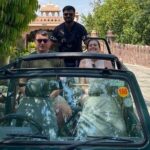
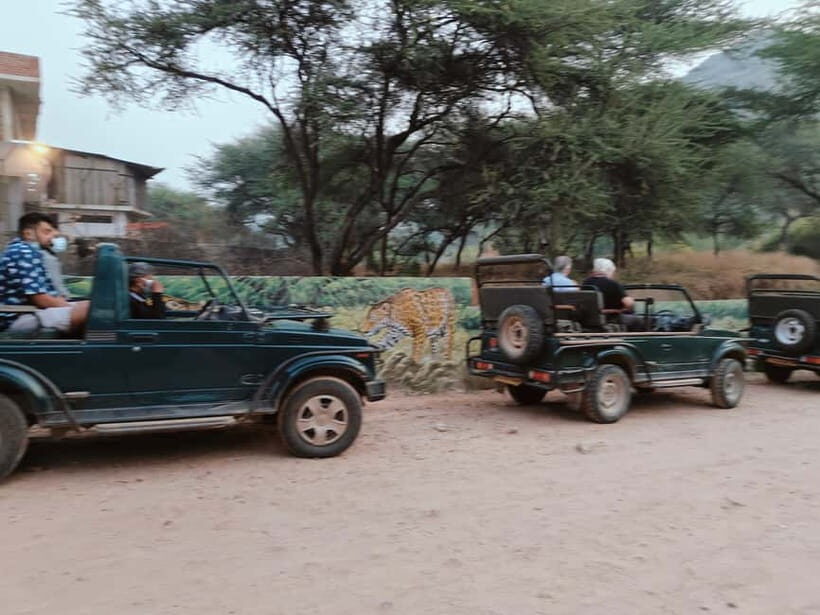
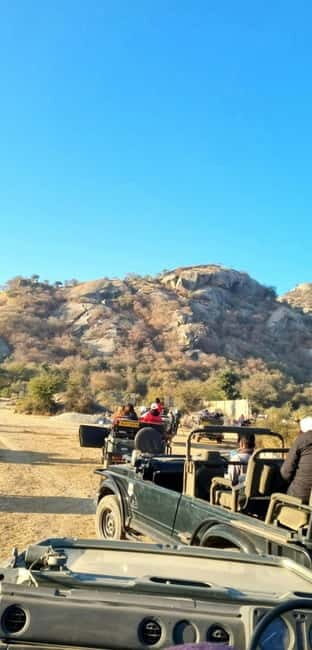
Inside the reserve, the experience is built around off-road driving. You’ll explore in a 4×4 jeep, and there’s also a private 4×4 Gypsy option if you choose it. Either way, you’re getting the kind of access that keeps you on tracks where wildlife might be closer to the road.
Expect the core safari time to run about 2:15 to 2:45. That’s a good length: long enough for meaningful searching and repositioning, short enough that you’re not dragging yourself for hours in one sitting. You’ll likely get stops and slowdowns when your driver or guide spots signs—scents, movement patterns, or quiet animal activity off to the side.
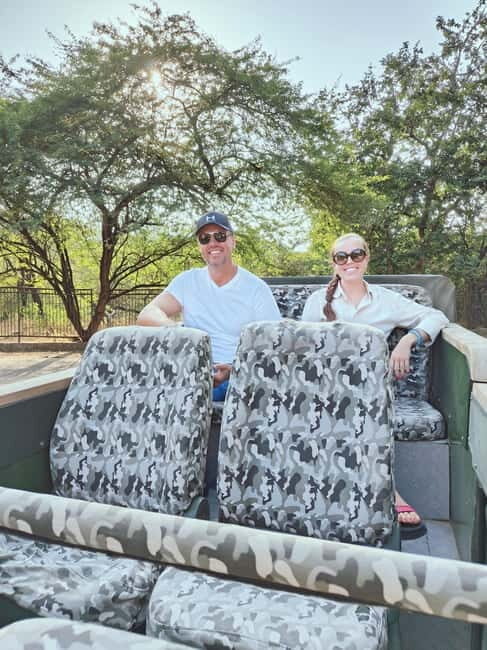
Comfort matters here. Several people praised the vehicles as comfortable, but one traveler also noted limited space in SUVs (with three people per row). If you’re tall, claustrophobic, or carrying a heavy camera setup, plan for less room than you’d get in a regular city car.
Your wildlife checklist: what you can realistically hope for
Leopards are the headline, but the reserve has a whole supporting cast. According to the provided tour info, you might spot:
- Striped hyenas, Indian civets
- Desert cats, jungle cats, desert foxes, jackals
- Porcupines, jungle rats, monitor lizards, mongooses
- Sambar deer and spotted deer (chital)
- Blue bull (nilgai)
- Plus a variety of snakes and birds
This list is why I like this safari for photo and observation lovers. Even if leopards don’t appear, you’re still in a place where you can see predators, prey, and birds using the habitat. One well-rated experience highlighted a hyena sighting and lots of birds even without leopards, which is exactly the kind of backup plan you want when wildlife is unpredictable.
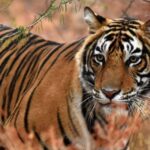
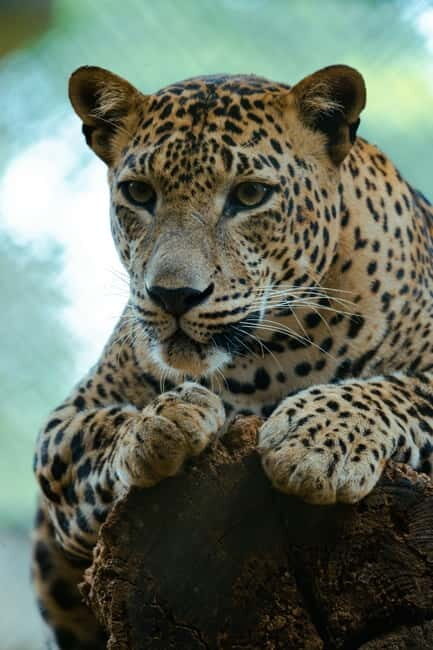
When leopards do show up, it often isn’t a dramatic parade. It can be a sudden appearance from brush, a figure moving across the open, or a cat lingering near where it drinks or hunts. The best results tend to come from guides who can “read” the landscape and keep you positioned without turning the whole thing into chaos.
Leopard odds: how to improve your chances
Let’s be honest: wildlife timing rules everything. Leopard sightings cannot be guaranteed, and the park experience doesn’t refund your money if leopards aren’t seen. That’s not a reason to skip the safari, though. It’s a reason to treat this like a flexible wildlife session, not a ticket for a guaranteed cat photo.
Here’s what helps your odds in practice:
1) Go when the light and activity match the season.
Multiple accounts point to the difference between morning and later outings. One person specifically said morning was extremely cold in winter and leopard sightings were less common during morning sessions, while an afternoon or sunset session brought better chances.
2) Bring patience, not just a camera.
Leopards can be present and still invisible until the cover shifts or they move. The people who had the best experiences described waiting calmly—sometimes for a watering-hole moment or a cat stepping out after staying hidden.
3) Use binoculars.
Binoculars are included as a suggested bring-item. That’s not just for birds. It helps you scan for movement patterns that you’ll miss with just the naked eye from a moving jeep.
If it’s raining, animals may hide. In that case, your viewing can shift toward smaller activity—birds, deer, and other animals that keep moving even when predators stay cautious.





Morning chill vs sunset payoff in winter
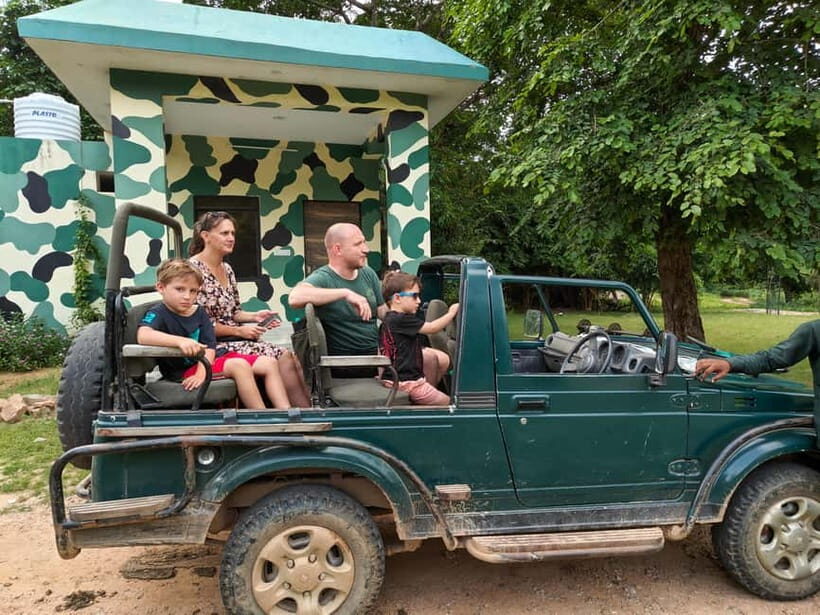
Jaipur winters can trick you. From the city, it can feel mild. Once you’re on a safari track—wind, shade, and early start—it can get cold fast.
A tip that came up clearly: early morning trips can be warm in the city but feel very cold once you’re on the safari. In late February, people recommended jumpers, jackets, and hats. If you’re planning a morning slot, treat it like outdoor cold weather, not comfortable Jaipur weather.
That said, morning can still be worth it if you enjoy quieter drives and the chance to spot animals during cooler periods. Just know that later drives can be warmer and may line up better with leopard activity in winter.
My advice: pick the time you can comfortably do without rushing. If you hate cold mornings, don’t force it. If you love sunrise light and don’t mind layers, morning can be a satisfying way to feel like you’re really leaving the city behind.
After the safari: Monkey Temple and the elephant option
Your core safari ends, then you return to Jaipur. Some drivers also add small extras if time allows. One recurring theme: a stop at the Monkey Temple area for a quick walk or blessing. It’s often described as close enough that it can fit smoothly into the overall outing, especially when you’re waiting or returning earlier than expected.
There’s also an optional Elephant Village Park visit listed as included only if you choose that add-on. Important detail: an activity with elephants is listed as not included. So if you’re selecting this option, read carefully what’s actually included in your specific package.
One caution from experience reports: the elephant-related add-on can feel expensive for the amount of time and control you get over how you want to participate. If you’re drawn to this part only for gentle walking and browsing, go in with clear expectations and confirm what you’re allowed to do.
Price and value: is $60 a good deal?
At about $60 per person, the value depends on what you care about most: convenience, access, and the odds of a real leopard encounter.
Here’s what the price typically covers based on the provided inclusions:
- Hotel pickup and drop-off by private vehicle (air-conditioned for the transfer)
- Safari park entrance charges and toll/parking
- A 4×4 safari in the park
- A water bottle
- Taxes included
- Private group experience
Food is not included, so plan on budgeting separately unless you grab something before or after.
So is it worth it? For many people, yes—because the payoff isn’t just the park. It’s the full package: time saved from self-arranging transport, fast entry, and being driven and positioned by people who actively look for wildlife.
If you’re trying to minimize costs, one person noted that the park entrance fee is actually cheap and suggested the possibility of taking a taxi there and handling booking yourself. That can work if you’re comfortable organizing details on the ground. If you want low stress, private pickup plus a guided safari is the easiest way to do it.
Who should book this safari (and who should skip it)
This is a good fit if:
- You want a Jaipur leopard safari that focuses on habitat, not just sightseeing
- You enjoy photography and want help positioning for shots
- You’re happy to watch a range of wildlife even if leopards don’t appear
- You want a private, straightforward pickup/drop-off setup
It may not be ideal if:
- You have animal allergies, since you’ll be in natural habitat with wildlife nearby
- You’re extremely uncomfortable with cold outdoor conditions in winter mornings
- You need a guaranteed leopard encounter (this doesn’t promise one)
Practical packing list that actually matters
Bring what helps you enjoy the ride and wildlife viewing. The tour info suggests:
- Camera
- Binoculars
- Comfortable clothes
- Water
Then add my real-world common-sense upgrades:
- Warm layers if you pick a morning or winter slot (people specifically mentioned cold conditions during safari time)
- A small towel or tissue if you’re prone to dust during off-road driving
- A phone strap or secure camera setup, since jeep roads can bump and jolt
Rules to note:
- No smoking
And before you go:
- Send your passport details after booking so park entry is processed smoothly
Should you book the Jhalana-Amagarh 4×4 Leopard Safari?
I’d book it if you want a real off-road wildlife experience close to Jaipur and you’re okay with the normal rule of nature: big cats show up when they want.
Choose this safari if your priorities are:
- Comfortable pickup and access into the reserve
- A strong chance to see predators and wildlife beyond just one animal
- A guide/driver setup that helps you spot movement and get photo-ready positioning
Skip (or at least rethink) if:
- You need guaranteed leopard sightings
- You’re allergic to animals
- You’re not willing to handle disappointment and still enjoy deer, hyenas, birds, and the rest of the habitat
If you go in expecting a wildlife session—not a scheduled cat photo—this is a solid use of half a day in Jaipur, with enough chance of standout moments to make it memorable.
FAQ
What animals can I expect to see on the safari?
The reserve commonly includes leopards and also lists striped hyenas, Indian civets, desert cats, jungle cats, desert foxes, jackals, porcupines, monitor lizards, mongooses, sambar deer, spotted deer (chital), blue bull (nilgai), snakes, and a variety of birds.
Where is this safari located?
It takes place in the Jhalana/Amagarh Leopard Safari Park in Jaipur, Rajasthan, surrounded by the Aravali Hills.
How long is the safari inside the park?
The safari length is listed as about 2:15 to 2:45 hours inside the reserve.
Does the tour include hotel pickup and drop-off?
Yes. Pickup and drop-off are provided by private vehicle, and pickup is available from your hotel or any location in Jaipur, with return to the same place.
Is a leopard sighting guaranteed?
No. Leopard sightings cannot be guaranteed, and money will not be refunded if leopards are not seen.
What vehicle will I ride in during the safari?
You’ll do the safari in a 4×4 jeep. The tour also mentions a private 4×4 Gypsy option if you choose that option.
What should I bring with me?
Bring a camera, binoculars, comfortable clothes, and water.
Are there any rules during the trip?
Smoking is not allowed.
What languages are spoken by the driver?
The driver is listed as speaking English and Hindi.