REVIEW · FOOD
Jaipur : No Diet Club Amazing Street Food Tasting in Jaipur
Book on GetYourGuide →Operated by NO DIET CLUB · Bookable on GetYourGuide
Jaipur tastes better on foot, and this food walk is built for exactly that. You’ll move through the old lanes of the Pink City with a local guide, sampling classic street bites that go sweet, salty, spicy, and tangy.
I especially love how much variety you get in one outing, from crispy savory snacks like pyaz kachori to cool lassi in a clay cup. And I like the way the host, Bhavya, connects each stop to what locals actually eat, with tips that help you avoid the usual street-food traps.
One thing to consider: tastings can vary by season, and if you’re extra sensitive to spices, you’ll want to pace yourself and ask questions early.
In This Review
- Key Highlights Worth Your Time
- Walking the Pink City Lanes With a Local Food Guide
- The Snack Lineup: Pyaz Kachori, Samosa, Aloo Tikki, Dahi Bada
- Why the Chutneys, Heat, and Tang Matter in Jaipur
- Lassi in a Clay Cup: The Cooling Reset You’ll Appreciate
- The Sweet Finish: Jalebi and Kulfi
- Where the Food Fits Into the City (Not Just Into Your Stomach)
- How Much You’ll Eat (and How to Make It Enjoyable)
- Safety, Hygiene, and the Practical Advice You’ll Actually Use
- The Social Side: New Friends, Easy Humor, Shared Bites
- Price and Value: What $41 Gets You in Jaipur Street Food
- Who This Tour Suits Best
- Should You Book the No Diet Club Jaipur Food Walk?
- FAQ
- Where does the Jaipur street food tour start?
- What is included in the experience?
- How much does the tour cost?
- Is the tour in English?
- Are vegetarians welcome?
- What kinds of food will you try?
- Do the tastings ever change?
Key Highlights Worth Your Time
- Pink City old-town walking route with plenty to look at between bites
- Many tastings designed as a full street-food sampler
- Bhavya’s insider guidance and practical advice on where to eat
- A sweet finish with jalebi and creamy kulfi
- Vegetarians welcome, with season-to-season menu flexibility
Walking the Pink City Lanes With a Local Food Guide
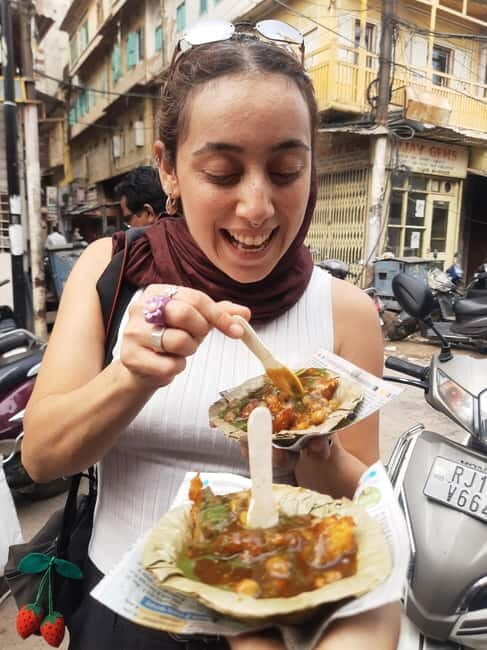
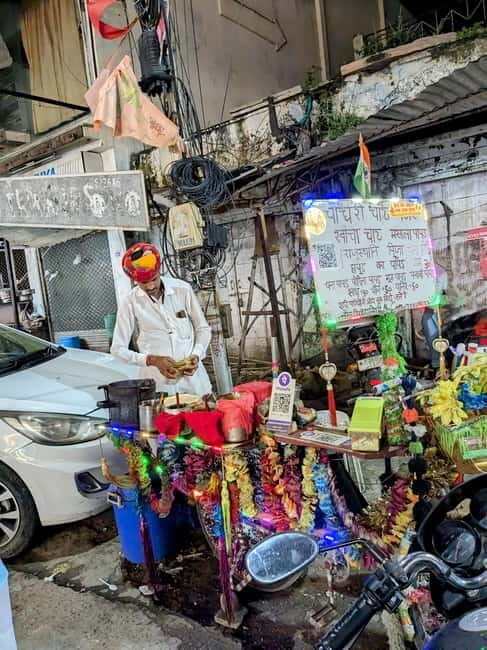
This tour is centered on the old city of Jaipur, the rose-colored area people call the Pink City. The lanes are narrow, the markets are close together, and the whole place feels like food is part of daily life, not an attraction you visit for one hour.
You’re led by a local foodie, and the big win here is the level of guidance you get while you’re walking. One guide in particular, Bhavya, shows up again and again in people’s stories: she’s friendly, she knows the corners, and she can explain what you’re eating without making it feel like a lecture.
There’s also a social side that matters more than you’d think. You’ll meet people from different countries, and sharing street bites turns a busy area into a group-friendly experience. It’s not just eating; it’s eating while learning how to read the city.
You can also read our reviews of more food & drink experiences in Jaipur



The Snack Lineup: Pyaz Kachori, Samosa, Aloo Tikki, Dahi Bada
Jaipur street food has a rhythm: you start crunchy, you add heat, you balance with cooling textures, then you finish with sugar. This tour follows that logic, so you don’t end up eating the same flavor profile for every stop.
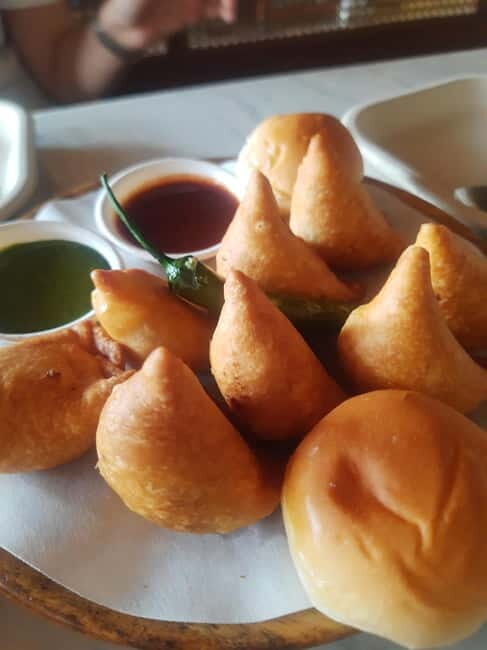
You’ll likely begin with local favorites such as crispy pyaz kachoris and spicy samosas. These are the kinds of bites that get eaten fast for a reason: hot crust, strong flavor, and a satisfying crunch that holds up even in the street setting.
From there, the lineup moves into other classics, including aloo tikki and dahi bada topped with tangy chutneys. The goal isn’t only variety for variety’s sake—it’s learning how Jaipur balances richness (fried snacks), coolness (yogurt), and punch (chutneys).
And because tastes change with the calendar, expect some seasonal switching. That’s not a downside so much as a reality of street food. If you’re hoping to hit a specific dish every time, you may want to ask your guide what’s on the day-of menu.
Why the Chutneys, Heat, and Tang Matter in Jaipur
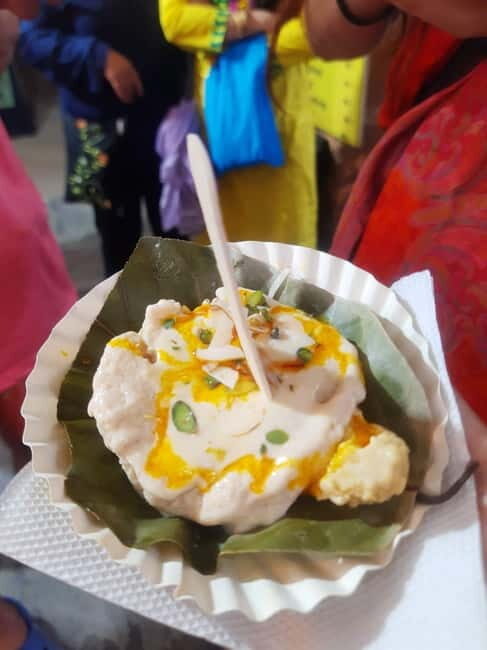
A lot of street food tours hand you a plate and call it cultural. This one tries to teach you the flavor system behind the food. Jaipur’s snacks lean on chutneys to do the heavy lifting—sweet, sour, spicy—so each bite feels different even when the base is similar.
When you get items like dahi bada with chutneys, you’re tasting more than one texture. You’re also tasting the idea that street snacks are meant to be mixed in your mouth, not eaten like a polite dinner course.
This is where you’ll get the most value if you’re the kind of eater who likes asking why something tastes the way it does. Bhavya’s approach, based on what people highlight, includes story-telling and explanations, so you leave with a better memory than just a photo.
Lassi in a Clay Cup: The Cooling Reset You’ll Appreciate
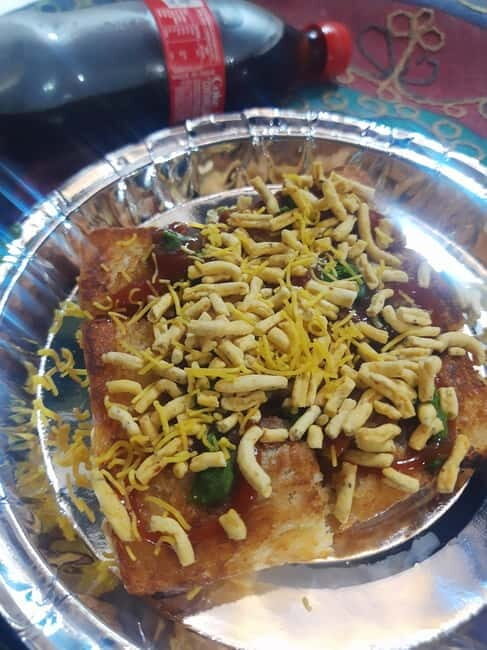
Street snacks come hot and heavy. That’s why the lassi in a traditional clay cup is such a smart stop. It’s refreshing, it cuts the spice, and it gives your stomach a breather without turning the tour into a drink-only break.
Clay cups also make the moment feel more specific to the setting. You’re not just drinking; you’re taking a small pause that matches how locals might sip something cooling while moving through the market.
I like tours that include a palate reset, because it makes you enjoy the final sweet foods more. If you rush through the savory part, you’ll hit jalebi and kulfi feeling full in the wrong way.
The Sweet Finish: Jalebi and Kulfi
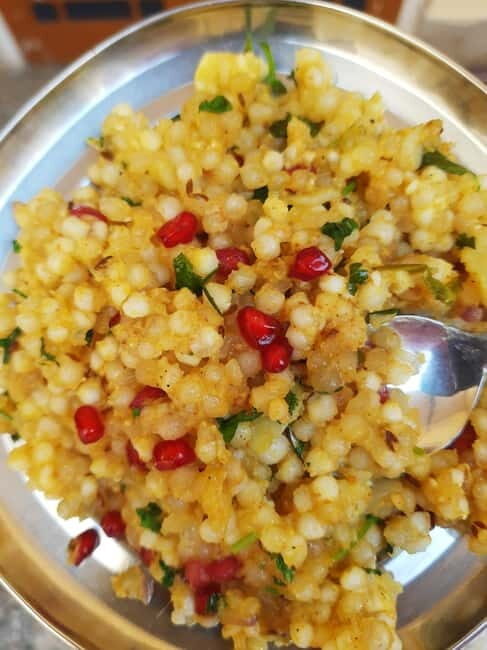
Jaipur doesn’t do subtle desserts. The tour’s sweet section points you toward jalebis and creamy kulfi, two very different styles that still share one trait: they’re unforgettable when you eat them at the right time.
Jalebi brings a sticky crunch-and-soak experience, usually sweet with a deep caramel note. Kulfi is cooler and denser, often flavored in a way that feels more like a frozen dessert than a quick ice cream scoop.
If you’re watching sugar, take smaller bites than you think you’ll need. Street-food desserts are best when you can taste them clearly, not when you’re rushing to finish them.
Also, sweets are where your guide’s pacing really shows. A good guide won’t overload you too early, so you still feel curious at the last stops instead of just full.
You can also read our reviews of more tours and experiences in Jaipur






Where the Food Fits Into the City (Not Just Into Your Stomach)
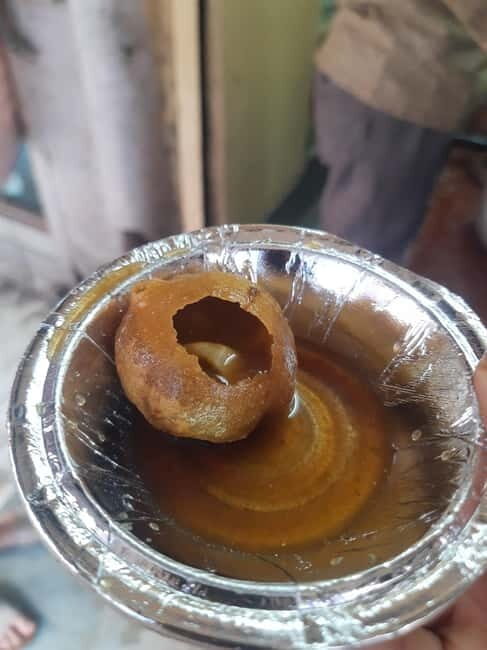
The food tour happens in the Pink City’s old-school lanes, near traditional markets and heritage buildings. That matters because street food is part of the daily landscape here—you’re tasting what people actually eat while you see the area as it functions, not as a themed set.
You start at a clear landmark: in front of Gujarati NasteWala. From that point, you’re walking through scenes that help you understand why the food is built the way it is. Street bites are portable, meant for quick turns, and designed to keep flavor strong even when you’re moving.
The route also helps you avoid the common travel mistake: eating once at a random spot and assuming you’ve solved the food puzzle. Instead, you’re comparing flavors across multiple stops, so you learn which styles you like best.
How Much You’ll Eat (and How to Make It Enjoyable)
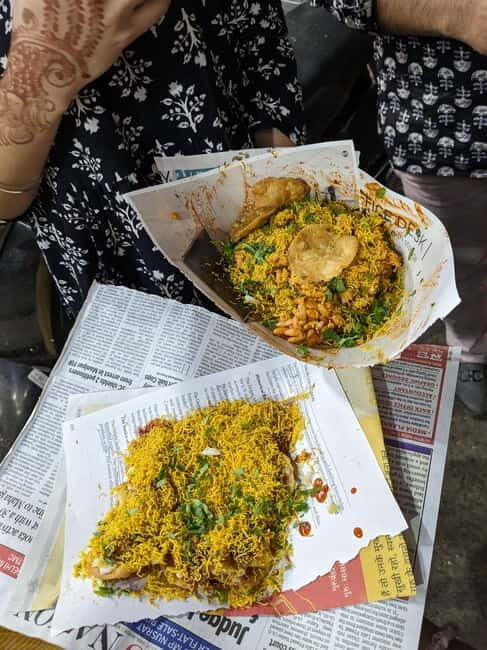
This is built around many tastings to share—so expect a full sampler approach. You’ll likely try a mix of fried snacks, yogurt-based items, drinks, and dessert, so plan for a proper food-focused outing, not a light stroll.
Here’s how I’d make it comfortable. Go with an appetite, wear shoes that handle uneven street surfaces, and keep water nearby even if the tour includes a lassi stop. If you’re sensitive to spice, say so early; guides can often steer you toward safer portions of the same menu.
Another practical tip: eat slowly. Street food is best when you let chutneys, crunch, and cool elements hit your palate in sequence. The worst-case scenario isn’t finding the wrong flavor—it’s rushing and losing what makes the variety interesting.
Safety, Hygiene, and the Practical Advice You’ll Actually Use
A big reason people recommend this walk is the sense that you’re eating well, not just eating loudly. One repeated theme in the guide story is that Bhavya helps you choose spots for safe food so you don’t end up dealing with the classic street-food tummy problem.
You should still use your common sense, of course. Pick up cues from your guide, listen to what’s being served fresh and handled properly, and don’t push past pain just to finish a tasting.
What I like most is that the tour doesn’t make safety sound like fear. It treats hygiene like an everyday skill—something you learn by watching locals and following someone who knows the area.
The Social Side: New Friends, Easy Humor, Shared Bites
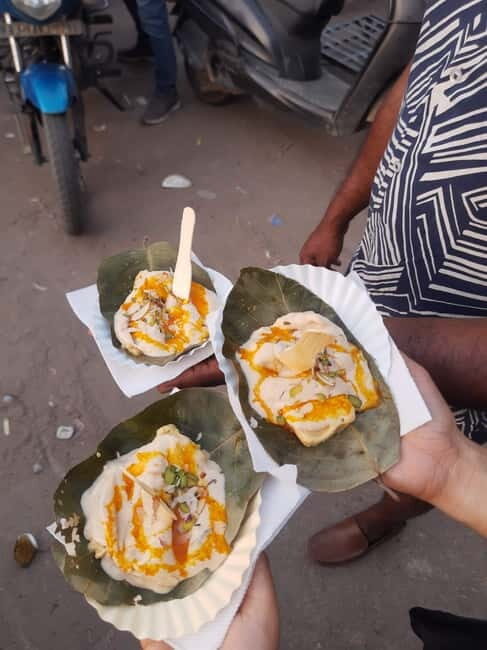
Street food tastes better with company. This tour is set up for fun as much as food, and people consistently bring up the combination of laughter, conversation, and shared plates.
It’s also a great fit if you’re in Jaipur solo. You’ll end up chatting with people from around the world while you’re walking, and each stop gives you something concrete to talk about: the crunch, the sweetness, the spice level, the chutney flavor.
A lighter tone matters in a food tour because it keeps you present. When the guide throws in stories and humor, you spend less time guessing what’s happening and more time tasting.
Price and Value: What $41 Gets You in Jaipur Street Food
At $41 per person, this isn’t a bargain-tariff “grab a snack” situation. It’s priced like a guided experience that includes multiple tastings, a walk through a major area, and a local host who’s doing the selection work for you.
Here’s the value logic. Instead of you guessing which stalls are worth it, you get a sequence of classic bites that cover savory, cool, and sweet. You also get a guide who can explain what you’re eating, which turns the meal into a learning moment—especially useful if this is your first time in Jaipur’s street-food world.
If you compare the cost to buying snacks one by one without guidance, you’re still paying for the convenience and the food variety. For me, that’s what makes it feel fair.
And because vegetarians are welcome, you’re not stuck in a separate category to find a basic version of the same experience.
Who This Tour Suits Best
This food walk works especially well if you want Jaipur beyond the postcard stuff. You’ll get street-level flavors and an old-city feel, without needing to be an expert on where to eat.
I’d also suggest it if you’re the type who likes structured eating. Some travelers love “wander and snack,” but that can turn into missed opportunities. Here, you’re guided through a planned sampler, so you come away with a real snapshot of Jaipur street tastes.
If you’re very sensitive to spice, still go—just communicate your preference early. The menu includes spicy options, but the presence of cooling items like lassi and yogurt-based snacks helps balance the intensity.
Should You Book the No Diet Club Jaipur Food Walk?
Book it if you want a high-impact food experience in a short time, with a local guide who can help you choose good spots and keep the tasting flow logical. It’s also a strong option if you’d rather learn from someone than play food roulette in a busy market area.
Skip it only if you’re looking for a long sit-down meal, or if street food crowds and walking through narrow lanes aren’t your style. Since the tastings can vary by season, it’s also not the best choice if you need an exact dish roster every time.
If you want Jaipur’s street food culture in a single, well-paced outing—with friends, stories, and a sweet finish—this one is an easy yes.
FAQ
Where does the Jaipur street food tour start?
The tour starts in front of Gujarati NasteWala.
What is included in the experience?
It includes many tastings to share, a nice walk around Jaipur, lots of fun, and meeting new people.
How much does the tour cost?
The price is $41 per person.
Is the tour in English?
Yes, the tour is guided in English.
Are vegetarians welcome?
Yes, vegetarians are welcome.
What kinds of food will you try?
The tour covers Jaipur street food staples such as crispy pyaz kachoris, spicy samosas, aloo tikki, dahi bada with tangy chutneys, plus lassi in a clay cup, jalebis, and kulfi.
Do the tastings ever change?
Yes. Tastings may vary with the seasons.