REVIEW · COOKING CLASSES
Jaipur Home Cooking Experience with Authentic Lunch/Dinner
Book on GetYourGuide →Operated by Jaipur tour taxi cab · Bookable on GetYourGuide
A Jaipur home cooking class feels different when it starts in a real kitchen. You’ll enjoy home-style Rajasthan food and get hands-on chapati and curry time, all with an English-speaking host and a family that loves sharing how meals actually happen. One note: depending on the day and the group, it can feel more like a warm local lunch experience than a strict, step-by-step cooking workshop.
You get practical comfort too: pickup and drop in an AC car means you spend your energy on food and conversation, not on transport stress. The experience runs about 3–5 hours, and the menu can include both vegetarian and non-veg dishes. If you’re hoping for advanced cooking techniques only, set your expectations around what’s included: a demonstration, then specific chances to cook.
In This Review
- Key things to know before you go
- A Jaipur home cooking experience starts with hospitality
- The first 60 minutes: chai, kitchen orientation, and food stories
- What you’ll likely cook: chapati, paratha-style bread skills, and a vegetable curry
- Round chapati time
- One vegetable curry you make yourself
- If you’re worried it’s too watchy
- The full lunch or dinner meal: eat what you made, plus dessert
- Mehndi optional: natural henna art with meaning
- Price and value: why $13 can work (when you want a real home experience)
- Logistics that matter: timing, private group feel, and pickup comfort
- Who this Jaipur home cooking experience is best for
- Should you book this Jaipur home cooking experience?
- FAQ
- What is the duration of the Jaipur home cooking experience?
- Is pickup and drop-off included?
- Is the class vegetarian or does it include non-veg?
- Will I actually cook, or is it mostly watching?
- Is mehndi art included?
- Is the host available in English?
Key things to know before you go
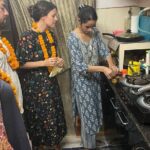
- A family kitchen in Jaipur (not a restaurant set-up): you’re welcomed into day-to-day home cooking routines and learn how ingredients fit into their life.
- You cook chapati and one curry: there’s a real chance to shape and cook round breads, plus make a vegetable curry yourself.
- North India focus, with Rajasthan flavors: expect breads like chapati/paratha-style learning and curries using seasonal vegetables.
- Both vegetarian and non-veg options: you can eat the full range of what the household serves, not just one type of meal.
- Mehndi optional, done with natural henna: you can watch intricate designs being applied and learn what mehndi means in celebrations.
- Included AC pickup and bottled water: the logistics are handled so you don’t waste time getting to the home.
A Jaipur home cooking experience starts with hospitality
This is the kind of meal that makes you understand why Indian food feels personal. Instead of being herded through stations, you’re invited into someone’s home where cooking is tied to routine, family stories, and what’s in season.
The best part is the way the experience mixes food with conversation. A host meets you in English and helps you connect the dots: what each ingredient does, how meals are built, and how North Indian cooking differs from what you might expect elsewhere. In one common pattern, you might be greeted by someone like Shoaib, with family members showing techniques and talking through why their everyday dishes taste the way they do.
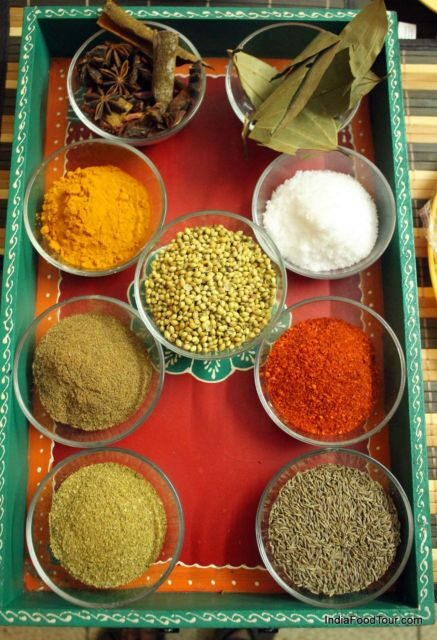
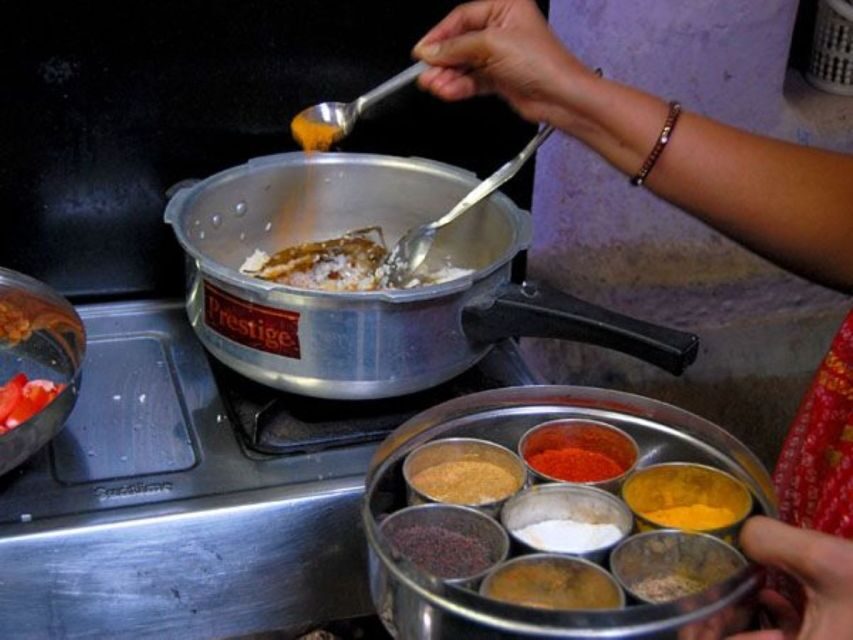
That chat matters because spices don’t behave like a simple seasoning. They’re part of a whole method: sauté, temper, simmer, balance, then finish. You don’t have to become a chef to get it. You just need to pay attention while the family cooks and while you get your own turn at the basics.
You can also read our reviews of more cooking classes in Jaipur

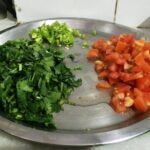
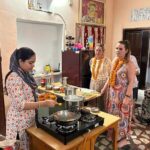
The first 60 minutes: chai, kitchen orientation, and food stories
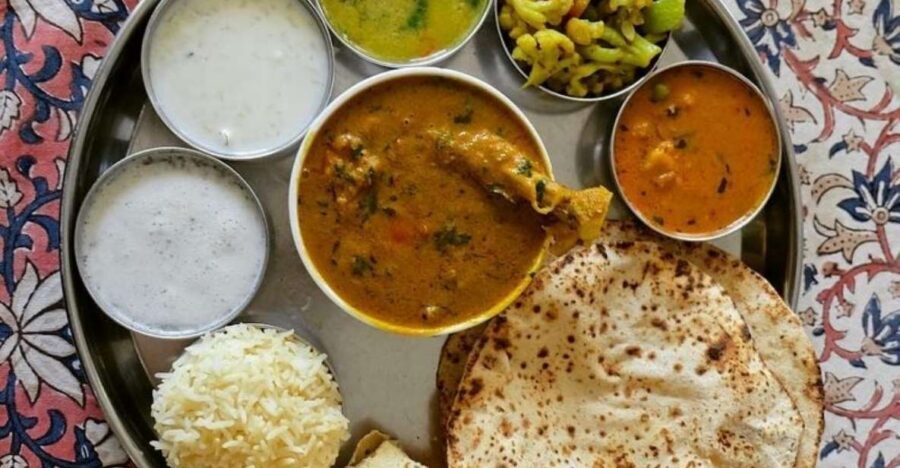
Right after you arrive, you’re usually welcomed with a traditional drink such as chai, lassi, lemon soda, or juice. This is a small thing, but it sets the pace. You’re not rushing into the lesson. You’re settling in, meeting people, and getting comfortable.
Then comes the kitchen orientation. You’ll get a quick overview of Indian cuisines with extra focus on North India. That matters because the dishes here follow that style: breads like chapati and paratha concepts, and curries that often lean on warming spices, onions, tomatoes, and slow simmering for body.
You should also expect some ingredient talk. Even when you’re mostly watching at first, you’ll get context for what you’re seeing—how vegetables are chosen, why certain spices are used, and how everyday cooking handles both flavor and practicality. In the better moments, you’ll feel like you’re included, not just observing.
What you’ll likely cook: chapati, paratha-style bread skills, and a vegetable curry
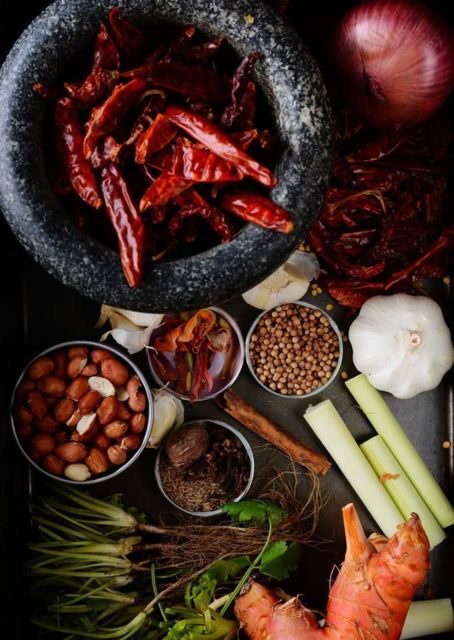
This is the heart of the experience. The format generally includes a demonstration first, then a chance for you to cook.
Round chapati time
You’ll learn and then try making round chapatis. This is bread with attitude. Getting the dough texture right, rolling evenly, and cooking at the right heat level is how you go from flat to fluffy. Even if you only get a couple tries, you leave with a clearer feel for what chapati should look and smell like while it cooks.
One vegetable curry you make yourself
After the bread, you’ll make one vegetable curry. The exact curry can vary, but the menu list commonly includes options like:
- garlic bhindi
- aloo gobhi
- dal (in the broader meal plan, and you may see it prepared)
- pumpkin curry
- carrot curry
- paneer masala
- tinda curry
- egg plant masala
- baigan bharta
- gutta curry
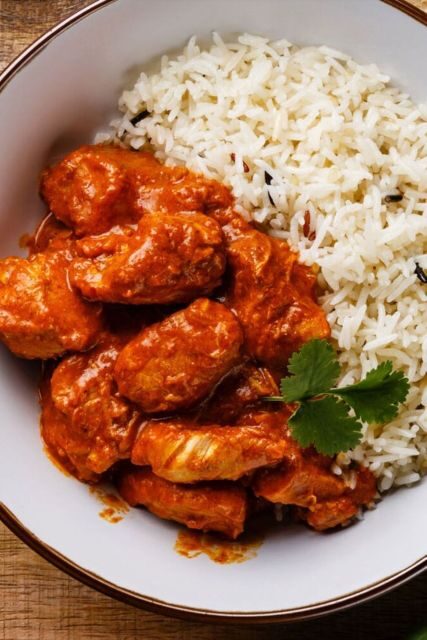
In a few examples, you might also see dishes such as mixed vegetables, dahl, or a richer chicken curry like chicken green korma as part of the overall meal. The takeaway for you is the method: simmer, taste, adjust. You’ll learn how North Indian curries develop flavor and how the family keeps the seasoning balanced.
You can also read our reviews of more tours and experiences in Jaipur






If you’re worried it’s too watchy
One real consideration: some people want a hands-on cooking class with constant instruction and lots of time at the stove. This experience can still involve plenty of interaction—chopping vegetables, stirring at key points, and getting your own turns—but the structure often includes more observing at the beginning. If you’re picky about technique drills, ask yourself whether you’ll be satisfied with learning through cooking moments plus conversation.
The full lunch or dinner meal: eat what you made, plus dessert
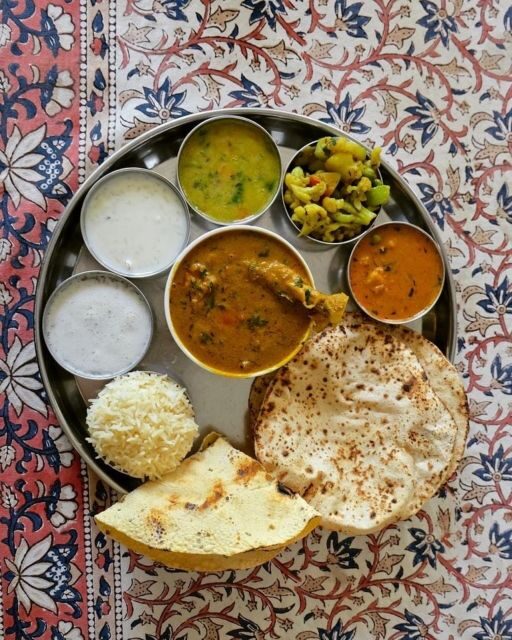
After you cook, you eat. And you eat like a proper home meal: not a small plate, not a snack. The experience includes a full healthy lunch or dinner in Jaipur, plus an Indian dessert prepared beforehand.
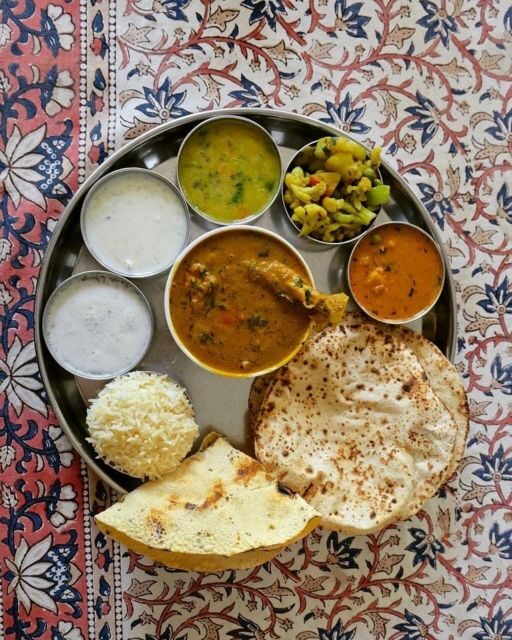
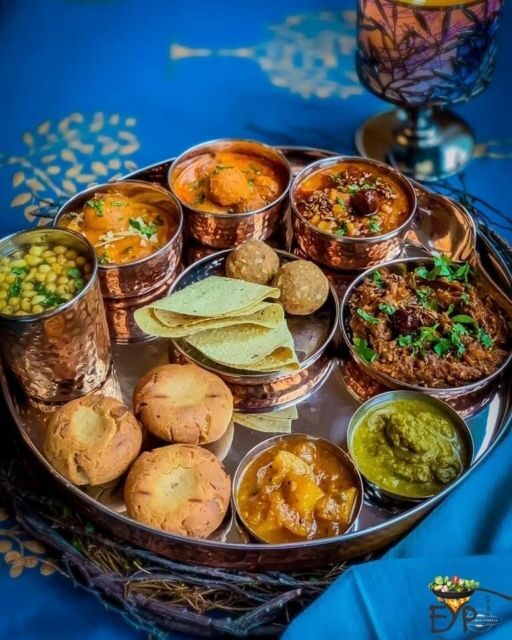
The spread is where the North India focus becomes obvious. You’ll typically see breads alongside curries, often including a seasonal vegetable curry and dals. If the household cooks non-veg too, you may get a dish like chicken green korma in the lineup, depending on what day the menu follows.
What I like about this meal structure is that it’s not trying to impress you with complicated plating. It’s about flavor and routine. You get to compare textures: the soft, warm bread; the thick or brothy curry; the way spices sit after a few bites. Then you finish with something sweet to round it out.
Mehndi optional: natural henna art with meaning
If you choose it, you’ll get a chance to experience Rajasthani mehndi using natural henna. You’ll see intricate designs come to life on hands, created by a local artisan with a style tied to regional celebrations.
This part is more than decoration. You’ll also get the cultural context for why mehndi shows up at gatherings and ceremonies. It’s a nice contrast to the kitchen, because it slows everything down. You can watch, ask questions, and leave with a temporary piece of art that looks different over the next couple days.
One practical note: henna fades. That’s normal. If you have photos planned after the class, don’t wait too long to apply it.
Price and value: why $13 can work (when you want a real home experience)
At about $13 per person for a 3–5 hour activity, this can feel like a bargain if your goal is authentic, local food over a standard sightseeing stop.
Here’s why it can be good value:
- Pickup and drop are included from hotel/airport/railway, so you’re not paying separately for transport.
- You’re getting an English-speaking host and a private group format, which usually means you’re not stuck in a large, noisy crowd.
- You’re not only eating. You’re cooking chapati and making a vegetable curry, then eating that meal with the family.
- You also get the option of an AC car with a chauffeur, plus bottled water.
What could make it feel less like a bargain is if you only care about a restaurant-style meal and want a strict cooking curriculum. This is more of a cultural home meal with real cooking time than a culinary school class.
Logistics that matter: timing, private group feel, and pickup comfort
The total time runs 3–5 hours. That’s a useful window in Jaipur because it’s enough time to shop no, sorry—there’s no mention of shopping—so instead it’s enough time to go from drink and kitchen briefing to hands-on cooking and full eating.
The experience is in a private group, and the host is English. That helps a lot when you want to ask what something is, how they use spices, or why a curry tastes the way it does.
Transport is set up for comfort: you’re picked up and dropped off using an AC private vehicle with a chauffeur. For many visitors, that alone saves energy. Jaipur traffic can be unpredictable, and having the ride arranged keeps the day on track.
Who this Jaipur home cooking experience is best for
This fits well if you want:
- A real home meal with family conversation, not just a ticketed activity.
- A hands-on moment that’s achievable for beginners: chapati and one vegetable curry.
- Both vegetarian and non-veg options, depending on what the household serves.
It may be less ideal if you want:
- Constant, advanced instruction on every step, for every ingredient.
- A course that functions like a kitchen lab with lots of repeated practice.
Overall, it’s great for couples, friends, and solo travelers who like the human side of travel: the stories, the methods, and the feeling that someone is genuinely happy to feed you.
Should you book this Jaipur home cooking experience?
Book it if your priority is authentic North Indian home cooking, a full lunch/dinner experience, and genuine family interaction. The price is strong, and the included transport removes friction.
Skip it or choose a different format if you’re after a highly structured cooking class with deep, ongoing technique drilling. Consider this instead as a warm, local meal experience where you still get meaningful chances to cook.
If you want the best day: come hungry, ask questions during the cooking moments, and treat the chapati and curry stations as your main win. That’s where you’ll carry the skills home.
FAQ
What is the duration of the Jaipur home cooking experience?
The experience runs for about 3 to 5 hours.
Is pickup and drop-off included?
Yes. Pickup and drop-off from your hotel, airport, or railway station are included, using a private AC vehicle with a chauffeur.
Is the class vegetarian or does it include non-veg?
The meal can include both vegetarian and non-veg dishes.
Will I actually cook, or is it mostly watching?
You’ll see a demonstration first, then you’ll make round chapatis and one vegetable curry yourself.
Is mehndi art included?
Henna art with mehndi is optional. If you choose it, you can watch natural henna designs being applied and learn about its meaning in celebrations.
Is the host available in English?
Yes. The host or greeter speaks English.