REVIEW · CYCLING TOURS
Jaipur Cultural Cycling Tour
Book on Viator →Operated by Bikepacking India · Bookable on Viator
Jaipur feels different at bike speed. You get a guided ride through the Pink City streets at a human pace, where the lanes, sounds, and daily routines are close enough to make sense. The guide also helps you read what you’re seeing and answers the questions that pop up as you’re rolling.
What I like most is how the morning food part is built in. You get breakfast plus local sampling, and the route also includes a stop for morning prayer at the Govind Devji Temple.
One thing to consider: the roads can be bumpy and the streets can get crowded, so you’ll want basic comfort cycling in traffic and tight lanes.
In This Review
- Key highlights you’ll care about
- Why Jaipur’s Pink City works best on two wheels
- Price and value: what you get for about $37
- Meeting point near Ashok Chowk: plan to arrive on your own
- The ride start at Fateh Tibba: from royal parade grounds to suburb streets
- Govind Devji Temple: morning prayer plus a market-walk rhythm
- Cycling the Pink City: salmon-hued lanes and a 40-minute reality check
- Breakfast, coffee/tea, and food sampling that actually fit the morning
- Private by design: how “only your group” changes the experience
- Road conditions and comfort: the one drawback worth planning for
- Practical tips to get the most from your 2–3 hours
- Should you book the Jaipur Cultural Cycling Tour?
- FAQ
- How long is the Jaipur Cultural Cycling Tour?
- What’s included in the price?
- Do I need to bring my own bike or helmet?
- Where does the tour start and end?
- Is the tour private?
- Are admission tickets needed for the stops?
Key highlights you’ll care about
- Loaner bicycles and helmets are included, so you can pack lighter.
- Govind Devji Temple morning prayer gives you a real sense of how faith shows up in everyday life.
- Breakfast plus coffee/tea and food sampling mean the morning is more than just photos.
- Local guided route through the Pink City keeps you from getting lost in the maze.
- Private for your group makes it easier to set a pace that fits you.
- No hotel pickup means you’ll need to reach the meeting point on your own.
Why Jaipur’s Pink City works best on two wheels
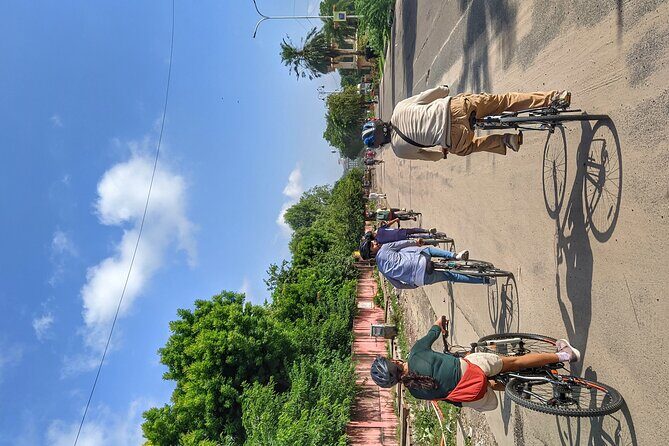
Jaipur’s famous for its monuments, sure. But what makes the city feel like Jaipur is the stuff between them: the corner shops, the school-day movement, the push-and-pull of narrow streets, and the way people actually use the sidewalks and chowks.
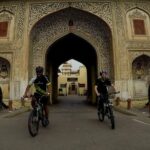
Cycling is the sweet spot because it’s fast enough to cover ground, but slow enough to notice details. You’ll spend time in the salmon-hued Pink City area, where the morning vibe can feel almost cinematic without needing a ticketed viewpoint every five minutes. And since you’re with a professional guide, you’re not just passing by—you’re learning what you’re looking at and why it matters.
This is also a nice way to dodge the “all-you-see-is-fort-plaza” loop that can happen in a place like Jaipur. On a bike, you’ll get a closer view of street life, including the kind of unpredictability that comes with living cities—think animals around lanes and busy foot traffic. It’s part of the charm, as long as you keep a calm grip and don’t treat the road like a smooth bike path.
You can also read our reviews of more cycling tours in Jaipur

Price and value: what you get for about $37
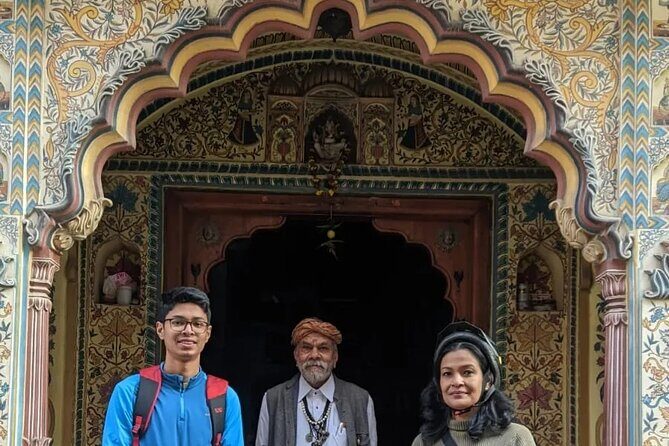
At around $37 for a 2–3 hour experience, the value is mostly about what’s included. You’re getting a local guide, breakfast, bottled water, coffee or tea, food sampling, and the use of a bicycle and helmet. For a short city outing, that bundle matters because it removes the usual add-ons: bike rental, guide time, and meal costs.
The main “not included” item is practical, not dramatic: there’s no hotel pickup or drop-off. So your real cost is time—getting to the start point near Ashok Chowk in Adarsh Nagar. If you’re already in central Jaipur (or you’re comfortable using public transport), that’s usually not a problem. If you’re staying far out, this can feel less convenient.
Also, because the tour is private for your group, you’re paying for access and routing, not just movement. You’re not stuck watching a fixed slideshow from the curb. You’ll be actively traveling with a guide who can slow down, explain, and point out what you’d likely miss on your own.
Meeting point near Ashok Chowk: plan to arrive on your own
The tour meets at Bikepacking India, 744 near Raj Printers, Ashok Chowk, Adarsh Nagar, Jaipur. The route ends back at the same meeting point, so you’re not trying to coordinate a mid-day pickup somewhere else.
Because hotel pickup and drop-off aren’t included, I’d treat this like a do-it-yourself transit moment. You’ll want to factor in a little buffer time to find the shop and check in. The good news is that it’s near public transportation, so you shouldn’t be stuck in a taxi-dependency spiral.
If you’re arriving from a hotel, bring the name of the shop and the area with you (Ashok Chowk / Adarsh Nagar). Once you’re there, the rest of the morning is handled—bike, helmet, water, and the guide’s plan.
The ride start at Fateh Tibba: from royal parade grounds to suburb streets
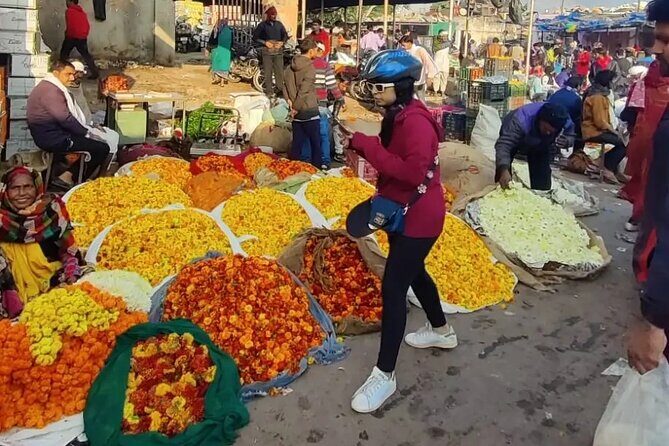
Your first stop is Fateh Tibba, just outside the old city. This area has a layered feel: it was once tied to the parade grounds of Jaipur’s royal army, and now it sits in what’s become a more developed suburb area (Adarsh Nagar is part of that story).
Even though the stop is short, it’s useful. It helps set the tone for the ride by connecting Jaipur’s older structures of power and movement to the city you’re actually cycling through today. You’re not just jumping straight into the Pink City photo zone. You’re getting a quick framework for what you’ll see next.
What to expect here is mostly orientation and context, not a long sightseeing detour. The time is tight for a reason: the tour is designed to keep you moving so you can enjoy the morning without burning out.
A small consideration: because you’re beginning near the old-city edge, roads can start feeling more lane-heavy quickly. Keep your first minutes easy—settle into the bike, check your comfort, and let the guide handle the trickier turns.
Govind Devji Temple: morning prayer plus a market-walk rhythm
The tour then stops at the Govind Devji Temple, and this is where the morning turns from “cycling tour” into “morning life.” You hop off your bike, take a short walk, and head toward a farmer’s market behind the market area.
The standout here is the chance to take part in a morning prayer ceremony. This is one of those moments where you’ll feel the city’s devotional rhythm in real time. It’s not just architecture. It’s people gathering with purpose.
There’s also a practical rhythm to this stop. Since you’re walking briefly before the prayer, your body gets a reset from riding. And because it’s morning, it tends to feel more human and less staged than later in the day when the crowds can thicken.
The drawback you should plan for: you’ll be moving through active spaces around the temple and market. That means you’ll want to stay attentive to your guide’s cues and keep your phone away until you’re in an appropriate moment. If you treat it like a respectful visit instead of a rapid-fire photo walk, you’ll enjoy it more.


Cycling the Pink City: salmon-hued lanes and a 40-minute reality check
Now you hit the heart of the experience: the Pink City section. This is the part the name promises, but it’s also more than the color. The ride time is about 40 minutes, which is long enough to feel the texture of the neighborhood without turning the outing into a long, tiring commute.
One reason bike time works so well here: you get a gentle exposure to street patterns. You’ll see how shopfronts face the lanes, where people pause, and how movement flows in tight spaces. It’s the kind of street-scene you’d never absorb from inside a car window.
You should also expect some “real city” conditions. Roads can be bumpy, and lanes can get crowded. From what I’ve learned about how this tour typically runs, the guide’s job is partly to keep you oriented and partly to help you navigate around the everyday surprises—animals in lanes, people crossing, and scooters mixing into the flow.
My practical tip: keep your speed comfortable and your braking smooth. In tight lanes, the best strategy is calm momentum, not sudden sprints. If you do that, the Pink City becomes a story you can feel, not just a backdrop you pass by.
Breakfast, coffee/tea, and food sampling that actually fit the morning
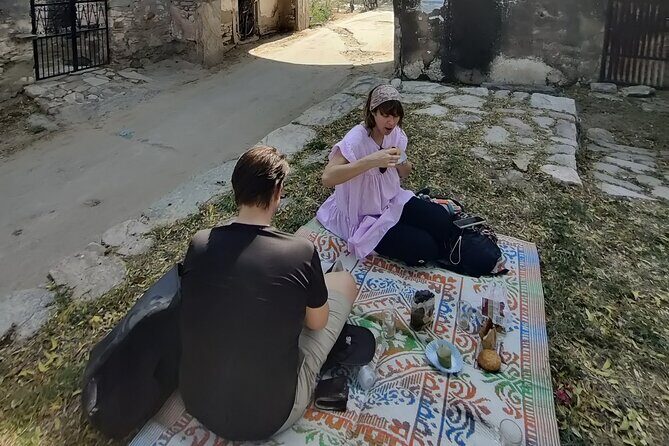
This tour is unusually smart about timing: breakfast is included, and you also get coffee and/or tea plus food sampling. That matters because cycling tours can easily become “ride first, eat later.” Here, the food shows up while your energy is high and before the day fully heats up.
You’re also not limited to one bite. Food sampling is meant to introduce you to local flavors as part of the route, not as a separate restaurant stop. It makes the morning feel connected—like you’re learning the city with your hands as well as your eyes.
What you might find during sampling depends on what’s available, but the overall goal stays the same: quick tastings that help you understand the city’s everyday food culture. If you like your travel grounded in simple routines (rather than only big sights), this part is a major win.
And yes, bottled water is included, which is a relief in a place where the sun can climb faster than you expect.
Private by design: how “only your group” changes the experience
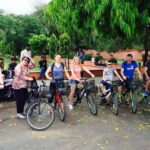
Even at a low price point, this tour is private for your group, meaning you won’t be merged into another unrelated group. For you, that usually translates into two practical benefits: you can ask questions without feeling like you’re holding up a big cluster, and the guide can adjust pace and attention to your comfort level.
It’s also a good structure for families and mixed groups. One example I’ve seen people talk about is bringing an 11-year-old and letting the child enjoy the lanes and little surprises while still keeping a controlled route. If your group includes anyone who gets impatient with long waits, a private format helps because the guide can keep the motion flowing.
The main consideration is flexibility. Private doesn’t automatically mean you can ignore the schedule, but it usually means you get less “tour herd” pressure. If you want to pause for a question or move slower on a bumpy stretch, you’re more likely to be accommodated.
Road conditions and comfort: the one drawback worth planning for
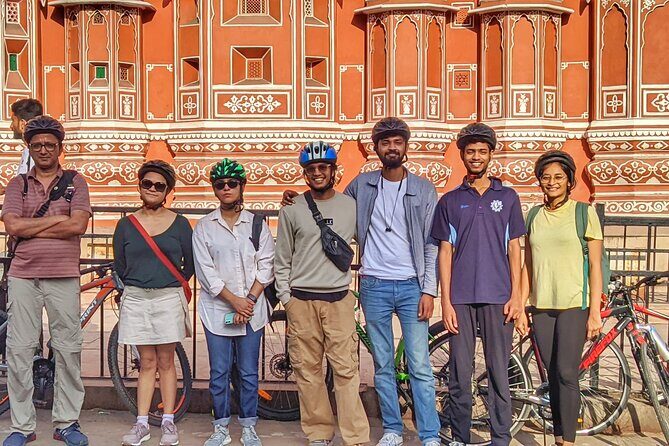
Let’s be honest: this isn’t a smooth-track ride. The streets can be bumpy and crowded at times. You’re cycling through real neighborhoods where pedestrians cross unpredictably and vehicles share space.
So the best way to prepare is mental, not medical. Wear comfortable shoes that give you control when you stop and walk briefly. Stay attentive when you get to narrower lanes. And don’t treat the helmet as symbolic—use it.
If you’re a confident cyclist and you can handle stop-and-go city riding, you’ll likely find this tour energizing. If you’re not comfortable in traffic, you might still enjoy the cultural stops, but you may feel stressed during the road segments. In that case, consider whether you want a slower pace or a different style of tour that reduces bike time.
Practical tips to get the most from your 2–3 hours
A short tour can either feel rushed or feel complete. This one has the ingredients to feel complete, as long as you show up ready.
- Arrive a little early so you can settle in before the first ride segment.
- Use the helmet properly and adjust it so it doesn’t shift when you move your head.
- Bring a water-aware mindset even though bottled water is included.
- Keep your hands free for changing speeds and negotiating tight lanes.
- Follow the guide’s signals during walking stops around the temple and market.
- Plan for photo moments, not nonstop filming when you’re near ceremonies and crowded areas.
If you do those things, the tour becomes exactly what it promises: a focused morning that blends cycling, worship, and street-level food culture without dragging on for half a day.
Should you book the Jaipur Cultural Cycling Tour?
I’d book it if you want Jaipur in motion. This is for you if you like the idea of the Pink City streets without getting stuck only in major tourist sights, and you want breakfast and food sampling built into the same morning plan.
I’d think twice if you hate bumpy roads or you’re anxious cycling in crowded, lane-heavy streets. The cultural stops are strong, but the ride segments are part of the point. For the right comfort level, it’s a smart, value-heavy way to spend a morning.
If your time in Jaipur is limited and you want a plan that feels local instead of checklist-ish, this one is an easy yes. Just make sure you can get to the meeting point near Ashok Chowk, bring your good sense of humor for the real streets, and let the guide steer your day.
FAQ
How long is the Jaipur Cultural Cycling Tour?
The tour runs about 2 to 3 hours.
What’s included in the price?
You’ll get a local guide, breakfast, food sampling, bottled water, coffee and/or tea, plus the use of a bicycle and helmet.
Do I need to bring my own bike or helmet?
No. Loaner bicycles and helmets are provided.
Where does the tour start and end?
The tour starts at Bikepacking India near Raj Printers, Ashok Chowk, Adarsh Nagar, Jaipur, and it ends back at the same meeting point.
Is the tour private?
Yes. It’s private for your group, so only your group participates.
Are admission tickets needed for the stops?
The itinerary lists admission ticket free for Fateh Tibba, the Govind Devji Temple stop, and the Pink City portion.