REVIEW · CITY TOURS
Jaipur Pink City Heritage Tour: Book By Car with Guide
Book on GetYourGuide →Operated by Nahargarh Travels · Bookable on GetYourGuide
One day in Jaipur, and you see the whole story. This guided heritage route strings together major forts and monuments plus a hands-on market stop, so planning feels easy. I especially love the mix of big-ticket sights like Amber Fort and the science stop at Jantar Mantar, and I also like that you’re driving between places in one organized flow.
One thing to consider: it’s a long day with a moderate amount of walking, and entry tickets are not included for several major sights. If you’re sensitive to crowds, heat, or steep steps inside forts, you’ll want comfortable shoes and smart pacing.
In This Review
- Key highlights worth your attention
- How the day feels: a guided route that actually makes sense
- Getting oriented at Albert Hall Museum
- Amber Fort: courtyards, Sheesh Mahal, and the easy way up
- Jaigarh Fort and Jaivana: cannon views with serious wow-factor
- Nahargarh Fort: Aravalli views and prime camera time
- Jal Mahal: the Water Palace photo break at Man Sagar Lake
- Gatore Ki Chhatriyan: royal cenotaphs with intricate detail
- City Palace: Rajasthani and Mughal design, plus museums
- Jantar Mantar: the world’s largest stone sundial
- Hawa Mahal: the iconic facade and why it matters
- Evening markets: Johari Bazaar or Bapu Bazaar shopping time
- Galtaji Temple (Monkey Temple): springs, temples, and city views
- Price and logistics: what $22 covers, and what it doesn’t
- What to pack and what to follow on-site
- Who this tour fits best
- Should you book this Jaipur Pink City heritage tour?
- FAQ
- What’s included in the tour price?
- Are entry fees included for the big attractions?
- How long is the tour?
- Where does pickup happen?
- What languages is the guide available in?
- Is flash photography allowed?
- Is the tour suitable for children or mobility needs?
Key highlights worth your attention
- Amber Fort with Sheesh Mahal (Mirror Palace): a top visual stop, with optional elephant ride or a jeep option to reach the fort area
- Jaigarh Fort views + Jaivana cannon: big panorama potential, plus the famous world-record-style cannon on wheels
- Nahargarh Fort photo time: perched on the Aravalli Hills, ideal for sweeping city photos
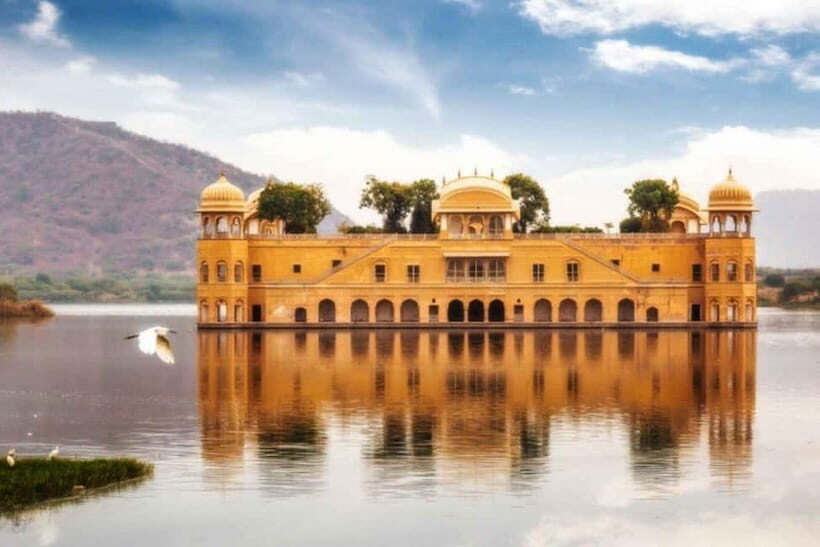
- Jal Mahal photo stop at Man Sagar Lake: quick, scenic break with an instantly recognizable landmark
- City Palace + museums: a blend of Rajasthani and Mughal design, with artifacts and royal collections on site
- Hawa Mahal and evening bazaar shopping: iconic facade for photos, then a practical window for jewelry, textiles, and handicrafts
How the day feels: a guided route that actually makes sense
This is a true “one-day circuit” tour. You’re not left to guess transit times or fight for tickets while trying to understand what you’re looking at; the guide connects the dots as you move from hilltop forts to palace courtyards and then into the old city’s shopping lanes.
You’ll also get a structured rhythm: short guided segments paired with photo stops, then longer guided visits at the places that need explanation. That matters in Jaipur because many sights feel visually similar from the outside—until someone tells you what to look for inside.
The tour runs in all weather conditions, so you’ll want to dress for the day you get. Bring water, sunscreen, and a hat, and plan for sun at open courtyards and fort viewpoints.
You can also read our reviews of more guided tours in Jaipur


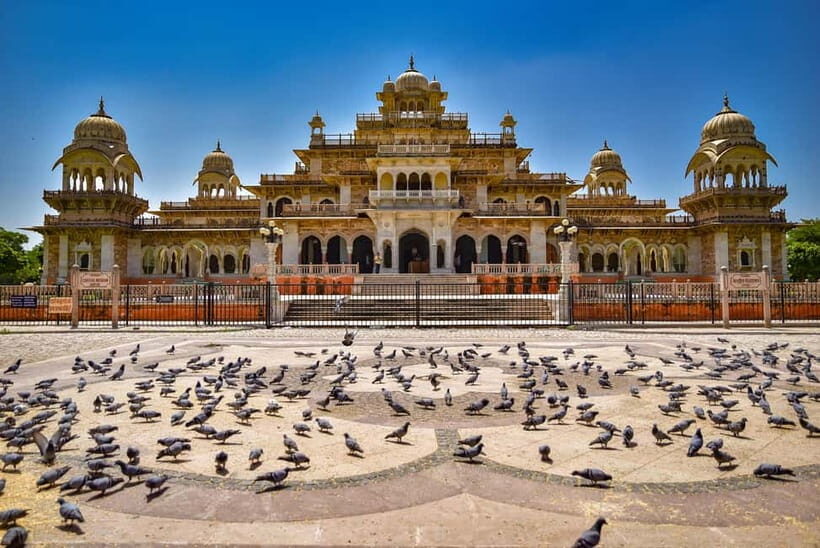
Getting oriented at Albert Hall Museum
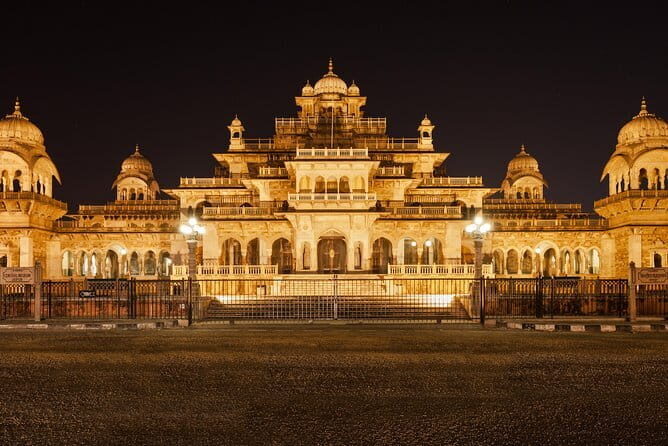
Starting your day near Albert Hall Museum is a smart move because it sets the tone for what comes next. The museum is the oldest in Rajasthan, and it’s housed in Indo-Saracenic architecture—so it already reflects the mix of styles you’ll see again in palaces and courtyards.
Once you’re inside, you can expect a guided overview of the collections on display, which helps the rest of the day click. Even if you’re not a museum person, having context before you hit Amber and City Palace makes those visits feel less like checkboxes.
Practical tip: if you’re aiming for photos, the building’s exterior and interior angles can be great, but keep an eye out for any on-site flash restrictions.
Amber Fort: courtyards, Sheesh Mahal, and the easy way up
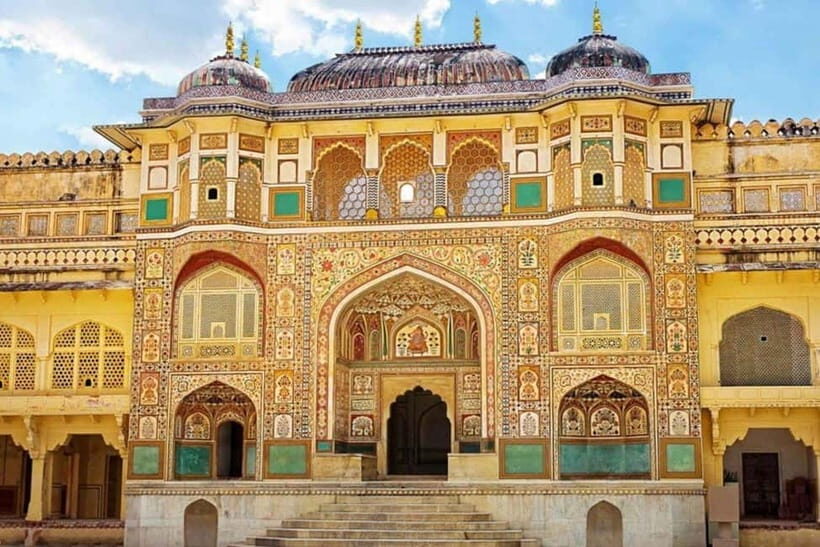
Amber Fort (Amer) is the headline, and you’ll feel it right away. This is a UNESCO World Heritage Site, and the day starts here with a guided visit focused on courtyards and palace spaces, including the famous Sheesh Mahal (Mirror Palace).
You’ll have options for getting to the fort: an optional elephant ride or a jeep transfer (depending on what’s available and how your tour is set up that day). If you don’t want the time and logistics of animal transport, the jeep option is often the simplest way to reach the main areas efficiently.
Where this stop really shines is how the guide explains the design choices. Mirror work, layout, and ornamentation aren’t just decoration—they’re part of how royal spaces created light and atmosphere.
One consideration: Amber includes stairs and uneven walking in parts. You’ll thank yourself for comfortable shoes, especially if you arrive with fatigue from the morning pickup and drive.
Jaigarh Fort and Jaivana: cannon views with serious wow-factor
Jaigarh Fort is close by and a great “second hit” after Amber. The reason people love it is the combination of panoramic views and the standout feature: the Jaivana cannon on wheels.
The cannon is a quick stop for photos, but the fort itself is worth the guided time. You’ll see how the fort’s position supports defense and control of the area, and the viewpoint makes sense of the wider geography around Jaipur.
If you’re someone who likes architecture and military history, this is where the tour gives you payoff without making the day feel purely ceremonial.
Nahargarh Fort: Aravalli views and prime camera time
Nahargarh Fort sits on the Aravalli Hills, and the payoff is the view of Jaipur spread out below. Expect photo stops and a guided walkthrough focused on the fort’s history and the setting.
It’s a strong choice for photography because you’re up high and you can frame the city from multiple angles as you move through the complex. If you care about lighting, plan your camera time around the late-day sun.
An especially memorable touch that can happen on some departures is extra timing for sunset. In one booked experience, the driver took guests up to Nahargarh by motorcycle for the evening views—proof that the tour can sometimes go beyond the basic schedule when timing allows.
You can also read our reviews of more city tours in Jaipur





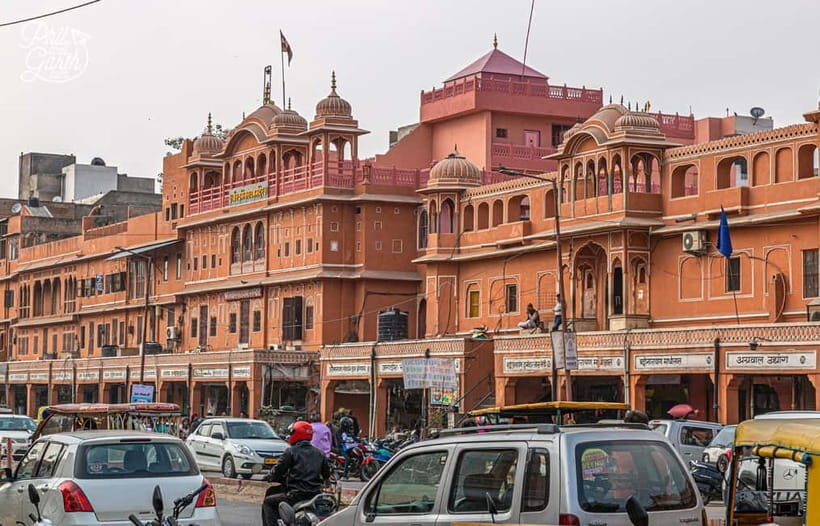
Jal Mahal: the Water Palace photo break at Man Sagar Lake
On the way back from the Amber area, there’s a stop at Jal Mahal (Water Palace) in Man Sagar Lake. This is not typically a long “stay and wander” stop, but it’s a useful palette cleanser between forts and palaces.
The main value here is photos and the quick scenic reset. You’ll get a moment to slow down, grab a couple shots, and then keep moving.
If you’re hoping for a full exploration, manage expectations: it’s positioned for views from the shore, and the tour treats it like a photo stop.
Gatore Ki Chhatriyan: royal cenotaphs with intricate detail
Gatore Ki Chhatriyan is one of those Jaipur sights that makes you pause, even if you only have a short visit window. These are royal cenotaphs—memorial structures—and the focus is on ornate architecture and the layered stories tied to royal lineages.
This stop is valuable because it shows another side of power beyond forts and palaces. You’re looking at remembrance, symbolism, and craftsmanship in stone, not just royal living.
If you like details, take a slow walk here. You’ll get more out of it by looking closely at carvings and proportions rather than rushing through.
City Palace: Rajasthani and Mughal design, plus museums
After lunch, the tour moves into City Palace, one of Jaipur’s most important royal complexes. It’s known for the blend of Rajasthani and Mughal architecture, so you’ll notice style shifts as you move between spaces.
Inside, you’ll also have time with museums and collections. Expect to see royal artifacts, costumes, and weapons as part of the guided visit. That museum angle matters: it turns City Palace from a pretty backdrop into a place where the royal world becomes more understandable.
One practical note: City Palace areas can include indoor corridors and exhibition rooms. If you want good photos, don’t assume they’re allowed everywhere—flash restrictions are common at heritage sites, so follow what’s posted on the day.
Jantar Mantar: the world’s largest stone sundial
Jantar Mantar is a UNESCO World Heritage Site, and it’s one of the most interesting stops for anyone who enjoys science or engineering—especially when a guide can explain how the instruments work.
You’ll see the world’s largest stone sundial and other astronomical tools. Even if you don’t plan to memorize the details, the guided walkthrough helps you read the site like a system rather than a collection of stone objects.
This is also a good place to get a break from heavy palace steps. It’s open-air for many parts, but the walking pace can feel different than climbing fort routes.
Hawa Mahal: the iconic facade and why it matters
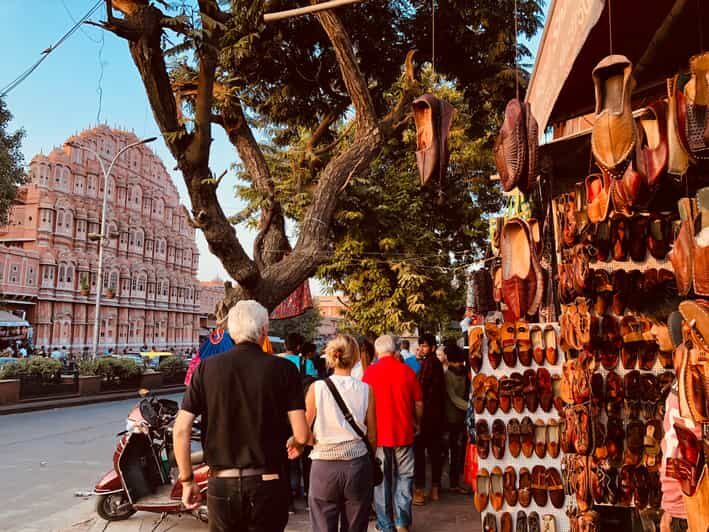
Hawa Mahal (Palace of Winds) closes the tour with a strong photo moment. The facade is instantly recognizable, and the guided explanation helps you understand its purpose beyond a postcard look.
This structure is designed to capture air flow and light, and that intent connects it to the broader logic of royal architecture across the day. You’re seeing how comfort, display, and design all fit together.
Practical tip: bring your camera and plan for quick framing shots. The tour includes a shorter guided segment here, so you’ll want to move with intent rather than wandering too long.
Evening markets: Johari Bazaar or Bapu Bazaar shopping time
After major monuments, you’ll get a chance to slow down and browse in the local markets—typically Johari Bazaar or Bapu Bazaar. This is the practical part of the day where you can pick up jewelry, textiles, and handicrafts.
I like markets after you’ve seen palace craftsmanship because you can compare the styles and level of detail. You’ll also shop with less stress since you’re not trying to plan where to go while still tired.
Tip if you’re shopping: set a rough budget before you start. Jaipur can be tempting, and the day already runs full-throttle, so you want to be decisive.
Galtaji Temple (Monkey Temple): springs, temples, and city views
Galtaji Temple, also known as the Monkey Temple, adds a different vibe. It’s a temple complex with natural springs and a large population of monkeys, plus it offers beautiful views over the city.
This stop works well late in the day because it feels more open and natural compared to palace interiors. Just keep your eyes on your belongings and follow guide instructions around animals—don’t treat it like a zoo visit.
The walking here is moderate, but you may encounter steps and uneven ground. Comfortable shoes pay off again.
Price and logistics: what $22 covers, and what it doesn’t
At $22 per person for a one-day guided heritage tour, the value is strong—mainly because you’re getting pickup and drop-off, transportation between multiple far-flung sites, expert local guiding, and a cultural performance with traditional Rajasthani dance.
The big catch: entry fees are not included for several key places like Amber Fort, City Palace, Hawa Mahal, Jantar Mantar, and Albert Hall Museum. So the total cost depends on how many of those you plan to enter.
In practice, this kind of tour tends to be best for people who want a guided route to major highlights and don’t want to spend time figuring out logistics. If you’re traveling with kids under 5, this tour isn’t suitable; if mobility is limited, you should confirm fit carefully because the tour information includes both wheelchair accessibility wording and also notes it may not suit wheelchair users or people with mobility impairments.
What to pack and what to follow on-site
Bring comfortable walking shoes, sunglasses, a hat, sunscreen, a camera, and water. You’ll also want to keep a light layer for sudden temperature changes, since the tour runs in all weather conditions.
Rules are straightforward:
- No smoking
- Flash photography is restricted in certain areas
Photography is allowed at most sites, but always follow posted signs and the guide’s instructions.
Who this tour fits best
This is a great match if you want to see major Jaipur icons in one day without organizing transit, guides, and timing yourself. It also suits you if you like having context while walking through palaces and forts—because Jantar Mantar and City Palace both benefit from guidance.
It’s less ideal if you’re hoping for a slow, laid-back day or if you need minimal walking. Also, if you’re sensitive to heat and crowds around popular forts, consider starting early when possible and taking shade breaks.
Should you book this Jaipur Pink City heritage tour?
If your priority is hitting Amber Fort, City Palace, Jantar Mantar, and Hawa Mahal in a single day with a guide who helps it all make sense, this tour is a solid pick for the price. You’ll also get the practical bonus of hotel pickup and drop-off in central Jaipur plus a market window for real shopping.
Skip (or confirm details) if you want entry fees fully included, need very low walking, or require strict wheelchair support. If those points don’t concern you, you’ll likely enjoy how the day connects royal life, fort defense, and Jaipur’s science-and-geometry side—without turning your vacation into a navigation project.
FAQ
What’s included in the tour price?
Pickup and drop-off from central Jaipur, a guided tour with expert local guides, transportation to and from the attractions, shopping time in Jaipur’s local markets, and a cultural performance with traditional Rajasthani dance.
Are entry fees included for the big attractions?
No. Entry fees are not included for places such as Amber Fort, City Palace, Hawa Mahal, Jantar Mantar, and Albert Hall Museum.
How long is the tour?
It’s a one-day tour (valid for 1 day from first activation).
Where does pickup happen?
Pickup and drop-off are only available from central Jaipur locations. You need to provide your pickup location in advance.
What languages is the guide available in?
The guide is available in English, Hindi, and other regional languages including German, French, Chinese, Japanese, Dutch, Hindi, Russian, and Spanish.
Is flash photography allowed?
Flash photography is restricted in certain areas, so you’ll need to follow on-site rules.
Is the tour suitable for children or mobility needs?
Children under 5 years are not suitable. The tour notes it’s wheelchair accessible, but it also says it’s not suitable for wheelchair users or people with mobility impairments, so it’s best to confirm before booking if mobility is a concern.