REVIEW · 3-DAY EXPERIENCES
Jaipur City- 3 Day Private Tour With Day-Trip To Pushkar
Book on Viator →Operated by Abby & Scout Tours · Bookable on Viator
Jaipur plus Pushkar, packed and personal. I like the private air-conditioned car that keeps you comfortable between sights, and I like having an English-speaking private guide to make the monuments click. It’s a tight route with real local flavor, from temple courtyards to old-market walking.
The main thing to plan for is that entry tickets aren’t included, and a couple of views are limited (Jal Mahal is described as a roadside look since it’s off public limits). Still, this is built to get you moving with skip-the-line help for tickets and enough time to see the big hitters without feeling like you’re sprinting alone.
In This Review
- Key highlights worth your time
- What makes this private Jaipur + Pushkar route work
- Day 1: Galtaji monkeys, Albert Hall, and Jaipur’s best sunset build-up
- Day 2: Stepwell calm, City Palace grandeur, Hawa Mahal wind, and Jantar Mantar science
- Day 3: Ajmer dargah, Pushkar lake ghats, and the Brahma temple
- Comfort, tickets, and timing: the practical part that saves headaches
- How much value you’re really getting for the price
- Who this tour suits best
- Should you book this Jaipur + Pushkar private tour?
- FAQ
- What is the duration of the Jaipur City 3 Day Private Tour with Pushkar?
- What does the tour price include?
- Are entrance tickets included for the monuments?
- Is there a day trip to another city?
- Does the tour include walking?
- What if I need to cancel close to the start date?
Key highlights worth your time
- Skip-the-line help for tickets so you spend more time looking, less time queuing
- Day 1 sunset at Nahargarh Fort with Jaipur’s lights and views
- Panna Meena ka Kund stepwell for a cooler, slower moment
- City Palace + Hawa Mahal + Jantar Mantar in one well-run day
- Ajmer dargah and Pushkar ghats for spiritual stops plus everyday life
- Included Lassi + hand block printing art session for tastes and a hands-on souvenir
What makes this private Jaipur + Pushkar route work
This is a 3-day plan that’s designed around one simple goal: cover the icons of Jaipur and Pushkar without losing the plot. You’ll start each day with hotel pickup and return by private car, so you’re not fighting traffic or figuring out transit after a full day of monuments.
The guide makes the difference. When you’re standing in front of something like Jantar Mantar, it helps to have a person explain what you’re actually looking at and how it was used. Same goes for City Palace and the courtyards around it, where the details matter more than a quick photo. And the pacing is practical—on Day 1 and Day 2, it runs roughly up to sunset, based on monument hours.
Here’s the value angle: at about $128.82 per person, you’re paying for a private guide, a private AC vehicle, and comfort touches like bottled water, snacks, and a soft drink in the car. Entry fees are separate, but the tour still tries to bundle the experience side—transport, timing, ticket logistics support, and local food moments—into one smoother package.
You can also read our reviews of more city tours in Jaipur

Day 1: Galtaji monkeys, Albert Hall, and Jaipur’s best sunset build-up
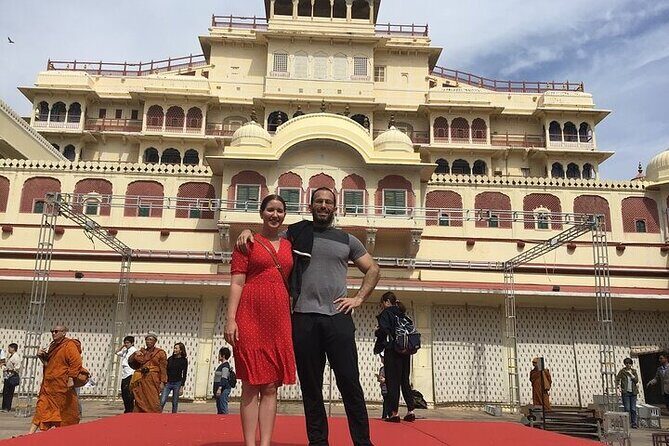
Day 1 is where Jaipur starts to feel real, fast—wildlife, museums, forts, and evening views. It’s also where you’ll notice the tour’s style: short stops that connect into one clear story of the city.
Monkey Temple (Galtaji)
This is an 18th-century temple complex set in a rough valley, famous for the monkeys that roam around freely. The big practical thing here is to expect them to be active and un-staged; you’ll want to watch your belongings and move calmly. If you’re the type who likes people-and-nature mix, this is a great opener because it’s not just architecture—it’s a living scene.
Albert Hall Museum
Albert Hall gives you context. It’s a museum stop that feels more like orientation than a long indoor lecture. In a short window (about 40 minutes), you’ll get a sense of how Jaipur presents itself and what parts of Rajasthan matter most in collections and display. If you’re museum-leaning, you’ll like the timing; if you’re not, treat it as a quick mental reset before forts and palaces.
Patrika Gate
Patrika Gate is a free photo-friendly breather. It’s not the kind of place you linger at for hours, but it’s useful for quick strolling and light city vibes. Think of it as a visual pause between the heavier historic stops.
Royal Gaitor Tumbas
These are royal tombs that feel like a history stop with a more personal scale. Plan for a calmer pace here—about 30 minutes works well. It’s the kind of place where you notice carved details more than crowds, which is nice after the monkey area.
Nahargarh Fort (sunset)
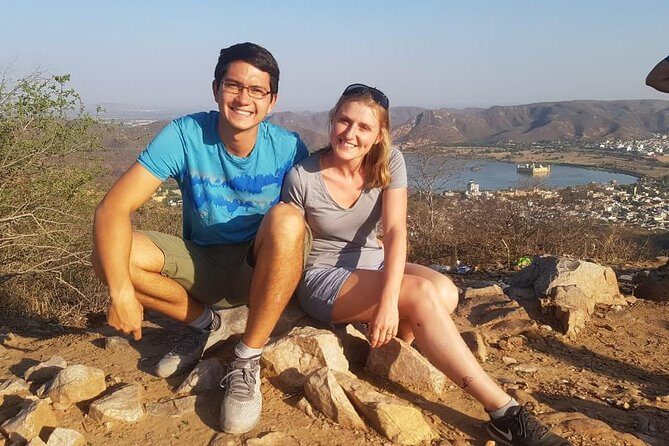
Nahargarh Fort is a payoff stop. You get about 1 hour 30 minutes, and the real reason to come is the sunset. This is one of those Jaipur moments where your photos look better because the air and light change in front of you. Even if you’re not chasing dramatic views, it’s a solid way to end Day 1 because the walk and the viewpoint do the work.
Jaipur District evening drive and market stroll
After dark, the city shifts. You’ll get a drive around lit-up areas and then some time around local markets. This is a good chance to pick up small souvenirs and snacks you can’t easily pack from home. It’s also a reminder that Jaipur isn’t just monuments—it’s daily life layered into the same streets.
Day 2: Stepwell calm, City Palace grandeur, Hawa Mahal wind, and Jantar Mantar science
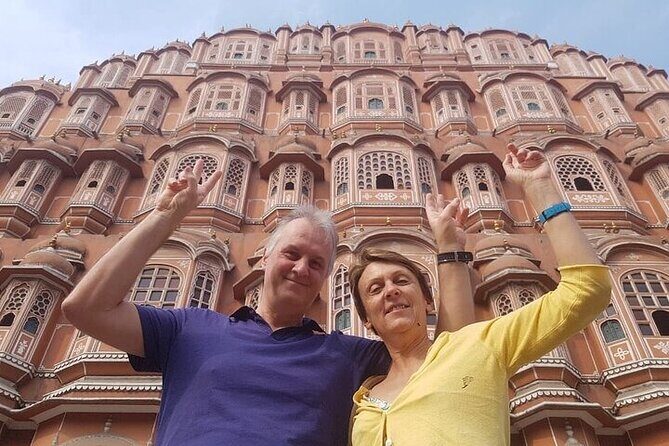
Day 2 is the big “Pink City core” day. You’ll move through a series of iconic landmarks, but the route is balanced with stops that slow you down—especially the stepwell and the more reflective temple moments.
Panna Meena ka Kund (stepwell)
This stepwell stop is a standout because it offers a different temperature and pace. You’ll spend around 30 minutes, and it’s described as a peaceful edge-of-the-stepwell moment where you can just watch the world go by. If you’re heat-sensitive, this is a smart middle-of-the-day reset.
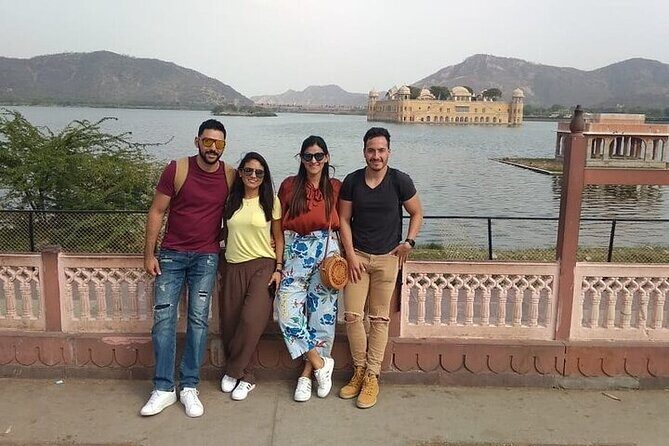
Jal Mahal (roadside view)
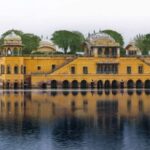
Jal Mahal is described as off public limits, so your time here is basically a road-side look. That means don’t expect a full visit or a long photo session from close range. Still, seeing it from the road gives you the silhouette and the idea of the architecture’s placement.
City Palace of Jaipur
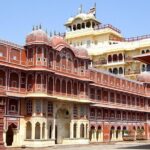
City Palace is where you get a sense of scale. You’ll see areas like Mubarak Mahal Courtyard and Pritam Chowk Courtyard, plus archways and facades that reward closer looking. The time is about 1 hour 30 minutes, which is enough to see the main highlights without rushing. This is also a place where a good guide helps you understand what you’re seeing—palaces are hard to read when you don’t know what each space was built for.
Hawa Mahal (Palace of Wind)
Hawa Mahal is the quick “wow” stop: 30 minutes. It’s known for its wind-related design, but it’s also visually striking because it’s built like a honeycomb of viewpoints. Don’t just photograph the outside—take a moment to look at how the structure creates repeating lines and small windows.
Jantar Mantar
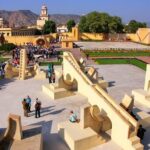
Jantar Mantar is about instruments and astronomy, not just pretty stone. Your stop is about 30 minutes, and it can feel abstract if you don’t have context. With the guide explaining what each instrument was meant to measure, it becomes more than a landmark—you start to see how measurement and architecture were built together.
Swargasuli Tower
This stop is shorter (about 30 minutes) and works like a familiar-feeling landmark in the middle of the day. It’s useful because it helps you break up the heavier palace-and-instrument stops with something more scenic and less structured.
Lassiwala (Kishan lal Govind Narain Agarwal)
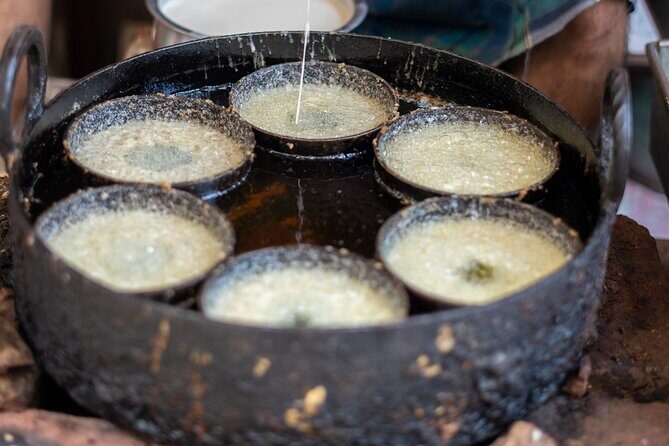
Now for the included comfort break: the famous lassi. This is one of those simple included moments that can make the day feel smoother. The listed stop gives you a named place to anchor the taste, and the drink break is timed well between the big sights.
Jagat Shiromani Ji Temple
This is a quieter, reflective stop with about 30 minutes. It’s not about big sightseeing energy; it’s about calm in the middle of a packed schedule. If you enjoy stepping away from the crowds for a few moments, this works.
Walking tour of old Jaipur city
The day finishes with a walking tour of old Jaipur for about 1 hour 30 minutes, focused on streets, courtyards, and havelis—places that don’t always get attention when you only chase monuments. This is where you can feel Jaipur as a lived-in city. Since it’s a walking segment, wear shoes you can manage on uneven ground.
Hand block printing art session
The tour also includes a hand block printing art session. Since it’s listed as included but not tied to a single named stop in the schedule details, I’d treat it as your optional “hands-on” creative break. It’s a practical souvenir option too—something you can bring home that’s not just a photo.
Day 3: Ajmer dargah, Pushkar lake ghats, and the Brahma temple
Day 3 is the change of pace day-trip. You’ll drive out to Ajmer first and then continue on to Pushkar, with long enough pauses to do more than tick boxes.
Khwaja Gharib Nawaz Dargah Sharif (Ajmer)
Start early if you can, and you’ll get more from the day. Your dargah visit is about 45 minutes, and it’s presented as the world-famous Sufi shrine of Khwaja Gharib Nawaz. The key here is respectful focus—this isn’t a place for rushing. Even in a short visit, the setting and atmosphere are the main event.
Pushkar
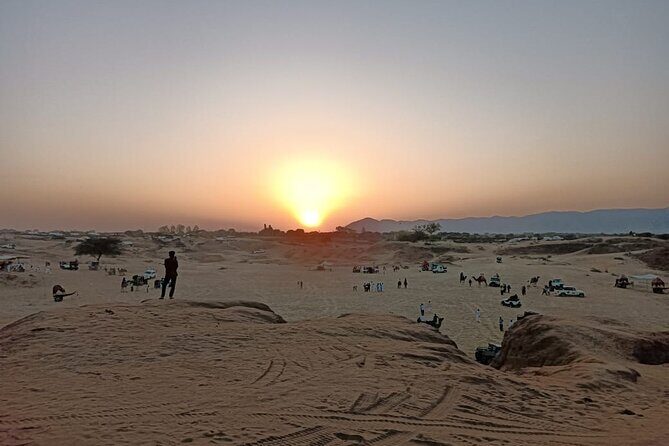
Pushkar is a small town by the desert edge, separated from it by Nag Pahar, the Snake Mountain. You only have about 15 minutes before the temple and lake time, but even that quick arrival gives you the sense of a slower town compared with Jaipur.
Brahma Temple
Pushkar’s Brahma Temple is a big religious draw and is noted as the only temple dedicated to Brahma worldwide (as stated in the tour description). Your visit is about 1 hour. If you like spiritual travel that’s not just sightseeing, this is one of the most meaningful stops in the whole 3 days.
Pushkar Lake + walking tour of ghats (about 4 hours)
This is the heart of Pushkar time. You’ll explore lively ghats and daily life around the water, plus you’ll spend real time on the ground rather than only standing at one viewpoint. The walking part is where the town becomes more than a list of religious sites.
Shree Savitri Mata Mandir + ropeway area (about 45 minutes)
This temple sits on a hillock about 3 kilometers from Pushkar and is listed as built in 1687 CE. The schedule mentions the Savitri Mata Ropeway, which likely means there’s an easy way to handle the hill logistics if you want that option. Keep expectations realistic: your stop time is about 45 minutes, so you’ll want to use it for photos and a focused visit, not an all-day climb.
Return to Jaipur
You’ll drive back to Jaipur (hotel/airport/rail station) for about 2 hours, letting the trip close with a practical finish rather than an awkward last-minute transfer.
Comfort, tickets, and timing: the practical part that saves headaches
A private tour only feels good when the details are handled. Here are the key ones that affect your day.
Private car and daily pickup/drop-off
Hotel pickup and drop-off are included each day, and all transfers and sightseeing are done by a private air-conditioned car. That matters on this route because you’re moving between Jaipur’s core, fort viewpoints, and then out of town for Ajmer and Pushkar. It also means you can stop for water and snacks without turning the schedule into chaos.
Food and included breaks
Bottled water, cookies, snacks, and a soft drink are in the car. Plus the lassi stop is included, which gives you a built-in local taste instead of forcing you to hunt for it.
Entry tickets are not included
You’ll pay monument entry fees separately, though your guide helps with skipping long ticket lines to buy tickets. For budget planning, treat tickets as an extra cost. Also note that video/still camera fees at the monuments are listed as not included.
How long each day feels
Day 1 and Day 2 run about 8 hours, and the schedule follows monument opening times up until sunset. That’s a good plan if you want maximum sightseeing without staying out into the late night. Day 3 is a long day-trip, but the exact duration beyond the listed stops isn’t specified, so expect a full day out.
You can also read our reviews of more private tours in Jaipur




How much value you’re really getting for the price
At $128.82 per person, this isn’t a budget street-stall tour. But it also isn’t only “nice-to-have.” You’re paying for the structure that makes Rajasthan easier: a private guide, private AC transport, comfort extras in the car, and included moments that are hard to replicate on your own without planning (like the lassi stop and the hand block printing session).
The extra costs are mostly transparent: entry tickets, plus camera fees if applicable, plus tips for the driver and guide (not included). If you’re traveling as a pair or small group, private-car value tends to improve because costs spread out.
If you’re the kind of traveler who hates waiting in ticket lines or wrestling with timing between monuments, this style of tour can feel like a bargain. If you don’t mind independence and you’re comfortable designing your own route, you may find cheaper options—but then you’ll be doing more planning and negotiating on your own.
Who this tour suits best
This tour is a strong fit if you want:
- A private experience with hotel pickup and return
- A route that hits the major Jaipur landmarks and then gives you a meaningful Pushkar day
- Guided context for places that can be confusing without explanations (like Jantar Mantar)
- Comfort built into the pacing: AC car, snacks, water, and short breaks
It’s also a solid choice for first-timers to Rajasthan who want the big icons plus at least one “real life” district experience through markets and ghats.
Should you book this Jaipur + Pushkar private tour?
I’d book it if your priority is efficiency with a guide, plus a Pushkar day that doesn’t feel rushed. The schedule balances monumental Jaipur with quieter stops like Panna Meena ka Kund and the temple/courtyard moments, and it finishes with sunset at Nahargarh and a ghats-focused Pushkar day.
I’d hesitate if you’re trying to keep costs ultra-low, because entry tickets aren’t included, and you’ll likely still pay camera fees depending on the monument rules. Also, if Jal Mahal close-up matters a lot to you, this version is explicitly more of a road-side view.
If you want a smooth, well-paced “best of Jaipur + spiritual Pushkar” plan with a private car and guide doing the hard work, this one is easy to recommend.
FAQ
What is the duration of the Jaipur City 3 Day Private Tour with Pushkar?
It runs for 3 days (approximately). Day 1 and Day 2 are about 8 hours each, following monument operating times until sunset.
What does the tour price include?
It includes hotel pickup and drop-off, private air-conditioned car transfers, an English-speaking private guide, parking and gasoline, bottled water, cookies, snacks, soft drink in the car, the included lassi drink, and a hand block printing art session.
Are entrance tickets included for the monuments?
No. Entry tickets are not included. Your guide can help you skip long lines to buy tickets, but you’ll still need to pay the monument entry fees.
Is there a day trip to another city?
Yes. Day 3 includes a day-trip that covers Ajmer and then Pushkar, including the dargah at Ajmer and the Brahma Temple and Pushkar Lake/ghats.
Does the tour include walking?
Yes. There’s a walking tour of old Jaipur city on Day 2 (about 1.5 hours) and a walking tour around Pushkar Lake/ghats on Day 3 (about 4 hours).
What if I need to cancel close to the start date?
Free cancellation is offered. You can cancel up to 24 hours in advance of the experience start time for a full refund. If you cancel less than 24 hours before, the amount paid will not be refunded.