REVIEW · JHALANA LEOPARD SAFARI
Jaipur: Jhalana Amagarh Leopard Safari Park Guided Tour
Book on GetYourGuide →Operated by Parikshit Tour and travels · Bookable on GetYourGuide
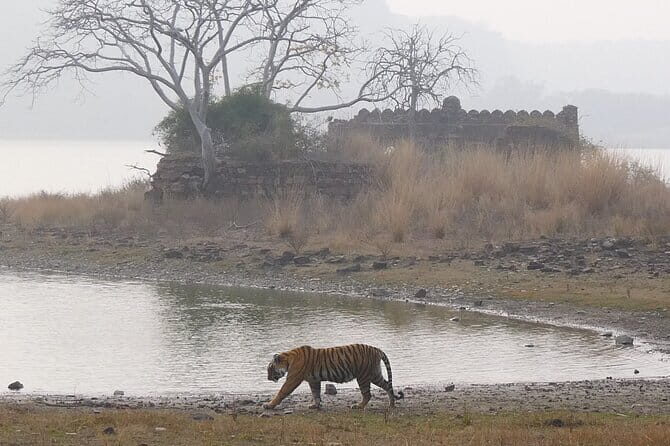
A leopard safari near Jaipur is a rare combo. Jhalana Amagarh is set up for conservation and education in wide-open reserve forest, so your guided drive feels closer to the real thing than a typical zoo visit. What makes it especially interesting is the park’s scale inside the Aravalli hills plus the chance to spot leopards along established tourism zones.
I especially like the focus on wildlife viewing with an English live guide, so you’re not just scanning trees—you’re learning what you’re looking at as jackals, nilgai, hyenas, jungle cats, and peacocks share the same space. I also like the park setup: it’s 23 square kilometers, with hundreds of animals representing wild counterparts, which means the outing stays active even when a leopard doesn’t pop out immediately.
One real drawback to plan around is that leopard sightings aren’t guaranteed, and there’s no refund if leopards aren’t seen. Add in the fact that safari start times can shift by 1–2 hours with the seasons, and you’ll want to keep your expectations flexible.
Key highlights to know before you go
- 23 sq km of Aravalli reserve forest: more room to roam than a small enclosure
- 30–35 leopards in the broader area, with 6–7 territories inside the tourism zone
- 500+ animals across species including jackals, nilgai, hyenas, jungle cats, and birds
- Two safari routes may be running depending on what’s open during your visit
- Big focus on behavior and quiet spotting: noise matters for sightings
- Binoculars and neutral clothing give you a better chance to see animals clearly
In This Review
- Jhalana Amagarh Is Why a Jaipur Safari Feels Different
- Where the Tour Starts: Amagarh Leopard Reserve and the Timing Reality
- 23 Square Kilometers: Why This Size Matters for Leopards
- What You’ll Actually Look For Besides Leopards
- The Guided Safari Experience: How the Guide Helps You See More
- Routes, Searching, and Why You Might Feel Like You’re Moving in Circles
- Leopard Sighting Chances: Patience, Quiet, and the No-Refund Reality
- Vehicle Comfort on Rough Roads (And a Motion-Sickness Tip)
- Price and Value: Is $36 Worth It?
- What Makes This Park a Good Choice for Conservation-Minded Visitors
- Practical Tips That Make Your Safari Day Smoother
- Who Should Book This Safari (and Who Should Not)
- The Real Decision: Should You Book Jhalana Amagarh?
- FAQ
- How long is the Jhalana Amagarh leopard safari?
- Where does the safari start and end?
- Is seeing a leopard guaranteed?
- What other animals might I spot besides leopards?
- What should I wear or bring for better wildlife viewing?
- Is hotel pickup included?
- Can I smoke during the safari?
- What if the safari can’t take place due to bad weather?
Jhalana Amagarh Is Why a Jaipur Safari Feels Different
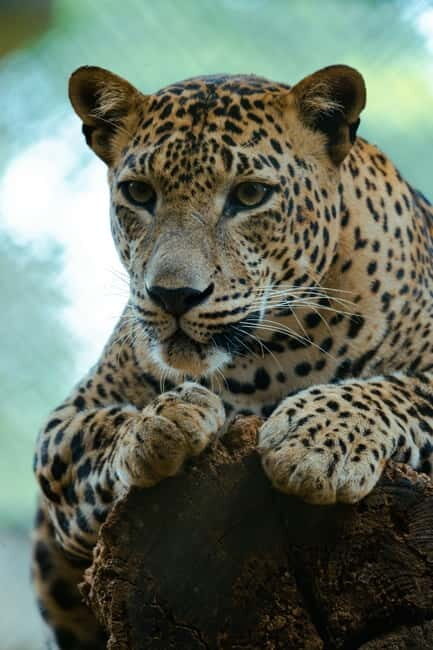
If you’re picturing a safari as something you’d have to fly far for, Jaipur’s Jhalana Amagarh Leopard Safari can surprise you. This is reserve forest habitat right around the city, run by the Government Forest Department, with a non-profit approach centered on conservation and education.
The payoff is the overall feeling: you’re moving through real terrain in a sharing safari vehicle, and your guide helps you read the habitat as you go. It’s not about lining up for a performance. It’s about spotting wild animals while the environment does its own thing.
Where the Tour Starts: Amagarh Leopard Reserve and the Timing Reality
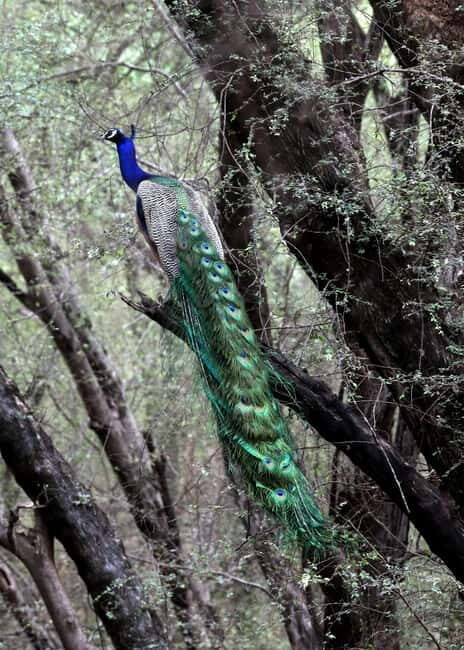
Your safari kicks off at Amagarh Leopard Reserve, then you spend about 2 to 2.5 hours out on the viewing route before returning to the same starting point. That time window is short enough that you’ll be actively looking most of the ride, which can be a plus if you don’t want a half-day commitment.
One practical detail: the start time can move by 1–2 hours depending on the season. That shift can throw off a tight itinerary, so build in breathing room. Also, if the safari can’t run due to bad weather, money isn’t refunded—so don’t plan something inflexible right after.
You can also read our reviews of more guided tours in Jaipur



23 Square Kilometers: Why This Size Matters for Leopards
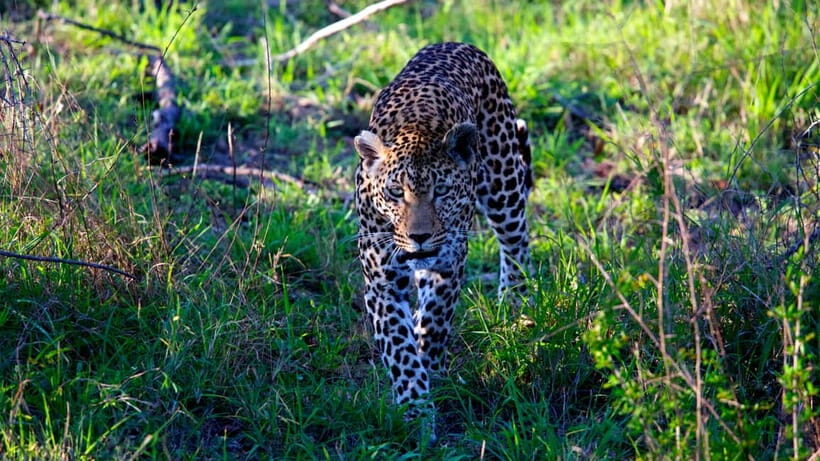
This park covers 23 square kilometers, and that scale is one reason people keep coming back. A leopard doesn’t follow a schedule, so more habitat means more chances for animals to be in places where they can be seen from the tourism areas.
You’ll also hear that there are 30–35 leopards in the broader area, with about 6–7 leopards’ territories inside the tourism zone. In plain terms: you’re not just hoping. The tourism area is mapped around where leopards live, so your sightings are about timing and positioning, not blind luck alone.
What You’ll Actually Look For Besides Leopards
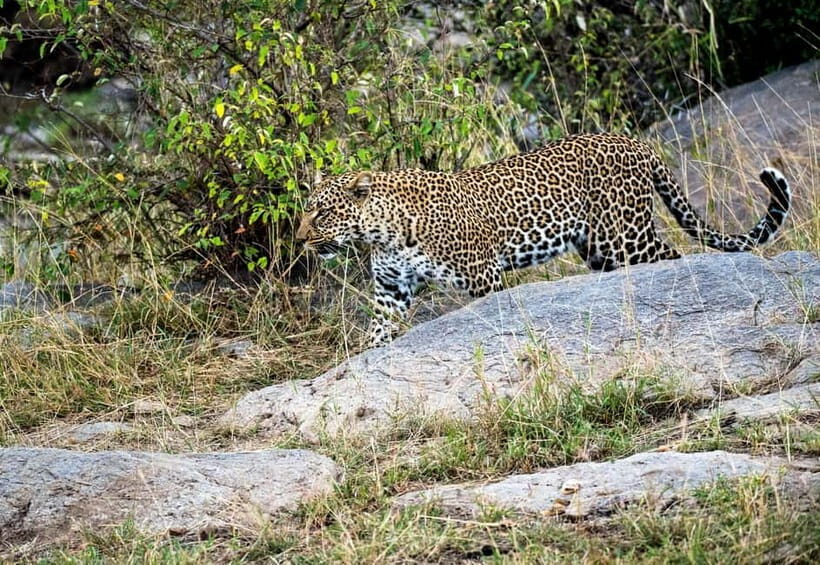
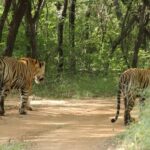
Leopards are the star, but the best safaris in Jhalana Amagarh stay interesting even when the leopard doesn’t show. The park is known for a varied mix of mammals and birds, including jackals, nilgai (blue bulls), hyenas, jungle cats, wild boars, spotted deer, and peacocks.
When your guide calls out movement or points to spoor-like hints (tracks, shapes, the right kind of shade), you start watching differently. Instead of scanning randomly, you look for animal rhythms: what the habitat offers at that moment—water sources, cover, and open sightlines.
And yes, you may notice birds a lot. If peacocks show up frequently, it’s because the habitat supports them year-round. That can still be a win: a good safari day isn’t only about the single big cat.
The Guided Safari Experience: How the Guide Helps You See More
This tour includes a live tour guide in English, and that matters. Wildlife viewing without context is mostly guesswork, and the whole point here is to learn how the ecosystem works in the Aravalli region around Jaipur.
You’ll likely get guidance on where to focus, how animals behave in open forest areas, and what makes a spotting more likely. In past experiences with guides and drivers, the big praise has been their knowledge and their skill on the routes—especially when they’re trying to get you to the right area quickly.
Also, keep expectations aligned with how wildlife tracking works. When there’s an alert, multiple vehicles can converge near the same spot. That can create crowding and shorter viewing windows, but the timing can be the difference between seeing nothing and seeing something fleeting.
Routes, Searching, and Why You Might Feel Like You’re Moving in Circles
Jhalana Amagarh’s safari has two routes that can be open depending on availability. That design helps spread tourism through different sections, but it can also mean you feel like you’re repeating areas if the route you’re assigned has shorter stretches or if roads limit movement.
This is where driver skill and local knowledge matter. The best-case scenario is that the guide adapts quickly to what’s happening that day—bird activity, signs of prey, or changes in animal movement. The tougher scenario is when visibility is poor or when animals stay hidden, and you end up spending more time repositioning than spotting.
If you’re sensitive to repetition, mentally prepare for the possibility that your drive could focus on a few zones more than you’d like. That doesn’t automatically mean it’s bad—it often reflects how wildlife behaves and what’s reachable within the safari vehicle rules.
You can also read our reviews of more tours and experiences in Jaipur

Leopard Sighting Chances: Patience, Quiet, and the No-Refund Reality
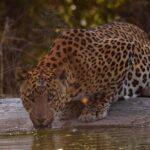
Let’s talk straight about the biggest safari truth: leopard sightings aren’t guaranteed, and the money won’t be refunded if you don’t see one. That’s not a “gotcha,” it’s the reality of reserve-forest wildlife.
What you can control is your behavior in the vehicle. You’re asked to keep noise levels low to improve your chances, and you’ll get better viewing if everyone follows that. Neutral-colored clothing helps too, since you don’t want to stand out against the natural tones.
Bring binoculars if you can. Even when animals are present, distance and the light under trees can make the difference between a vague shape and a clear view. Camera-wise, you can bring one, but avoid flash photography so you don’t disturb animals.
Vehicle Comfort on Rough Roads (And a Motion-Sickness Tip)
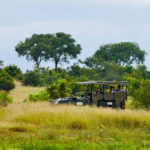
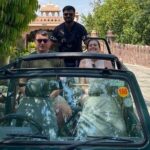
You’ll travel by a sharing safari vehicle. On this kind of route, the roads can be bumpy, and it’s smart to treat this like a “snack with caution” activity. If you’re prone to motion sickness, pack accordingly—especially since you’ll be focused on spotting rather than getting comfortable.
Also note who should skip the tour: it’s not suitable for people with back problems, and it’s not suitable for children under 8. Pregnant women are also not recommended. That’s about the vehicle movement and the nature of safari touring, not anything about how the guide runs the day.
Price and Value: Is $36 Worth It?
At about $36 per person for a roughly 2.5-hour guided safari, this isn’t priced like a luxury full-day expedition. For many visitors, that makes it a strong value because you’re paying for real reserve-forest time with a guide, not just a short drive with no instruction.
That said, value depends on your expectations. If your priority is a near-certain leopard encounter, no amount of good pricing fixes the core issue: wildlife sightings are unpredictable. If your priority is learning how to spot wildlife in a reserve habitat close to Jaipur, you’ll likely feel it was worth the cost—especially because the park’s habitat and species mix are active even beyond the big-cat moment.
One more nuance: there are options like private leopard safari (if chosen) and AC hotel pickup and drop (if you pick that private option). If you want comfort and a less crowded experience, that upgrade can matter more than the base price.
What Makes This Park a Good Choice for Conservation-Minded Visitors
Jhalana Amagarh is described as a recognized non-profit wildlife park with conservation and education goals. That purpose matters because it changes how the experience feels: it’s built around understanding animals and protecting the habitat instead of treating wildlife like entertainment.
The park also operates with the Government Forest Department, which adds an official layer to how the safaris are managed. You’re not only paying for a ride—you’re buying into a structured wildlife viewing system that aims to balance people and animals.
And you’re not just seeing leopards. The park’s history includes a reserve forest role around Jaipur, with resident and migratory birds showing up as seasons change. That seasonal rhythm is part of the reason wildlife safaris can stay fun even on repeat visits.
Practical Tips That Make Your Safari Day Smoother
These are small choices that help your chances and your comfort:
- Wear comfortable, neutral-colored clothing so you don’t stand out.
- Bring binoculars for better viewing at distance.
- Camera allowed, but no flash.
- Keep noise low in the vehicle.
- Avoid smoking during the safari.
Also, plan for documentation: you’ll be asked to send your passport for park entry after booking via WhatsApp or email. Do that early, or you risk slowing down arrival.
Who Should Book This Safari (and Who Should Not)
This tour fits best if you:
- Want a guided wildlife experience close to Jaipur
- Like the idea of spotting multiple species, not only one animal
- Are okay with wildlife unpredictability and flexible timing
It’s not a good match if you:
- Need mobility comfort (it’s not suitable for back problems)
- Travel with children under 8
- Are pregnant
- Want a strict schedule with no “start time may shift” buffer
The Real Decision: Should You Book Jhalana Amagarh?
I’d book it if you can handle a leopard-unpredictable day and you actually enjoy watching animals move through open forest. The species mix, the park’s 23-square-kilometer habitat, and the guided English commentary are the reasons this works.
I’d think twice if your main goal is a guaranteed leopard photo or if you’re very sensitive to rough-road comfort. If you do go, prepare smart: wear neutral colors, bring binoculars, keep quiet, and don’t plan anything too tight right after the safari.
If you want to boost your odds of a better experience, consider the private leopard safari option (when available), especially if you’ll feel stressed by crowds or prefer more comfort with the AC pickup and drop.
FAQ
How long is the Jhalana Amagarh leopard safari?
The safari duration is about 2 to 2.5 hours, with an overall listed duration of around 2.5 hours.
Where does the safari start and end?
It starts and ends at Amagarh Leopard Reserve.
Is seeing a leopard guaranteed?
No. There’s no refund if leopards are not seen.
What other animals might I spot besides leopards?
You may see jackals, nilgai, hyenas, jungle cats, peacocks, and other wildlife such as spotted deer, blue bulls, and wild boars, plus resident and migratory birds.
What should I wear or bring for better wildlife viewing?
Wear comfortable neutral-colored clothing. Bring binoculars for better viewing. You can bring a camera, but avoid flash photography.
Is hotel pickup included?
Hotel pickup and drop-off are included only if you choose the private option (with AC car). Otherwise, the tour includes transportation in a sharing safari vehicle, and hotel pickup/drop-off is not included.
Can I smoke during the safari?
No, smoking is not allowed.
What if the safari can’t take place due to bad weather?
Money will not be refunded if the safari cannot take place due to bad weather during the safari.