REVIEW · GOLDEN TRIANGLE TOURS
Explore Private Tour The Golden Triangle Done Differently
Book on Viator →Operated by Raju's Private Tours · Bookable on Viator
A trip to India is never one-size-fits-all. This private Golden Triangle is built around Raju’s pacing, so you can swap in the moments you actually want. I like that it mixes must-see icons with lesser-noted stops, and it keeps the day-to-day stress low with an expert driver and a steady plan.
What I love most is the human touch: Raju adjusts the route and timing based on your wishes, then handles the details that usually eat up your energy. The second big plus is the practical comfort factor, like a spotless clean car and driving that feels calm even when roads get hectic.
The main drawback to plan for is food: breakfast is included, but lunch and dinner aren’t. That means you’ll want to budget for meals most days and be ready to eat where Raju lines things up, sometimes in transit.
In This Review
- Key things that make this Golden Triangle work
- Why this Golden Triangle feels less like a checklist
- Arrival in Delhi: the pickup that helps everything else
- Delhi in two moods: calm gardens, big spiritual architecture
- Lodhi Garden: a well-kept city reset
- Lotus Temple: modern, welcoming, and designed for all
- Humayun’s Tomb: Mughal engineering you can actually feel
- Agra’s quieter persuasion: the “Baby Taj” and Black Taj stories
- Itimad-ud-Daulah: the so-called Baby Taj
- Black Taj (Tomb of Shah Nawaz Khan): myth versus truth
- Taj Mahal with the Diana Seat photo moment
- Fatehpur Sikri and an Abhaneri stepwell: the break from the main triangle
- Fatehpur Sikri: the Victory Gate and Jodha Bai’s Palace
- Abhaneri: an 8th-century stepwell you’ll remember
- Galtaji and Gaitore Ki Chhatriyan: Jaipur’s spiritual and royal sides
- Galtaji Temple (Monkey Temple): spring water into pools
- Gaitore Ki Chhatriyan: cenotaphs and royal memory
- Jaipur time built around your wishlist
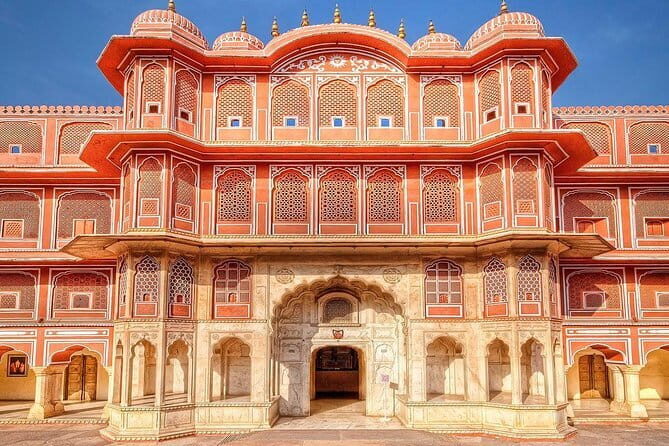
- City Palace, Water Palace at sunset, then Amber Fort
- City Palace of Jaipur: the core of royal life
- Water Palace: a royal summer retreat
- Amber Fort: ramparts, gates, and cobbled streets
- Back in Jaipur: shopping and relaxing time
- Day eight: breakfast, checkout, and an easy exit
- Price and value: what you’re paying for in a private tour
- Who this tour suits best
- Should you book this Golden Triangle done differently?
- FAQ
- How long is the Golden Triangle tour?
- Where does the tour start?
- Is pickup included?
- What’s included for meals?
- Are entrance tickets included?
- Is this a private tour?
- What fitness level is required?
- Can I get a refund if I cancel?
Key things that make this Golden Triangle work
- A private guide with real flexibility so your day doesn’t feel like a factory schedule
- Spotless clean car and safe, competent driving through Delhi and Rajasthan traffic
- Major Mughal sites plus quieter stops like Lodhi Garden and the “Black Taj” story
- Breakfast is included (7 mornings), while lunch and dinner are yours to choose
- A mix of admission-included and admission-free sights that helps you manage time and money
- Daily handoff support from pickup on arrival to airport or train transfer at the end
Why this Golden Triangle feels less like a checklist
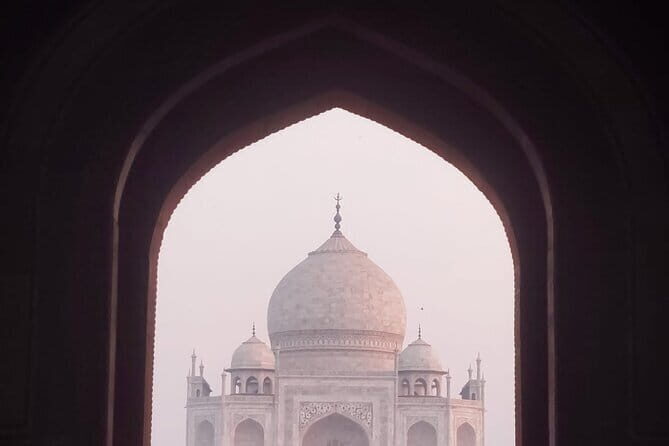
The Golden Triangle is famous for a reason: Delhi, Agra, and Jaipur put a lot of India’s big-name sights in one route. But most tours feel rigid. Here, the difference is the guide’s role. Raju’s approach is about making your trip fit your interests, not forcing your interests to fit the trip.
You’ll also notice the design of the days. It’s not just “sit, snap photos, move on.” There’s space to walk at a measured pace, pause for explanations, and absorb what you’re actually looking at. That matters at places like Humayun’s Tomb or the Taj Mahal, where timing and context can turn a photo into an understanding.
And yes, you still get the classics. You just get them with a guide who pays attention to what you want to see and how you want to experience it.
You can also read our reviews of more private tours in Jaipur



Arrival in Delhi: the pickup that helps everything else
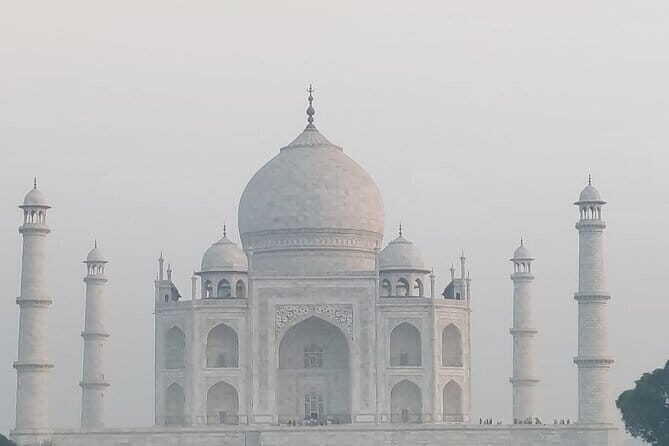
On day one, you’re met when you land. If you’re coming in from Australia in the evening, the plan is a pickup from the airport and a short drive to your Delhi accommodation. If you’re joining from another tour, you’ll coordinate a meeting point.
This kind of start does more than save time. It reduces the “first night scramble,” which is when most people feel most unsure. Once you’re settled, the trip feels like it’s already in motion.
Your Delhi base is listed as Red Fox as a minimum standard. If you want a step up, that can be negotiated. That’s worth noting because hotel level can change the feel of the whole trip, even if you’re mostly out sightseeing.
The tour also runs daily between 7:00 AM and 9:00 PM, so there’s flexibility for timing based on what fits your schedule best.
Delhi in two moods: calm gardens, big spiritual architecture
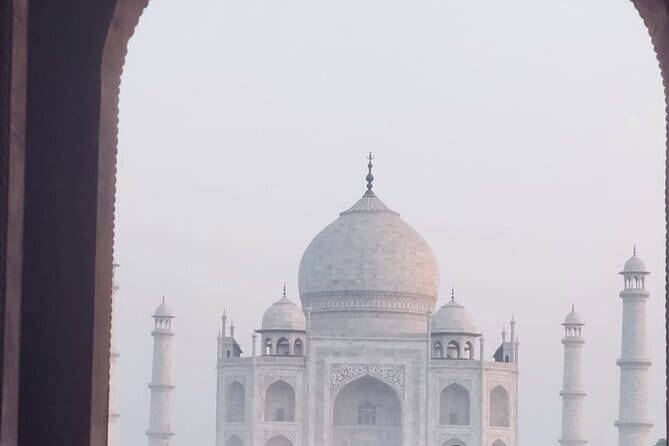
Delhi day two is built like a rhythm shift: green quiet first, then iconic monuments.
Lodhi Garden: a well-kept city reset
You’ll start at Lodhi Garden, a 90-acre green space in the middle of the city. The admission is free. I like stops like this because they help you get your bearings fast. You’re not fighting crowds right away, and your body has time to adjust after travel.
Practical tip: if you arrive with tight shoes or heavy layers, a garden start is where you’ll feel it. Comfortable walking footwear helps.
Lotus Temple: modern, welcoming, and designed for all
Next is the Lotus Temple, also known as the Bahá’í House of Worship. All faiths are welcome there, and the admission is included. The building’s lotus shape makes it an easy place to photograph, but it’s also a strong lesson in how architecture can feel inclusive.
Plan to take your time here. Even if you’ve seen pictures, seeing it in person changes the scale.






Humayun’s Tomb: Mughal engineering you can actually feel
Then comes Humayun’s Tomb. Admission is included, and the tomb’s story is tied to the second Mughal emperor, built in the 1500s by his widow. You’ll see red sandstone and marble, and it’s noted as an engineering masterpiece for its time.
What I like about starting with Humayun’s Tomb is that it gives you a foundation for the big monuments later. You’ll start recognizing stylistic ideas that repeat in Agra.
Agra’s quieter persuasion: the “Baby Taj” and Black Taj stories
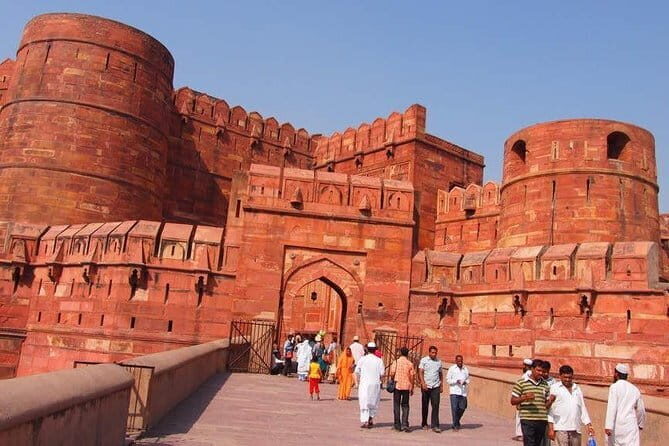
Days three and four focus on Agra area sights, including two standout tomb experiences that don’t get as much attention as the Taj Mahal.
Itimad-ud-Daulah: the so-called Baby Taj
On day three you visit Itimad-ud-Daulah, often called the Baby Taj. Admission is included. It was built at the request of his widow in 1626–28 and made from marble, with carved details noted as especially impressive.
If the Taj Mahal feels like the headline, this is the opening scene. I love places like this because they reward close looking. If you enjoy carvings and stonework, you’ll feel more satisfaction here than you might expect.
Black Taj (Tomb of Shah Nawaz Khan): myth versus truth
Right after, you go to the Tomb of Shah Nawaz Khan, nicknamed the Black Taj. It’s across the river from the Taj Mahal, and the admission is included. The key here is the storytelling: you’ll hear both myth and truth, and then you can decide what you think is real.
This is one of those experiences that’s more fun with an engaged guide. It turns a tomb visit into a conversation, not a stop-and-go.
Taj Mahal with the Diana Seat photo moment
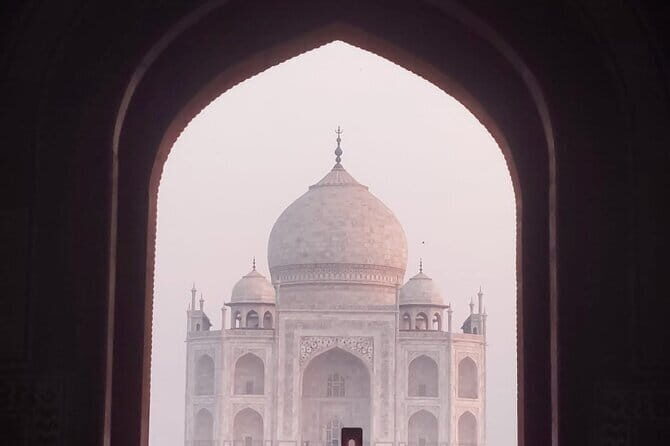
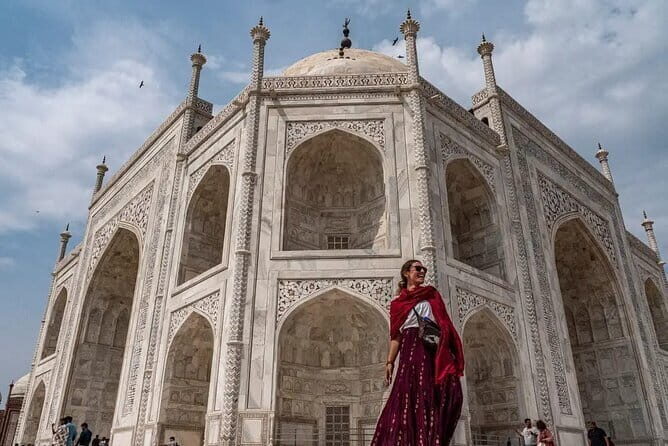
Day four is centered on the Taj Mahal, with admission included. The tour notes a photo moment on the Diana seat, then time to enjoy the monument.
The Taj Mahal is described as commissioned by Emperor Shah Jahan for his favourite wife Mumtaz Mahal (his second wife). That family backstory can change how you view the structure. It’s not just a famous building; it’s designed to communicate devotion through scale and detail.
A practical note: you’ll want to pace yourself. Even if you’re excited, take breaks when you feel it. The Taj is huge and the walking adds up.
Fatehpur Sikri and an Abhaneri stepwell: the break from the main triangle
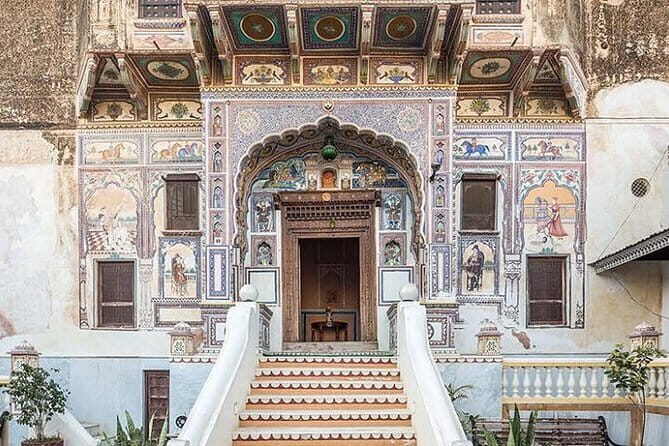
One of the best things about this tour is the willingness to go beyond the obvious three-city circuit.
Fatehpur Sikri: the Victory Gate and Jodha Bai’s Palace
On day five you visit Fatehpur Sikri, including the Victory Gate commissioned after victory in Gujarat in the late 1500s. Admission is free for that stop. Then you’ll see Jodha Bai’s Palace, the largest palace in Fatehpur Sikri, built in 1569 and described as a fusion of Hindu and Persian architecture. Admission is included.
This combination matters. The gate gives you the public-story scale, while the palace gives you an architectural lesson. Together, they make Fatehpur Sikri feel like a living place rather than an outdoor museum.
Abhaneri: an 8th-century stepwell you’ll remember
Then you head to Abhaneri, stopping at an 8th-century stepwell. Admission is free. Even with only 30 minutes listed, stepwells tend to stick in your mind because they’re functional, artistic, and visually striking.
If you like structures that show how people solved real-life problems, this is the kind of stop you’ll appreciate.
Galtaji and Gaitore Ki Chhatriyan: Jaipur’s spiritual and royal sides
Day six shifts into Rajasthan with Jaipur area sights that are both meaningful and atmospheric.
Galtaji Temple (Monkey Temple): spring water into pools
You’ll visit Galtaji Temple, also called the Monkey Temple. Admission is included. The site is described as spring water flowing through narrow crevices into pools or tanks where pilgrims bathe. Temples honour the sacred water flow.
This is one of those locations where the setting is part of the point. You’re not only looking at a building. You’re watching a living tradition tied to water.
Gaitore Ki Chhatriyan: cenotaphs and royal memory
Next is Gaitore Ki Chhatriyan, the cenotaphs for royal kings and queens of Jaipur. Admission is included, and you’ll spend about an hour.
These cenotaphs don’t demand the same attention as the biggest forts, but they give you emotional context. It’s a softer, more reflective stop before the major Jaipur sights.
Jaipur time built around your wishlist
The afternoon includes Jaipur time focused on finding hidden things and shaping your wish list for special take-home items or seeing something you’ve been hoping to find. Admission is free for this segment, and it’s designed to connect your shopping or curiosity with the guide’s on-the-ground know-how.
This is where you can get the most value if you’re specific. If there’s a style of craft you’re hunting or a type of food you want to try, bring it up early.
City Palace, Water Palace at sunset, then Amber Fort
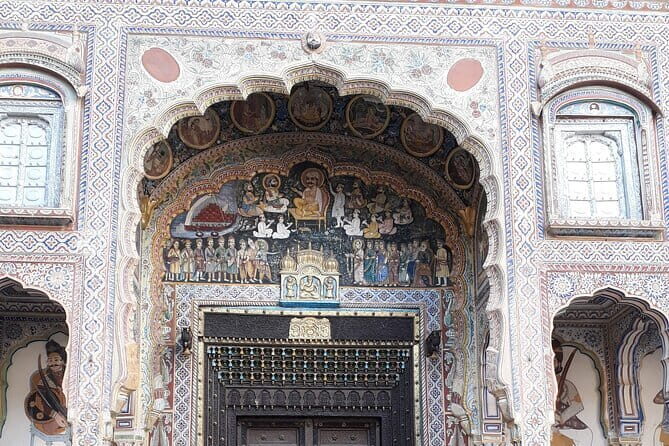
Days six and seven keep Jaipur moving, but in a way that layers the city instead of repeating it.
City Palace of Jaipur: the core of royal life
On day seven you visit the City Palace of Jaipur with admission included. It’s listed as about two hours. The palace is described as beautiful, and it’s a good anchor stop because it helps you understand Jaipur’s royal story in one place.
Water Palace: a royal summer retreat
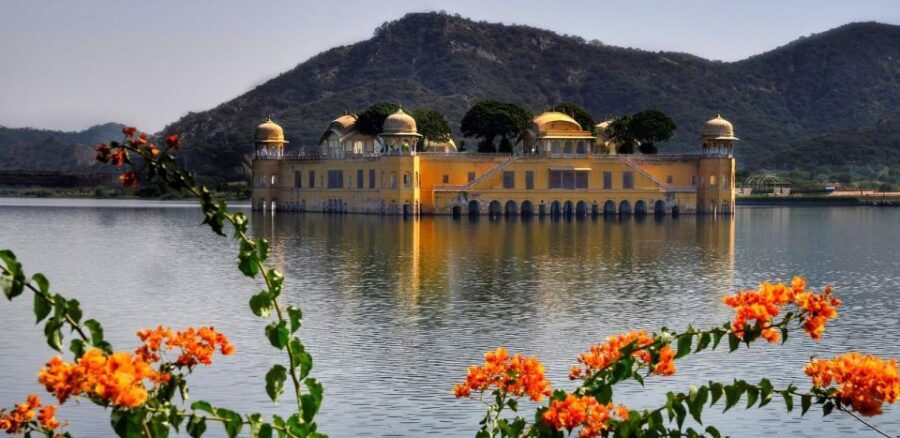
Next is the Water Palace, also described as the summer residence for the Jaipur royal family. You can see it while having lunch or watching the sunset, depending on timing. Admission details aren’t explicitly listed for this segment, but the tour presents it as a key moment.
Sunset is a smart choice here because the light shifts how stone and colours feel. Even if you’re not a sunset person, this is an easy way to make the day feel softer.
Amber Fort: ramparts, gates, and cobbled streets
Then comes Amber Fort with admission included. The description focuses on large ramparts, several gates, and cobbled streets.
Amber Fort can feel like a mini city. If you walk slowly and use the guide’s explanations, you’ll get more out of it than just the view. Wear shoes you trust, because cobbles can be slippery when you least expect it.
Back in Jaipur: shopping and relaxing time
The day wraps with Jaipur time for shopping and relaxing, about three hours. Admission is free here. That’s useful because it gives you control over what happens next instead of forcing you into another structured stop.
Day eight: breakfast, checkout, and an easy exit
On day eight, you’ll have time for a leisurely breakfast and check out ready for your journey home or onto your next adventure. The tour then offers to take you to the airport or train.
I like that the end isn’t rushed. After eight days, you’ll appreciate having a buffer instead of racing to the last photo.
Price and value: what you’re paying for in a private tour
At $224.71 per person for an 8-day private experience, you’re mostly paying for two things: guided interpretation and transportation with a driver.
This isn’t a “stand there and read a sign” kind of tour. The value shows up in the details: pickups that reduce stress, a private format that stays flexible for your wishes, and a guide who can organize and recommend around the day.
Food is the one cost you’ll carry on top. Breakfast is included (7 mornings), while lunch and dinner are not included. Lunch is handled either in transit or at a local venue selected for you, so you’re not totally on your own, but you should still budget for it.
A smart way to think about value: if you’re the kind of person who enjoys explanations, wants smooth logistics, and values feeling safe in traffic, this price starts to look fair.
Who this tour suits best
I’d aim this tour at you if:
- you want private touring and don’t want to share attention with strangers
- you like a mix of major landmarks and less-famous stops
- you value a guide’s flexibility, not a rigid schedule
- you prefer transportation and planning handled for you
I’d think twice if:
- you’re on a super tight food budget, since lunch and dinner aren’t included
- you don’t handle some walking and temple steps well (the tour asks for moderate physical fitness)
Should you book this Golden Triangle done differently?
If your goal is to see Delhi, Agra, and Jaipur without the usual stress, I think you should strongly consider booking. The big reason is the guide-led, private feel: Raju’s driving is described as excellent and safe, the car is spotless, and the whole trip is shaped around your wants rather than a fixed script.
Book it if you like being guided through stories and details, and if you’re comfortable budgeting for lunch and dinner. If you want a tour that hands you a plan and then watches you follow it, this may feel too flexible in the best way.
If you’re excited to go beyond the obvious photo stops, you’ll likely get your money’s worth fast.
FAQ
How long is the Golden Triangle tour?
It’s listed as 8 days (approx.).
Where does the tour start?
The tour includes pickup in New Delhi. On arrival days, Raju collects you from the airport if needed.
Is pickup included?
Yes. Pickup is offered, including airport collection on day one.
What’s included for meals?
Breakfast is included for 7 days. Lunch and dinner are not included.
Are entrance tickets included?
Many major stops show admission as included, while others are free. Tickets vary by site across the route.
Is this a private tour?
Yes, it’s private, and only your group participates.
What fitness level is required?
The tour notes a moderate physical fitness level.
Can I get a refund if I cancel?
You can cancel for free up to 24 hours in advance for a full refund. If you cancel less than 24 hours before the experience start time, no refund is provided.