REVIEW · COOKING CLASSES
Best cooking class with family in Jaipur – Activity in jaipur
Book on Viator →Operated by Manju Cooking Classes · Bookable on Viator
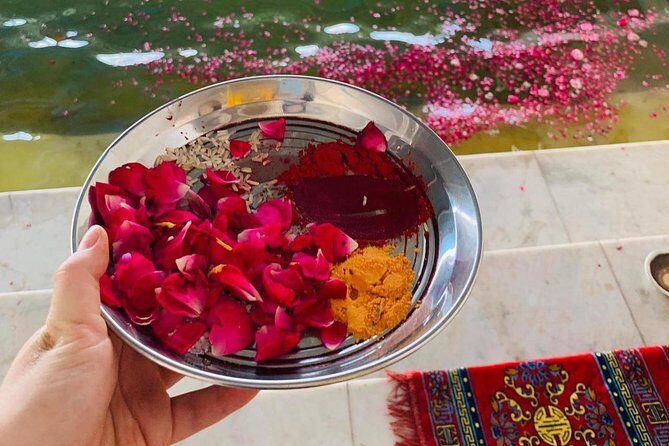
Saffron on your hands in Jaipur. This family-run cooking class with Manju Cooking Classes turns a simple meal into a hands-on Indian cooking session, with cultural touches like Indian dress and Rajasthani dance at the end. You get to choose what you cook, learn the how and why, then sit down together to enjoy it.
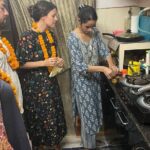
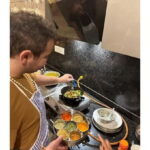
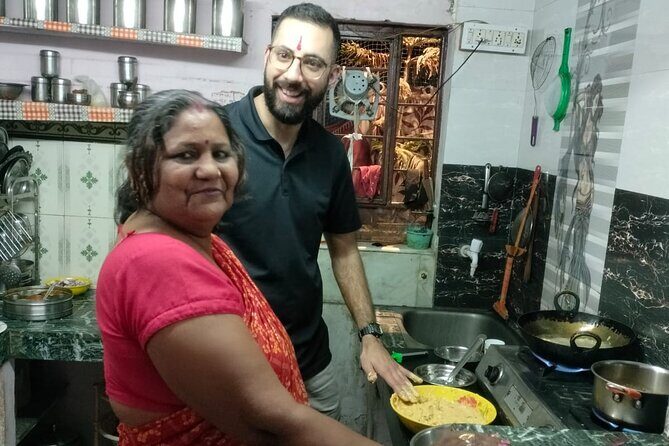
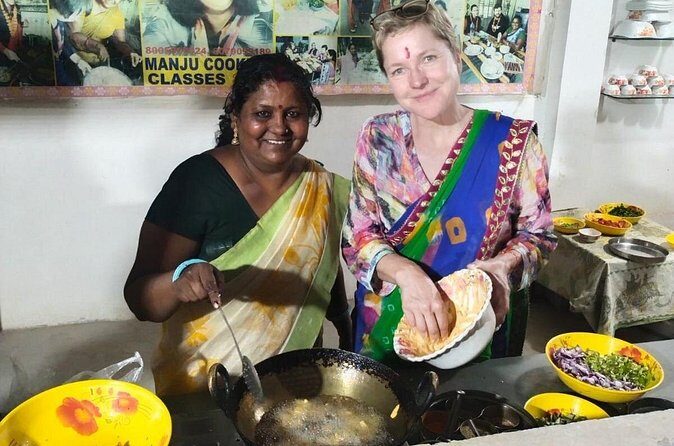
What I love most is the way the class feels personal: you’re welcomed in the traditional style, then dressed according to gender before you head toward the kitchen. I also really liked how practical the instruction is, because you’re not just watching—you’re actively cooking items like daal and chapati while the family explains what’s happening with spices and technique.
One consideration: this is a home-style, interactive experience, so it runs more like a family gathering than a quiet, studio class. If you want a strictly timed, impersonal setup, you might prefer a different format.
In This Review
- Key things that make this class worth your time
- A Jaipur Welcome Before You Touch the Spices
- Pick Your Menu and Learn Like a Family Member
- Classic Dishes in a 3-Hour Cooking Lesson
- Eating Together: Your Dinner, Your Work
- Rajasthani Dance After the Meal
- Price, Pickup, and Small-Group Size
- Tips Before You Go (So You Get the Full Benefit)
- Who This Class Is Best For (And Who Might Prefer Something Else)
- FAQ
- How long is the cooking class in Jaipur?
- How much does the experience cost per person?
- Is pickup offered for this cooking class?
- Do you choose what dishes you cook?
- What happens at the start regarding welcome and dress?
- Are refreshments included?
- Do you get to eat the dishes you cook?
- Is there Rajasthani dance as part of the experience?
- Is there a maximum group size?
- Can I bring a service animal, and is it near public transportation?
- What is the cancellation policy?
- Should You Book Manju Cooking Classes in Jaipur?
Key things that make this class worth your time
- Welcome first, then cooking: You start with a traditional welcome and get Indian dress based on gender.
- You choose your menu: A menu is provided, and you decide what to cook.
- Family instruction: Manju Cooking Classes runs it as a family effort, so questions don’t get lost.
- Fresh ingredients and classic dishes: Expect spice-forward Indian cooking using fresh produce and spices.
- Meal included at the end: You enjoy the Indian food together after cooking.
- Rajasthani dance added: They set up a space for Rajasthani dance, so the cultural part feels built-in, not tacked on.
A Jaipur Welcome Before You Touch the Spices
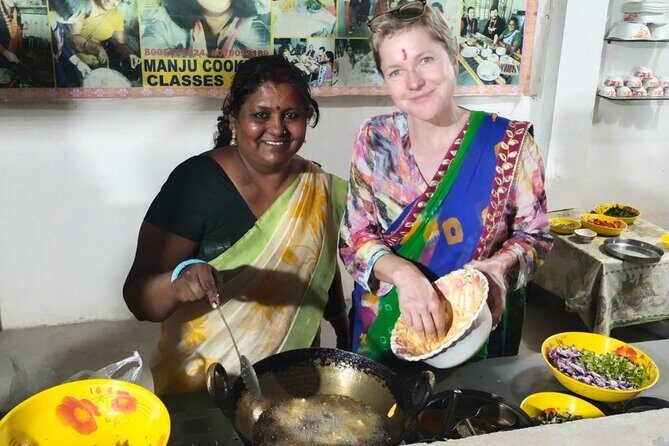
The best part starts before any food hits the pan. You’ll begin with an Indian tradition welcome, the kind that makes you feel like you’ve been brought into someone’s home, not only signed up for an activity. Then they provide Indian dress according to gender, so you’re dressed for the moment and ready to move comfortably into the cooking space.
A couple of practical notes help here. Dress is part of the experience, but you can still keep things simple by wearing clothing you’re okay with getting a little kitchen-touch on. Also, go with the mindset that you’ll be standing, mixing, tasting, and learning—this isn’t a sit-and-watch class.
You can also read our reviews of more cooking classes in Jaipur

Pick Your Menu and Learn Like a Family Member
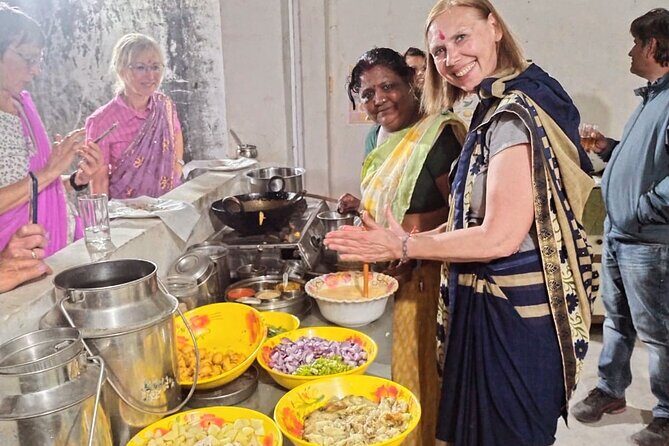
What sets this class apart is that you’re given a menu and allowed to choose what you want to cook. That matters because it helps you steer the experience toward your tastes and confidence level. Want something familiar like chapati and dal? You can. Want a more specific set of Indian dishes? You can decide within what’s offered.
Then comes the teaching. You’ll get instruction on how to cook Indian food, and they share the stories and traditions tied to each dish. That makes a difference for your memory. Instead of only learning steps, you learn what the dish is trying to do—like balancing flavor, texture, and spice in a way that makes it taste right every time.
One more detail I appreciate: refreshments are included early on. You’re not arriving to a cold start, so you can settle in, look over your menu, and get ready to cook without feeling rushed.
And yes, this is where the family vibe really shows. In the sessions described, Manju and her family are actively involved in teaching and hosting, and Ekta is mentioned as a helpful guide alongside Manju. That kind of “multiple people helping” setup is ideal when you’re new—if one explanation doesn’t fully land, you often get a second chance right away.
Classic Dishes in a 3-Hour Cooking Lesson
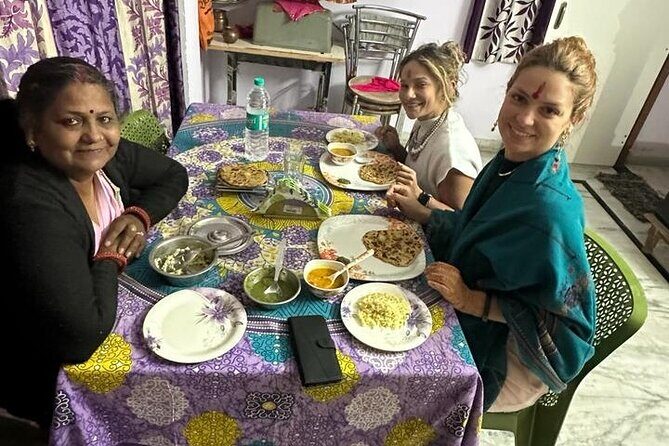
This is a 3-hour experience, so the class is built for momentum. You’ll move from prep to cooking while staying focused on a doable set of dishes. That’s exactly what you want when you’re trying to learn Indian cooking without losing the thread.
While your final menu depends on what you choose, the dishes people talk about most include classics like:
- Paneer butter masala
- Chapati
- Daal (and other dal-style dishes)
- Paneer chilla
- Mix dal
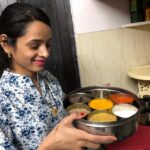
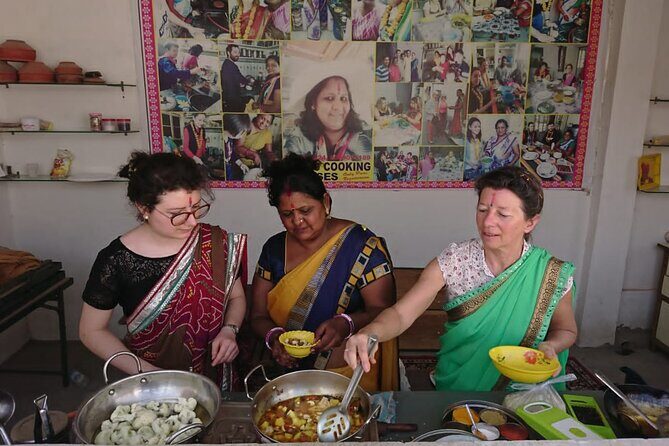
If you’re wondering what the learning actually looks like, it’s mostly hands-on technique. You’ll practice key basics such as making or shaping breads like chapati, and working with lentils for daal-style dishes. You’ll also learn how spices and ingredients fit together, not just which ones to add.
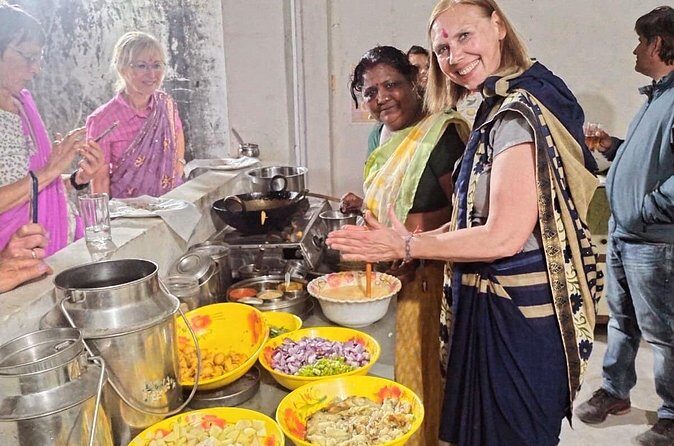
One practical advantage of cooking in a group of up to 20 is that you can usually get support without feeling like you’re waiting forever. And because the experience includes tasting and eating at the end, you get fast feedback. If your daal tastes different than expected, you’re still in time to adjust for the next step—or at least learn why it changed.
Eating Together: Your Dinner, Your Work
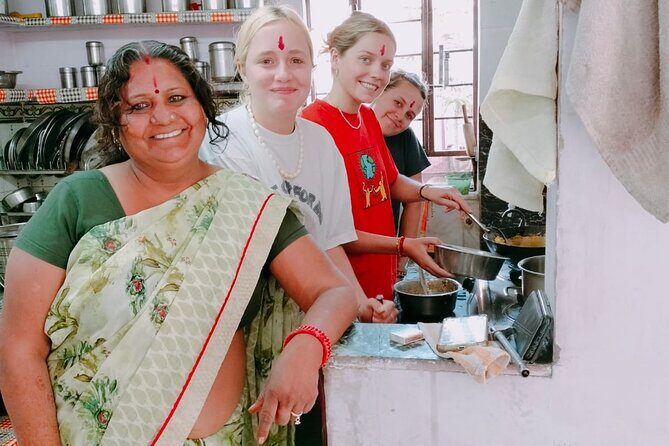
After cooking, you all enjoy the Indian food together. This is the part many classes skip, but it’s where learning turns into satisfaction. You don’t just leave with recipes in your head—you eat what you made, so you understand how it should taste as a full plate, not as isolated steps.
In the sessions shared, people mention a shared dinner atmosphere and good conversation. That’s a big deal if you want to travel with purpose but still feel relaxed. This is also where the family setting helps. When the people teaching you also sit down with you afterward, you get a more natural exchange about Jaipur food culture and daily life.
Vegetarian cooking shows up in the descriptions too, including paneer and dal-focused dishes. Still, since your menu is chosen by you from what’s available, it’s smart to pick the dishes that match what you want to eat that evening.
Rajasthani Dance After the Meal
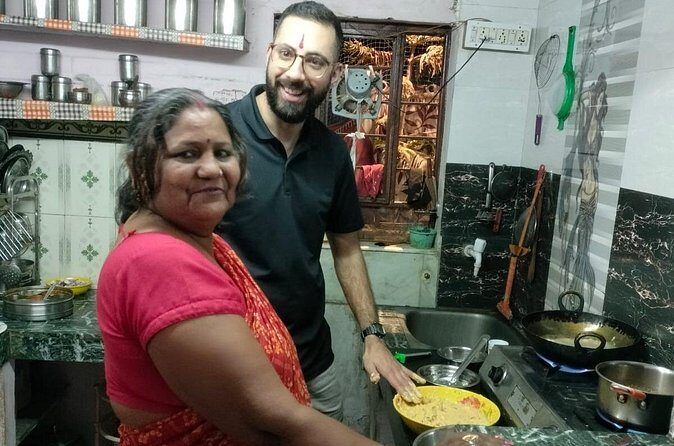
The cultural experience doesn’t end at the table. They arrange a Rajasthani dance space and you enjoy the dance with the group after the meal. For many people, this is the icing on the cake because it keeps the experience from feeling like pure food-only entertainment.
It also helps the evening make sense. Cooking connects you to ingredients and technique, then dance connects you to place. You finish with a story you can remember, not only flavors on your tongue.
The nice thing here is that it stays connected to the same family-host vibe. It doesn’t feel like you’re being herded into a separate show. It feels like the same home party, with another piece added.
You can also read our reviews of more tours and experiences in Jaipur


Price, Pickup, and Small-Group Size
At $22.70 per person for about 3 hours, this class is priced for people who want real value without spending a fortune. You’re not only paying for cooking instruction—you’re also paying for:
- A traditional welcome and Indian dress
- Refreshments
- A menu you choose from
- Teaching to cook Indian food
- The food you cook
- A Rajasthani dance segment
- Small-group attention (maximum of 20 travelers)
That adds up quickly, especially if you factor in how hard it can be to find a class where you both cook and eat. In this format, you’re doing the work and then benefiting from it.
On logistics, pickup is offered, which matters in Jaipur where navigation can eat up your time. You also get a mobile ticket, and you’ll receive confirmation at booking. The experience is described as near public transportation too, which gives you a backup if you’d rather handle your own ride.
One tiny planning tip: since it’s a family home setting, wear comfortable shoes and clothes you can move in. Even if you’re not doing heavy chopping the whole time, you’ll be standing and moving around more than in a typical restaurant meal.
Tips Before You Go (So You Get the Full Benefit)
I’d treat this class like a short cooking workshop plus a dinner with friends. That mindset helps you make the most of it.
A few practical ideas that fit what’s included:
- Go hungry, because you cook and then eat what you made.
- Pick dishes you’re actually excited to eat when you’re handed the menu. You’ll taste the results at the table.
- Ask questions in the moment while you’re cooking. This type of family instruction tends to work best when you’re not waiting until the end.
- Keep an eye on the spice level as you taste. Daal and masala styles can range from mild to more intense, and adjusting early is easier than trying to fix it after it’s fully cooked.
If you have dietary restrictions, the menu-choice setup is still your best friend. Choose from what’s offered and what you’re comfortable eating.
Who This Class Is Best For (And Who Might Prefer Something Else)
This class is a great fit if you want hands-on learning in Jaipur without being locked into a rigid menu. Because you decide what you cook, it works well for couples and families who want a shared activity that still feels personal.
It also fits travelers who like cultural rhythm: welcome, cooking, eating together, then a Rajasthani dance finish. If you’re the type who enjoys meeting people and learning through real daily routines, the family-host approach is a strong match.
Who might skip it? If you only want a cooking class with zero social elements, or if you’re looking for an ultra-formal restaurant-style experience, you may feel this is too home-like. The upside is warmth; the trade-off is a less sterile environment.
FAQ
How long is the cooking class in Jaipur?
It lasts about 3 hours.
How much does the experience cost per person?
The price is $22.70 per person.
Is pickup offered for this cooking class?
Yes, pickup is offered.
Do you choose what dishes you cook?
Yes. They provide a menu and let you decide what you want to cook.
What happens at the start regarding welcome and dress?
First, there is an Indian tradition welcome. Then Indian dress is provided based on gender.
Are refreshments included?
Yes, refreshments are included.
Do you get to eat the dishes you cook?
Yes. After cooking, you all enjoy the Indian food together.
Is there Rajasthani dance as part of the experience?
Yes. They arrange a space for Rajasthani dance and you enjoy it with them.
Is there a maximum group size?
Yes. The maximum is 20 travelers.
Can I bring a service animal, and is it near public transportation?
Service animals are allowed, and the experience is near public transportation.
What is the cancellation policy?
You can cancel for a full refund up to 24 hours before the experience starts. If you cancel less than 24 hours in advance, there is no refund.
Should You Book Manju Cooking Classes in Jaipur?
If you want a hands-on Jaipur food experience that also feels like you’re joining a real family evening, I’d book this. The menu-choice format, the included meal, and the Rajasthani dance make it more than a quick cooking demo.
I’d skip it only if you’re searching for a quiet, strictly classroom-style lesson. Otherwise, this is a smart, budget-friendly way to learn classic Indian cooking while eating what you make in the same session.