REVIEW · JAIPUR CITY SIGHTSEEING TOURS
Jaipur Sightseeing Tuk-Tuk Tour
Book on Viator →Operated by Unique Jaipur Tour · Bookable on Viator
Eight hours, one tuk-tuk, and Jaipur in motion. This tour is a smart way to see the big-name sights without fighting buses or waiting on slow ticket lines, and it adds a real local-feel by moving through streets on a private tuk-tuk. I especially like the hotel pickup and drop (it saves a lot of hassle) and the fact the driver keeps your day moving while you hit landmark stops. One consideration: monument and camera fees are not included, so the budget matters more than the low starting price.
Here’s what makes it practical: you cover palaces, gates, and viewpoints in one long day, then you get time for shopping for gemstones, silver jewelry, bangles, clothes, blue pottery, and textiles. The day also includes a bottled water and tea or coffee, which sounds small until you’re out for hours in the sun. If you plan to stay flexible, you’ll get more out of it—especially around longer indoor areas and the shopping blocks.
In This Review
- Key highlights you’ll care about
- Why a tuk-tuk day plan works in Jaipur
- Pickup, private vehicle, and the English-speaking driver
- The morning start: Sita Ram Mandir and Tripolia Gate
- Jantar Mantar: the UNESCO observatory you can actually picture
- City Palace: courtyards and gardens where power lived
- Hawa Mahal (Palace of Breeze): latticework and street-level views
- Royal Gaitor Tombs and Jal Mahal: the day’s quieter rhythm
- Panna Meena ka Kund: stepwell geometry you can understand fast
- Amer (Amber): Hindu-Muslim architecture in red sandstone and white marble
- Shopping time: gemstones, silver jewelry, textiles, and blue pottery
- How the price makes sense (and where you’ll spend extra)
- What makes the experience special: Rauf’s flexible approach
- Comfort tips for a long tuk-tuk ride
- Quick guidance on when this tour is the right choice
- Should you book the Jaipur Sightseeing Tuk-Tuk Tour?
- FAQ
- FAQ
- How long is the Jaipur sightseeing tuk-tuk tour?
- Does the tour include hotel pickup and drop-off?
- Is the driver English-speaking?
- What’s included in the price?
- What is not included?
- Are monument and camera fees a big extra cost?
- Is this a private tour?
- What if the weather is bad?
Key highlights you’ll care about
- Private tuk-tuk with pickup/drop so you don’t lose time getting started
- Major Jaipur sights in one 8-hour loop from Hawa Mahal to Amer
- English-speaking driver who can explain what you’re seeing as you go
- Shopping time built into the schedule for gemstones, silver, bangles, textiles, and blue pottery
- Optional tuk-tuk driving lesson at the end if you’re curious
Why a tuk-tuk day plan works in Jaipur
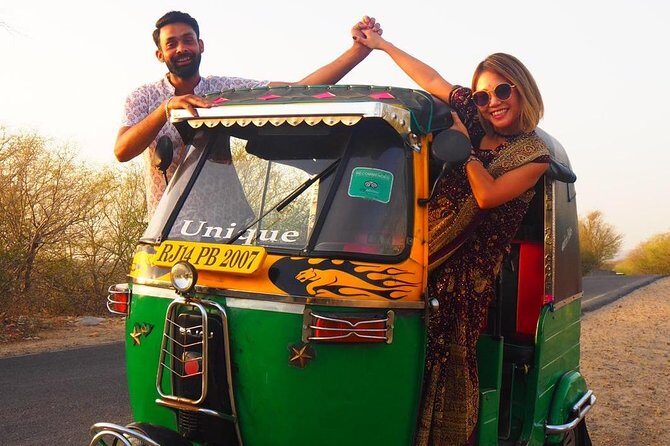
Jaipur is spread out, and that’s the whole game with sightseeing. If you try to piece it together yourself, you’ll spend energy on transport and logistics, not on the sights. This is built as a single-day circuit in an auto rickshaw, which means you get quick transfers and a more street-level view of the city.
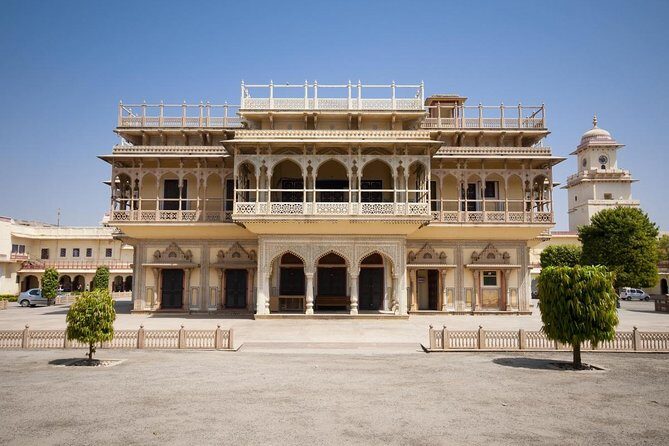
I like the “big day” approach here. You’re not just doing one palace and calling it a win. You’re hitting the City Palace complex, the Palace of Winds, and the observatory in the same schedule, then adding Amer-area stops and a later shopping window. It’s also private, so the timing can be adjusted to your pace.
You can also read our reviews of more tours and experiences in Jaipur.


Pickup, private vehicle, and the English-speaking driver
This is a private tour/activity, so only your group rides in the tuk-tuk. That matters, because you’re not stuck matching your speed to strangers, and you’re not stuck hearing a loud group shuffle of priorities. You also get pickup and drop from your hotel (and from the airport/railway/bus station), which makes the day feel smooth from the first minute.
You’ll ride in a private tuk-tuk vehicle with an English-speaking driver. The tour includes bottled water plus complimentary masala tea or coffee. It’s not a “luxury” setup, but those little comforts help you stay upright through a full day that’s going to include a lot of sitting, walking, and sun exposure.
One more practical detail: this experience runs best in good weather. If the weather is poor, you’ll be offered a different date or a full refund.
The morning start: Sita Ram Mandir and Tripolia Gate
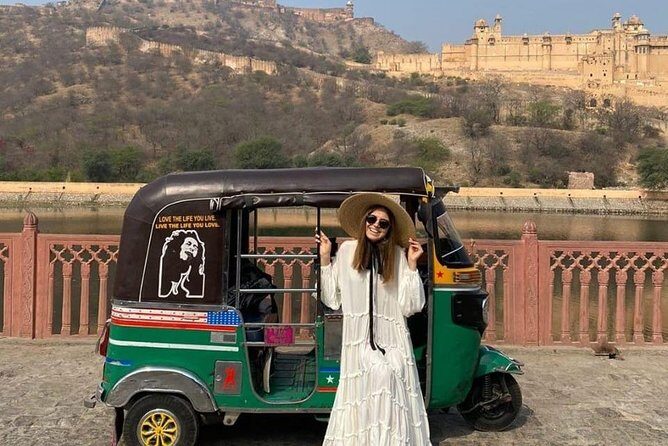
The day begins with a short stop at Mandir Shree Sitaram Ji at Choti Chaupad. It’s a temple dedicated to Lord Rama and Sita, and the quick visit works as a spiritual reset before the more “tourist-heavy” sights. Admission here is listed as free, and you’re looking at about 15 minutes—enough to notice the atmosphere, without stretching the schedule too much.
Next is Tripolia Gate, known as a main entrance to the City Palace and historically reserved for the royal family. The mix of Rajput and Mughal architecture is a good early clue that Jaipur’s story isn’t one-note. You get about 15 minutes here, and the short timing is on purpose: you’re building momentum toward the big indoor/outdoor complexes later.
Jantar Mantar: the UNESCO observatory you can actually picture
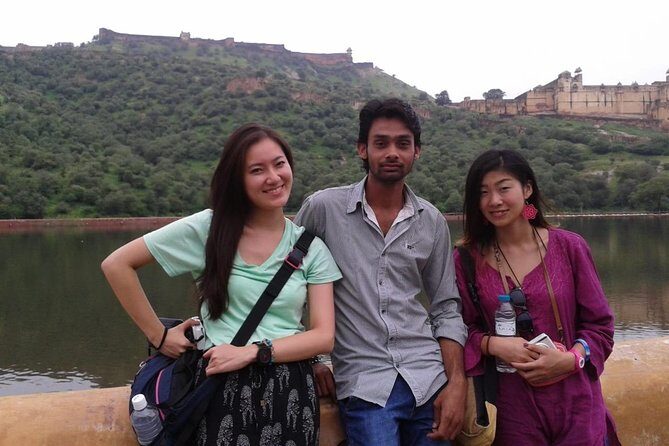
Then you move to Jantar Mantar – Jaipur, a UNESCO World Heritage site and home to the largest stone sundial in the world (as the tour description highlights). This is one of those places where the structures make more sense if you slow down for a moment. Even if you’re not a science person, you can still get the idea of how these instruments were meant to track time and the sky.
Expect about 45 minutes. Admission is not included, so plan for extra spending here. If you’re taking photos, keep an eye on camera fees, too—camera fees are listed as part of the total monument/camera charge that is not included.
City Palace: courtyards and gardens where power lived
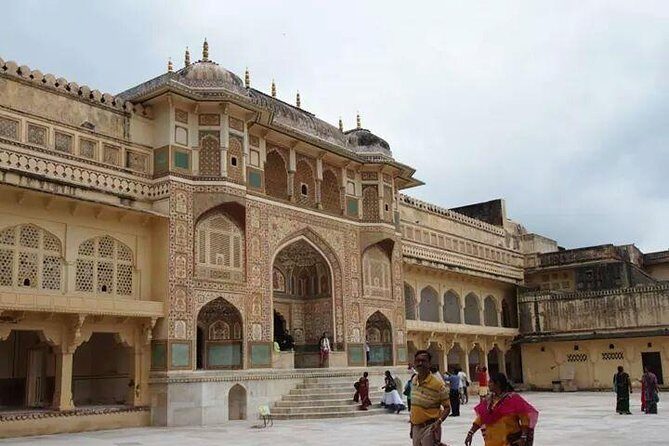
The City Palace is the kind of place that feels like a world even when you only see part of it. You get about 2 hours here, which is a decent amount for walking the courtyards and absorbing the layout without rushing.
The tour notes that the palace is spread across gardens and courtyards. That matters because you’re not just staring at one facade—you’re moving through separate outdoor spaces that show how the palace complex functioned. Admission isn’t included, so this is one of the stops where you’ll want to budget in advance.





Hawa Mahal (Palace of Breeze): latticework and street-level views
Next comes Hawa Mahal – The Palace of Breeze, one of Jaipur’s most recognizable landmarks. It was built by Sawai Pratap Singh, and the tour description explains that it was planned so the royal household could watch street life while citizens had their own access to the area. That’s why the design with curved latticework works: it’s visually striking, but it also makes practical sense for viewing.
Plan about 45 minutes. Again, admission isn’t included. What I’d do in that time: focus on the architectural details and the viewpoints. Even a short visit can feel worth it if you slow down at the facade and take a few minutes to look across the street scene.
Royal Gaitor Tombs and Jal Mahal: the day’s quieter rhythm
After the palace stops, the tour moves toward more reflective spaces. Royal Gaitor Tumbas sits at the foothills of Nahargarh Fort and is described as a collection of intricately carved marble and sandstone cenotaphs honoring Jaipur’s former rulers. You get about 45 minutes. This is a nice contrast if your morning felt busy and formal—these tombs feel calmer, and you’re not scrambling for the most famous photo angle the way you might elsewhere.
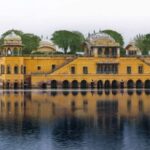
Then you get Jal Mahal, the water palace in the middle of Man Sagar Lake. The stop is brief—about 15 minutes. It’s not the longest time on the water view, but it’s a good visual change of pace before the Amer-area segment. Admission isn’t listed as included for this stop, so factor that into your spending plan.
Panna Meena ka Kund: stepwell geometry you can understand fast
One of the most interesting stops on the route is Panna Meena ka Kund, a 16th-century stepwell in Amer near Jaipur. The tour description points out the symmetrical, crisscross steps and arched niches. That geometry is the whole point here. You don’t need a long explanation to appreciate it—you can see why it would work as a reservoir and why it became a gathering point.
You get about 30 minutes, and admission is listed as free. If you’re short on time later, this is a stop where you can still get value without needing an hour.
Amer (Amber): Hindu-Muslim architecture in red sandstone and white marble
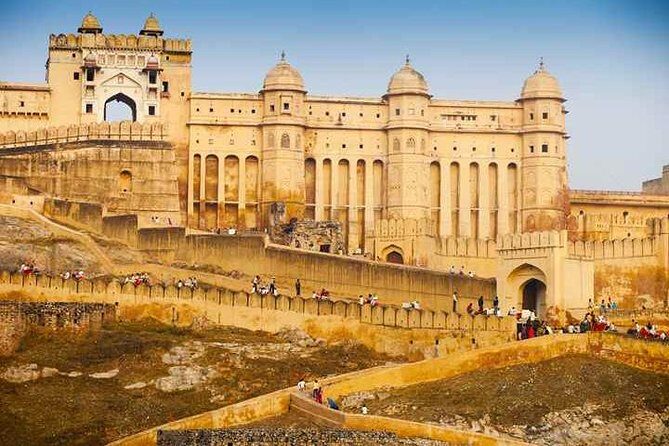
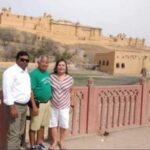
Finally, you reach Amer (Amber), and the tour describes it as a blend of Hindu and Muslim architecture with red sandstone and white marble. You get about 2 hours. Admission is listed as free in the stop details, but remember the tour’s overall “not included” section flags monument entrance and camera fees—so you may still encounter paid entry areas depending on where you enter or what portion you access.
This is your big closer. If you want one takeaway from the whole day, it’s that Jaipur changes texture as you move outward: urban lanes and palaces in the earlier hours, then Amer’s hillside grandeur near the end.
Shopping time: gemstones, silver jewelry, textiles, and blue pottery
After sightseeing, you shift into shopping mode with time in the afternoon. The tour description calls out gemstones, silver jewelry, bangles, clothes, blue pottery, and textiles. This is where a private driver can help you avoid the wrong kind of chaos. Instead of wandering, you’re given a planned block to browse and compare.
A practical word of caution: shopping in India can include pricing differences based on customer category, and one of the tour’s most common pieces of advice from the driver-experience side is to watch entrance fees and costs at craft places. Don’t be shy about asking what you’re paying for before you commit—especially if a stop includes an extra entry charge.
If your goal is souvenirs that look like they belong in Jaipur—bangles, patterned textiles, and blue pottery—this built-in shopping window gives you time to decide without feeling like you need to sprint.
How the price makes sense (and where you’ll spend extra)
The headline price is surprisingly low, starting around $5, but the real cost of this kind of day often comes from entrance fees, camera fees, tips, and meals. The tour clearly lists monument entrance fees/camera fees not included as INR 2500 per head, plus driver tips and meal expenses.
So the value equation is basically this:
- You’re paying for a full-day private ride (tuk-tuk), English-speaking driver, pickup/drop, fuel/parking, and basic drinks.
- You’re budgeting separately for entry into monuments and any camera charges.
- You’ll add lunch (meal expenses are estimated at INR 1000–1500 per head for a good hygienic restaurant).
If you compare this to hiring a private car for a full day, the tuk-tuk can feel like a bargain. Just go in with eyes open: the low sticker price doesn’t replace monument fees.
What makes the experience special: Rauf’s flexible approach
A big theme in the best outcomes from this tour style is the driver. In the standout experiences, Rauf shows up as the reason the day feels smooth. The highlights you can expect from that kind of guiding include:
- He’s friendly and helpful, and he treats the day like your schedule, not his script.
- He adapts the tour to your preferences.
- He keeps it fun in the actual tuk-tuk experience, which matters because an 8-hour day needs energy.
- He recommends places along the way, including a restaurant for lunch and a craft place that fits what visitors want to buy.
That flexibility is why the tour works well for people with limited time. You get many key sights in one go, without feeling like you’re being dragged through one-size-fits-all.
Comfort tips for a long tuk-tuk ride
The route is built for a full day, and tuk-tuks mean you’re close to the action—but also close to the ride. One practical note you should take seriously: if you’re tall, keep that in mind when you sit. You’ll likely be in a position for hours, so wear clothes you can move in, and don’t plan on getting comfortable in a deep seat like a sedan.
Also, wear shoes that work for uneven stone and short climbs inside complexes. You’ll do a mix of walking and standing, especially at palace courtyards and the Amer-area stop.
Quick guidance on when this tour is the right choice
This is a great fit if you:
- want a one-day overview of Jaipur’s top monuments
- care more about transportation ease than building your own route
- like shopping time that’s scheduled instead of random wandering
- want a private, English-speaking driver and a flexible pace
It may be less ideal if you hate long schedules or you’re very price-sensitive about entrance fees. The sightseeing stops are the big-value items, but they’re also where most additional spending shows up.
Should you book the Jaipur Sightseeing Tuk-Tuk Tour?
If you want a practical day that hits the major sights—City Palace, Hawa Mahal, Jantar Mantar, Amer—and you prefer the ease of pickup/drop and a private tuk-tuk, I’d book it. The low starting price is real value, as long as you budget for entrance and camera fees and don’t plan to skip lunch spending.
My deciding advice is simple: if you’re going to spend the money anyway on entry to the top monuments, the tuk-tuk ride turns that time into a smoother experience. Add the flexibility from a driver like Rauf, and it’s the kind of day that feels efficient without feeling rushed.
FAQ
FAQ
How long is the Jaipur sightseeing tuk-tuk tour?
It’s about 8 hours for a full day.
Does the tour include hotel pickup and drop-off?
Yes. Pickup and drop are included from your hotel, and also from the airport/railway station/bus station.
Is the driver English-speaking?
Yes. The private tuk-tuk includes an English-speaking driver.
What’s included in the price?
Included items are bottled water, fuel and parking charges, the private tuk-tuk vehicle, pickup & drop, and complimentary masala tea or coffee.
What is not included?
Monument entrance fees and camera fees are not included (listed as INR 2500 per head). Also not included are driver tips, meal expenses, and personal expenses. A guide is available on request for INR 1000.
Are monument and camera fees a big extra cost?
They can be, because the tour lists INR 2500 per head for monument entrance/camera fees, plus tip and lunch spending.
Is this a private tour?
Yes. It’s private, so only your group participates.
What if the weather is bad?
The tour requires good weather. If it’s canceled due to poor weather, you’ll be offered a different date or a full refund.