REVIEW · ELEPHANT EXPERIENCES
Jaipur Elephant Experience: Bond, Connect, and Learn
Book on GetYourGuide →Operated by Elejungle · Bookable on GetYourGuide
Elephants have a way of making time slow down. At Elejungle, you spend a focused 4 hours in close, hands-on moments—feeding, a guided walk, and extra care like a pedicure and shower—plus an elephant life briefing. I like how the day mixes human-elephant connection with practical safety rules and real learning, not just selfies.
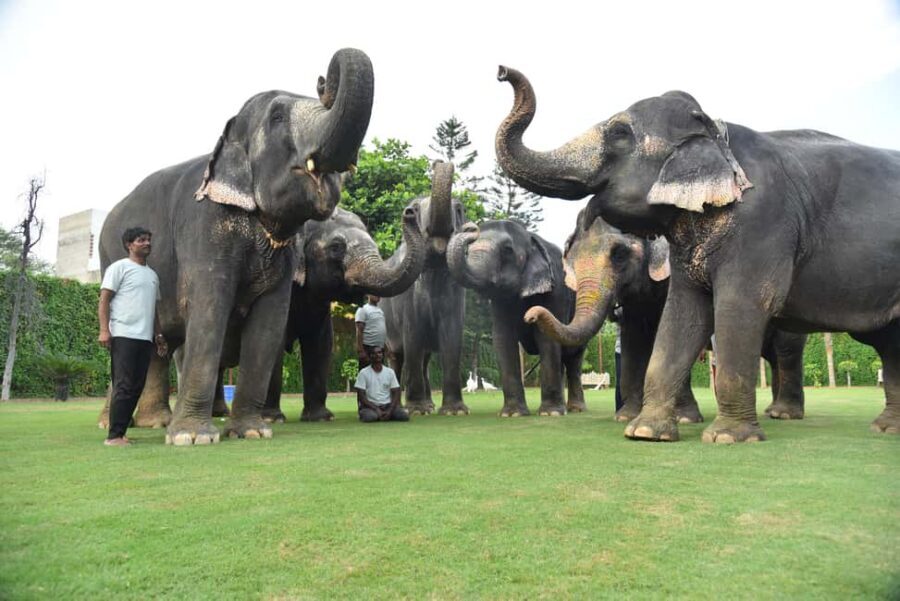
What I really enjoy here is the variety of elephant interactions. You’re not stuck doing one thing. You’ll get to feed them with bananas, sugarcane, and sorghum grass, then watch (and help with, where allowed) calming routines like foot care and rinsing with a hose.
One consideration: this is a close-contact experience in an outdoor setting, so bring the right gear and expect warm, dusty conditions at least part of the day. Also, like any popular tour, you should double-check your booking confirmation so you’re not left waiting at pickup time.
In This Review
- Key things that make Elejungle different
- Elejungle near Amer: what a 4-hour elephant day is really like
- Amer pickup and getting to Elejungle without stress
- Elephant briefing and greeting: learning the basics before you feed
- Feeding elephants: bananas, sugarcane, and sorghum grass
- Pedicure for elephants: hands-on foot care that’s surprisingly soothing
- Elephant shower with a hose: when heat turns into play
- Guided walk and shelter visit with mahout families
- Lunch around elephants: local food, relaxed pacing
- Price and value: does $40 for 4 hours make sense?
- Who this experience fits best (and who should think twice)
- What to bring so the day goes smoothly
- The Elefriend keepsake: saving your elephant memories
- Should you book the Jaipur Elephant Experience at Elejungle?
- FAQ
- How long is the Jaipur Elephant Experience at Elejungle?
- Where does pickup happen?
- Is the group private and is instruction in English?
- What activities are included with the elephants?
- What should I bring?
- Is there free cancellation?
Key things that make Elejungle different
- Close, hands-on care moments like pedicure and elephant shower with a hose (not just standing at a fence)
- Elephant life and culture briefing before you get busy feeding and walking
- A structured 4-hour flow with hotel pickup/drop and a lunch stop around the elephants
- Shelter visit with a peek into the lives of mahouts and their families
- A keepsake called Elefriend to capture your memories
Elejungle near Amer: what a 4-hour elephant day is really like
This isn’t a quick roadside photo stop. It’s set up as a guided block of time where you meet the elephants, learn how they’re cared for, and then join several activities in sequence. The core idea is simple: you connect with these gentle Asian elephants while understanding their needs and daily routines.
Elephant programs like this can vary a lot in what people actually do. Here, the day is built around care-based interactions—feeding, cleaning, and shelter time—so you get more than thrill value. You also get a chance to see the shelter setup and meet the people connected to elephant care, including the mahout families.
If you’re the type who wants your trip to feel meaningful, this structure helps. You’re not just observing from afar. You’re moving through a day that’s meant to be educational and respectful.
You can also read our reviews of more tours and experiences in Jaipur.



Amer pickup and getting to Elejungle without stress
Your day starts with hotel pickup from Amer. Then you’re taken to Elejungle by private car with return drop-off back at Amer. The tour is private group, so you’re not packed into a huge cattle-car van with strangers.
Timing matters with elephant experiences. This one runs for about 4 hours total, including pickup and the program activities. Check your starting time availability when you book, since it can vary.
One practical bonus: you get entrance tickets included and skip the ticket line. That matters in India where lines and delays happen. Fewer logistical headaches means more time for the elephants—and less time melting in the sun.
Elephant briefing and greeting: learning the basics before you feed
Before you start hands-on activities, you’ll be welcomed and briefed. This is where the program earns its name. You get an overview of elephant life and culture, plus guidance on how to interact safely.
This step is more than ceremony. It helps you understand elephant behavior and why certain actions are encouraged while others aren’t. When you know what you’re looking for—calm body language, appropriate distance, and how handlers position themselves—you feel more confident once the fun begins.
Some English-speaking guides you may encounter include Rohit, Harpreet, and Amadeep (spelled a couple ways in bookings). I like that different guide styles show up in the experience. You’re not just hearing rote facts; you’re getting explanations that connect elephant care to daily life at the shelter.
Feeding elephants: bananas, sugarcane, and sorghum grass
Feeding is one of the biggest highlights. You’ll join the feeding routine using bananas, sugarcane, and sorghum grass. If you care about cultural meaning, this part also gets framed through Indian elephant reverence, including the link to Ganesha and the idea of good karma through feeding.
Here’s how to make this moment work for you. Keep your movements calm and follow the safety instructions closely. Feeding can look casual, but it’s usually managed carefully to keep elephants comfortable and visitors safe.
Also, don’t treat it like a vending-machine exchange. The goal is interaction and respect. You’ll feel the difference when handlers manage timing and positioning so the elephant stays relaxed.
If you want a tip from how these programs tend to run: bring your patience. Feeding is often quick per person, but the elephant’s curiosity can last longer. Stay present rather than rushing for the perfect shot.
Pedicure for elephants: hands-on foot care that’s surprisingly soothing
Next comes a pampering session: elephant pedicure. You’ll see how foot care supports healthy, strong feet and helps elephants relax. This is the kind of activity that changes how you think about “animal entertainment.”
A lot of elephant experiences focus only on big spectacle. A pedicure is different. It’s maintenance. It’s comfort. It’s part of ongoing care.
You’ll likely watch how handlers work carefully and methodically, using gentle techniques. Even if you’re not participating fully, you’ll come away with a better sense of how much routine care goes into keeping elephants healthy.
If you’re traveling with kids, this can be a great moment to explain that caring for animals isn’t only about feeding. It’s also cleaning, checking, and calming.






Elephant shower with a hose: when heat turns into play
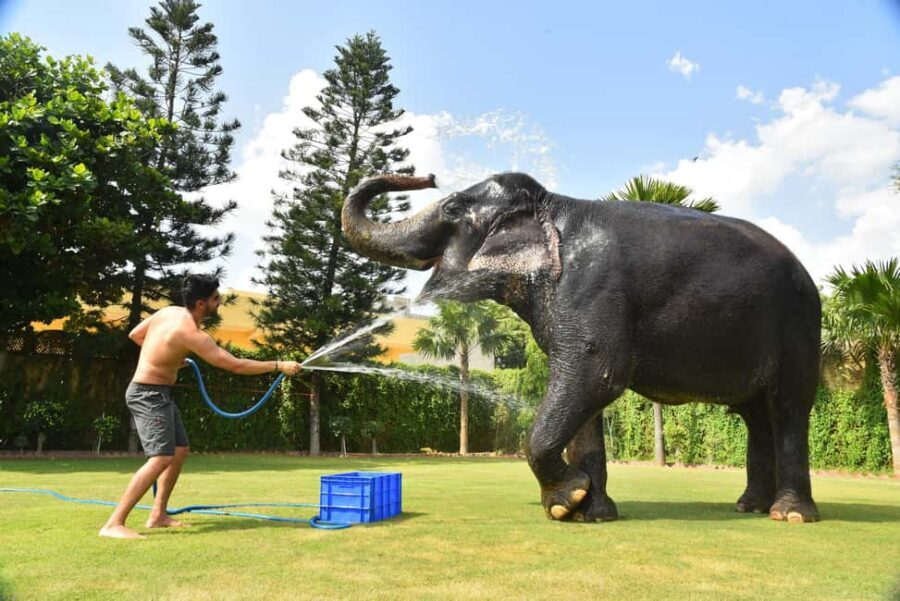
Then the program cools things down with an elephant shower. A hose pipe is used for a refreshing rinse, and the elephants often splash and play during the process.
This is one of those activities where the joy is visible. You’re not just feeding a silent giant. You’re watching an elephant respond to water in a way that looks genuinely comfortable.
Practical advice: wear outdoor clothing you don’t mind getting wet. Sunglasses and sunscreen are smart here too, because glare and heat can be intense. If you’re sensitive to dust and water, bring eye protection—goggles are listed for a reason.
This is also where the safety briefing pays off. Follow handler instructions for where you stand and when you step back. The best photos happen when you’re positioned correctly, not when you crowd forward.
Guided walk and shelter visit with mahout families
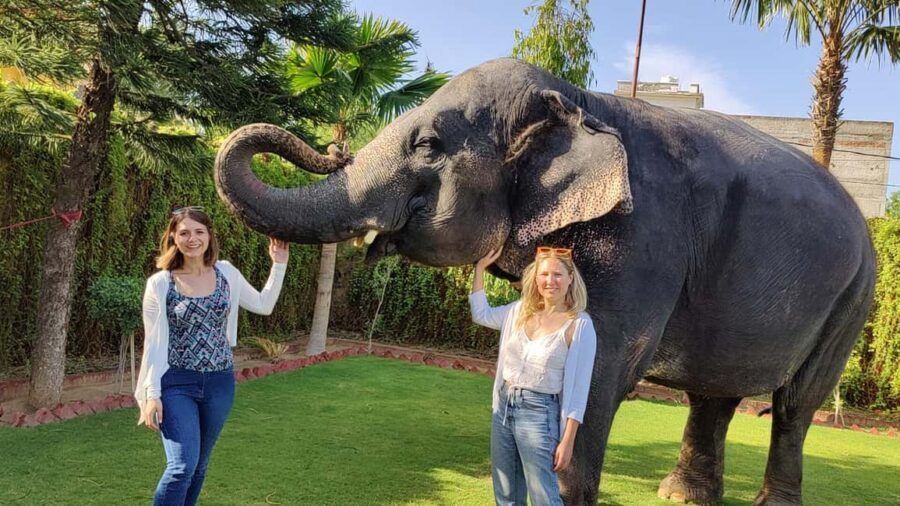
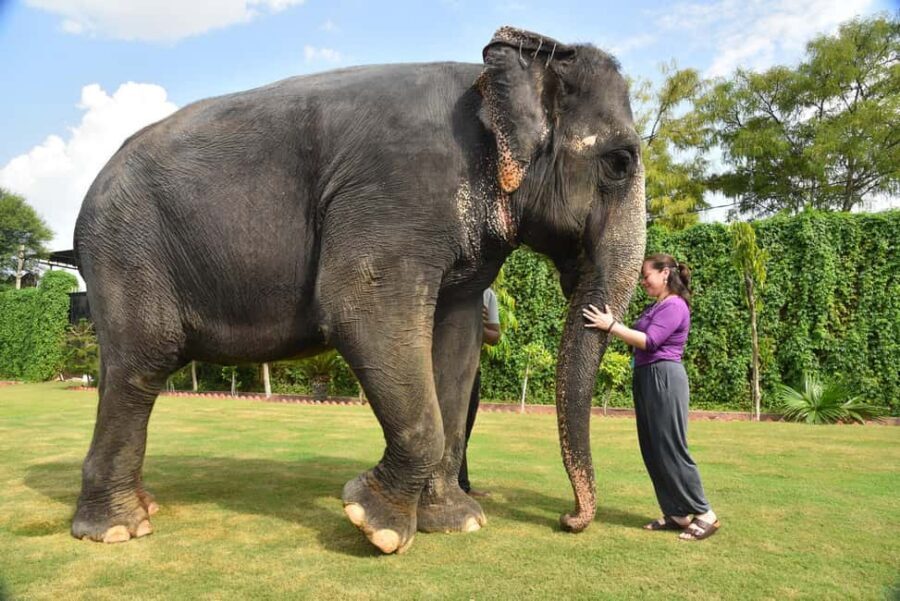
After feeding and care sessions, you’ll join a walk with the elephant guided by the team. Walking with elephants is a big part of how some people remember this day, and it’s also where the experience can feel most intimate—because you’re in the same space, close enough to feel the scale.
Safety is the key word here. Keep your steps steady, listen to guidance, and don’t try to lead the elephant yourself. When the elephant moves, let handlers control the flow.
Then you’ll visit the elephant shelter. This isn’t only about seeing barns or enclosures. You’ll also have a chance to meet the families of the mahouts (elephant trainers) and learn about their dedication and daily work. That human side matters.
When you learn who cares for the elephants daily, you get a more grounded understanding of what the sanctuary is actually doing. The day feels less like a one-off show and more like a living care system.
Lunch around elephants: local food, relaxed pacing
Midway through (and before the day ends), there’s lunch around elephants at Elejungle. The food is described as local cuisine and is said to be delicious and well prepared.
This lunch stop is not random. It gives you a break before the rest of the activities wrap up. It also helps you decompress emotionally. After being close to elephants for hours, food and sitting down for a bit feels like a reset.
If you’re the kind of traveler who plans around energy, lunch is where you’ll feel the day’s pacing click into place. You’re not rushing straight from one activity into the next without time to breathe.
Price and value: does $40 for 4 hours make sense?
At around $40 per person for a 4-hour private experience, the value comes from what’s included—not just the elephant time.
Included items you’re paying for in this price:
- Hotel pickup and drop from Amer
- Private transportation by car
- Entrance tickets to Elejungle
- Multiple activities fees tied to the program, including feeding, walk, shower, pedicure, and shelter visit
- Lunch around elephants
- English instruction for the experience
- Parking fees, taxes, and fuel surcharges
This is why the price can feel reasonable. You’re not paying separately for transport, entry, and every single activity. You also don’t have the hassle of figuring out local logistics when you’re short on time.
That said, it’s smart to sanity-check your own preferences. If you only want a quick look from a distance, this may cost more than you need. If you want guided contact plus learning, it’s aligned with what you’re paying for.
Who this experience fits best (and who should think twice)
This experience fits best if you want a structured elephant day that includes both interaction and learning. It’s a good match for:
- Couples and families who want a memorable day with clear guidance
- Travelers who like hands-on animal care moments (feeding, shower, foot care)
- People who want to learn about elephant life, culture, and shelter routines
- Anyone who appreciates respectful handling and safety rules
Who might reconsider:
- You don’t like outdoor heat, dirt, or the chance of getting wet during the shower
- You prefer animals viewed only from far away
- You’re uncomfortable with close-contact experiences in general
Also, keep a simple mindset: this is a living animal environment. Things can be affected by weather and elephant routines, so stay flexible.
What to bring so the day goes smoothly
Pack smart. The experience requests outdoor-ready items, and it makes a difference.
Bring:
- Sunglasses
- Camera
- Sunscreen
- Outdoor clothing
- Goggles
- ID card (a copy is accepted)
Small extra advice: wear footwear that can handle wet ground if you’re doing the shower portion. Also, bring a dry layer in your bag if you tend to get chilled after water play.
Not allowed: smoking in the vehicle.
The Elefriend keepsake: saving your elephant memories
You’ll also get your chance to catch your divine memory with your ELEFRIEND. The wording suggests a specific memory item or keepsake connected to your visit.
Even without knowing the exact format, it’s a common feature of experiences like this: a structured way to leave with something tangible after a high-emotion day.
If photos are your priority, it helps to bring a camera and plan to use it during calmer moments when handlers tell you where to stand.
Should you book the Jaipur Elephant Experience at Elejungle?
I’d book this if you want:
- A guided, private elephant day with multiple care-based activities
- Close interaction plus a briefing about elephant life and culture
- Shelter time and a look at the people who dedicate their days to elephant care
- Lunch included in a 4-hour package
I’d pause before booking if:
- You’re hoping for a purely observational experience
- Weather or getting a bit wet would ruin your comfort level
- You’re only chasing a quick photo and nothing else
Quick final check before you go: confirm pickup timing clearly and keep your essentials ready. With the right prep, this can be one of the most memorable (and surprisingly educational) days you’ll have in the Jaipur area.
FAQ
How long is the Jaipur Elephant Experience at Elejungle?
The experience lasts about 4 hours.
Where does pickup happen?
Pickup is from Amer, and you’re also dropped back at Amer at the end of the tour.
Is the group private and is instruction in English?
Yes. It’s a private group experience, and the instructor is listed as English.
What activities are included with the elephants?
Included activities cover briefing and greeting, feeding the elephants, a walk with the elephant, elephant shower with a hose, pedicure, and a shelter visit.
What should I bring?
Bring sunglasses, a camera, sunscreen, outdoor clothing, goggles, and an ID card (a copy is accepted).
Is there free cancellation?
Yes. You can cancel up to 24 hours in advance for a full refund.