REVIEW · TUK-TUK TOURS
Explore Jaipur in a Tuk Tuk
Book on Viator →Operated by Rajasthan Tour Car Driver · Bookable on Viator
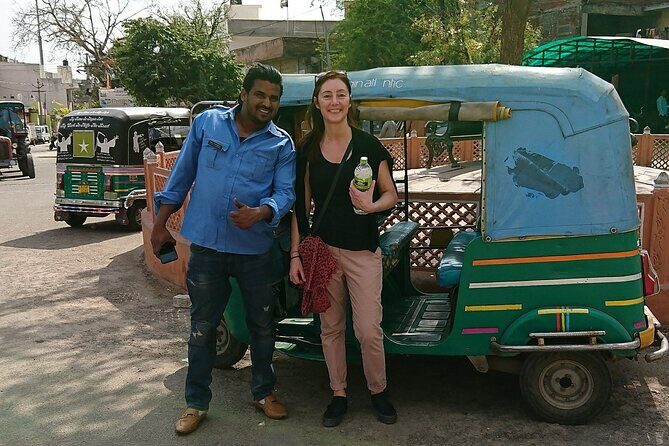
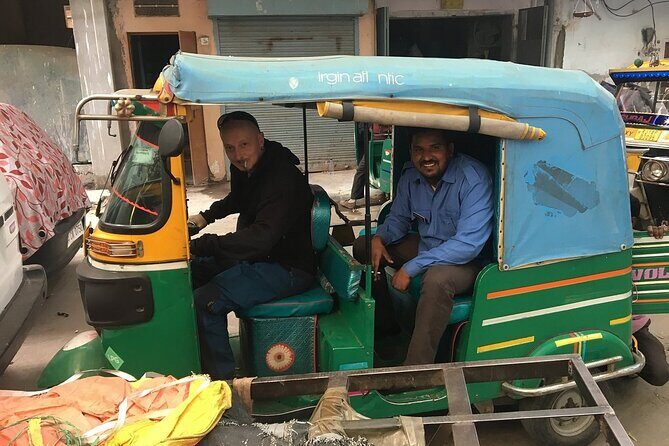
Jaipur by tuk-tuk keeps your day light and local. You’ll cover big sights like Hawa Mahal and Jantar Mantar with a private English-speaking driver-storyteller, plus hotel pickup so you don’t waste hours figuring out transport. I especially like how the route feels adjustable, so you can shift priorities on the fly instead of being locked into one rushed loop.
I love the stop choices because they mix classic Jaipur landmarks with softer, more human moments. The Flower Market (Phool Mandi) sets the mood early, and ending with a live block printing demonstration turns the day from sightseeing into something you can actually take home in your memory.
One thing to plan for: not all monuments have entrance fees included by default. Some stops list admission as not included, while others are free, so check your option before you go, and expect walking in hot sun at a few locations.
In This Review
- Key highlights you’ll feel immediately
- Why this Jaipur tuk-tuk format works so well
- Morning at Phool Mandi: the flower market start that sets the tone
- Hawa Mahal: viewing the Palace of Winds without the headache
- Jantar Mantar and City Palace: science and royal living in one run
- Royal Gaitor Tombs and Jal Mahal: quieter viewpoints with real mood
- Galta Ji (Monkey Temple): a religious site with stairs and a view
- Block printing workshop: the best kind of souvenir (and it’s free)
- Price and what you should verify before you go
- Timing, comfort, and what to bring for a 7-hour circuit
- Who this tuk-tuk tour is best for
- Should you book the Jaipur tuk-tuk tour?
- FAQ
- How long is the Jaipur tuk-tuk tour?
- Do I get hotel pickup and drop-off?
- Is this tour private or shared?
- Is there an English-speaking guide or storyteller?
- Are entrance fees for monuments included?
- Can I customize the itinerary?
- What’s the cancellation policy?
Key highlights you’ll feel immediately

- Private tuk-tuk with an English-speaking storyteller means fewer awkward pauses and better context.
- Hotel pickup and drop-off cuts the biggest hassle in Jaipur: getting stuck in traffic without a plan.
- A smart mix of stops: royal sites, science at Jantar Mantar, lake views, and Galta Ji.
- Free moments built in like Phool Mandi and the block printing factory demo.
- Customizable itinerary so you can add a stop or trade time at one site for another.
- Smooth group experience with your party only, plus group discounts if you’re traveling with friends.
Why this Jaipur tuk-tuk format works so well

Jaipur can feel like a maze if you’re moving on your own. Cars and auto-rickshaws are everywhere, roads are busy, and “just get there” turns into a whole plan. A tuk-tuk tour solves that with point-to-point routing—pickups, drives, and drop-offs are handled—so you can focus on the city instead of logistics.
The private setup is the real win. You aren’t sharing the day with strangers, which matters when you’re trying to see small details at places like Hawa Mahal or when you want time to linger at City Palace courtyards. The driver is also part storyteller, so you get context as you go, not after the fact.
It’s also a practical length: around 7 hours gives you enough time to hit the headline sights without turning into an all-day endurance test. Still, it’s a full day. You’ll be in motion, climbing stairs at a couple of religious sites, and standing around for photos—plan for sun, water breaks, and comfortable shoes.
You can also read our reviews of more tours and experiences in Jaipur.



Morning at Phool Mandi: the flower market start that sets the tone
The tour begins at Phool Mandi (Jaipur Flower Market), a focused early-morning scene where vendors sell fresh blooms like marigolds and roses. This is more than a photo stop. It’s a fast way to understand Jaipur’s everyday rhythm—what people buy, how they sell, and why the city’s colors aren’t just on buildings.
Timing matters here. Going earlier helps you see the market when it’s active but not chaotic, and you’ll get that rush of scent and color before the day heats up. It’s also a nice contrast to the big monuments you’ll see later. After this, royal palaces and forts don’t feel like random landmarks—they feel like part of the same culture.
The duration is short, about 30 minutes, so don’t expect a deep dive into wholesale trade. Instead, think of it as a quick “get your bearings” start, then roll right into the architecture.
Hawa Mahal: viewing the Palace of Winds without the headache
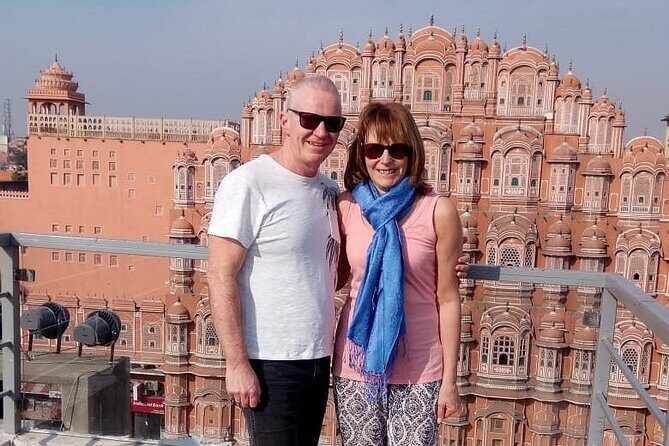
Next up is Hawa Mahal, the Palace of Winds. This is the Jaipur icon most people recognize instantly, even if they can’t place it. Built in 1799 by Maharaja Sawai Pratap Singh, the facade is known for its many window openings, designed so breeze could move through the building.
The tour gives you around 45 minutes here. That’s enough time to walk the perimeter areas you can access, look for viewpoints, and absorb the facade pattern without feeling trapped in a museum-style line.
Admission here is listed as not included in the itinerary details, so whether you pay at the gate depends on what option you choose. If entrance fees are important for you, double-check before you book. Either way, even without interior access, the outside view is the star.
Practical tip: bring your phone camera but also look with your eyes. The grid of windows is easier to appreciate when you take a couple of slow steps and notice how the facade changes with angles.
Jantar Mantar and City Palace: science and royal living in one run
After Hawa Mahal, you’ll head to Jantar Mantar, the astronomical collection built under Sawai Jai Singh and completed in 1734. It’s not just “old stuff.” The site contains 19 instruments, built to track time and celestial movements—basically a giant outdoor science set from the 1700s.
You get about 45 minutes at Jantar Mantar. That’s a good match for the kind of attention this place asks for. It’s easy to rush through and miss what the instruments are measuring. The English-speaking storyteller role is useful here, because it turns the instruments from objects into explanations you can remember.
Then comes City Palace, where you’ll spend about 2 hours. This complex is a cluster of courtyards, pavilions, gardens, and temples, and it feels different from the single-moment wow of Hawa Mahal. City Palace is where Jaipur’s royal power looks lived-in—structures connected by spaces, not just one big facade.
City Palace entrance is also listed as not included in the itinerary details. Again, whether you pay depends on the selected option. If your priority is entering every major site, choose the version that includes monument entry fees.
One more thoughtful point: the order of stops works. You go from wind-and-windows to outdoor science to living royal spaces. It keeps the day varied so you don’t get monument fatigue too fast.
Royal Gaitor Tombs and Jal Mahal: quieter viewpoints with real mood

After lunch-time energy (or near it), your route shifts from palace rooms to royal memory and landscape views.
At Royal Gaitor Tombs, you’ll see a set of cenotaphs dedicated to the royal family, set near the foothills of the Aravalli Range. These tombs are known for intricate marble carvings and a mix of Rajput and Mughal design elements. The stop is about 1 hour, which is a good pace for looking closely without being rushed.
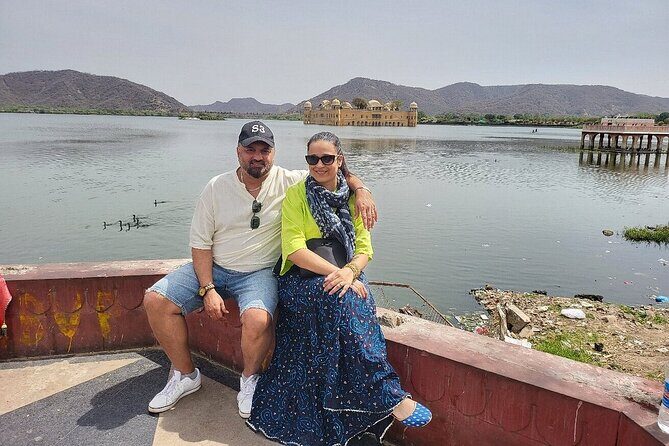
Then you’ll visit Jal Mahal, the Water Palace sitting in Man Sagar Lake. This is a classic “from the viewpoint, you feel it” stop. The palace was built for royal leisure, mixing Rajput and Mughal styles, and its setting on the lake is the whole effect. Even if you only get limited time here (the itinerary doesn’t assign a specific duration), it’s a strong visual break from stone walls and courtyard corridors.
Admission for Royal Gaitor and Jal Mahal is listed as not included in the itinerary details. Also, note that time on each stop can feel different depending on traffic and how long your driver recommends spending. That’s where the customizable nature of the tour helps—if you want more time on the water views, you can ask.





Galta Ji (Monkey Temple): a religious site with stairs and a view
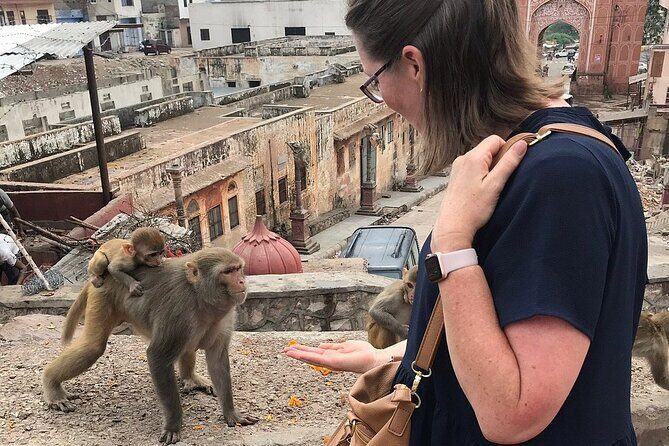
The last major sightseeing stop is Monkey Temple, also called Galta Ji, in the Aravalli Hills near Jaipur. It’s a historic Hindu pilgrimage site known for sacred water tanks and a large monkey population. The atmosphere here is more about place and devotion than architecture alone, and the hills give you that “you’re outside the city center” feeling.
The stop runs about 1 hour. That includes time for photos and for navigating the steps. Expect some walking and uneven areas. If you have mobility issues, this is the one I’d think about first, because the temple setting is hilly by nature.
Admission is listed as not included as well, so check which version you’re choosing if you want to avoid extra payments.
Block printing workshop: the best kind of souvenir (and it’s free)
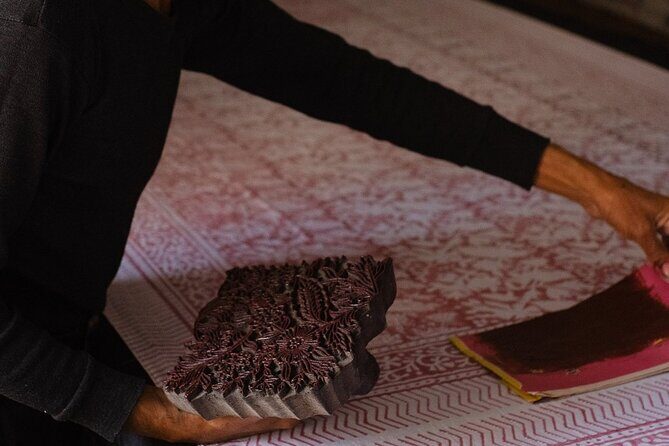
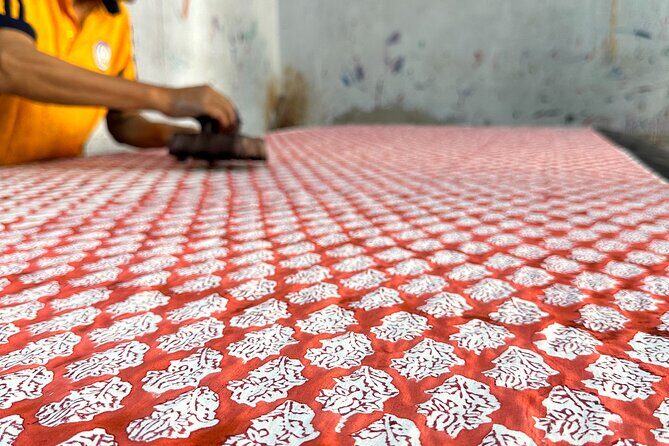
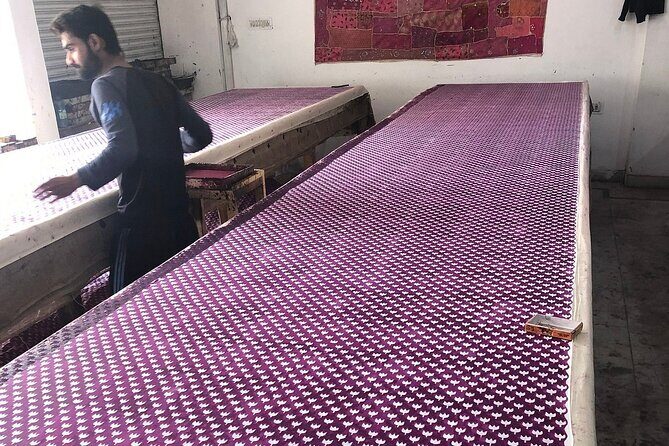
Your day ends at a block printing art factory, where you’ll get a live demonstration of the traditional process and meet skilled artisans. The tour assigns about 30 minutes here, and the admission is listed as free.
This final stop is smart for two reasons. First, it changes the pace—you’re watching hands-on craft work, not just taking in views. Second, it gives you context for Jaipur’s reputation for textiles and handicrafts, which you’ll see later in markets.
The demo format is also a good use of time. You’ll understand how patterns are created through carved blocks, then printed, then repeated. Even without buying anything, you’ll leave with a clearer idea of why the products cost what they cost.
If you do want to shop, treat the factory as inspiration and then compare prices later. The most useful mindset is: watch closely, ask questions, and only pay for what you really want.
Price and what you should verify before you go
At $6.79 per person, this tour is priced for value—especially because you’re getting hotel pickup/drop-off, a private tuk-tuk, fuel/parking, bottled water, and language help from an English-speaking driver-storyteller.
But the price can shift in your real-world math based on two items:
- Monument entrance fees are included only if the selected option includes them. The stop list shows some places with admission not included and others free.
- Tour guide included only if you select the option that has a guide. If you don’t, you’ll still have an English-speaking driver, but you might get less depth depending on the setup.
So here’s the practical move: before you confirm, check what your option includes for City Palace, Jantar Mantar, Hawa Mahal, Royal Gaitor Tombs, Jal Mahal, and Galta Ji. That tells you whether the day will stay close to budget or creep upward with gate fees.
Also, remember meals aren’t included. You may end up grabbing lunch on your own, so plan for it. The upside: you can choose a spot that fits your taste rather than being herded into one preset meal.
Timing, comfort, and what to bring for a 7-hour circuit
A tuk-tuk day is part touring, part waiting while you transition between sites. That’s normal. Still, the better you prepare, the smoother it feels.
I’d bring:
- Comfortable shoes (stairs at Galta Ji, plus general walking)
- Sunscreen and water (bottled water is included, but you may want extra)
- Light layers for early morning and late-day changes
- Cash for small purchases at markets or crafts, since you may want to tip or buy something at the end
A small but real tip: the flower market early in the day means you’ll want to be ready to move quickly. After that, the day balances out with longer stops like City Palace. If you like to take photos, use your time for slow looking in the longer segments and quick shots at the shorter ones.
And because the itinerary is customizable, you can ask for changes if the sun gets too intense or if you want to shorten one stop to lengthen another.
Who this tuk-tuk tour is best for
This experience fits best if you:
- Want a private day without sharing with strangers
- Like clear context from an English-speaking storyteller/driver
- Prefer a structured route that still allows adjustment
- Want a mix of famous sights and culture, not only palaces
It’s also good for small groups—especially with friends—because group discounts are available and you stay together in one vehicle. It’s less ideal if you want a slow, unstructured Jaipur day with lots of extra stops that aren’t on the route. This is a planned circuit, just with flexibility.
Should you book the Jaipur tuk-tuk tour?
I’d book it if you want a smooth way to hit Jaipur’s core highlights in about 7 hours, with pickup handled and language support included. It’s also worth it if you care about craft culture enough to end with the block printing demonstration rather than just more monuments.
I would pause and check the details if you’re counting on entry to every site. Since admission isn’t included for several stops unless you choose that option, do the math first so the final cost matches what you expect.
If you like your travel days organized—but not rigid—this tuk-tuk route is a very solid way to see Jaipur efficiently and still feel like you’re experiencing the city, not just passing through it.
FAQ
How long is the Jaipur tuk-tuk tour?
The tour lasts about 7 hours.
Do I get hotel pickup and drop-off?
Yes. The experience includes convenient hotel pickup and drop-off by tuk-tuk.
Is this tour private or shared?
It’s private. Only your group participates.
Is there an English-speaking guide or storyteller?
The tour includes a private tuk-tuk with an English-speaking driver, and it also mentions an English-speaking storyteller. A tour guide is included if you choose the selected option that has it.
Are entrance fees for monuments included?
Entrance fees are included only if the selected option includes monument entrance fees. Some stops are listed as admission not included, while others are free.
Can I customize the itinerary?
Yes. The trip is customizable, so you can adjust the itinerary and visit more places if you want.
What’s the cancellation policy?
You can cancel for a full refund up to 24 hours in advance of the experience start time.