REVIEW · CITY TOURS
Jaipur Half-Day City Tour By E-Rickshaw with Female Driver
Book on GetYourGuide →Operated by Rajasthan India Tour Driver · Bookable on GetYourGuide
Riding through Jaipur in a pink e-rickshaw feels personal fast. This half-day tour mixes big landmarks with a quieter look at craft workshops—and you get the added touch of a female driver behind the wheel.
I especially like the way the route strings together the city’s top icons—Hawa Mahal, Jantar Mantar, and City Palace—without turning it into a sprint. And I also like the stop pattern around women’s work, from flower market morning energy to factories/warehouses for textiles and handmade goods.
The main thing to consider: this is a private tour, but you still have monument entrance fees and you may encounter shopping-style stops. If you prefer pure sightseeing only, you’ll want to set boundaries early (and bring extra patience).
In This Review
- Key points to know before you go
- Starting with the Jaipur flower market at first light
- Pink e-rickshaw logistics (and why the ride is part of the experience)
- Hawa Mahal: quick walk, big impact
- Jantar Mantar: science in stone, plus your best short break
- City Palace: the time-boxed version that still hits the highlights
- Jal Mahal (Water Palace): the 15-minute pause that changes the mood
- Ramgarhmode and the women-artisan factory/warehouse theme
- Albert Hall Museum: close the loop with artifacts from multiple eras
- Price and what you’re really paying for (the $22 part)
- Practical tips to avoid the common pain points
- Who this tour fits (and who should skip it)
- Should you book this Jaipur half-day e-rickshaw tour?
- FAQ
- Is the tour price $22 per person?
- What’s included in the tour?
- Are entrance fees to monuments included?
- How long is the Jaipur half-day e-rickshaw tour?
- Which sights are part of the route?
- Do I need to buy tickets for the monuments?
- What languages is the tour guide available in?
- What should I wear and bring?
- Is this tour suitable for everyone?
- How many people can fit in the electric rickshaw?
Key points to know before you go
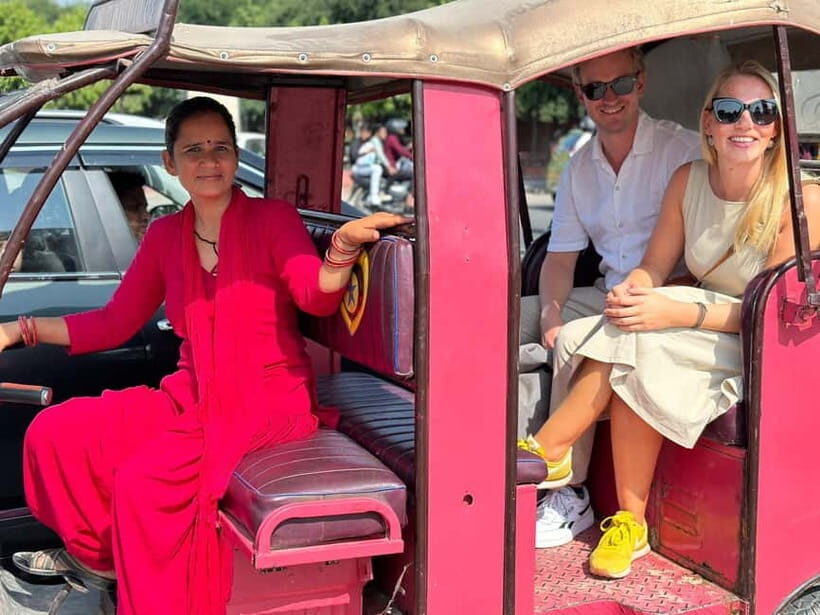
- Female e-rickshaw driver: a real change of pace, with a safety-forward feel that many people appreciate
- Classic Jaipur in 5 hours: flower market, Hawa Mahal, Jantar Mantar, City Palace, Jal Mahal, Albert Hall Museum
- Small-group comfort: the rickshaw fits about 3 to 4 people, so it stays friendly and easy to manage
- Craft workshop theme: you’ll visit factories/warehouses tied to women’s artisan work and handmade products
- Photo-friendly timing: multiple photo stops and short walks where you can actually get pictures
- Plan for ticket fees: monuments are not included, and you pay on-site if tickets apply
Starting with the Jaipur flower market at first light
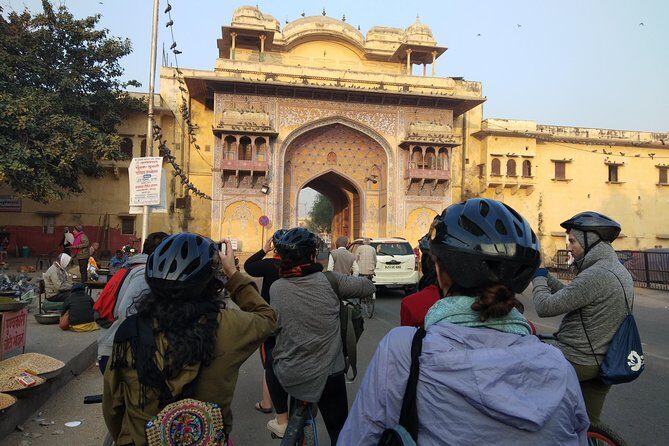
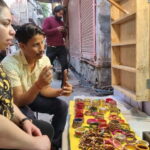
Your morning begins in the Pink City area with a flower market that wakes up fast. You’ll get around an hour here, including a guided walkthrough plus photo stops. This is one of those places where Jaipur looks different in every direction: sellers display bundles and rows, and the air carries that unmistakable floral smell that makes the whole city feel more alive.
If you’re a photo person, this is your warm-up. Arrive ready to move slowly and look down as much as up—stalls often frame strong shots, and the colors are easiest to capture before the light changes and the crowds thicken.
Also, this is a good spot to set expectations for the rest of the day. You’re going to walk a bit later, and you’ll want comfortable shoes from the start.
You can also read our reviews of more city tours in Jaipur

Pink e-rickshaw logistics (and why the ride is part of the experience)
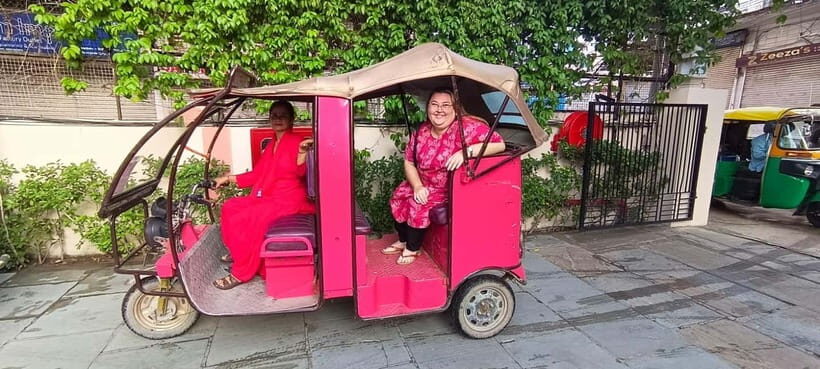
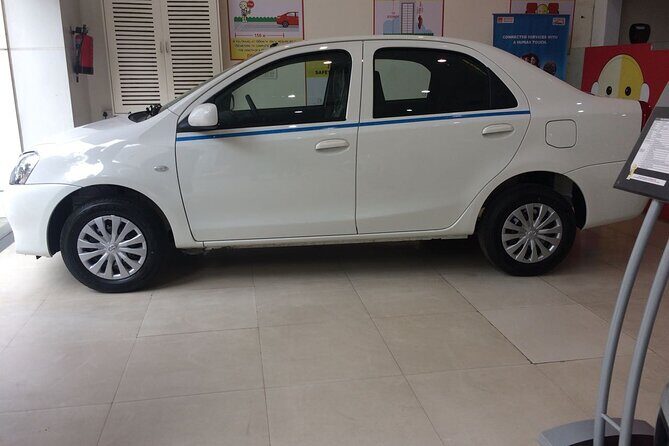
This tour is built around a private electric rickshaw driven by a woman. That matters more than it sounds. The rickshaw lets you slide through streets without the stress of big-vehicle navigation, and you get frequent chances to stop for photos without needing to fight for a parking moment.
One practical detail: the pink female rickshaws may have a 30 km/h speed limit. Translation: the ride is slower. For some people that’s a downside. For me, it’s a feature. Slow means you can watch the street life go by, point out corners you’d never find on your own, and get pictures that don’t look like a moving blur.
You’ll also have hotel pickup and drop-off included. Depending on where you’re staying, pickup may be handled by e-rickshaw within about 5 km of the city center; if you’re farther out, a car can connect you to the starting point. Once you’re in the tour flow, you’re not left juggling transport.
Hawa Mahal: quick walk, big impact
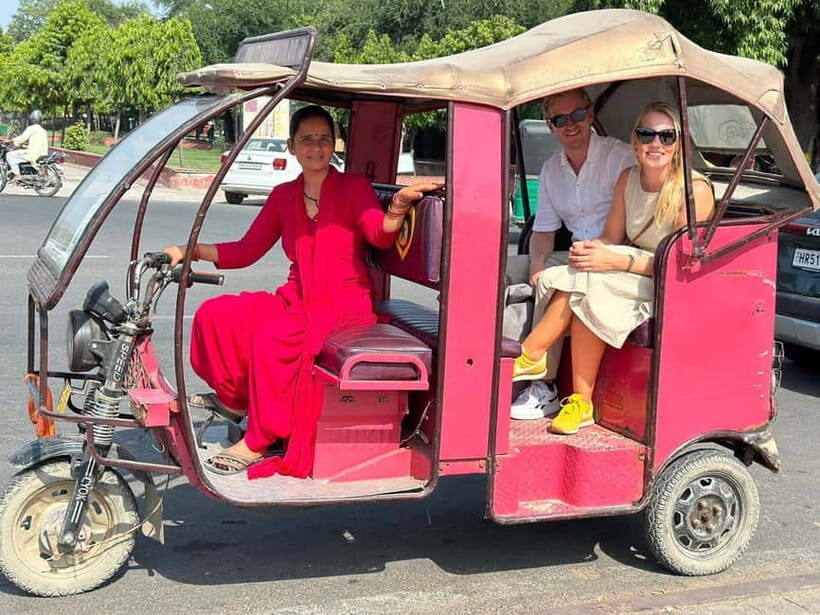
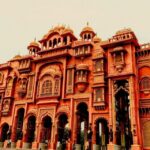
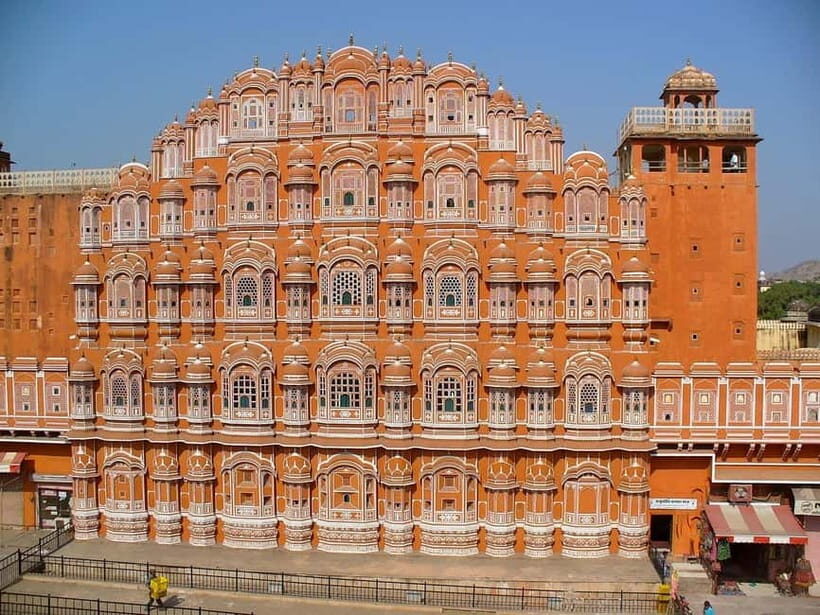
Hawa Mahal is one of Jaipur’s most photographed buildings, and this stop is timed for exactly that: about 30 minutes with photo opportunities and a guided visit.
What makes it satisfying is how the structure reads at walking distance. You don’t just see a postcard facade—you get a sense of the architectural logic, the way it’s designed to look detailed from multiple angles, and why it became such an icon of the city.
Do this smart: take a few wide shots first, then slow down for close details. If you only rush, you miss the craftsmanship part that makes the whole building feel “of its place” rather than just famous.
Jantar Mantar: science in stone, plus your best short break
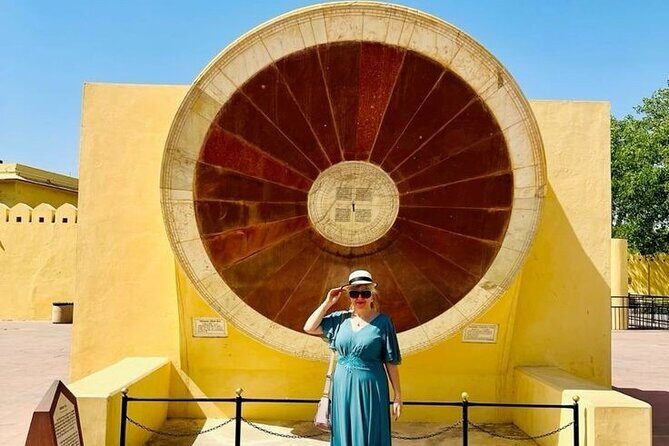
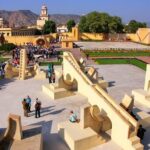
Next up is Jantar Mantar, Jaipur’s ancient astronomical observatory. You’ll have around 30 minutes, including another guided explanation and photo stop time.
The big draw here is the scale: the site includes what’s described as the world’s largest stone sundial. But the real value for your day is how Jantar Mantar gives you a different lens on Jaipur. Instead of forts and palaces, you’re seeing the city’s older obsession with observation and measurement—built into stone, placed in a way you can understand with your own eyes.
If the sun is strong, keep a bottle of water nearby and take your breaks where shade appears. The walking here is short, but the heat can still move fast.
City Palace: the time-boxed version that still hits the highlights
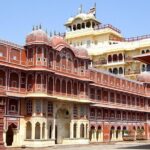
The City Palace stop is about 1 hour, which sounds brief until you realize the complex is huge. You’ll get photo stops and guided visits that focus on what most people come for, including areas listed as:
- Chandra Mahal
- Mubarak Mahal
- Shri Govind Dev Temple
- City Palace Museum
This hour works best if you accept one reality: you won’t see everything inside a vast palace complex. Instead, you’ll leave with the big orientation—how courtyards, pavilions, gardens, and temples fit together into one royal story.
One important money note: monument entrance fees are not included, so you’ll be paying tickets on-site for the areas that require them. If you’re aiming to reduce hassle, consider buying in advance when that option exists for the specific monument areas you want most. That can save you from surprise pricing differences when you arrive.
You can also read our reviews of more tours and experiences in Jaipur
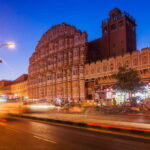
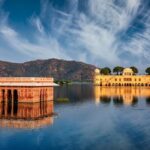

Jal Mahal (Water Palace): the 15-minute pause that changes the mood
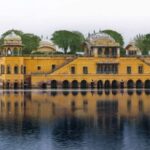
Then it’s Jal Mahal, also known as the Water Palace. Expect a short 15-minute stop with photo time, guided context, and scenic views on the way.
This is not the kind of attraction you “tour” for long. It’s a visual reset. Seeing a palace-like structure on/near Man Sagar Lake gives Jaipur a softer, more reflective angle compared with the land-heavy fort-and-palace vibe.
For photos, aim to take your shots from multiple angles during the brief window. If it’s crowded, don’t fight for every angle—get a good wide shot, then capture details of how the structure meets the water.
Ramgarhmode and the women-artisan factory/warehouse theme
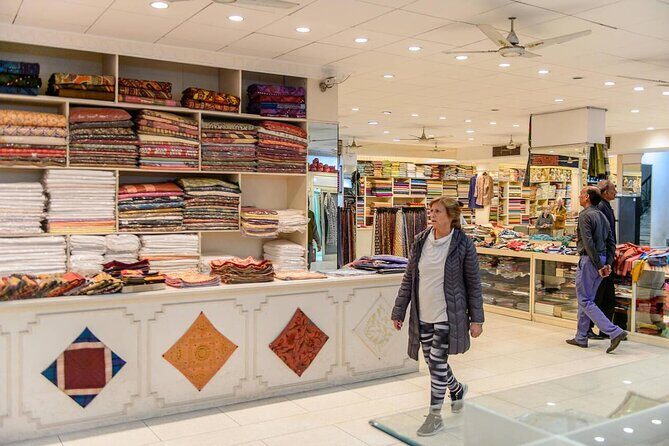
After the main landmarks, the tour shifts toward the craft side of Jaipur—factories and warehouses connected to women’s artisan work. The schedule includes a Ramgarhmode stop labeled with sightseeing and a class (about 1 hour), and the overall theme is watching skilled work tied to:
- carpets
- embroidered fabrics
- other handcrafted treasures
Here’s why this part is worth it: Jaipur isn’t just stone monuments. A lot of the city’s identity lives in what people make and how those products connect to families and community livelihoods.
That said, this is also the part where you should stay alert. In practice, some workshop-style stops can turn into shopping encouragement—custom items, fabric choices, and other sales talk. If you’re not planning to buy, say so early. Keep your choices simple and let the guide know you want to stick with sightseeing and learning, not spending.
Albert Hall Museum: close the loop with artifacts from multiple eras
Your tour ends at the Albert Hall Museum. You’ll get about 45 minutes plus photo and guided time.
This museum has a broad mix of collections, including paintings and jewelry, carpets, ivory carvings, stone sculptures, metal work, and crystal pieces. The standout detail from the tour description is the museum’s range of coins spanning eras such as Gupta, Kushan, Delhi Sultanate, Mughal, and British periods.
It’s a strong final stop because it ties the day together. You started with Jaipur’s morning street energy, moved through architecture shaped by royal power, then shifted into human craft work—and now you land in a place that preserves objects across centuries.
If you like context, spend a few minutes letting the guide explain how the collections relate to Jaipur and Rajasthan. That’s the difference between passing through a museum and actually getting something from it.
Price and what you’re really paying for (the $22 part)
The price is listed as $22 per group up to 3, lasting about 5 hours. That’s not just about transportation. What’s included is a lot of structure:
- hotel pickup and drop-off
- a private e-rickshaw driven by a woman
- a professional tour guide
- tea/coffee or lassi with samosa
When you look at it this way, you’re paying for a guided, time-boxed route through top sights plus the convenience of not figuring out transport and navigation yourself. In Jaipur, where getting between stops can chew up time, that convenience is real value.
Your cost outside the price is mostly monument entrance fees (not included). So budget for tickets, and don’t count on everything being free once you arrive. The “skip the ticket line” note helps with on-site logistics, but it doesn’t remove entrance fees.
Practical tips to avoid the common pain points
Here’s how I’d make this tour work smoothly for you.
1) Bring comfortable shoes and expect short walks.
Even with the rickshaw doing the heavy lifting, you’ll have multiple photo walks (market, Hawa Mahal, Jantar Mantar, City Palace, Albert Hall Museum).
2) Bring an ID or passport.
The tour requires passport or ID card details for travelers at booking. Have your ID with you on the day.
3) Dress smart casual if you want to enter temples comfortably.
Short shorts and sleeveless tops aren’t recommended for temple areas. Jaipur gets hot—just plan breathable layers that still pass the local dress expectations.
4) Decide your shopping tolerance before workshop stops.
If you want textiles or handmade goods, great—this is part of the experience. If you’d rather only look, tell the guide early and keep repeating your preference calmly.
5) Be ready to pay entrance fees on arrival.
One real risk with day-of tickets is price surprises. If you care about the City Palace areas most, buying in advance when available can be worth it.
Who this tour fits (and who should skip it)
This tour is a good fit if you want:
- a small-group, private ride
- top Jaipur sights in one morning/half-day block
- a women-led driving experience that feels personal and safe
- a craft-focused side of Jaipur, not only monuments
It’s less ideal if you:
- need something fully low-walk (you’ll walk a bit)
- have medical constraints that make walking or heat hard
- are pregnant (the tour isn’t suitable for pregnant women, based on the activity details)
Should you book this Jaipur half-day e-rickshaw tour?
If you want Jaipur in a manageable 5-hour burst with a female driver and a guide who keeps the stops logical, I think this is an easy yes—especially for people who value safety, comfort, and learning beyond just landmarks.
Book it if:
- you’re excited about Hawa Mahal, Jantar Mantar, City Palace, and Albert Hall Museum
- you like the idea of women-run artisan work and seeing how products are made
- you can handle optional workshop stops without feeling pressured
Skip or modify your expectations if:
- you hate any shopping element during tours
- you dislike paying on-site entrance fees
- your day needs a perfectly rigid schedule with zero sales talk
If you go in with clear boundaries—sightseeing first, shopping only if it truly interests you—you’ll get a memorable, uniquely Jaipur morning.
FAQ
Is the tour price $22 per person?
The price is listed as $22 per group up to 3. You’ll want to confirm how many people are in your group relative to the rickshaw capacity.
What’s included in the tour?
Hotel pickup and drop-off, a private electric rickshaw driven by a woman, a professional tour guide, and complimentary tea or coffee or lassi with samosa.
Are entrance fees to monuments included?
No. Monument entrance fees are not included.
How long is the Jaipur half-day e-rickshaw tour?
The duration is about 5 hours.
Which sights are part of the route?
You’ll visit the flower market, Hawa Mahal, Jantar Mantar, City Palace, Jal Mahal (Water Palace), a Ramgarhmode stop (with sightseeing and class), and finish at Albert Hall Museum.
Do I need to buy tickets for the monuments?
Entrance fees are not included, so you should expect to buy tickets at the monument sites when required. The tour notes that it includes skipping the ticket line.
What languages is the tour guide available in?
The host or greeter languages include English, Spanish, French, Hindi, and Italian.
What should I wear and bring?
Bring a passport or ID card, comfortable shoes, and a camera. Dress smart casual, and avoid short shorts or sleeveless tops in temple areas.
Is this tour suitable for everyone?
It’s not suitable for pregnant women or people with pre-existing medical conditions. The activity also notes there will be some walking.
How many people can fit in the electric rickshaw?
An electric rickshaw can accommodate 3 to 4 people comfortably.