REVIEW · 1-DAY TOURS
From Jaipur: One-Day Trip From Jaipur to Pushkar
Book on GetYourGuide →Operated by Taj Voyages Tour - TVT India · Bookable on GetYourGuide
One trip, two holy stops. This one-day excursion from Jaipur to Pushkar pairs air-conditioned transport with a tight, temple-first route in Rajasthan’s Ajmer District—plus Brahma Temple and Pushkar Lake so you get the reasons people make the pilgrimage.
What I like most is the way the day is organized so you’re not just driving from spot to spot. You get a guided look at the key sites (with time to take photos), and you also get room for the Pushkar Bazaar side of the experience. One thing to consider: it’s a long 14-hour day, and like any road trip, timing can shift with traffic.
In This Review
- Key Takeaways Before You Go
- Jaipur to Pushkar in One Day: How the Long Ride Actually Works
- Brahma Temple Visit: The Start That Shapes the Whole Day
- Pushkar Lake and the Sacred 52 Ghats Concept
- Rangnath Venugopal Temple: A Different Angle on Pushkar
- Pushkar Bazaar: Jewelry and Clothes, With Time to Browse
- Camel Ride Time: A Full 1-Hour Experience
- Price and Logistics: Is $47 Good Value for This Day?
- Who Should Book This Jaipur-to-Pushkar Day Trip?
- Practical Tips That Make the Day Smoother
- Should You Book This Jaipur to Pushkar Trip?
- FAQ
- How long is the Jaipur to Pushkar one-day trip?
- What distance does the trip cover from Jaipur to Pushkar?
- What stops are included during the day?
- Is a camel ride included, and for how long?
- What language options are available for the live tour guide?
- What is included in the price besides transport?
- What should I bring for the tour?
- Is this trip suitable for everyone?
Key Takeaways Before You Go
- Smooth, scheduled transport from Jaipur: An English-speaking driver takes you in a comfortable car for the full day.
- Brahma Temple is the anchor: Plan for a focused visit early so you start strong.
- Pushkar Lake and its 52 ghats: You’ll see the sacred layout that gives the town its rhythm.
- Temple rules are real: Shoes are not allowed in houses of worship, so comfortable options matter.
- Shopping time is built in: The bazaar is where you’ll spot jewelry and clothes—without feeling rushed.
- A 1-hour camel ride: Fun for many, but it’s still time on the animal and on uneven ground.
Jaipur to Pushkar in One Day: How the Long Ride Actually Works
This trip is built for people who want a meaningful Pushkar day without the hassle of figuring out transport on your own. You leave your Jaipur hotel in the morning in a luxury, air-conditioned vehicle. The drive covers about 150 miles, and the day is structured around getting you to the main sights, then returning you to Jaipur.
The practical advantage here is that you can focus on the places, not the logistics. Since the transport is round-trip and pickup is included from your hotel (and also available via railway station or airport), you avoid the stress of arranging separate cars for out-and-back travel.
There’s one reality check: 14 hours is long. Even with good planning, transfers depend on the time of day and traffic conditions. If you’re the type who hates waiting and hates long stretches in a car, this route might feel like a lot. If you’re fine with a full-day plan and want to see Pushkar efficiently, it’s a solid setup.
You can also read our reviews of more tours and experiences in Jaipur


Brahma Temple Visit: The Start That Shapes the Whole Day
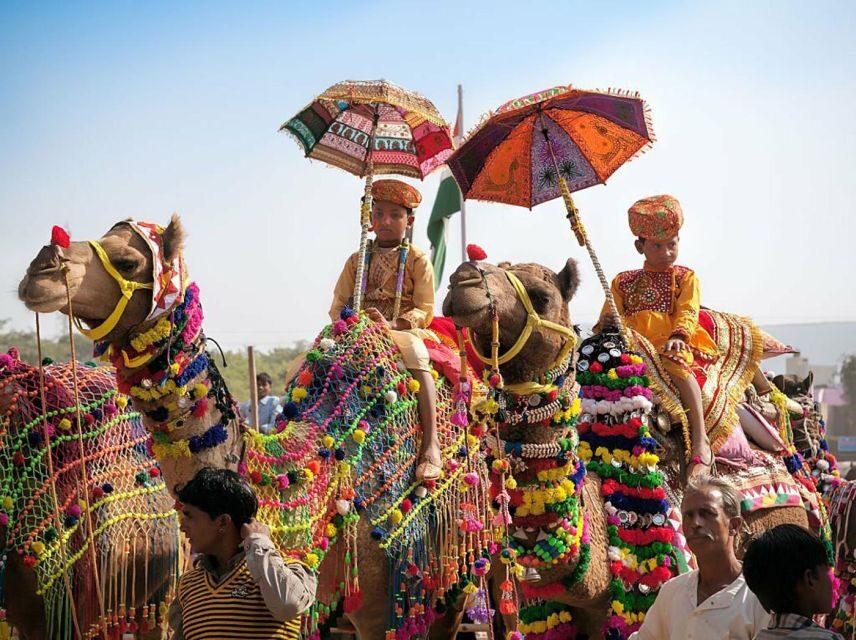
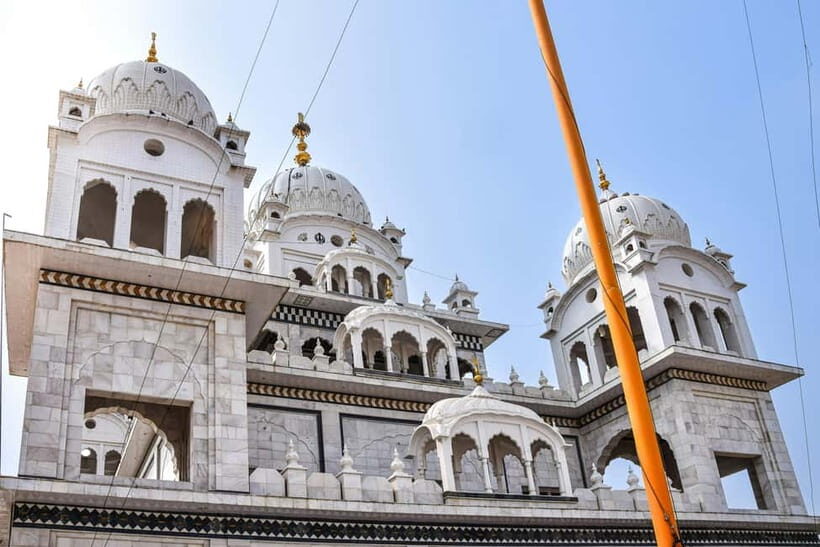
The day begins at the Brahma Temple, and it makes sense to place this first. Pushkar is one of Rajasthan’s best-known pilgrimage towns, and the Brahma Temple is one of the standout places for that religious focus. You’ll have time for a photo stop, a visit, and a guided tour, with a self-guided window too—so you can take in what you’re seeing at your own pace.
Why this matters: the Brahma Temple isn’t just another temple you pass through. It’s tied to why Pushkar exists as a pilgrimage destination. The itinerary also includes other temples later (so you’re not going temple-only in a scattered way). Starting with Brahma helps you understand the town’s spiritual logic early, before you move on to the lake and the bazaar.
Practical tip: plan for shoe-off moments. Shoes are not permitted in houses of worship, and you’ll want footwear that’s easy to remove and put back on. Sunglasses and comfortable clothes help too, because it’s a full-day sun-and-stone experience.
Pushkar Lake and the Sacred 52 Ghats Concept
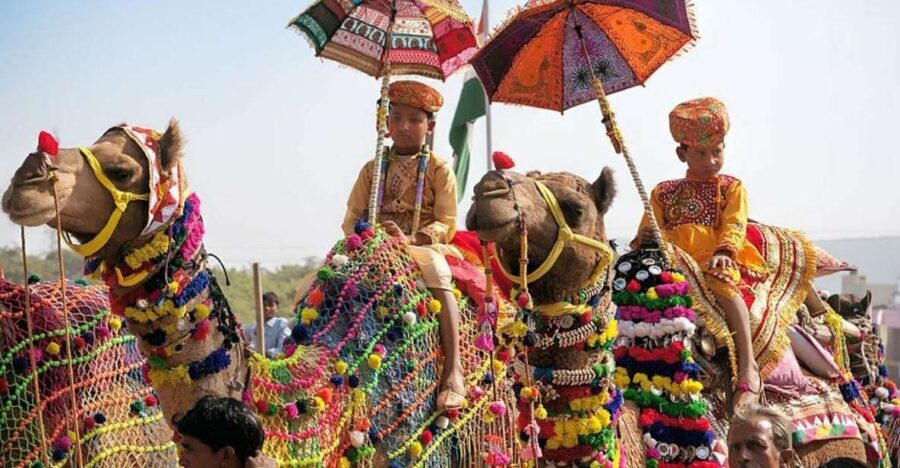
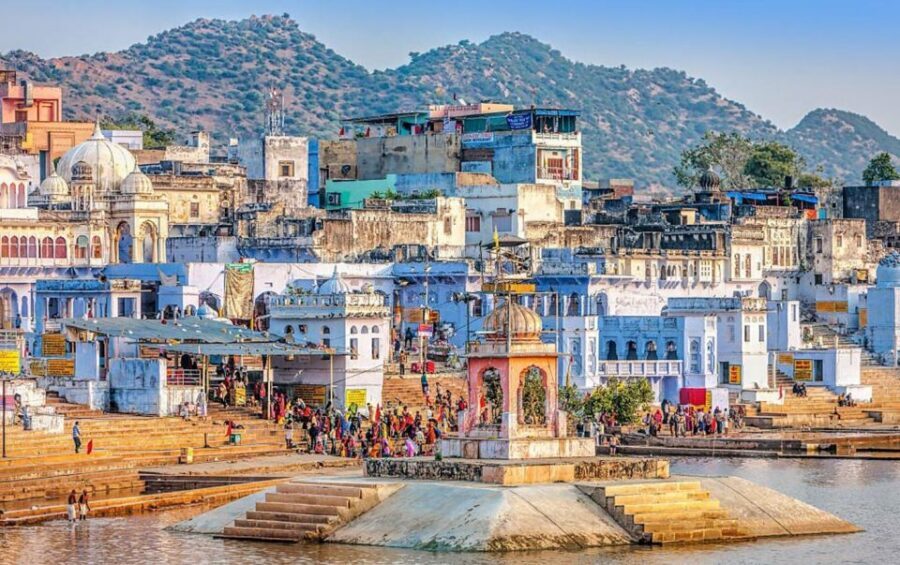
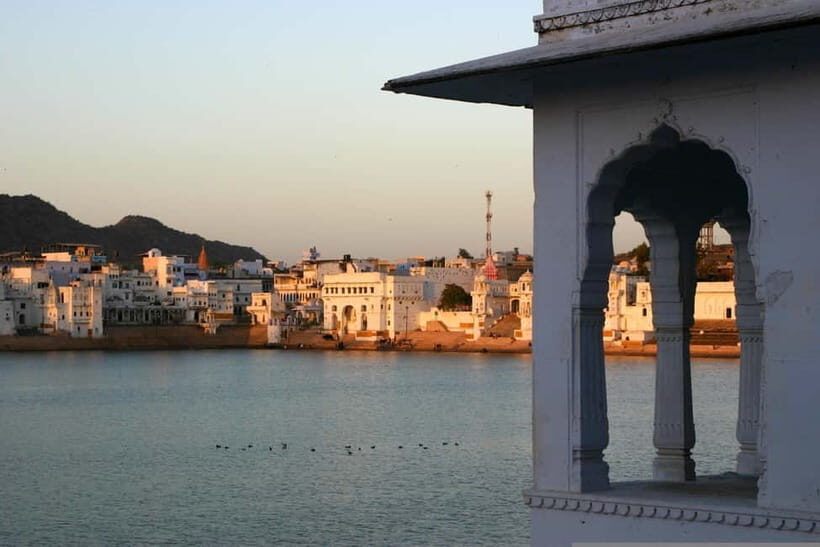
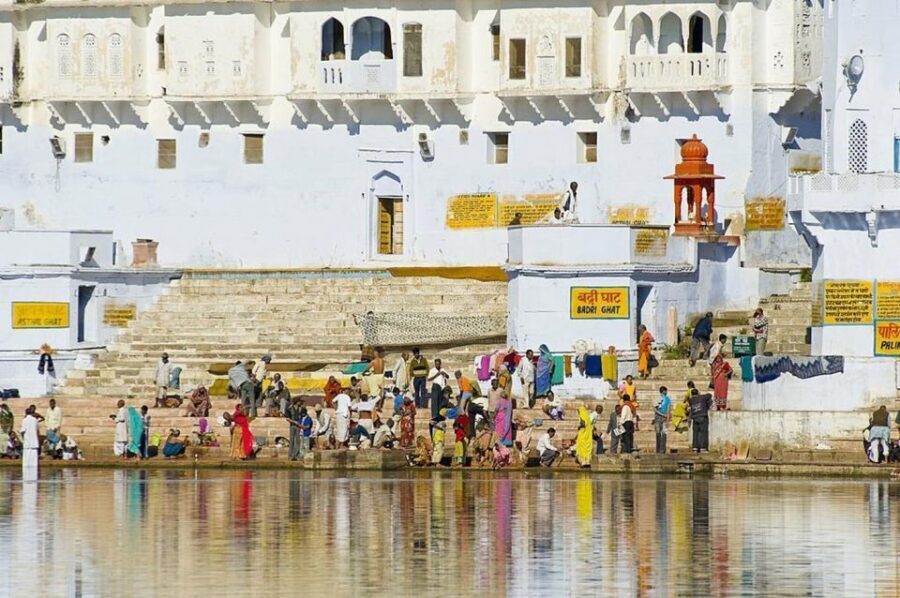
After Brahma Temple, the itinerary shifts to Pushkar Lake. You’ll get a photo stop plus guided time and self-guided time here. The lake is described as the sacred heart of the city, and there’s a specific detail worth knowing: Pushkar Lake has about 52 ghats.
Even if you don’t catch every ghāt on foot, the important takeaway is that the lake isn’t just scenery. Those steps connect the religious life of the town—people see the lake as part of daily devotion. That’s why the lake visit feels different from a quick sightseeing photo.
One more context note that makes the place click: during Islamic invasions, several ancient temples were destroyed, and the city’s religious sites evolved around what remained. Knowing that history doesn’t require a museum attitude—it just helps you understand why you’re seeing a mix of older sanctuaries and later religious buildings clustered around this sacred water.
Real-world pacing tip: you’ll have enough time to wander and look, but not so much that you’re exhausted by the time the bazaar and camel ride arrive. For many people, this is the balance point of the day.
Rangnath Venugopal Temple: A Different Angle on Pushkar
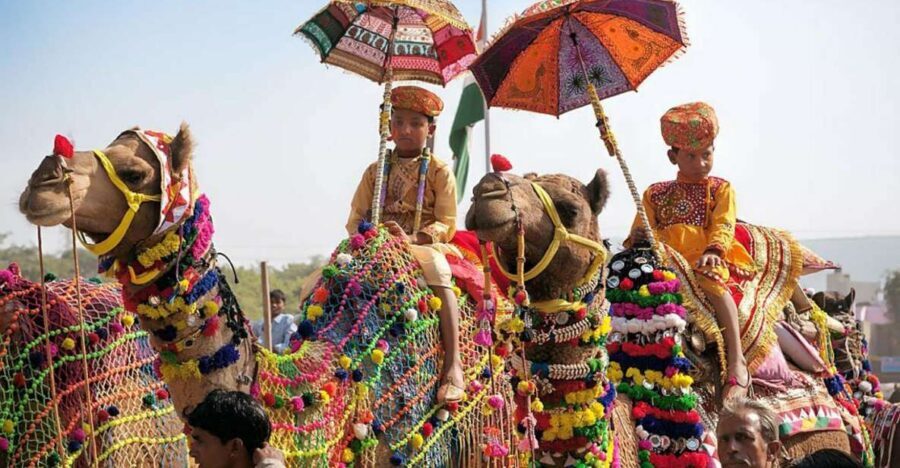
Pushkar isn’t only about the lake and the Brahma Temple. Another named highlight in the plan is the Rangnath Venugopal Temple. This is one of those stops that can make the trip feel more than a single-item checklist.
The practical benefit of including it: it breaks up the day visually and spiritually. You’re not bouncing between similar courtyard scenes every hour. Temple visits also tend to be slow enough for photos and quiet observation, but guided time keeps you oriented so you don’t waste energy trying to figure out what matters most.
Also, this is where the value of a live tour guide shows. The tour includes an English-speaking guide option (with languages available beyond English), and you’ll get help understanding what you’re looking at as you move through the sacred spaces. That makes your time feel more meaningful without turning the day into nonstop lectures.
Pushkar Bazaar: Jewelry and Clothes, With Time to Browse
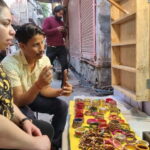
Midday and into the later parts of the day, you get Pushkar Bazaar time. This is the commercial side of Pushkar, and it’s where the town feels like a living place rather than just a set of temples.
The bazaar is especially known for jewelry and clothes. That means you can treat this as either:
- a relaxed browse to pick up small souvenirs, or
- a more serious shopping block if you know what you want and plan your budget
Here’s how I’d approach it so you enjoy it rather than feel pulled around: decide what category you’re shopping for before you enter. Pushkar’s religious draw brings lots of vendors, and a shopping time window can feel chaotic if you’re hunting for ideas on the spot. If you go in with a focus—like jewelry only, or clothes only—you’ll spend your time better.
Since meals aren’t clearly listed as part of the experience, build in the idea that you may want to handle snacks or drinks yourself during bazaar time. The itinerary is packed, so treat the shopping as part of your break.


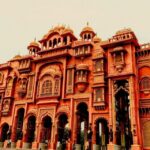

Camel Ride Time: A Full 1-Hour Experience
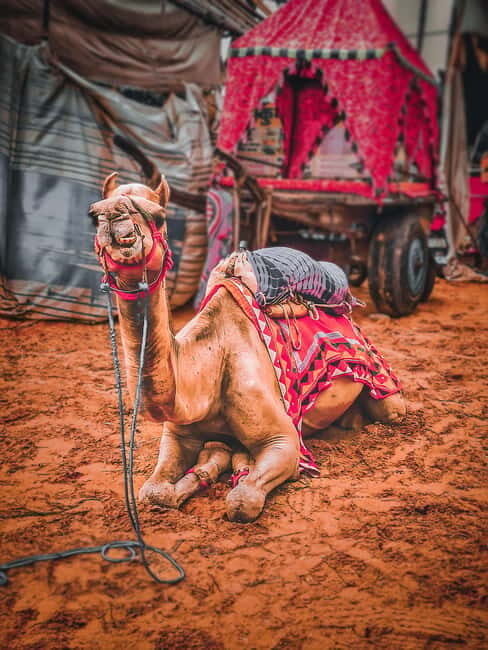
Then comes the camel ride, listed for about 1 hour. For many visitors, this is the most memorable, playful part of a temple-heavy day. It’s also an activity that changes your perspective fast. You’re moving through the outskirts and getting a different sense of the region’s textures and colors.
Still, it’s worth treating the ride as an actual commitment. A camel ride isn’t just a photo moment. You’ll be on and sitting for an hour, and comfort will depend on your own tolerance and the ground conditions where you ride.
If you’re sensitive to uneven surfaces or you want a very light day, the camel ride may feel like too much after temple walking and lake wandering. But if you’re comfortable with short outdoor rides and you want a traditional Pushkar experience, it fits the day’s tone well.
Price and Logistics: Is $47 Good Value for This Day?
At about $47 per person for a one-day round trip, the value comes from the mix of what’s included:
- air-conditioned private transport for the day
- an English-speaking driver
- round trips with pickup and drop-off
- a water bottle per person
- a live tour guide with multiple language options
- entry guidance for major sites, including a skip-the-ticket-line style benefit
So you’re not only paying for sightseeing—you’re paying for someone to handle the route and timing. That’s the big hidden value on a day trip like this. A DIY version can work, but you’d still spend time coordinating transport, finding the right order for stops, and figuring out where to cut through efficiently.
There’s also the private group setup. Even without knowing the exact headcount, a private-group format usually means you’re not trapped inside a huge, loud crowd. That matters on temple and lake visits, where you’ll want space for photos and quiet observation.
Where the price can feel less attractive: if you’re the kind of traveler who wants tons of free time, this schedule is tight. It’s built to fit Brahma Temple, Pushkar Lake, bazaar time, and a camel ride into a single day. If you want slow travel, you’ll feel the structure.
Who Should Book This Jaipur-to-Pushkar Day Trip?
This is a great choice if you want a guided, efficient Pushkar day and you’d rather not manage transport. It also suits you if you like a clear itinerary with key stops: Brahma Temple, Pushkar Lake, a named temple like Rangnath Venugopal, bazaar browsing, and a camel ride.
It may be a less ideal fit if:
- you dislike long travel days (the itinerary runs about 14 hours)
- you have mobility concerns that make long seated travel harder
- you’re not comfortable with religious site footwear rules
- you’re pregnant (the experience is not suitable for pregnant women, based on the provided information)
On the positive side, it’s also listed as wheelchair accessible, and it’s a private group—two details that can make a big difference in how comfortable you feel throughout the day.
Practical Tips That Make the Day Smoother
The “small stuff” can make your Pushkar day a lot more pleasant.
- Bring a valid passport or ID card. Travel documents are required on the day of travel.
- Wear comfortable shoes you can remove quickly. Shoes are not permitted in any house of worship.
- Pack sunglasses and comfortable clothes. You’ll spend time outdoors.
- Bring cash. The tour notes cash as something to have.
- Avoid alcohol and drugs. Those are listed as not allowed.
Also, because the ride and the schedule depend on traffic and the time of day, keep your expectations flexible. If you get delayed on the road, the best attitude is to treat it as part of road-trip reality.
Should You Book This Jaipur to Pushkar Trip?
If you’re looking for a one-day Pushkar plan that’s organized, transport-focused, and anchored by the town’s most meaningful stops, I think this is an easy yes—especially for first-timers who want the Brahma Temple + Pushkar Lake combination without extra planning.
Skip it only if you want a slow, flexible day with lots of downtime. With a 14-hour schedule, you’ll feel the clock. And if you know camel riding or long road time won’t work for you, consider an alternative pacing.
One more reason to lean toward booking: the feedback you’ll likely value here is simple—smooth ride, clean car, and drivers who keep things calm and on track so the day doesn’t feel stressful.
FAQ
How long is the Jaipur to Pushkar one-day trip?
The duration is listed as 14 hours.
What distance does the trip cover from Jaipur to Pushkar?
The distance is about 150 miles.
What stops are included during the day?
Key stops include the Brahma Temple, Pushkar Lake, the Pushkar area (including a camel ride), and visits connected to major temples such as Rangnath Venugopal Temple.
Is a camel ride included, and for how long?
Yes. A camel ride is included and lasts about 1 hour.
What language options are available for the live tour guide?
The live tour guide is available in English, Spanish, German, and French.
What is included in the price besides transport?
The trip includes round trips, pickup and drop-off at Jaipur locations (including hotel/railway station/airport), a water bottle per person, and a live tour guide. It also includes skip-the-ticket-line style access for the experience.
What should I bring for the tour?
Bring a passport or ID card, comfortable shoes, sunglasses, comfortable clothes, and cash.
Is this trip suitable for everyone?
It is wheelchair accessible. However, it is not suitable for pregnant women. Alcohol and drugs are not allowed. Shoes are not permitted in houses of worship.